

BLOG
Structured training improves operational consistency across feeding, ventilation, and egg handling systems
Poultry production efficiency depends on correct handling of automated machinery and monitoring tools
Safety awareness reduces mechanical failure, contamination risk, and workplace injury frequency
Skill development enhances coordination between maintenance teams and daily operational staff
Get professional poultry farm construction guidance, equipment selection solutions, and the latest price lists, whatsApp to +8618830120193, click to learn more.
Understanding Poultry Equipment And Functional Categories
A structured classification framework helps operators interpret mechanical roles within integrated poultry production systems before practical engagement begins.
Data is for reference only.Swipe horizontally to view full table.
Proper categorization allows staff to match operational tasks with correct mechanical systems during real production cycles.
Step One Structured Orientation And Safety Induction
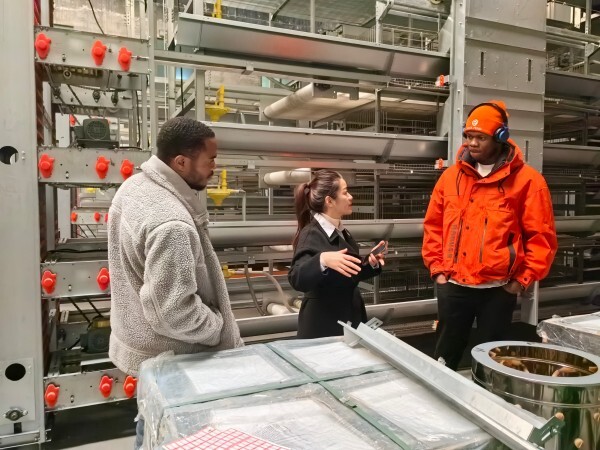
Initial exposure phase focuses on environmental awareness and controlled system navigation within poultry production facilities.
Data is for reference only.Swipe horizontally to view full table.
Clear understanding of facility zoning significantly reduces operational errors during early-stage equipment interaction.
Step Two Hands On Demonstration Under Supervision
Practical demonstration bridges theoretical knowledge with real operational behavior under controlled conditions.
Data is for reference only.Swipe horizontally to view full table.
Repeated guided exposure helps stabilize operational rhythm and reduces variability in manual adjustment techniques.
Step Three Standard Operating Procedures SOP Implementation
Standardization ensures that poultry equipment is operated under repeatable mechanical logic across different shifts and environments.
Data is for reference only.Swipe horizontally to view full table.
Procedure mapping reduces deviation between intended system behavior and field execution outcomes.
Step Four Monitoring Feedback And Error Correction
Continuous monitoring creates a feedback loop that aligns operational performance with equipment design expectations.
Data is for reference only.Swipe horizontally to view full table.
Systematic review cycles improve detection speed of minor deviations before they escalate into mechanical downtime.
Step Five Competency Testing And Certification
Final validation ensures that each operator can independently manage poultry equipment under real production pressure conditions.
Data is for reference only.Swipe horizontally to view full table.
Certification creates a standardized benchmark for operational readiness across different production units.
Maintenance Awareness Training
Preventive awareness training reduces mechanical fatigue and extends lifecycle stability across automated poultry systems.
Data is for reference only.Swipe horizontally to view full table.
Routine technical observation helps detect early-stage wear patterns in high-load operational components.
Troubleshooting Common Equipment Issues
Fault-response training improves reaction accuracy when mechanical or electrical abnormalities occur in production environments.
Data is for reference only.Swipe horizontally to view full table.
Early correction protocols minimize production interruption and maintain stable livestock conditions.
Training Schedule And Implementation Plan
Progressive scheduling ensures controlled skill accumulation across multiple operational layers of poultry production systems.
Data is for reference only.Swipe horizontally to view full table.
Structured time allocation reduces learning saturation and improves procedural retention across training stages.
Frequently Asked Questions
Q1: What is primary risk during poultry equipment operation?
A1: Mechanical entanglement combined with microbial exposure represents primary operational risk.
Controlled ppe usage reduces contamination probability to 0.6% in monitored environments.
Q2: How long required for staff to operate independently?
A2:Standard training duration ranges between 28 and 42 calendar days depending on system automation level and facility size.
Q3: Can maintenance tasks be performed by non technical staff?
A3: Basic inspection tasks permitted, including visual checks and cleaning cycles.
Electrical repairs and motor diagnostics require certified technical personnel only.
Taiyu (HK) Group - One Of China Biggest Poultry Equipment Manufacturer
Poultry equipment systems applied in 52,000 bird capacity automated broiler farm projects with integrated ventilation and feeding synchronization architecture
Global factory direct manufacturing network supports standardized production lines across 14 industrial zones with unified material sourcing control
Turn-key engineering delivery includes site design, mechanical installation, electrical integration, and operator training certification framework
Modular poultry equipment systems support layer farming, broiler production, and hatchery environments with configurable technical specifications
Project execution structure aligns engineering design load at 3.8 kw per 1,000 birds with energy optimization planning
Contact Us To Received Your Customized Poultry Farm Plan
Headquarters And Branchs

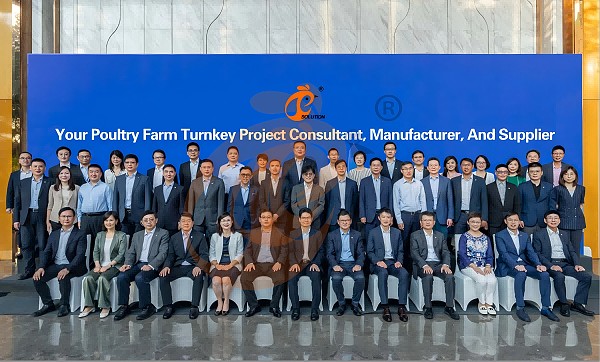
Hong Kong Headquarter Management Team
Hong Kong Headquarter Taiyu Industrial Group CO., LTD
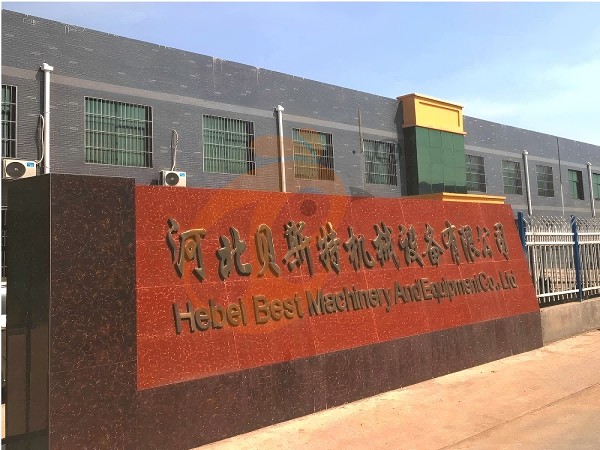
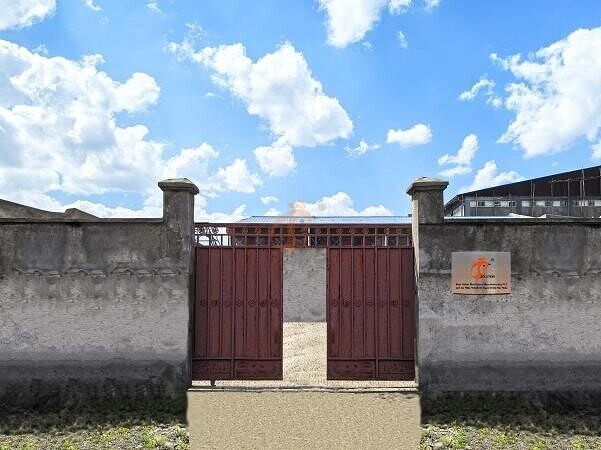
China Hebei Best Machinery And Equipment CO., LTD
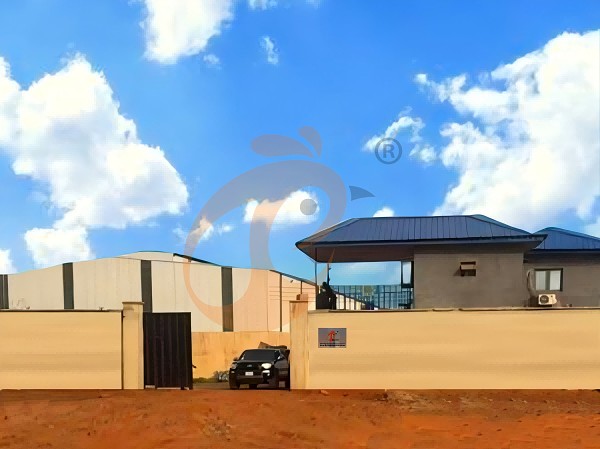
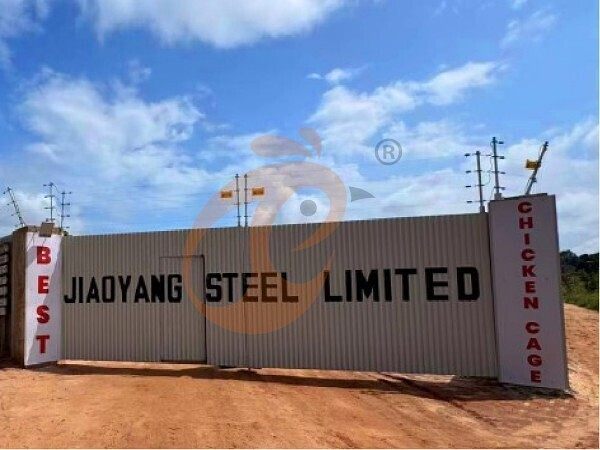
Nigeria Vanke Machinery And Equipment CO., LTD
Tanzania Best Machinery And Equipment CO., LTD
Ethiopia Best Hebei Machinery Manufacturing PLC
Reception /24 WhatsApp NO. : +8618830120193
PRODUCTS RECOMMENDED
 China Branch Manufacture Poultry Farm EquipmentRead More
 Ethiopia Branch Manufacture Poultry Farm EquipmentRead More
 Nigeria Branch Manufacture Poultry Farm EquipmentRead More
 Tanzania Branch Manufacture Poultry Farm EquipmentRead More
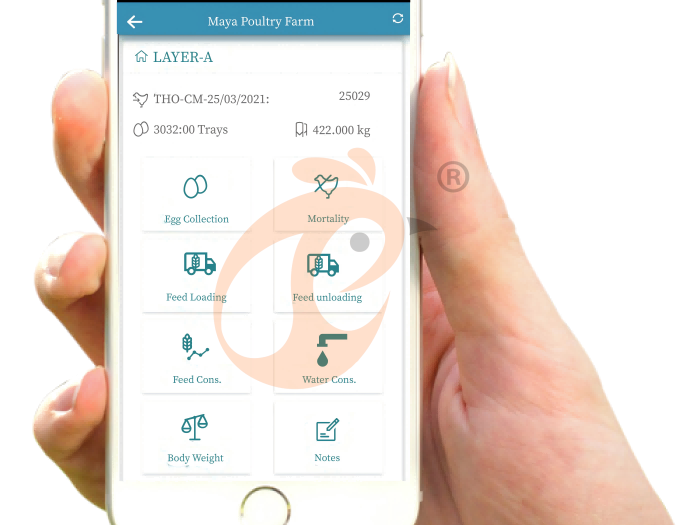
 IoT Smart Poultry FarmRead More
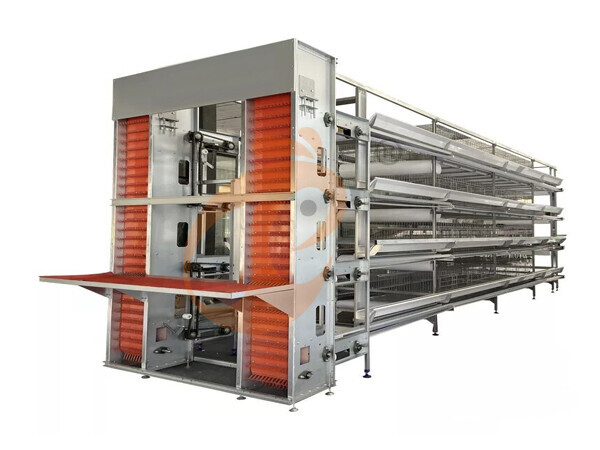
 >30,000 Layers Automatic H Type Battery CageRead More
 10,000 - 30,000 Layers Automatic A Type Battery CageRead More
MESSAGE