

BLOG
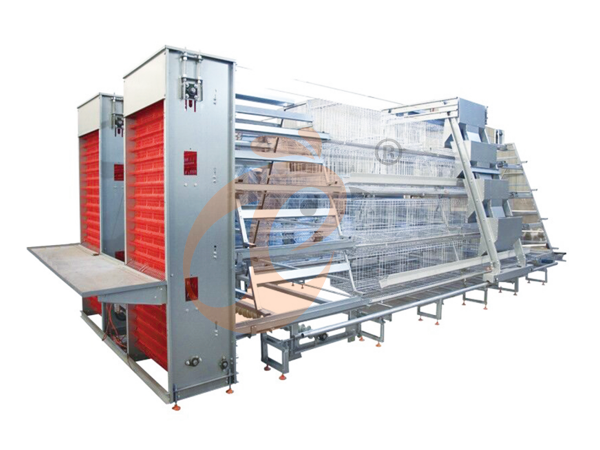
Optimizing stocking density in broiler chicken cages determines growth performance, welfare stability, feed conversion efficiency, and system-wide production output in intensive poultry operations.
Engineering design must coordinate spatial allocation, ventilation dynamics, and water delivery architecture within broiler chicken cages to maintain stable biological conditions.
Within modern production systems, nipple drinker systems operate as a controlled hydration infrastructure ensuring uniform water distribution across cage tiers under high density loading conditions.
System performance is influenced by structural layout, mechanical ventilation balance, and resource accessibility within confined cage environments.
Modern poultry engineering increasingly adopts automatic poultry nipple drinker line system integration to support scalable broiler chicken cages production capacity.
Get professional poultry farm construction guidance, equipment selection solutions, and the latest price lists, whatsApp to +8618830120193, click to learn more.
Understanding Stocking Density Basics
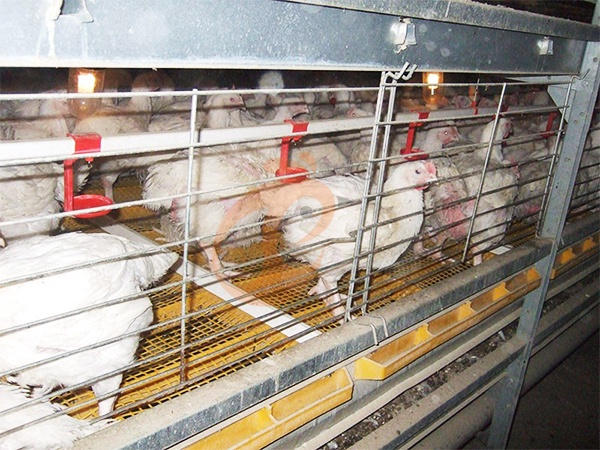
Stocking density defines biomass loading per unit cage area and directly affects thermal balance, airflow resistance, and physiological stress distribution within broiler chicken cages systems.
It must be synchronized with feeder layout, ventilation capacity, and hydration infrastructure design to ensure stable production performance.
Improper density configuration results in uneven growth patterns, increased metabolic stress, and reduced system efficiency across production cycles.
Data is for reference only.Swipe horizontally to view full table.
As stocking density increases, broiler chicken cages require stricter control of airflow distribution and hydration accessibility.
Role Of Nipple Drinker Systems
Nipple drinker systems function as a closed-loop water delivery mechanism designed to ensure hygienic hydration within broiler chicken cages environments.
They form an essential subsystem in automated poultry infrastructure where water contamination control and flow stability are critical performance parameters.
Hydraulic balance, nipple spacing design, and pressure consistency directly affect flock-level water intake uniformity.
Data is for reference only.Swipe horizontally to view full table.
Hydraulic instability within broiler chicken cages leads to uneven hydration distribution and production inconsistency.
Environmental Temperature Control
Thermal regulation governs metabolic rate, feed intake behavior, and hydration demand within broiler chicken cages systems.
High-density configurations require engineered ventilation scaling to dissipate heat accumulation generated by concentrated bird biomass.
Water delivery systems must maintain stable output performance under fluctuating thermal loads to prevent dehydration stress.
Data is for reference only.Swipe horizontally to view full table.
Thermal stress increases water consumption load on broiler chicken cages hydration infrastructure.
Cage Space Allocation Optimization
Cage space allocation determines spatial freedom, movement behavior, and access efficiency to feed and water systems within broiler chicken cages.
Engineering design must ensure uniform distribution of birds to prevent localized overcrowding around feeding and drinking zones.
Uneven spatial loading results in behavioral stress concentration and reduced system performance stability.
Data is for reference only.Swipe horizontally to view full table.
Spatial design directly influences operational uniformity in broiler chicken cages systems.
Nipple Drinker System Maintenance Efficiency
Maintenance engineering ensures hydraulic continuity, contamination prevention, and long-term operational stability within broiler chicken cages water systems.
System reliability depends on pressure calibration, sediment control, and microbial suppression across distribution lines.
Operational degradation manifests as uneven flow distribution and localized system blockage.
Data is for reference only.Swipe horizontally to view full table.
Maintenance failure directly reduces hydration efficiency across broiler chicken cages systems.
Ventilation Synchronization Strategy
Ventilation systems regulate humidity, ammonia concentration, and thermal load within broiler chicken cages environments.
Airflow design must be scaled proportionally with stocking density to maintain environmental equilibrium.
Hydration system performance is indirectly influenced by airflow distribution consistency.
Data is for reference only.Swipe horizontally to view full table.
Ventilation imbalance amplifies performance variability inside broiler chicken cages.
Behavioral Monitoring In Dense Systems
Behavioral observation provides diagnostic indicators of spatial stress and system imbalance in broiler chicken cages operations.
Drinker line clustering often indicates uneven resource accessibility or excessive stocking density pressure.
Continuous monitoring supports early detection of performance degradation.
Data is for reference only.Swipe horizontally to view full table.
Behavioral deviation typically precedes measurable production decline in broiler chicken cages systems.
Performance Optimization Metrics
Performance evaluation integrates feed conversion efficiency, mortality rate, and hydration stability within broiler chicken cages systems.
Stocking density calibration must align with hydraulic performance of drinking systems to maintain production equilibrium.
Water intake consistency serves as a primary indicator of system health.
Data is for reference only.Swipe horizontally to view full table.
Hydration stability directly reflects system efficiency in broiler chicken cages operations.
Frequently Asked Questions
Q1: What is the optimal birds per nipple ratio in broiler chicken cages systems?
A1: The recommended engineering range is 8 to 12 birds per nipple.
Exceeding this ratio increases competition and reduces hydration uniformity.
Q2: How does high stocking density affect broiler chicken cages performance?
A2: High density increases thermal load and water demand by approximately 10% to 15%.
This creates additional pressure on ventilation and drinking systems.
Q3: What is the recommended maintenance cycle for water systems in broiler chicken cages?
A3: Daily flushing and weekly filtration control are required.
Full sanitation is performed between production cycles to maintain hydraulic stability.
Taiyu (HK) Group - One Of China Largest Broiler Chicken Cages Manufacturer
High-density broiler chicken cages systems typically operate at 30 to 40 kg per square meter biomass loading under controlled environmental engineering conditions.
Integrated production facilities require synchronized design of cage structure, feeding systems, and water distribution networks.
Global factory direct supply ensures standardized poultry equipment manufacturing with consistent engineering specifications across international projects.
Turn-key engineering services include system design, fabrication, installation, and commissioning of complete broiler chicken cages projects.
System architecture emphasizes modular scalability, hydraulic stability, and long-term operational reliability under intensive production conditions.
Contact Us To Received Your Customized Poultry Farm Plan
Headquarters And Branchs

Hong Kong Headquarter Management Team
Hong Kong Headquarter Taiyu Industrial Group CO., LTD
China Hebei Best Machinery And Equipment CO., LTD
Nigeria Vanke Machinery And Equipment CO., LTD
Tanzania Best Machinery And Equipment CO., LTD
Ethiopia Best Hebei Machinery Manufacturing PLC




Reception /24 WhatsApp NO. : +8618830120193
PRODUCTS RECOMMENDED
 China Branch Manufacture Poultry Farm EquipmentRead More
 Ethiopia Branch Manufacture Poultry Farm EquipmentRead More
 Nigeria Branch Manufacture Poultry Farm EquipmentRead More
 Tanzania Branch Manufacture Poultry Farm EquipmentRead More
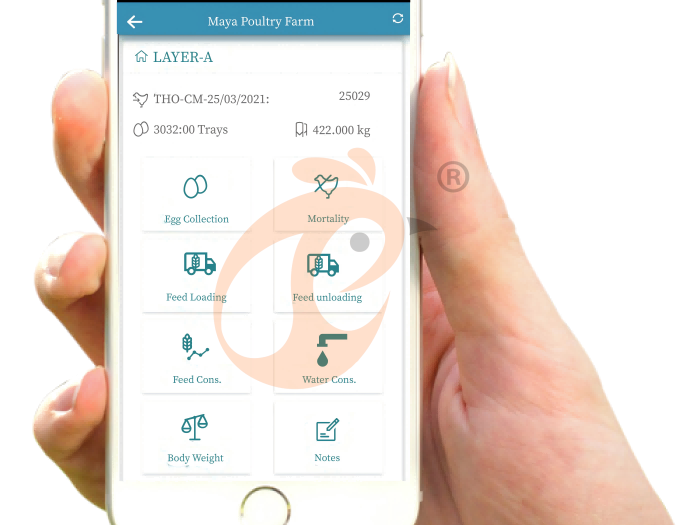
 IoT Smart Poultry FarmRead More
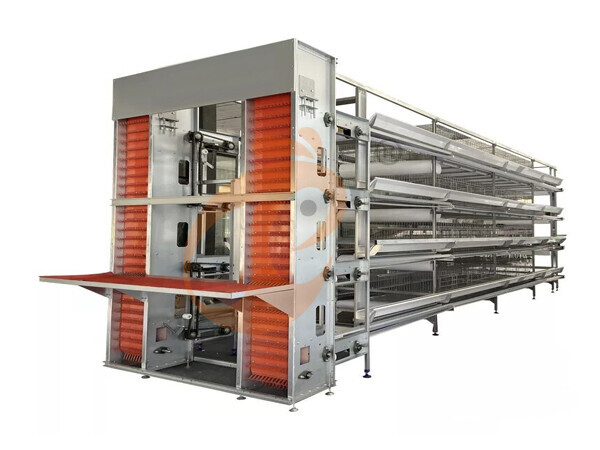
 >30,000 Layers Automatic H Type Battery CageRead More
 10,000 - 30,000 Layers Automatic A Type Battery CageRead More
MESSAGE
NEWS
 How To Optimize Stocking Density In Broiler Chicken Cages | 5 Practical TipsRead More
 How To Improve Feed Efficiency In Floor Rearing System | 6 Practical StepsRead More
 Poultry Equipment Daily Maintenance | 5 Essential Tips To Reduce CostsRead More
 How To Clean Commercial Layer Chicken Cages | 6 Practical Hygiene StepsRead More