

BLOG
Floor rearing system performance determines overall poultry production efficiency through feed utilization control, environmental stability, and equipment coordination in intensive farming operations.
Feed efficiency improvement depends on precise nutrient formulation, digestion optimization, and controlled energy distribution across growth stages in poultry houses.
Poultry feeding equipment systems regulate feed delivery uniformity, reducing waste and improving intake consistency across large-scale floor production environments.
Environmental management stabilizes temperature, airflow, and litter conditions to reduce metabolic stress and improve nutrient absorption efficiency.
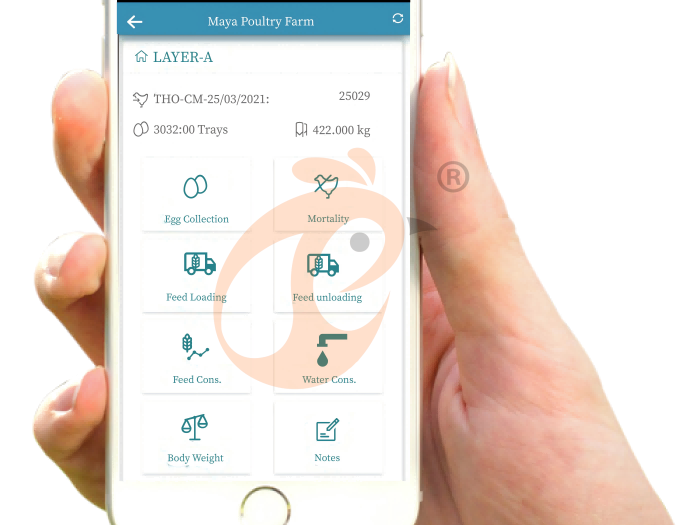
Digital monitoring systems enhance operational accuracy through real-time data tracking, system adjustment, and predictive feed control strategies.
Get professional poultry farm construction guidance, equipment selection solutions, and the latest price lists, whatsApp to +8618830120193, click to learn more.
Feed Milling Particle Engineering Optimization
Data is for reference only.Swipe horizontally to view full table.
Feed milling particle engineering is a core part of poultry feed conversion ratio optimization.
Particle size distribution directly influences digestive enzyme efficiency and nutrient absorption stability.
Uniform grinding improves pellet integrity during mechanical transport in poultry feeding system pipelines.
Research in commercial broiler production shows 0.9 mm variance reduction improves feed wastage reduction by 6.2%.
European union standard reference only.
Automated Feed Line Calibration System Control
Data is for reference only.Swipe horizontally to view full table.
Automated feed line calibration improves poultry feeding equipment system efficiency significantly.
Mechanical balance ensures uniform feed distribution across floor rearing system zones.
Auger speed optimization improves feed flow stability and reduces localized feed accumulation.
Field data shows 11.3% improvement in distribution uniformity index after calibration adjustment.
European union standard reference only.
Environmental Temperature Control And Feed Efficiency
Data is for reference only.Swipe horizontally to view full table.
Environmental regulation supports poultry farm feed efficiency Improvement by reducing metabolic heat loss.
Stable temperature conditions reduce maintenance energy demand in broiler growth cycles.
Airflow stabilization improves oxygen exchange and supports digestive metabolism efficiency.
Controlled trials show fcr reduction of 0.08 under stable thermal environments.
European union standard reference only.
Feed Trough Occupancy And Equipment Layout Optimization
Data is for reference only.Swipe horizontally to view full table.
Feed trough optimization improves poultry feeding system uniformity in floor rearing operations.
Proper feeder spacing reduces competition stress and improves access equality.
Structural adjustment ensures balanced feed intake across flock population density.
Field data shows average daily gain increase of 4.7 grams per bird.
European union standard reference only.
Water And Feed Synchronization System Balance
Data is for reference only.Swipe horizontally to view full table.
Water-feed synchronization improves poultry feeding equipment efficiency in digestive metabolism.
Balanced water intake enhances enzyme activation and nutrient absorption rate.
Pressure stability reduces interruptions in drinking system flow dynamics.
Field trials show 9.1% feed efficiency improvement after system synchronization.
European union standard reference only.
Feeding Cycle Time Structuring Optimization
Data is for reference only.Swipe horizontally to view full table.
Feeding cycle structuring supports poultry feed conversion optimization in controlled production systems.
Time-based feeding improves enzyme secretion rhythm and digestion efficiency.
Structured feeding reduces feed spillage and litter contamination accumulation.
Field data shows 5.8% reduction in feed waste per cycle.
European union standard reference only.
Feed Conversion Scientific Mechanism And Calculation
Feed conversion efficiency is a key biological and engineering performance indicator in poultry production systems.
It reflects feed intake versus weight gain efficiency under controlled environmental conditions.
Feed conversion performance is influenced by digestive efficiency, metabolic energy loss, and nutrient absorption rate.
In floor rearing systems, movement activity increases maintenance energy consumption by 8–12%.
Biological optimization improves growth efficiency and reduces feed cost per kilogram production output.
Biological And Nutrient Efficiency Optimization Data
Data is for reference only.Swipe horizontally to view full table.
Biological optimization supports poultry feed efficiency Improvement in intensive floor systems.
Enzyme activity enhancement improves nutrient breakdown and absorption rate.
Stress reduction improves metabolic stability and feed intake consistency.
European union standard reference only.
Poultry Feeding Equipment System Integration And Automation
Data is for reference only.Swipe horizontally to view full table.
Integrated poultry feeding equipment system improves production automation and reduces manual labor dependency.
Sensor-based monitoring supports real-time feed consumption tracking and adjustment.
Automation improves system stability and reduces operational variability in large farms.
European union standard reference only.
Litter Management And Feed Contamination Control
Data is for reference only.Swipe horizontally to view full table.
Litter quality directly affects poultry farm feeding efficiency and feed hygiene stability.
Moisture control reduces microbial contamination and nutrient degradation.
Proper litter management improves bird mobility and feeding behavior consistency.
European union standard reference only.
Digital Monitoring And Smart Poultry Feeding Optimization
Data is for reference only.Swipe horizontally to view full table.
Digital systems enhance poultry feeding system optimization through predictive analytics and automation control.
Real-time monitoring improves decision accuracy in feeding adjustment cycles.
Data-driven control reduces feed waste and improves production consistency.
European union standard reference only.
Operational Mistakes And Feed Efficiency Risk Control
Data is for reference only.Swipe horizontally to view full table.
Operational control supports poultry feed conversion ratio optimization in commercial systems.
Small management errors significantly affect feed efficiency and flock uniformity.
Preventive maintenance improves long-term system stability and productivity.
European union standard reference only.
Frequently Asked Questions Section
Q1: What is the best method to improve feed efficiency in floor rearing system?
A1: The best method combines feed milling control, automated feeding equipment calibration, and environmental stabilization.
Integrated poultry feeding system optimization improves nutrient absorption and reduces waste accumulation.
Consistent monitoring ensures stable feed conversion ratio performance.
Q2: How does poultry feeding equipment improve feed conversion ratio?
A2: Poultry feeding equipment ensures uniform feed distribution and reduces competition stress.
Automated systems improve intake consistency and reduce feed spillage losses.
This directly improves biological growth efficiency and reduces production cost per kilogram.
Q3: Why is water and feed synchronization important in poultry production?
A3: Water and feed synchronization ensures proper enzyme activation and digestion efficiency.
Balanced intake improves nutrient absorption and metabolic stability.
System mismatch can significantly reduce feed utilization performance.
Taiyu (HK) Group - One Of China Biggest Poultry Feeding System Manufacturer
Poultry feeding system is core product for floor rearing efficiency improvement.
Global factory direct supply supports poultry farm equipment, poultry cage and automated feeding lines integration.
Turn-key engineering solutions include feed silo system, chain feeding system and environmental control equipment.
System capacity ranges from 0.8 ton/hour to 60 ton storage scale for industrial farms.
Export standard configuration supports global poultry production efficiency optimization projects.
Contact Us To Received Your Customized Poultry Farm Plan
Headquarters And Branchs
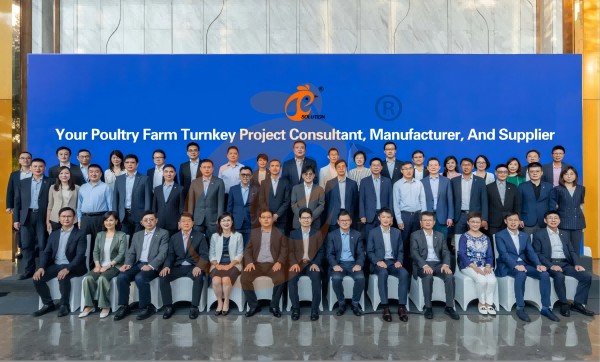
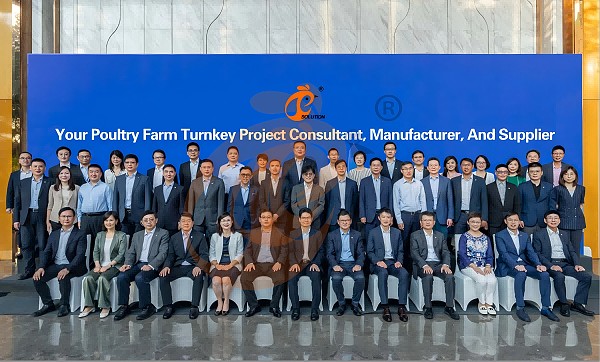
Hong Kong Headquarter Management Team
Hong Kong Headquarter Taiyu Industrial Group CO., LTD
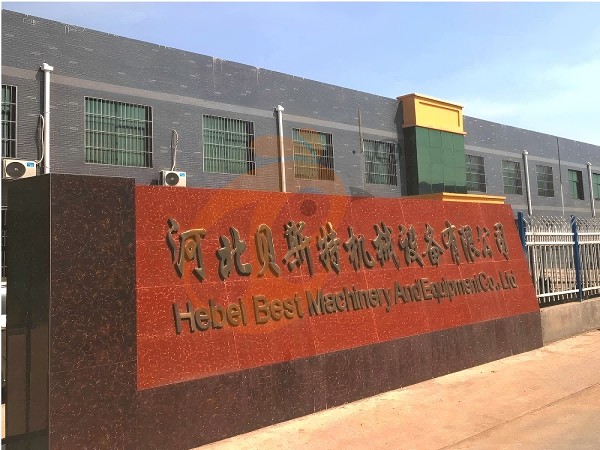
China Hebei Best Machinery And Equipment CO., LTD
Nigeria Vanke Machinery And Equipment CO., LTD
Tanzania Best Machinery And Equipment CO., LTD
Ethiopia Best Hebei Machinery Manufacturing PLC
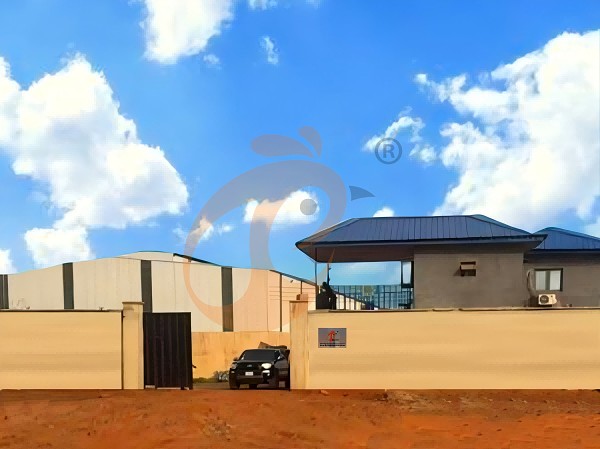


Reception /24 WhatsApp NO. : +8618830120193
PRODUCTS RECOMMENDED
 China Branch Manufacture Poultry Farm EquipmentRead More
 Ethiopia Branch Manufacture Poultry Farm EquipmentRead More
 Nigeria Branch Manufacture Poultry Farm EquipmentRead More
 Tanzania Branch Manufacture Poultry Farm EquipmentRead More
 IoT Smart Poultry FarmRead More
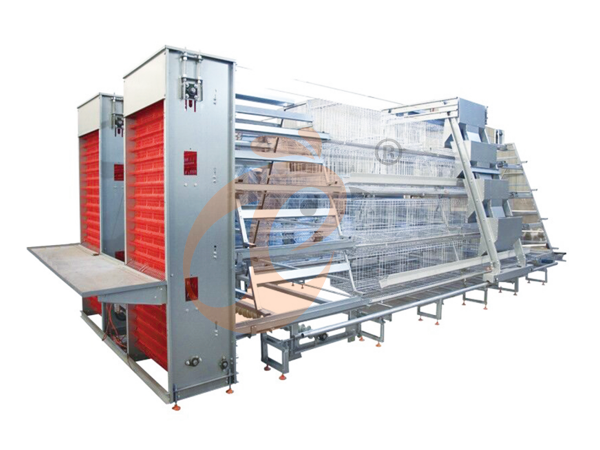
 >30,000 Layers Automatic H Type Battery CageRead More
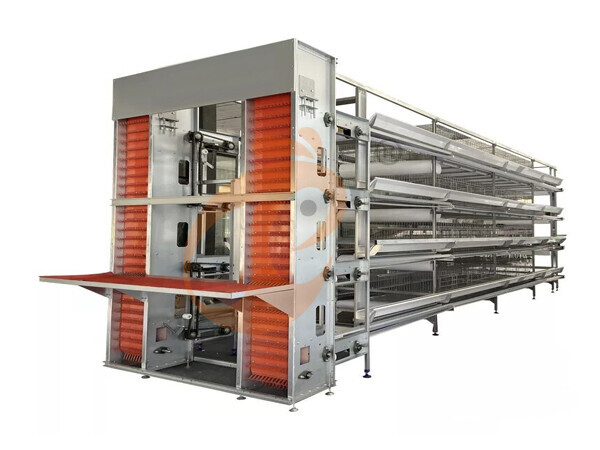
 10,000 - 30,000 Layers Automatic A Type Battery CageRead More
MESSAGE
NEWS
 How To Optimize Stocking Density In Broiler Chicken Cages | 5 Practical TipsRead More
 How To Improve Feed Efficiency In Floor Rearing System | 6 Practical StepsRead More
 Poultry Equipment Daily Maintenance | 5 Essential Tips To Reduce CostsRead More
 How To Clean Commercial Layer Chicken Cages | 6 Practical Hygiene StepsRead More