

NEWS
An efficient automatic poultry farm combines suitable cage configurations, reliable automation, and scientifically planned housing to achieve stable production and long-term profitability.
Small-scale farming 1,000–5,000 birds can use semi-automatic A-type cages with 3–4 tiers, providing flexible installation and manageable operating costs.
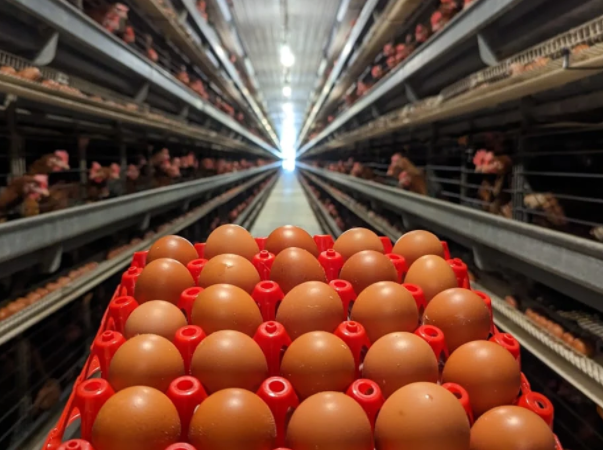
Commercial production 10,000–30,000 layers benefit from H-type cage systems, automatic feeding, manure removal, and centralized egg collection.
Large-scale operations 50,000–100,000+ birds require multi-tier cage configurations, coordinated ventilation, and intelligent environmental management.
Engineering planning allow 1.2–1.7 m service aisles according to equipment configuration, ensuring convenient inspection, cleaning, and maintenance.
Investment evaluation automatic poultry farm setup cost depends on bird capacity, cage tiers, house dimensions, equipment specifications, and local construction expenses.
Smart budgeting accurate automatic poultry farm setup cost calculations should include installation, transportation, electrical infrastructure, maintenance reserves, and future expansion.
Get professional poultry farm construction guidance, equipment selection solutions, and the latest price lists, whatsApp to +8618830120193, click to learn more
Taiyu Group (HK): Global Poultry Equipment Manufacturer & Supplier
1. How Much Does It Cost To Build An Automatic Poultry Farm?
The total investment depends on bird capacity, poultry type, housing design, and equipment configuration.
The following estimates cover a practical commercial cage-based farm, including basic poultry housing, automated equipment, and essential environmental systems.
Land purchase, feed inventory, livestock purchases, financing, and major off-site infrastructure are excluded.
1.1 Cost Of A 1,000–5,000-Bird Poultry Farm
Small farms generally require one poultry house with semi-automatic feeding, drinking, and manure removal systems.
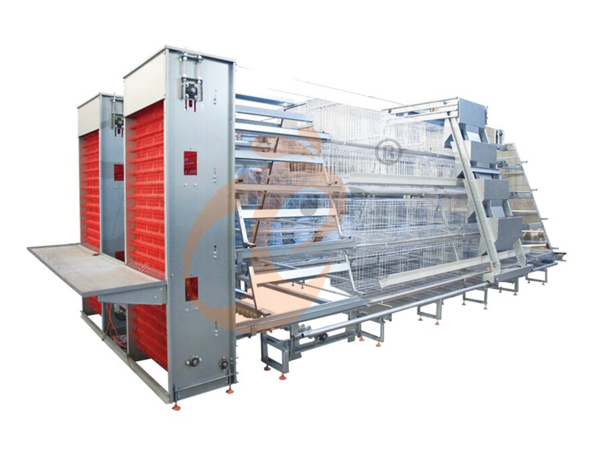
A-type layer cages with 3-tier or 4-tier configurations are suitable for small commercial projects.
For a 1,000-layer project, a 3-tier A-type configuration provides 120 birds per set.
A 2-row arrangement with 9 sets offers an actual capacity of 1,080 birds.
A 4-tier configuration provides 160 birds per set, allowing different capacity combinations without changing the basic cage footprint.
1.2 Cost Of A 10,000–30,000-Bird Poultry Farm
Medium-sized farms benefit from integrated H-type or A-type cage systems, automatic manure belts, centralized feed delivery, and climate control.
A planning budget of $100,000–300,000 is reasonable for many projects, depending on construction specifications.
For a 20,000-layer farm, a 4-tier H-type system with 3 rows can use 157 sets, providing an actual capacity of 20,096 birds.
Alternatively, a 5-tier configuration with 2 rows can use 125 sets to accommodate exactly 20,000 birds.
1.3 Cost Of A 50,000–100,000+ Bird Poultry Farm
Large commercial operations require multiple poultry houses, automated egg collection, feed silos, environmental monitoring, and backup power.
A preliminary budget of $350,000–900,000+ may be necessary, excluding land and working capital.
A 100,000-bird installation can use a 14-tier H-type cage arrangement with 3 rows, 224 sets, and an actual capacity of 100,352 birds.
Alternatively, a 16-tier configuration with 196 sets provides the same actual capacity.
Separate production buildings improve biosecurity and operational flexibility.
European union standard reference only
Currency figures are illustrative usd planning equivalents, not official European union construction tariffs or certified quotations.
Actual costs vary by country and project specifications.
2. What Are The Main Investment Costs Of An Automatic Poultry Farm?
2.1 Land Preparation And Infrastructure
Site preparation includes drainage, access roads, foundations, fencing, and waste-management facilities.
Allow approximately 10–15% of the construction budget for basic site infrastructure, with additional allowances for difficult terrain.
For commercial projects, a 1.5%–2% ground slope around drainage areas, 4-meter-wide service roads, and 3-meter perimeter access corridors can improve vehicle movement and maintenance access.
Get professional poultry farm construction guidance, equipment selection solutions, and the latest price lists. WhatsApp to +8618830120193 for project consultation.
2.2 Poultry House Construction
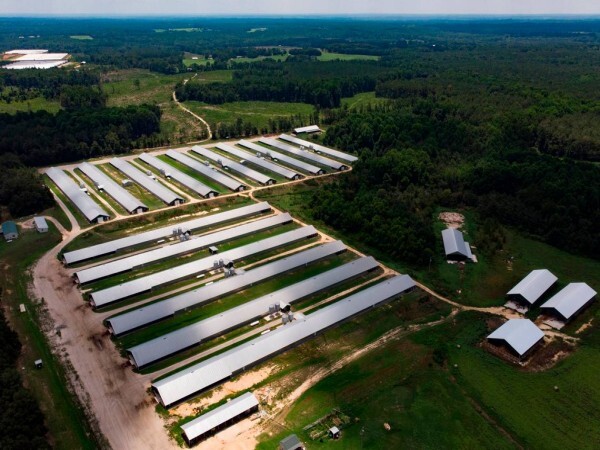
A closed poultry house commonly measures approximately 12–15 meters wide and 80–120 meters long.
Insulated sandwich panels, washable flooring, adequate roof height, and controlled air inlets improve environmental stability.
A practical engineering design may include 75–100 mm roof insulation, 50–75 mm wall insulation, and a 150 mm reinforced concrete floor.
Floor resistance, roof loading, and foundation depth should be verified by local structural engineers.
A well-planned poultry farm project requires careful coordination between construction design, operational requirements, and long-term production goals.
For professional project planning and industry insights, explore Taiyu Group (HK) Poultry Farm Equipment.
Looking for professional poultry farm construction guidance and project planning support? Get expert advice and the latest price lists. WhatsApp to +8618830120193.
2.3 Poultry Equipment And Automation
Cages, feeding lines, nipple drinkers, manure belts, egg collection conveyors, and feed silos represent major equipment investments.
Equipment selection should match flock capacity and expected production volume.
A commercial equipment package may integrate 2 feed distribution circuits, 4 drinking pressure zones, 1 manure discharge conveyor, and 1 centralized control cabinet.
Equipment positioning should leave adequate clearance for replacement and inspection.
2.4 Electrical, Water And Environmental Systems
Commercial houses need stable electricity, water filtration, pressure regulation, ventilation fans, cooling pads, and emergency generators.
Water storage should cover approximately 24–48 hours of normal farm demand.
For preliminary electrical planning, consider 380–415 v three-phase power, 50–60 hz frequency compatibility, and a generator sized around 120% of essential operating demand.
Final ratings require an electrical load calculation.
2.5 Transportation, Installation And Commissioning
International projects should budget for freight, customs clearance, unloading, installation, testing, and staff training.
Installation allowances of approximately 5–10% of equipment value provide an initial planning reference.
A typical installation schedule can allocate 7 days for steel framework assembly, 10 days for mechanical installation, and 5 days for electrical commissioning. Complex multi-house projects need additional testing and acceptance time.
3. How Does Poultry Equipment Configuration Affect The Total Cost?
3.1 A-Type Vs. H-Type Cage System Costs
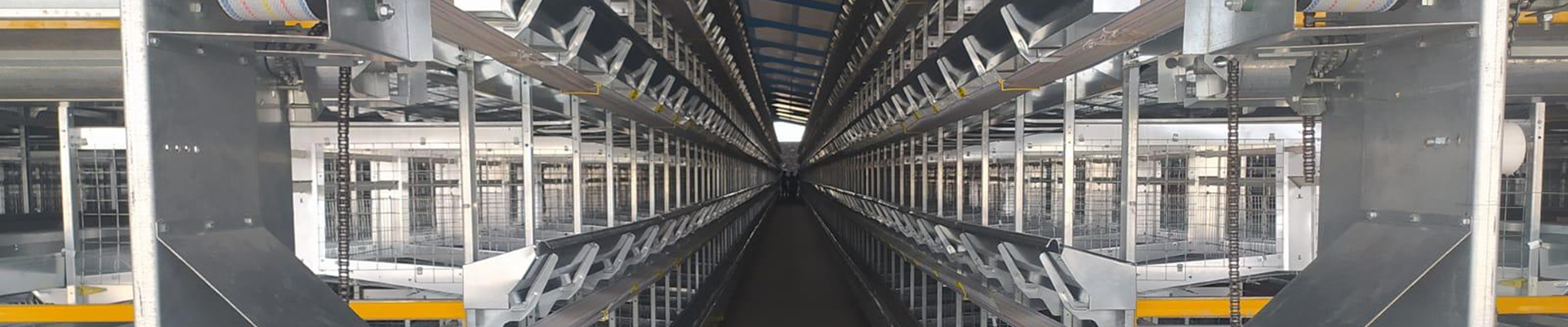
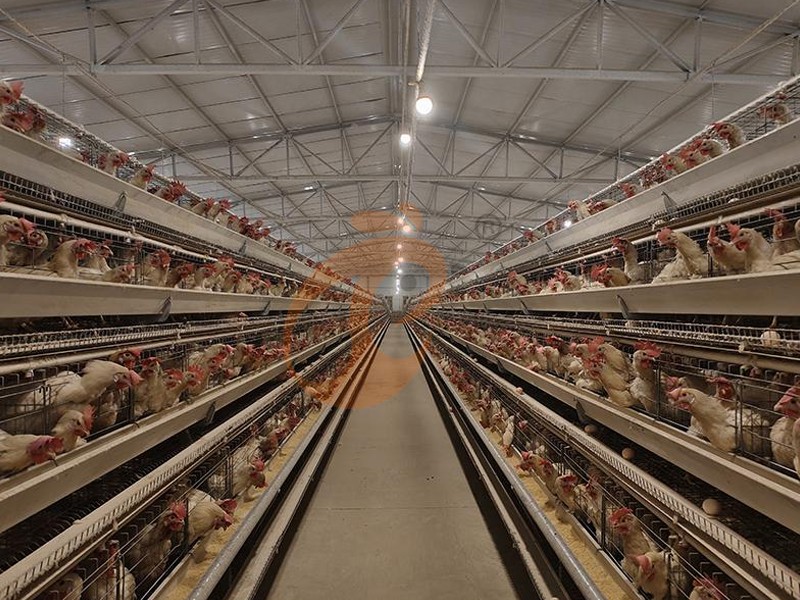
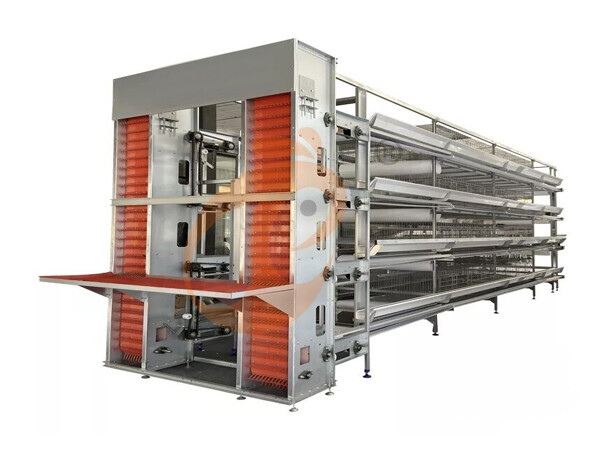
A-type cages are commonly selected for small and medium layer farms, while H-type cages provide more vertical installation possibilities for larger automated projects.
A-Type Layer Cage Specifications
H-Type Layer Cage Specifications
Intermediate H-type configurations are engineering estimates based on the supplied cage capacity progression.
Final cage height and frame dimensions must be confirmed against the manufacturer's structural drawings.
A-type cages suit budget-conscious farms, while H-type systems offer more vertical capacity and centralized automation.
Both configurations require appropriate stocking density and compliance with local animal-welfare regulations.
A cage engineering specification may use 2.6–3.2 mm galvanized wire, 450–520 mm feeding frontage per cage section, and 8–12 birds per drinking nipple depending on the selected equipment and management requirements.
3.2 Automatic Feeding, Drinking And Manure Removal Costs
Automatic chain or pan feeding distributes feed consistently.
Nipple drinkers with pressure regulators reduce water wastage, while manure belts remove waste regularly and improve house hygiene.
The actual equipment rating should be calculated using 3 operating shifts, 2 daily inspection periods, and the expected maximum feed delivery volume rather than bird count alone.
3.3 Egg Collection And Sorting Equipment Costs
Layer farms can integrate longitudinal egg belts, cross conveyors, elevators, and automatic grading machines.
Small farms may use manual collection, whereas large facilities benefit from centralized packing lines.
A medium commercial installation could specify a 15,000–20,000 eggs/hour grading machine, 4 collection conveyor branches, and 1 automated packaging station.
Egg handling should minimize transfer points and excessive conveyor bends.
3.4 Ventilation And Climate Control Equipment Costs
Tunnel ventilation, exhaust fans, cooling pads, and temperature sensors maintain suitable indoor conditions.
Fan capacity must be calculated according to bird weight, house dimensions, climate, and required air exchange.
For preliminary design, consider 1.5–2.0 m/s air velocity in relevant bird-level zones, 60–70% relative humidity as a general environmental management target, and temperature sensor intervals of approximately 20–30 meters.
Actual settings depend on age and climate.
3.5 Intelligent Control And AI Monitoring Costs
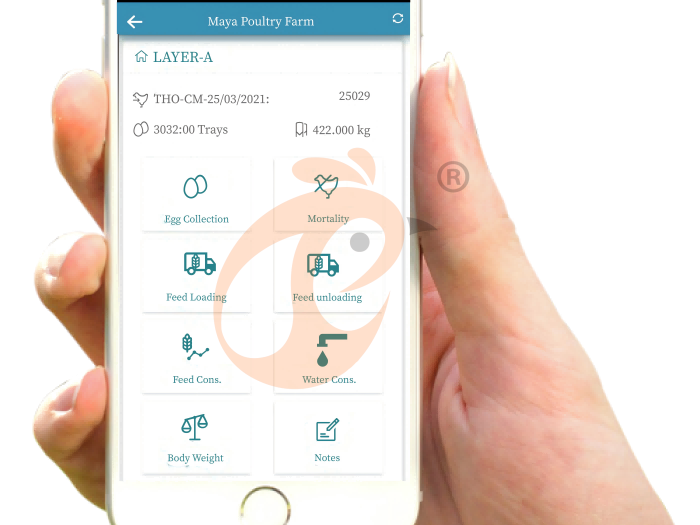
Smart controllers monitor temperature, humidity, water consumption, feed delivery, and equipment alarms.
AI-based monitoring can additionally identify unusual flock behavior, production changes, and potential equipment failures.
A practical monitoring package may include 12 temperature sensors, 4 humidity sensors, 6 water meters, and 8 equipment alarm channels for a multi-zone installation.
Data logging every 5–15 minutes supports performance analysis and early fault detection.
4. What Factors Affect Automatic Poultry Farm Setup Costs?
4.1 Bird Capacity And Poultry Type
Layers require nesting or cage arrangements, egg collection, and grading equipment.
Broilers need floor-level feeding, drinking, litter management, and temperature control.
Breeder farms require additional nest boxes, mating management, and egg-handling facilities.
Cage farming remains attractive for automated egg handling, while floor and aviary systems provide greater freedom of movement.
Free-range production additionally requires outdoor land, predator protection, and controlled access management.
For example, a floor-rearing house may use 3 feeding circuits, 5 drinking lines, and 2 litter-management zones.
A free-range project needs additional outdoor access points and weather-resistant fencing.
4.2 Open House Vs. Closed House Design
An open house may use 2 curtain-operated sidewalls, 4 circulation fans, and natural cross-ventilation.
A closed house may instead require 8–12 exhaust fans, adjustable air inlets, and an integrated cooling system.
Selecting a suitable poultry farming solution requires evaluating local climate, construction conditions, operational efficiency, and long-term investment objectives. Learn more about professional poultry farming solutions at Taiyu Group (HK) Poultry Farm Equipment.
Need help planning your poultry farm project? Get professional construction guidance, customized solutions, and updated quotations. WhatsApp to +8618830120193.
4.3 Automation Level And Equipment Specifications
Manual, semi-automatic, and fully automatic systems have different investment requirements.
Stainless steel components, corrosion-resistant coatings, motor specifications, and controller quality influence equipment lifespan.
A semi-automatic project might use 2 mechanical feed delivery circuits, 1 manual egg collection section, and 3 independent drinking lines.
A fully automatic installation can connect feeding, egg transportation, manure removal, and ventilation through a programmable control system.
4.4 Project Location, Shipping And Import Duties
Remote locations, international freight, customs duties, and local certification requirements can increase project costs.
Buyers should confirm voltage, frequency, equipment standards, and spare-parts availability before ordering.
A shipment containing 4 equipment containers, 2 separate installation batches, and 1 complete spare-parts package requires coordinated customs and unloading arrangements.
Import tax calculations should be confirmed with local customs agents.
4.5 Local Construction And Labor Costs
Concrete, steel, insulation, skilled technicians, and electricity prices vary considerably between regions.
Local construction quotations should therefore be obtained before final equipment purchasing.
A construction contract should distinguish 3 separate cost categories civil works, mechanical installation, and electrical engineering.
Separate acceptance milestones also help prevent unexpected project expenses.
5. How Can You Optimize Your Poultry Farm Investment?
5.1 Match Equipment Capacity To Farm Requirements
Choose cage dimensions, feeding-line length, and manure-belt capacity according to actual bird numbers.
Avoid purchasing oversized systems that increase initial investment without improving production.
For a 30,000-layer operation, a suitable H-type design could use 3 rows, 188 sets, and an actual capacity of 30,080 birds.
Modular equipment makes future expansion easier.
5.2 Compare Equipment Quality And Service Life
Evaluate galvanized steel thickness, motor efficiency, belt material, corrosion resistance, warranty coverage, and spare-parts availability.
Lower purchase prices do not always mean lower lifetime costs.
Compare 3 supplier quotations using 5 measurable criteria steel grade, coating thickness, motor efficiency, component warranty, and replacement-part availability. Request technical drawings before signing the purchase agreement.
5.3 Plan Farm Infrastructure Before Purchasing Equipment
Finalize house dimensions, foundation positions, drainage, electrical connections, and feed-silo locations before manufacturing equipment.
Coordinated engineering reduces installation modifications.
A construction drawing should identify 100% of equipment foundation points, 2 emergency access routes, and dedicated utility connections.
Accurate positioning prevents costly cutting, welding, and cable relocation.
5.4 Reserve A Budget For Maintenance And Future Expansion
Keep approximately 5–10% of equipment investment available for initial maintenance and unexpected replacements.
Design feed storage, electrical capacity, and site access with future expansion in mind.
A practical reserve plan can allocate 3% for spare components, 2% for unexpected mechanical repairs, and 5% for future capacity upgrades.
Financial reserves should remain separate from daily feed purchasing funds.
6. How Do You Evaluate The Long-Term Cost Of An Automated Poultry Farm?
6.1 Labor, Electricity And Water Consumption
Water and feed requirements vary with age, breed, temperature, and production stage.
Broiler consumption should be calculated using growth targets rather than layer assumptions.
For a large layer farm, daily consumption can reach 4,200–4,800 kg of feed and approximately 8–12 cubic meters of drinking water.
Water meters installed at individual house entrances help identify abnormal consumption.
6.2 Equipment Maintenance And Spare Parts
Regularly inspect motors, bearings, belts, drinker nipples, fans, sensors, and electrical connections.
Preventive maintenance minimizes unexpected downtime and protects flock performance.
Create a maintenance calendar covering 7-day belt inspections, 30-day motor checks, and 90-day electrical connection reviews.
Keep critical replacement motors and conveyor bearings available on-site.
Long-term poultry farm profitability depends on effective management, reliable project planning, and continuous operational improvements.
Discover more about poultry farming solutions through Taiyu Group (HK) Poultry Farm Equipment.
Get professional poultry farm construction guidance, project consultation, and the latest price lists for your investment plans. WhatsApp to +8618830120193.
6.3 Feed Efficiency And Production Management
Feed represents a major recurring expense.
Accurate weighing, uniform distribution, water monitoring, and daily production records help identify wastage and improve feed conversion efficiency.
A professional management dashboard should track 4 key indicators daily feed consumption, mortality percentage, egg production rate, and average egg weight. Weekly comparisons reveal changes that may otherwise remain unnoticed.
6.4 Return On Investment And Payback Period
Calculate annual operating profit after deducting feed, labor, electricity, veterinary expenses, packaging, transportation, and depreciation.
Divide the initial investment by annual net cash flow to estimate the simple payback period.
For example, a project with $250,000 initial investment and $75,000 annual net cash flow has an estimated simple payback period of 3.33 years.
Sensitivity analysis should test at least 3 scenarios involving feed prices, selling prices, and production performance.
7. How Can You Get An Accurate Automatic Poultry Farm Quotation?
7.1 Confirm Farm Capacity And Production Goals
Specify the number of layers, broilers, or breeders, together with expected daily egg production or target market weight.
A complete project brief should identify 3 production indicators: target live bird inventory, annual flock turnover, and expected market output.
These figures help suppliers calculate equipment throughput.
7.2 Provide Poultry House Dimensions And Project Location
Share house width, length, height, climate conditions, local electricity specifications, and installation location.
Include 4 engineering details building orientation, roof construction, local wind conditions, and available water pressure.
Accurate drawings reduce layout changes during manufacturing.
7.3 Select Equipment Systems And Automation Requirements
Confirm cage type, feeding method, drinking system, manure removal, egg collection, ventilation, cooling, and intelligent control requirements.
The technical selection should identify 5 system groups: bird housing, feeding, drinking, waste handling, and environmental management.
Layer projects additionally require egg transportation and grading arrangements.
7.4 Review The Equipment List And Project Cost Breakdown
Request detailed equipment quantities, technical specifications, unit prices, freight, installation, warranty, and commissioning costs.
Compare complete project scopes rather than equipment prices alone.
A professional quotation should contain 4 financial sections equipment supply, transportation, installation, and commissioning.
Payment milestones, delivery schedules, and warranty conditions should also be documented.
8. Get A Customized Automatic Poultry Farm Cost Estimate
Every commercial poultry project needs a configuration based on production targets, local conditions, and available capital.
Target bird capacity 1,000–100,000+ birds.
Layers or broilers egg production or meat production.
Poultry house dimensions width, length, height, and number of houses.
Cage type and automation level A-type, H-type, or alternative housing.
Project location country, climate, electricity, and shipping requirements.
Taiyu (HK) Group - One Of China's Toppest Poultry Farm Equipment Manufacturer
1. Global Service Network
Headquartered in Hong Kong, with branches and factories in China, Vietnam, Thailand, Nigeria, Kenya, Ethiopia, and Tanzania, providing more localized project and after-sales support.
2. International Quality Standards
Strict quality control and double inspections.
Certifications and export documents include CE, SGS, ISO 9001, CCVO, PVOC, SONCAP, COC, ECTN, FORM F, and more.
3. One-To-One Vip Service
Dedicated account managers provide customized farm designs, equipment configurations, and quotations for projects ranging from 500 to 100,000+ birds per house.
4. Lifetime After-Sales Service
Installation guidance, equipment commissioning, operator training, remote technical support, spare parts supply, and ongoing maintenance.
Contact Us To Received Your Customized Poultry Farm Plan
Headquarters And Branchs

Hong Kong Headquarter Management Team
Hong Kong Headquarter Taiyu Industrial Group CO., LTD
China Hebei Best Machinery And Equipment CO., LTD
Nigeria Vanke Machinery And Equipment CO., LTD
Tanzania Best Machinery And Equipment CO., LTD
Ethiopia Best Hebei Machinery Manufacturing PLC




Reception /24 WhatsApp NO. : +8618830120193
PRODUCTS RECOMMENDED
 China Branch Manufacture Poultry Farm EquipmentRead More
 Ethiopia Branch Manufacture Poultry Farm EquipmentRead More
 Nigeria Branch Manufacture Poultry Farm EquipmentRead More
 Tanzania Branch Manufacture Poultry Farm EquipmentRead More
 IoT Smart Poultry FarmRead More
 >30,000 Layers Automatic H Type Battery CageRead More
 10,000 - 30,000 Layers Automatic A Type Battery CageRead More
MESSAGE
NEWS
 50,000 - 100,000 chickens/house: poultry farm solution, chicken cage, poultry farm equipment, AI smart managementRead More
 30,000 - 50,000 chickens/house: poultry farm solution, chicken cage, poultry farm equipment, AI smart managementRead More
 10,000 - 30,000 chickens/house: poultry farm solution, chicken cage, poultry farm equipment, AI smart managementRead More
 100 - 10,000 chickens/house: poultry farm solution, chicken cage, poultry farm equipment, AI smart managementRead More