

BLOG
Cost-effective feed mixers optimize livestock nutrition balance improving farm efficiency reducing waste increasing productivity across modern agricultural operations worldwide systems.
Livestock nutrition science explains uniform mixing importance for growth performance feed conversion and herd health optimization in farming systems globally.
Modern feed preparation requires efficient machinery blending grains proteins minerals vitamins ensuring consistent nutrient distribution for animals production system efficiency.
Farm profitability depends feed uniformity labor reduction equipment selection cost control and long term operational sustainability planning strategic management approach.
Technological advancement enables automated mixing systems improving productivity reducing feed waste and supporting scalable livestock production models industry growth trends.
Get professional poultry farm construction guidance, equipment selection solutions, and the latest price lists, whatsApp to +8618830120193, click to learn more.
What Is A Feed Mixer
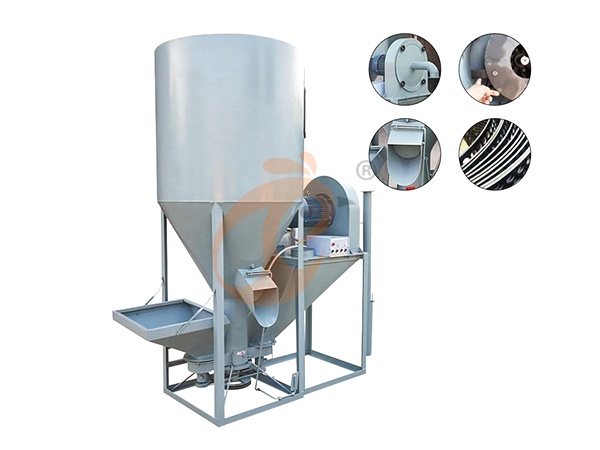
A feed mixer is mechanical equipment designed blending multiple raw materials into uniform livestock feed batches through controlled motion systems.
Core engineering includes augers paddles rotating drums ensuring ingredient homogeneity for improved animal nutrition consistency and feeding performance outcomes.
Data is for reference only.Swipe horizontally to view full table.
Why Mixing Quality Matters
Mixing quality directly influences nutrient distribution efficiency affecting animal health growth rate and feed utilization effectiveness across farms.
Uneven mixing causes selective feeding behavior leading to nutrient deficiency and reduced productivity in livestock production environments.
Data is for reference only.Swipe horizontally to view full table.
Main Types Of Feed Mixers
Two dominant categories exist including vertical systems and horizontal systems widely used in commercial and small scale farms.
Horizontal models often used in large operations including farm feed mixer machine setups requiring higher throughput and precision blending.
Data is for reference only.Swipe horizontally to view full table.
Cost Overview Of Feed Mixing Systems
Investment ranges vary significantly depending on capacity automation level and structural design requirements across agricultural equipment markets globally.
European union standard reference only.
Data is for reference only.Swipe horizontally to view full table.
industrial feed mixing machine price
Economic Benefits Analysis
Cost efficiency improves when feed waste decreases and productivity increases through automated blending processes in livestock operations.
Labor reduction combined with livestock feed mixing equipment improves operational efficiency and long term farm profitability significantly.
Data is for reference only.Swipe horizontally to view full table.
Scientific Insight Into Feed Mixing
Uniform distribution of nutrients ensures balanced intake of proteins vitamins and minerals supporting metabolic efficiency in livestock systems.
Proper mixing reduces nutrient segregation improving digestion absorption efficiency and overall herd performance stability across production cycles.
Data is for reference only.Swipe horizontally to view full table.
Operational Efficiency Improvements
Automation reduces manual workload increasing speed of feed preparation while maintaining consistent quality output across production cycles.
Modern systems significantly reduce time compared with traditional mixing methods improving daily farm productivity and resource allocation efficiency.
Data is for reference only.Swipe horizontally to view full table.
Cost Effective Procurement Strategies
Selecting appropriate capacity reduces unnecessary investment while ensuring operational efficiency matches herd size requirements effectively.
Medium-scale livestock farms handling around 80–120 dairy cattle typically achieve optimal performance with mid-range batching systems, avoiding underload energy waste and oversizing capital pressure.
Proper planning should evaluate daily feed turnover cycles and moisture ratio compatibility to stabilize mixing consistency and reduce batch variation.
Market evaluation of agricultural feed mixer price helps farmers optimize procurement decisions based on budget and production scale.
Equipment lifecycle cost including energy consumption and wear-part replacement rate should be prioritized over initial purchase value to ensure long-term profitability and stable cash flow.
Advantages And Limitations
Feed mixing systems improve productivity while reducing waste and ensuring consistent nutritional delivery across livestock operations.
Improved feed uniformity can reduce selective feeding behavior and support more stable weight gain performance across production cycles.
However initial investment cost and maintenance requirements may limit adoption in very small scale farming environments.
Entry-level systems may require periodic servicing of transmission components, and downtime risk increases when technical support is limited in remote agricultural areas.
Frequently Asked Questions
Q1: What size feed mixer is suitable for small farms?
A1: Small farms typically require 100–500 kg batch capacity systems ensuring balanced output without excessive energy consumption or investment burden.
Q2: How does mixing improve livestock growth performance?
A2: Uniform mixing ensures equal nutrient distribution preventing deficiency and improving feed conversion efficiency across cattle poultry and swine systems.
Q3: What is average lifespan of a feed mixer machine?
A3: Properly maintained systems operate efficiently for 8–12 years depending on usage intensity and maintenance scheduling quality.
Taiyu (HK) Group - One Of China Largest Feed Mixer Manufacturer
Feed mixer systems applied in livestock farms feed processing lines and integrated agricultural production environments with controlled automation design.
Global factory direct supply enables scalable production supporting poultry equipment integration and industrial livestock project deployment.
Turn-key engineering solutions include design manufacturing installation and commissioning for complete feed production system projects.
Standardized components ensure mechanical reliability and long term operational stability across diverse international agricultural markets.
Export oriented supply chain supports bulk procurement and customized engineering configurations for global farming enterprises.
Contact Us To Received Your Customized Poultry Farm Plan
Headquarters And Branchs
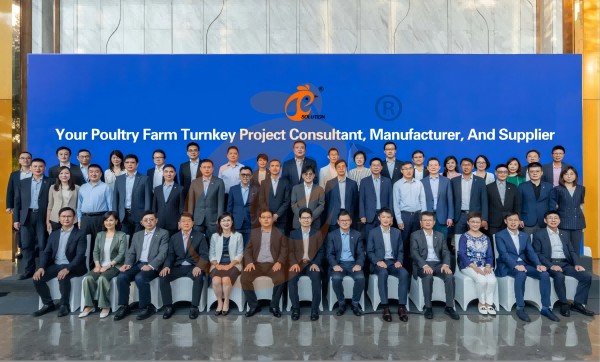
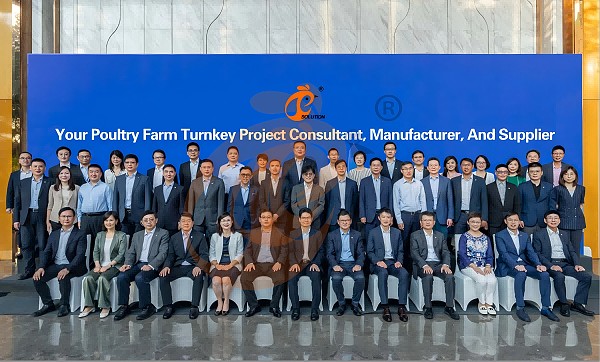
Hong Kong Headquarter Management Team
Hong Kong Headquarter Taiyu Industrial Group CO., LTD
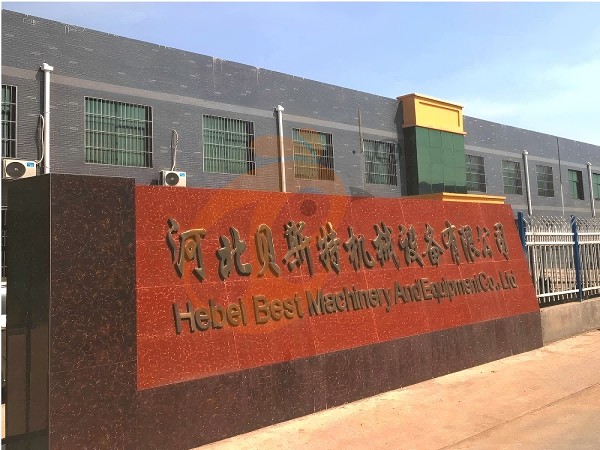
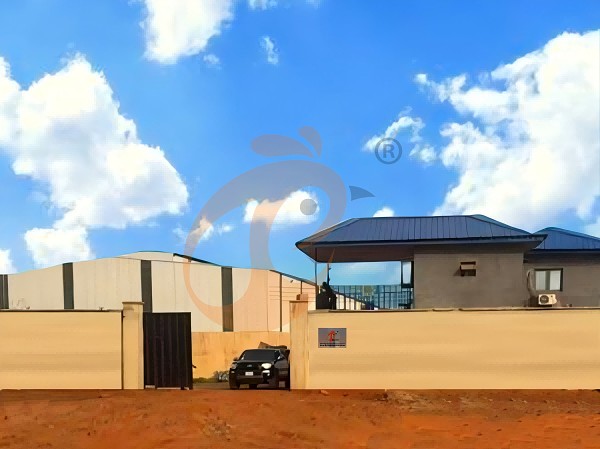
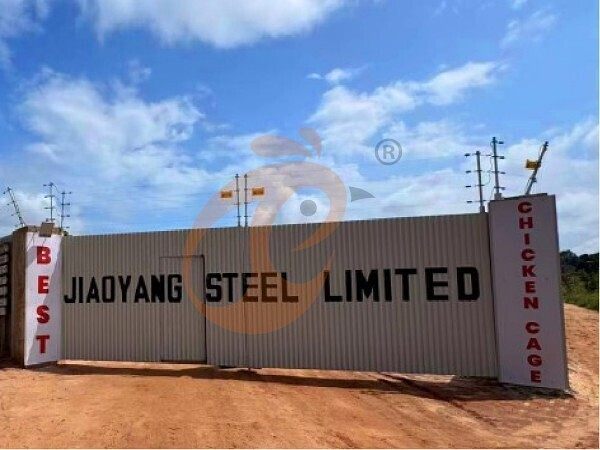
China Hebei Best Machinery And Equipment CO., LTD
Nigeria Vanke Machinery And Equipment CO., LTD
Tanzania Best Machinery And Equipment CO., LTD
Ethiopia Best Hebei Machinery Manufacturing PLC

Reception /24 WhatsApp NO. : +8618830120193
PRODUCTS RECOMMENDED
 China Branch Manufacture Poultry Farm EquipmentRead More
 Ethiopia Branch Manufacture Poultry Farm EquipmentRead More
 Nigeria Branch Manufacture Poultry Farm EquipmentRead More
 Tanzania Branch Manufacture Poultry Farm EquipmentRead More
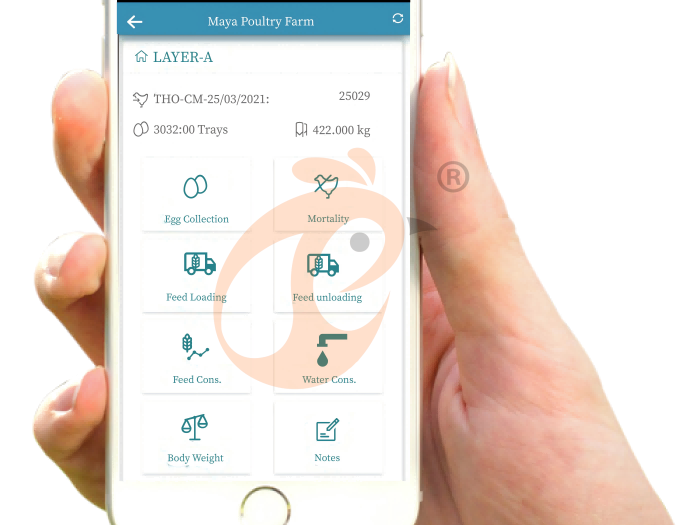
 IoT Smart Poultry FarmRead More
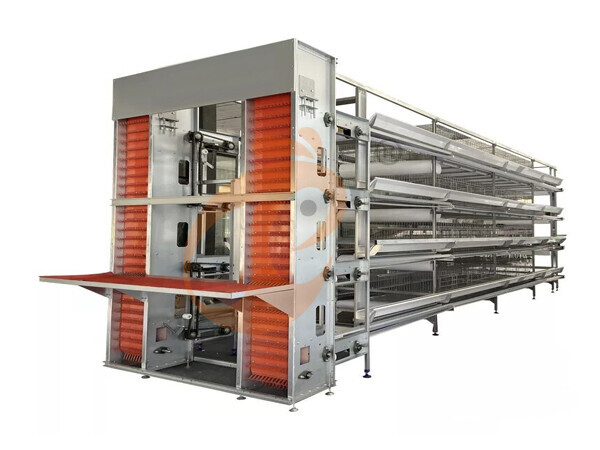
 >30,000 Layers Automatic H Type Battery CageRead More
 10,000 - 30,000 Layers Automatic A Type Battery CageRead More
MESSAGE