

BLOG
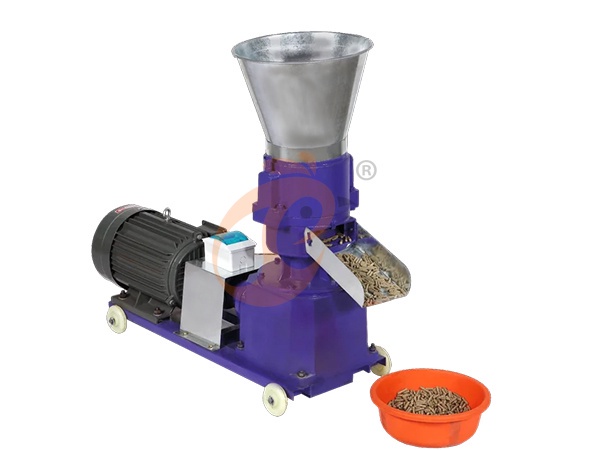
Pellet machine converts biomass, feedstock, or recycled material into dense pellets through compression, heat, and friction under controlled mechanical load conditions.
System stability depends on feed consistency, die compression ratio typically ranging from 1:4 to 1:6, and thermal softening zone above 85°c for lignin activation.
Troubleshooting pellet machine problems requires isolating deviations in torque response, feed density fluctuation, and chamber pressure imbalance.
Moisture deviation beyond 2.5% from target range significantly increases slip rate inside the die channel.
Pellet mill troubleshooting focuses on eliminating mechanical-electrical-material coupling failures rather than replacing isolated components.
Get professional poultry farm construction guidance, equipment selection solutions, and the latest price lists, whatsApp to +8618830120193, click to learn more.
Check Raw Material Condition
Material rheology determines compression efficiency and final pellet structural integrity.
Particle morphology, moisture diffusion rate, and bulk flow behavior must be evaluated before mechanical inspection.
Wood pellet machine issues frequently originate from inconsistent preprocessing rather than die wear.
Data is for reference only. Swipe horizontally to view full table.
Moisture above 13% reduces frictional heat generation stability inside the compression chamber.
Fiber irregularity above 4.5 mm typically increases die inlet clog probability by 18–22% in continuous operation.
This stage is critical for pellet machine repair because upstream instability propagates downstream as mechanical overload.
Inspect Feeding System Stability
Feed regulation governs pressure equilibrium inside the compression chamber.
Any deviation in screw advance consistency directly impacts pellet density uniformity and extrusion continuity.
Pellet mill troubleshooting at this stage focuses on flow stabilization rather than mechanical replacement.
Data is for reference only. Swipe horizontally to view full table.
Feed instability above 0.8 mm vibration amplitude typically induces 9–14% density variance in pellet output.
Torque ripple exceeding 15 nm fluctuation range indicates early-stage mechanical overload propagation.
In pellet machine troubleshooting workflows, this subsystem is the first indicator of downstream die stress accumulation.
Diagnose Compression Chamber
Compression chamber performance defines pellet integrity, density index, and surface smoothness.
Die wear progression is usually nonlinear and accelerates under improper lubrication or high ash feedstock.
How to troubleshoot pellet machine efficiency heavily depends on detecting micro-deformation in this zone.
Data is for reference only. Swipe horizontally to view full table.
When friction coefficient exceeds 0.45, pellet formation energy consumption increases approximately 11–16% per ton output.
Die hole deformation above 0.15 mm tolerance deviation leads to unstable extrusion velocity and micro-cracking.
This stage represents the core failure point in most pellet mill troubleshooting cases.
Evaluate Electrical And Motor System
Electrical behavior reflects mechanical load conditions more than independent circuit failure.
Voltage fluctuation tolerance beyond ±6% often correlates with compression chamber overload rather than supply instability.
Pellet machine troubleshooting requires distinguishing electrical symptoms from mechanical root causes.
Data is for reference only. Swipe horizontally to view full table.
Current surge above 50 a sustained for more than 90 seconds indicates mechanical jam risk inside the die chamber.
Power factor below 0.8 reduces motor efficiency by approximately 12–18% under continuous load conditions.
Electrical diagnostics alone are insufficient without correlating mechanical resistance values.
Check Lubrication And Bearing System
Lubrication directly affects friction coefficient stability and torque transmission efficiency.
Bearing degradation typically progresses through micro-pitting before thermal runaway becomes visible.
Pellet mill troubleshooting often identifies this stage too late in continuous production lines.
Data is for reference only. Swipe horizontally to view full table.
Temperature rise above 90°c accelerates lubricant degradation rate by nearly 2.3× under industrial load conditions.
Shaft oscillation above 40 μm typically indicates irreversible bearing race wear initiation.
This subsystem is a key determinant in pellet machine repair lifecycle cost control.
Scientific Background: Why Pellet Machines Fail
Pellet densification depends on thermoplastic transition of lignin under controlled pressure and heat transfer.
Compression efficiency is governed by energy conversion from rotational torque into radial die pressure.
Pellet machine troubleshooting must consider thermomechanical coupling rather than isolated mechanical faults.
Particle geometry affects void ratio inside compression channels, influencing final density gradient distribution.
Non-uniform feedstock increases stress concentration points inside die holes, accelerating fatigue propagation.
Energy loss due to frictional heat dissipation reduces effective compression ratio even under constant motor load.
Electrical-mechanical interaction further complicates system stability under continuous operation cycles.
Motor inefficiency often masks itself as material-related failure in pellet mill troubleshooting analysis.
Common Symptom One: No Pellet Output
No output condition typically indicates full system blockage or torque cutoff protection activation.
Feed continuity should be verified before mechanical disassembly to avoid secondary damage.
Pellet machine troubleshooting at this stage prioritizes flow restoration over component replacement.
Data is for reference only. Swipe horizontally to view full table.
Forcing feed during blockage increases die stress by up to 30–40% within short cycles.
Thermal buildup inside chamber often remains undetected until complete extrusion failure occurs.
Common Symptom Two: Powdery Or Cracked Pellets
This failure mode indicates insufficient plastic deformation during compression phase.
Energy transfer from roller to die surface is below required bonding threshold.
Pellet mill troubleshooting here focuses on restoring compression stability.
Die temperature below 80°c reduces lignin binding efficiency significantly.
Excess particle heterogeneity increases void formation inside pellet structure.
Worn roller surface texture reduces effective frictional bonding area.
Unstable feed pressure leads to incomplete densification across extrusion cycles.
Common Symptom Three: Overheating System
Overheating reflects energy imbalance between input load and mechanical resistance.
Thermal accumulation occurs when frictional losses exceed cooling dissipation capacity.
Pellet machine troubleshooting requires identifying whether overload originates from mechanical or electrical side.
Data is for reference only. Swipe horizontally to view full table.
Sustained operation above 95°c reduces motor insulation lifespan by approximately 25–35%.
Cooling inefficiency often indicates secondary blockage in airflow channels rather than fan failure.
Preventive Maintenance Strategy
Preventive maintenance stabilizes long-term compression efficiency and reduces unexpected downtime probability.
Systematic inspection reduces cumulative wear rate across mechanical interfaces.
Pellet machine repair cost is significantly reduced when early-stage degradation is detected.
Data is for reference only. Swipe horizontally to view full table.
Maintenance delay beyond 10% of scheduled interval increases failure probability nonlinearly in continuous systems.
Conclusion: Structured Troubleshooting Approach
Systematic diagnosis reduces unnecessary component replacement and shortens downtime cycles.
Each subsystem must be evaluated in sequence from material input to mechanical output.
Pellet mill troubleshooting efficiency depends on identifying coupled failure chains rather than isolated faults.
The structured workflow remains consistent across all operating conditions.
Material verification first.
Feed stabilization second.
Compression diagnosis third.
Electrical evaluation fourth.
Lubrication integrity last.
Consistent application improves operational stability and extends equipment lifecycle performance.
Frequently Asked Questions
Q1: How do fix a pellet machine that stops feeding?
A1: Check feed bridging, torque limitation, and screw synchronization before mechanical disassembly.
Verify whether resistance increase originates from material compaction or feeder misalignment.
Q2: Why do pellets come out soft or crumbly?
A2: Insufficient compression temperature and uneven particle distribution are primary causes.
Roller wear and unstable die pressure further reduce bonding strength.
Q3: What is the fastest way to reduce overheating?
A3: Remove airflow restriction, verify lubrication viscosity, and reduce mechanical load immediately.
Persistent overheating requires inspection of bearing alignment and compression resistance.
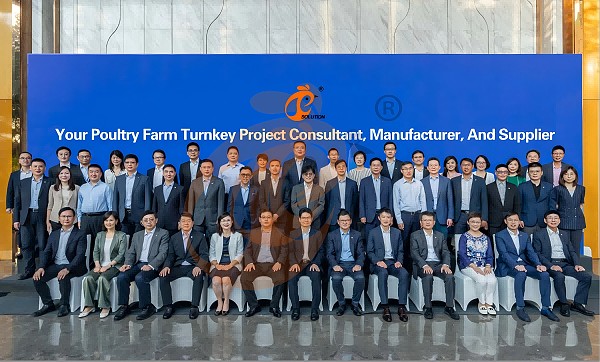
Taiyu (HK) Group - One Of China Biggest Compression System Exporter
Pellet machine systems with industrial-grade compression control and stable torque output architecture for continuous production lines
Global factory direct supply supports integrated poultry farm equipment systems including poultry cage production lines with standardized structural design
Turn-key engineering covers installation, commissioning, training, and parameter calibration for complete automated production facilities
Core system parameters include 6 mm die configuration, 72 mpa compression pressure, 388 v input voltage, and 46 a operating current under European union reference standard only
Worldwide export coverage includes biomass processing systems, feed production lines, and automated engineering solutions for large-scale industrial applications
Contact Us To Received Your Customized Poultry Farm Plan
Headquarters And Branchs

Hong Kong Headquarter Management Team
Hong Kong Headquarter Taiyu Industrial Group CO., LTD
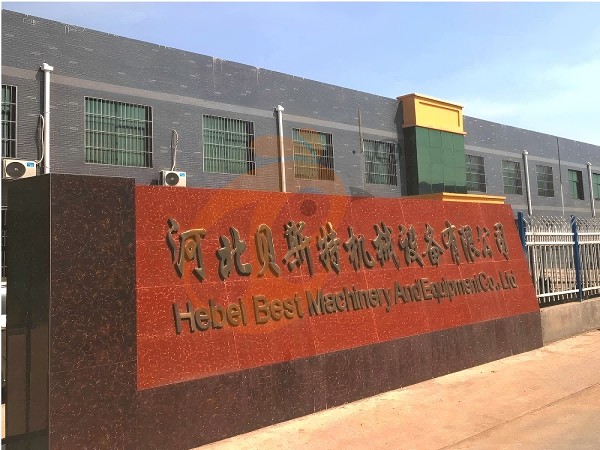
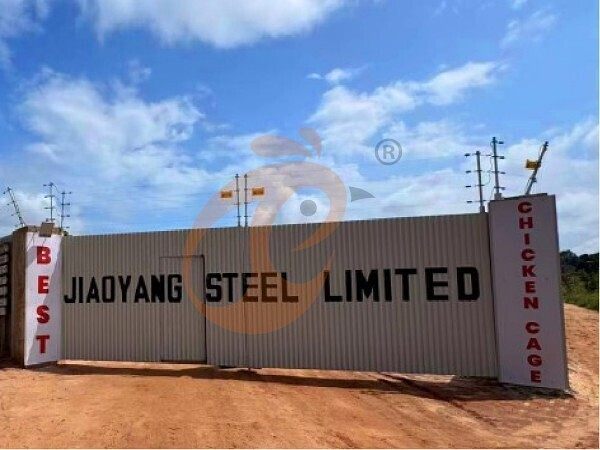
China Hebei Best Machinery And Equipment CO., LTD
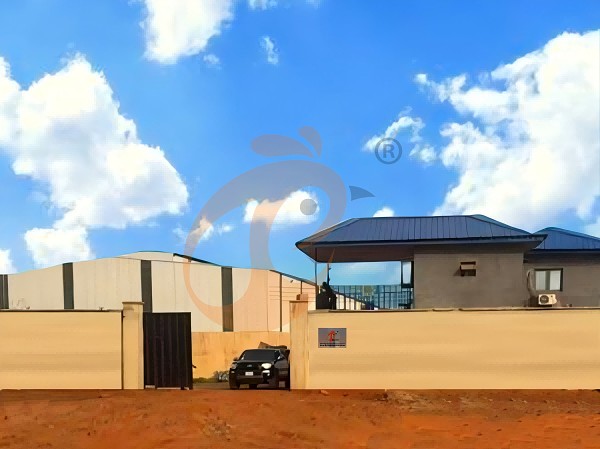
Nigeria Vanke Machinery And Equipment CO., LTD
Tanzania Best Machinery And Equipment CO., LTD
Ethiopia Best Hebei Machinery Manufacturing PLC

Reception /24 WhatsApp NO. : +8618830120193
PRODUCTS RECOMMENDED
 China Branch Manufacture Poultry Farm EquipmentRead More
 Ethiopia Branch Manufacture Poultry Farm EquipmentRead More
 Nigeria Branch Manufacture Poultry Farm EquipmentRead More
 Tanzania Branch Manufacture Poultry Farm EquipmentRead More
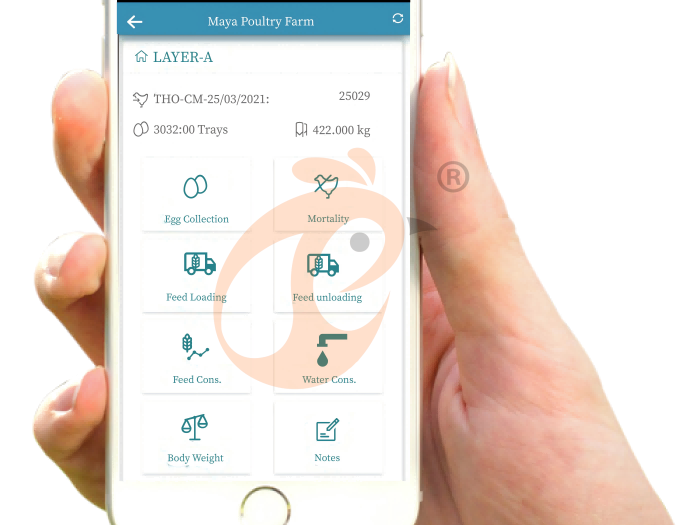
 IoT Smart Poultry FarmRead More
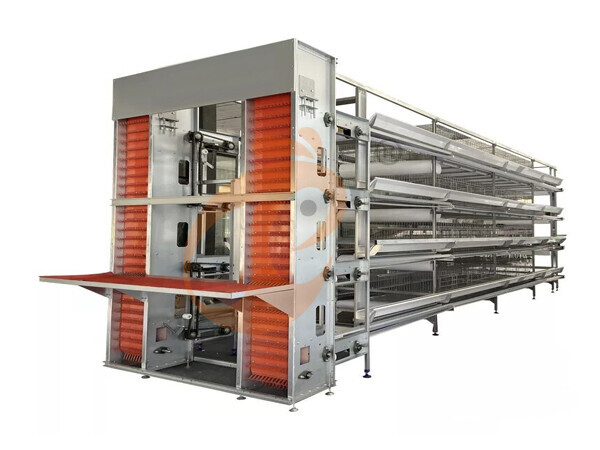
 >30,000 Layers Automatic H Type Battery CageRead More
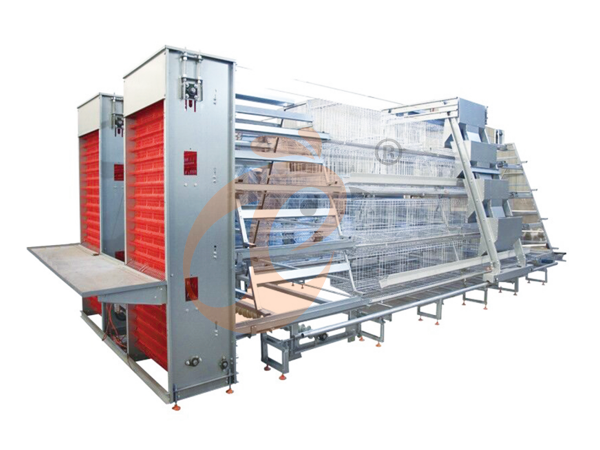
 10,000 - 30,000 Layers Automatic A Type Battery CageRead More
MESSAGE