

BLOG
Pralson feeder lifespan optimization focuses mechanical reliability, maintenance scheduling, industrial efficiency improvement, ensuring stable long term automated material handling performance across continuous production environments
Engineering analysis covers wear resistance mechanisms, vibration control strategies, lubrication system design, structural fatigue reduction, extending equipment durability under heavy duty operating conditions
Operational management emphasizes cleaning procedures, parameter regulation, load balancing, minimizing abrasive particle impact and improving feeding consistency in industrial processing systems
Diagnostic methodology integrates inspection metrics, predictive maintenance planning, electrical stability monitoring, reducing unexpected downtime and improving overall system efficiency
- Material science approach evaluates alloy selection, coating performance, corrosion resistance, thermal stability, supporting extended service life in demanding industrial applications
Get professional poultry farm construction guidance, equipment selection solutions, and the latest price lists, whatsApp to +8618830120193, click to learn more.
Functional Role Of Pralson Feeder Systems
A Pralson feeder is commonly used in automated material handling lines for controlled dosing of granular, powdered, or pelletized materials.
Its operational lifespan depends on mechanical load distribution, friction control, environmental exposure, and maintenance precision.
Most failures occur due to predictable degradation patterns such as abrasive wear, vibration fatigue, lubrication breakdown, and electrical instability.
Extending lifespan is therefore a matter of controlling measurable engineering variables rather than relying on reactive repairs.
Integration of industrial dosing feeder maintenance strategies ensures stable performance across long duty cycles, while material handling feeder lifespan optimization reduces structural degradation under continuous load conditions.
Working Principle And Mechanical Science Background
The feeder operates through a regulated drive system that transfers torque to a metering mechanism.
Material flow is stabilized by geometric confinement and controlled rotational displacement.
Key mechanical principles involved
Frictional resistance between rotor and housing
Shear stress distribution in conveying chamber
Thermal expansion under continuous duty cycles
Contact fatigue at bearing interfaces
These factors interact continuously, meaning small deviations in alignment or lubrication consistency can propagate into long-term structural degradation.
Automated feeding system reliability depends strongly on maintaining these parameters within stable ranges.
Material Composition Optimization
Data is for reference only.Swipe horizontally to view full table.
Material upgrades reduce abrasive erosion rate and stabilize long-cycle performance under continuous industrial duty.
Routine Cleaning Strategy And Contamination Control
Contaminant accumulation increases friction coefficient and accelerates micro-pitting on contact surfaces.
Recommended cleaning protocol
- Dry purge using compressed air after each 12-hour cycle
- Internal chamber wipe-down using non-corrosive solvent every 96 operating hours
- Removal of polymerized dust layers every 240 hours
- Bearing zone isolation during wash-down procedures
Contamination control significantly reduces particulate-induced scoring inside metering channels.
Lubrication System Engineering
Data is for reference only.Swipe horizontally to view full table.
Correct lubricant matching reduces thermal shear stress and stabilizes torque transmission efficiency.
Environmental Stability And Installation Conditions
Environmental conditions strongly influence fatigue cycles and corrosion rates.
Key scientific factors
- Ambient humidity alters oxidation rate on exposed steel surfaces
- Dust concentration modifies abrasive wear coefficient
- Temperature gradients influence material expansion mismatch
- Foundation rigidity affects harmonic vibration propagation
A stable installation base reduces micro-displacement that leads to fastener loosening and structural fatigue.
Vibration And Dynamic Load Control
Data is for reference only.Swipe horizontally to view full table.
Vibration mitigation ensures reduced micro-crack formation at stress concentration points.
Wear Mechanism Science In Feeder Systems
Wear mechanisms include adhesive wear, abrasive wear, and fatigue wear.
Scientific breakdown
- Adhesive wear occurs under boundary lubrication failure
- Abrasive wear is driven by particulate intrusion
- Fatigue wear develops under cyclic stress loading
- Corrosive wear accelerates in humid chemical environments
Each mechanism accumulates differently, requiring layered protection strategies instead of single-point solutions.
Feeding Capacity Regulation Parameters
Data is for reference only.Swipe horizontally to view full table.
Balanced capacity settings prevent overload conditions that shorten bearing life.
Operational Optimization Procedures
Operational discipline plays a major role in extending service duration.
Key actions
- Maintain constant load distribution during operation cycles
- Avoid abrupt start-stop transitions under full load
- Synchronize feeder speed with upstream conveyor rate
- Monitor torque fluctuation using inline sensors
- Apply controlled ramp-up sequences during startup phases
These procedures reduce transient mechanical shock loading.
Electrical System Stability
Data is for reference only.Swipe horizontally to view full table.
Electrical stability reduces thermal cycling stress on winding insulation.
Spare Part Lifecycle And Maintenance Scheduling
Data is for reference only.Swipe horizontally to view full table.
Predictive replacement stabilizes long-term mechanical continuity.
Inspection And Diagnostic Metrics
Data is for reference only.Swipe horizontally to view full table.
Regular diagnostics ensure early-stage failure detection before catastrophic breakdown.
Conclusion And Frequently Asked Questions Section
Extending the lifespan of a pralson feeder requires coordinated control of mechanical, electrical, and environmental parameters.
Each subsystem contributes measurable stress factors that accumulate over time.
Through structured maintenance cycles, optimized material selection, vibration control, lubrication engineering, and predictive inspection systems, operational longevity can be significantly improved without structural redesign.
Frequently Asked Questions
Q1: How can pralson feeder lifespan be extended efficiently?
A1: Regular lubrication control, vibration reduction, and scheduled inspection cycles improve durability and reduce wear accumulation.
Q2: What maintenance method improves automated feeding system reliability?
A2: Predictive maintenance combined with contamination control and torque monitoring ensures stable long-term operation.
Q3: Which factor has the greatest impact on material handling feeder lifespan optimization?
A3: Vibration stability and lubrication consistency are the most influential factors in long-term structural performance.
Taiyu (HK) Group - One Of China Biggest Feeding System Manufacturer
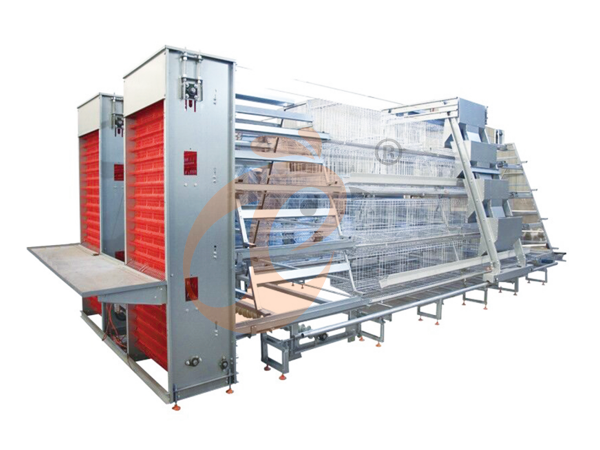
Pralson feeder system with standardized structural parameters 1850 kg per hour feed rate and 380 volt industrial configuration ensuring stable automated operation.
Production scope covers poultry cage integration and modular feeding line engineering for large-scale installations.
Turn-key engineering solutions support full system design, installation, and commissioning under automated feeding system reliability standards.
Global factory direct supply ensures consistent component sourcing and controlled manufacturing tolerance across batches.
Europpean union standard reference only applies to electrical safety and mechanical testing parameters within industrial deployment scenarios.
Contact Us To Received Your Customized Poultry Farm Plan
Headquarters And Branchs
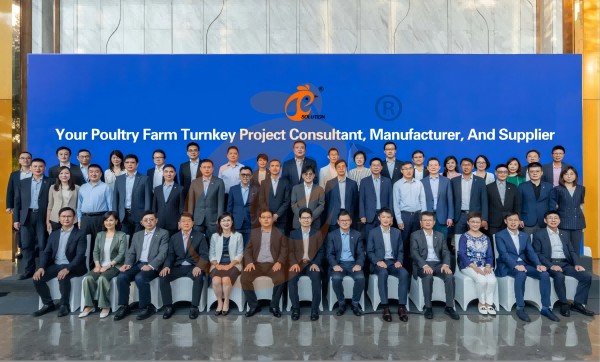
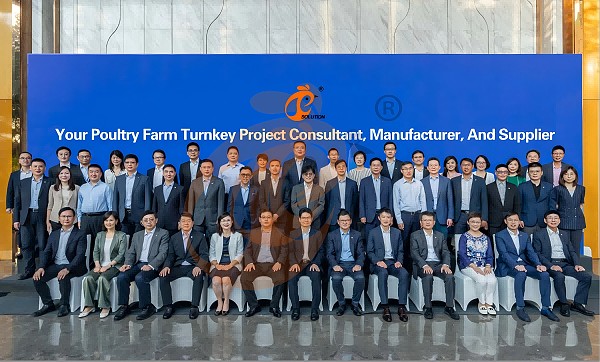
Hong Kong Headquarter Management Team
Hong Kong Headquarter Taiyu Industrial Group CO., LTD
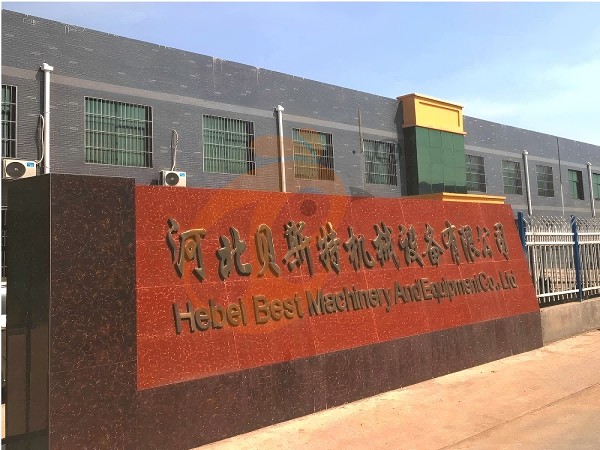
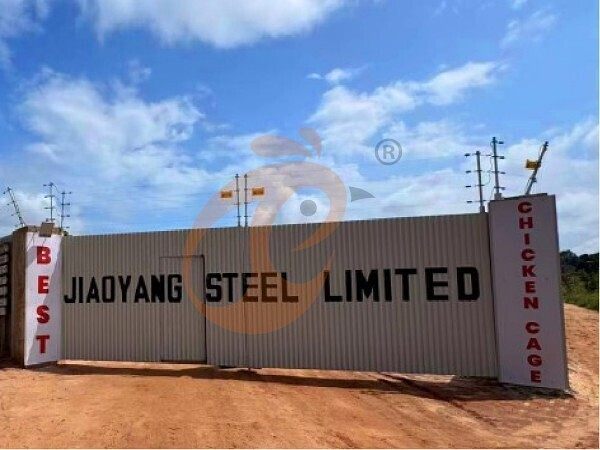
China Hebei Best Machinery And Equipment CO., LTD
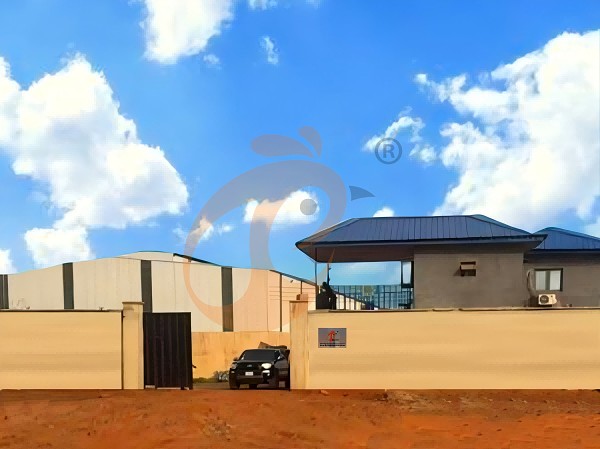
Nigeria Vanke Machinery And Equipment CO., LTD
Tanzania Best Machinery And Equipment CO., LTD
Ethiopia Best Hebei Machinery Manufacturing PLC

Reception /24 WhatsApp NO. : +8618830120193
PRODUCTS RECOMMENDED
 China Branch Manufacture Poultry Farm EquipmentRead More
 Ethiopia Branch Manufacture Poultry Farm EquipmentRead More
 Nigeria Branch Manufacture Poultry Farm EquipmentRead More
 Tanzania Branch Manufacture Poultry Farm EquipmentRead More
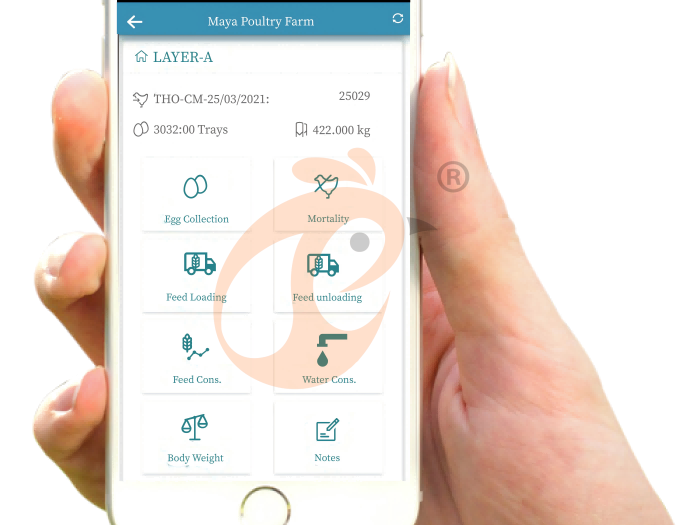
 IoT Smart Poultry FarmRead More
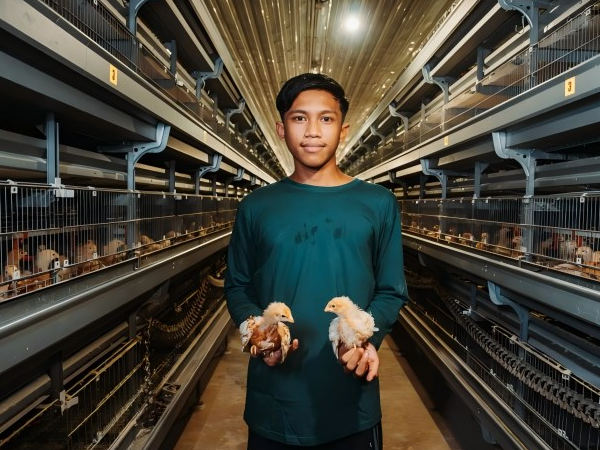
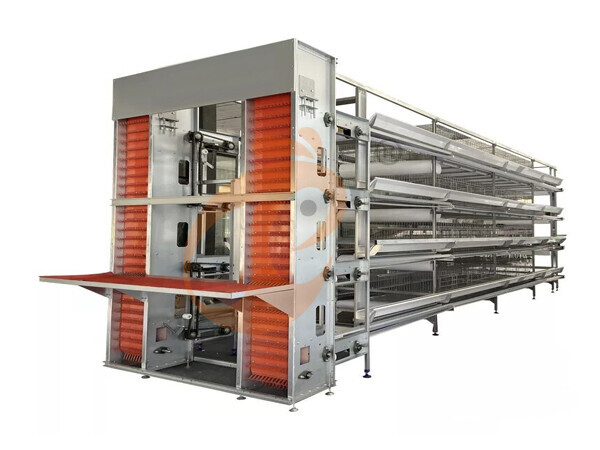
 >30,000 Layers Automatic H Type Battery CageRead More
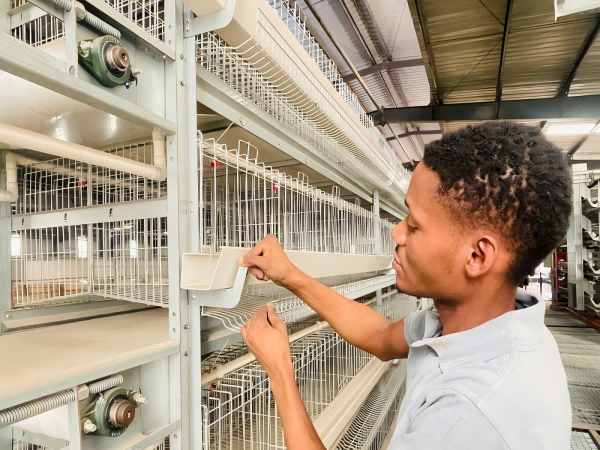
 10,000 - 30,000 Layers Automatic A Type Battery CageRead More
MESSAGE