

NEWS
Nipple drinker water line sanitation system improvement strategies define modern poultry hydration safety management.
Biofilm control, pipeline flushing, and disinfectant balance directly influence microbial stability inside closed drinking lines.
Water source consistency and mineral regulation determine long term nipple drinker performance efficiency in poultry houses.
Systematic sanitation cycles reduce pathogen transmission risks including e. coli and Salmonella contamination pathways.
Closed watering infrastructure requires engineering based hygiene control rather than visual contamination monitoring approaches.
Get professional poultry farm construction guidance, equipment selection solutions, and the latest price lists, whatsApp to +8618830120193, click to learn more.
Nipple Drinkers System Water Hygiene Engineering Overview
Nipple drinking systems operate under pressure controlled valve mechanisms delivering water only upon activation.
Internal pipe conditions remain warm and nutrient exposed which accelerates microbial growth.
Biofilm layers form on polymer and pvc surfaces reducing flow efficiency over time.
In commercial broiler houses, internal pipe temperature can stabilize at 24–29°c, which is optimal for bacterial reproduction.
Data is for reference only.Swipe horizontally to view full table.
Step One Water Source Stability Control
Incoming water quality determines downstream sanitation load and microbial baseline development rate.
Mineral imbalance and suspended solids accelerate scaling inside nipple systems.
Filtration pre-treatment reduces downstream chemical demand and improves sanitation efficiency consistency.
Groundwater sources with hardness above 180 mg/l caco₃ often require additional stabilization treatment before entering poultry systems.
Data is for reference only.Swipe horizontally to view full table.
Step Two Pipeline Flushing Optimization Process
Flushing removes stagnant water pockets and early microbial clusters inside drinker lines.
Flow velocity adjustment improves debris removal efficiency across long pipeline structures.
Repeated flushing cycles prevent nutrient accumulation inside nipple mechanisms.
Data is for reference only.Swipe horizontally to view full table.
Step Three Biofilm Removal Chemical Mechanism
Biofilm structures consist of microbial colonies embedded in polysaccharide matrices resistant to simple cleaning.
Oxidizing agents penetrate organic layers and break microbial protection barriers.
Alternating chemical agents prevents microbial adaptation inside water systems.
In heavily used production cycles, biofilm thickness may reach 120–250 microns if cleaning is delayed beyond 10 days.
Data is for reference only.Swipe horizontally to view full table.
Step Four Disinfection Residual Distribution Control
Uniform disinfectant distribution ensures full pipeline microbial suppression effectiveness.
Residual concentration balance prevents microbial regrowth in low flow sections.
Controlled oxidation maintains stable microbial suppression without equipment corrosion impact.
On-site measurements show chlorine decay rate may reach 0.18 mg/l per 10 meters in uneven pipeline layouts.
Data is for reference only.Swipe horizontally to view full table.
Step Five Nipple Mechanism Maintenance Calibration
Nipple mechanical wear directly affects microbial entry points and leakage formation.
Valve elasticity degradation increases contamination probability inside drinking systems.
Regular mechanical inspection improves long term hydraulic consistency.
Data is for reference only.Swipe horizontally to view full table.
Step Six Pressure And Height Configuration Balance
Pressure imbalance affects droplet formation consistency and microbial backflow risk.
Incorrect height positioning changes drinking behavior and increases contamination exposure.
Balanced hydraulic configuration stabilizes water delivery efficiency.
In broiler houses, nipple height deviation beyond 3.5 cm often causes measurable intake inconsistency within 48 hours.
Data is for reference only.Swipe horizontally to view full table.
Scientific Explanation Of Water Line Microbial Dynamics
Biofilm regeneration occurs through nutrient accumulation and stagnation zones inside pipelines.
Microbial adhesion strengthens under warm and low turbulence conditions.
Chemical resistance increases as matrix density develops inside system surfaces.
Laboratory observations show that bacterial adhesion strength can increase by 40–65% within 96 hours in nutrient-rich water systems.
Data is for reference only.Swipe horizontally to view full table.
Frequently Asked Questions
Q1: How often should nipple drinkers water lines be cleaned?
A1: Cleaning cycles depend on flock density and water quality conditions.
Typical sanitation occurs every 7 production days with full disinfection between cycles.
Field monitoring shows microbial rebound may occur within 96–120 hours if cleaning is delayed.
Q2: Why does biofilm form inside closed drinking systems?
A2: Biofilm forms due to nutrient accumulation, stagnant water, and warm pipeline temperature conditions.
Microorganisms attach to internal pipe walls and create protective polysaccharide layers.
Early-stage adhesion can begin within 18–24 hours under warm poultry house environments.
Q3: What is the optimal pressure range for nipple systems?
A3: Optimal pressure varies with bird age and system configuration.
Young birds require lower pressure around 11–17 kpa for stable drinking initiation.
Older birds operate efficiently near 22–27 kpa ranges.
Taiyu (HK) Group - One Of China Most Famous Nipple Drinkers System Manufacturer
Nipple drinker systems are applied in broiler farms, breeder farms, and layer production environments requiring stable hydraulic hygiene control.
Global factory direct supply supports customized pipeline configuration and poultry housing engineering integration projects.
Company delivers poultry equipment including water line systems, feeding systems, and environmental control units.
Turn-key engineering solutions include design, installation, commissioning, and maintenance support for industrial poultry projects.
Production capability covers standardized manufacturing and export supply chain management for international livestock farming systems.
Contact Us To Received Your Customized Poultry Farm Plan
Headquarters And Branchs

Hong Kong Headquarter Management Team
Hong Kong Headquarter Taiyu Industrial Group CO., LTD
China Hebei Best Machinery And Equipment CO., LTD
Nigeria Vanke Machinery And Equipment CO., LTD
Tanzania Best Machinery And Equipment CO., LTD
Ethiopia Best Hebei Machinery Manufacturing PLC




Reception /24 WhatsApp NO. : +8618830120193
PRODUCTS RECOMMENDED
 China Branch Manufacture Poultry Farm EquipmentRead More
 Ethiopia Branch Manufacture Poultry Farm EquipmentRead More
 Nigeria Branch Manufacture Poultry Farm EquipmentRead More
 Tanzania Branch Manufacture Poultry Farm EquipmentRead More
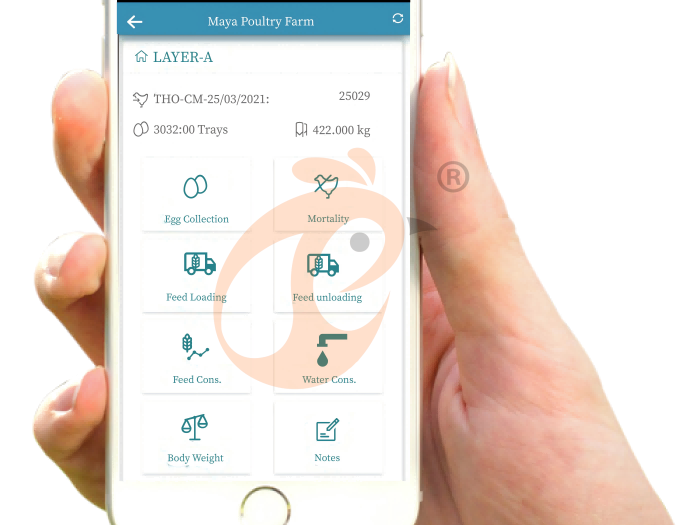
 IoT Smart Poultry FarmRead More
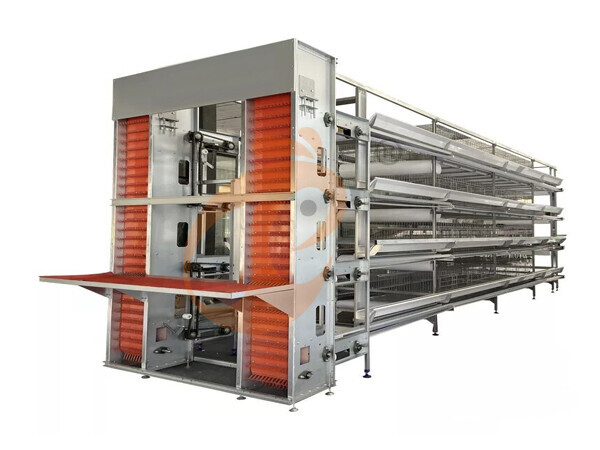
 >30,000 Layers Automatic H Type Battery CageRead More
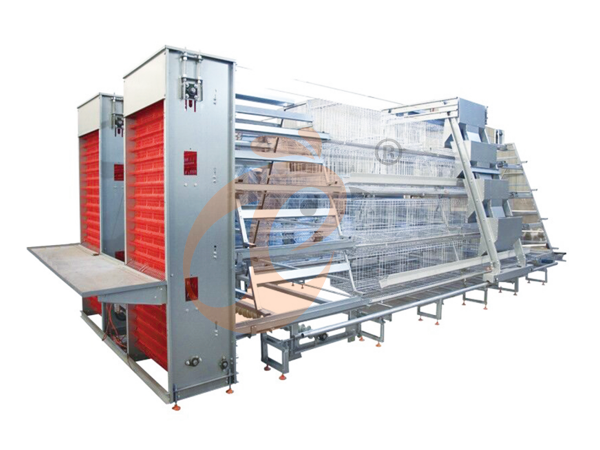
 10,000 - 30,000 Layers Automatic A Type Battery CageRead More
MESSAGE
NEWS
 50,000 - 100,000 chickens/house: poultry farm solution, chicken cage, poultry farm equipment, AI smart managementRead More
 30,000 - 50,000 chickens/house: poultry farm solution, chicken cage, poultry farm equipment, AI smart managementRead More
 10,000 - 30,000 chickens/house: poultry farm solution, chicken cage, poultry farm equipment, AI smart managementRead More
 100 - 10,000 chickens/house: poultry farm solution, chicken cage, poultry farm equipment, AI smart managementRead More