

NEWS
Broiler chicken cage systems weight gain optimization improves poultry production efficiency through controlled feeding environments and structured housing technology.
Commercial poultry operations benefit from stable metabolic performance and reduced feed loss under cage-based management systems.
Automatic broiler cage feeding system enhances nutrient distribution accuracy across multiple cage tiers.
High density poultry cage growth management supports uniform flock development through regulated stocking pressure and airflow control.
Modern cage farming integrates ventilation precision, hygiene control, and energy-efficient production architecture for consistent weight gain improvement outcomes.
Get professional poultry farm construction guidance, equipment selection solutions, and the latest price lists, whatsApp to +8618830120193, click to learn more.
Step 1: Cage Structural Engineering And Growth Efficiency Control
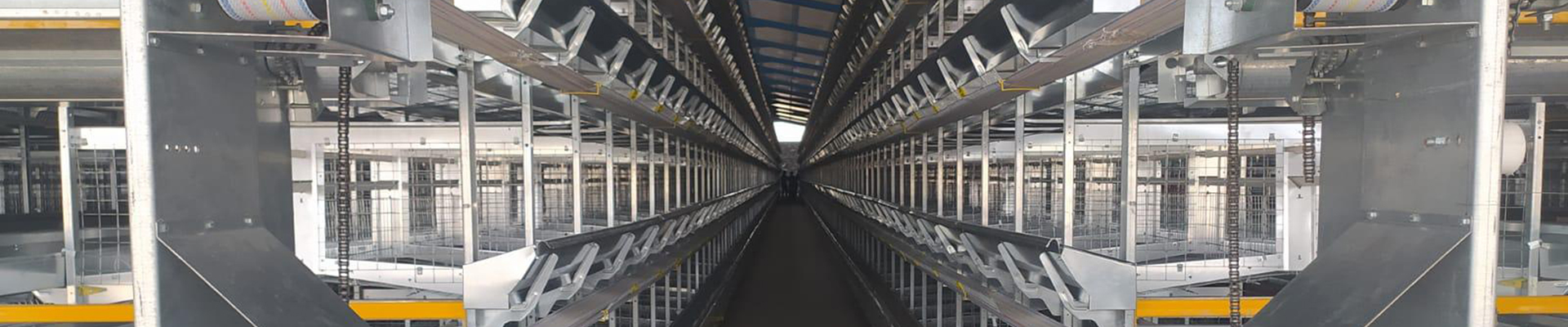
Broiler cage architecture defines spatial utilization efficiency and directly influences growth rate stability across production cycles.
Steel modular stacking systems improve vertical farming density while maintaining airflow uniformity between layers.
Data is for reference only.Swipe horizontally to view full table.
Engineering precision reduces mechanical stress inside poultry housing systems.
Energy distribution inside controlled cages supports steady muscle accumulation patterns.
Step 2: Feed Distribution Intelligence System
Feed delivery automation increases nutrient availability consistency across broiler populations.
Controlled ration dispersion reduces competition behavior and improves metabolic conversion efficiency.
Data is for reference only.Swipe horizontally to view full table.
Automatic broiler cage feeding system ensures balanced nutrient access across cage layers.
Metabolic response improves when feed timing synchronizes with circadian growth cycles.
Step 3: Environmental Thermo Regulation Control
Thermal stability maintains physiological balance inside poultry cage environments.
Air exchange rate influences oxygen intake efficiency and ammonia dilution levels.
Data is for reference only.Swipe horizontally to view full table.
Stable airflow improves respiratory efficiency and feed digestion performance.
Reduced heat stress supports protein synthesis acceleration inside muscle tissue.
Step 4: Stocking Pressure And Biological Balance Regulation
Bird density distribution affects social stress levels and feed conversion stability.
Balanced allocation prevents aggressive behavior and improves uniform growth curves across flocks.
Data is for reference only.Swipe horizontally to view full table.
High density poultry cage growth management stabilizes hormonal balance across production cycles.
Corticosterone variation decreases when spatial allocation becomes consistent.
Step 5: Nutrient Conversion And Growth Acceleration Control
Feed metabolism efficiency determines final market weight output in broiler production systems.
Protein absorption rate correlates directly with enzyme activity inside digestive tract systems.
Data is for reference only.Swipe horizontally to view full table.
Metabolic efficiency improves when enzyme secretion remains stable across feeding cycles.
Muscle fiber development accelerates under consistent nutrient absorption conditions.
Step 6: Waste Management And Hygiene Optimization
Manure handling systems influence air quality and disease prevention efficiency.
Reduced ammonia exposure supports respiratory system stability and feed intake consistency.
Data is for reference only.Swipe horizontally to view full table.
Hygienic environment improves intestinal absorption efficiency across broiler populations.
Lower microbial load supports immune system stability.
Step 7: Lighting Cycle And Behavioral Growth Regulation
Photoperiod control affects hormone secretion and feeding behavior synchronization.
Light intensity variation influences activity rhythm and nutrient intake frequency.
Data is for reference only.Swipe horizontally to view full table.
Circadian rhythm alignment improves feed digestion timing accuracy.
Hormonal balance stabilization supports consistent body mass accumulation.
Additional Scientific Explanation: Metabolism and Growth Mechanism
Broiler growth in cage systems is driven by endocrine and metabolic regulation.
Under controlled environments, birds allocate more nutrients toward muscle protein synthesis rather than thermoregulation or movement.
Key physiological processes include
Increased amino acid absorption efficiency
Higher atp production for muscle development
Stable blood glucose levels supporting continuous growth
Reduced stress hormone secretion
This biological optimization explains why cage systems often produce more uniform flock weights compared to traditional floor systems.
Frequently Asked Questions
Q1: What cage density level supports fast weight gain?
A1: Optimal range remains around 750–900 cm² per bird.
Growth performance decreases when allocation drops below 600 cm² due to stress response activation.
Q2: How does feeding automation improve growth output?
A2: Automated systems deliver 780–920 kg/h feed distribution consistency.
Uniform access reduces competition and increases daily gain by approximately 8–12 grams per bird.
Q3: What environmental condition produces best fcr performance?
A3: Temperature stability between 20–26°c combined with airflow above 25,000 m³/h improves feed conversion efficiency close to 1.55 ratio range.
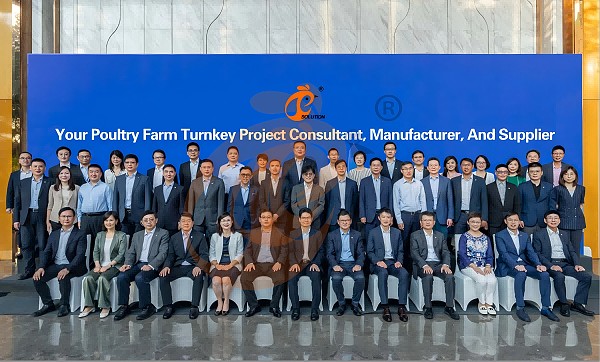
Taiyu (HK) Group - One Of China Toppest Broiler Cage Systems Manufacturer
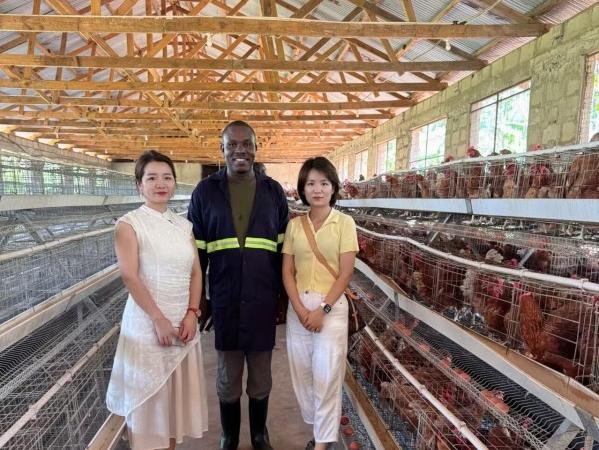
Broiler cage system applied in intensive commercial poultry farm project development with engineered growth efficiency architecture supporting controlled environmental performance.
Global factory direct supply structure enables standardized poultry equipment production with cost-controlled industrial manufacturing pipelines across international markets.
Poultry equipment engineering integrates automatic feeding system, ventilation control, and manure management modules for full-cycle production optimization.
Turn-key engineering service delivers complete farm planning, installation execution, and operational commissioning for large-scale broiler production facilities.
Technical procurement framework supports customized cage system design, capacity expansion planning, and long-term maintenance strategy integration.
Contact Us To Received Your Customized Poultry Farm Plan
Headquarters And Branchs

Hong Kong Headquarter Management Team
Hong Kong Headquarter Taiyu Industrial Group CO., LTD
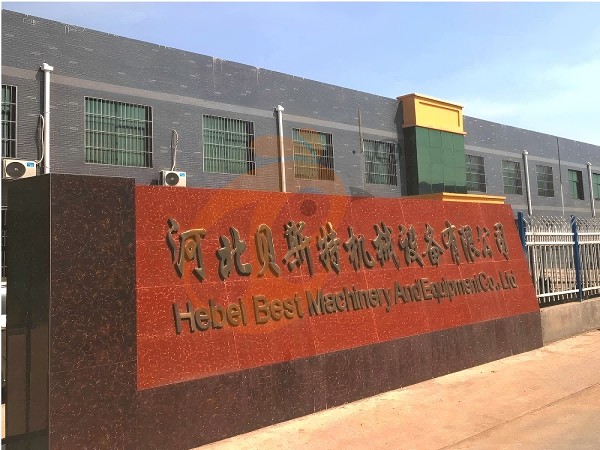
China Hebei Best Machinery And Equipment CO., LTD
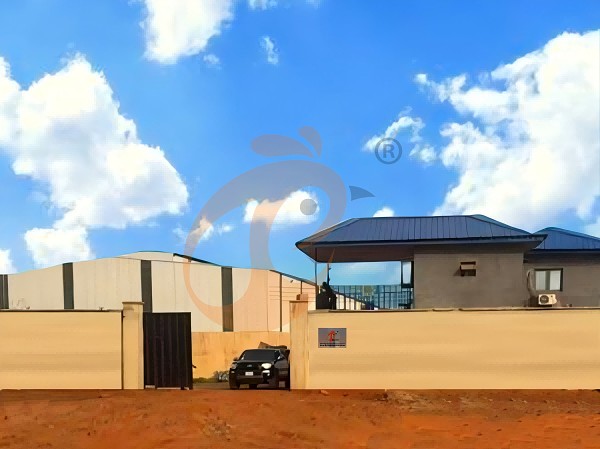
Nigeria Vanke Machinery And Equipment CO., LTD
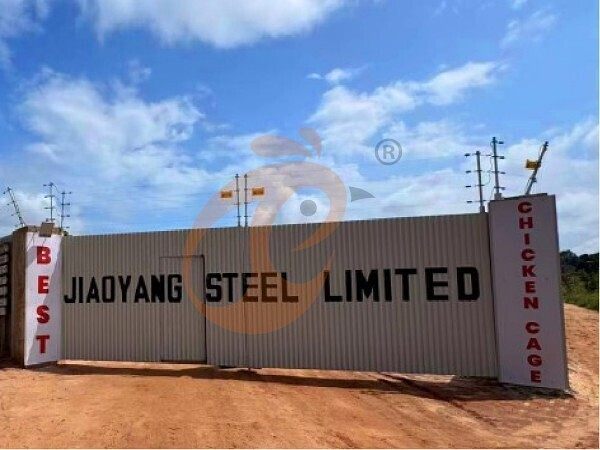
Tanzania Best Machinery And Equipment CO., LTD
Ethiopia Best Hebei Machinery Manufacturing PLC
Reception /24 WhatsApp NO. : +8618830120193
PRODUCTS RECOMMENDED
 China Branch Manufacture Poultry Farm EquipmentRead More
 Ethiopia Branch Manufacture Poultry Farm EquipmentRead More
 Nigeria Branch Manufacture Poultry Farm EquipmentRead More
 Tanzania Branch Manufacture Poultry Farm EquipmentRead More
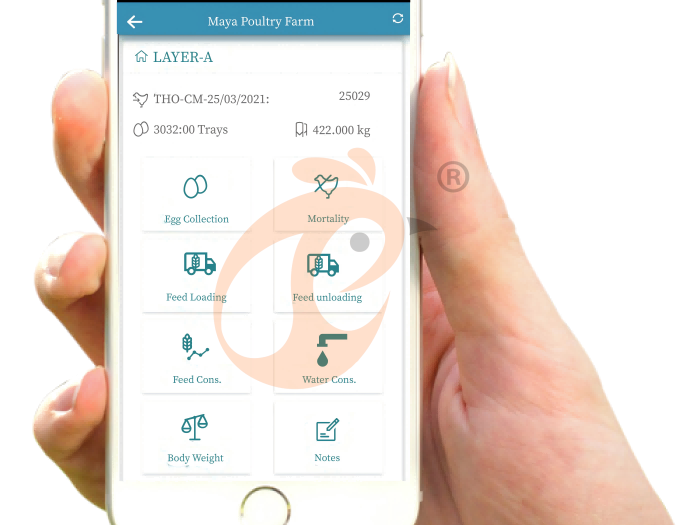
 IoT Smart Poultry FarmRead More
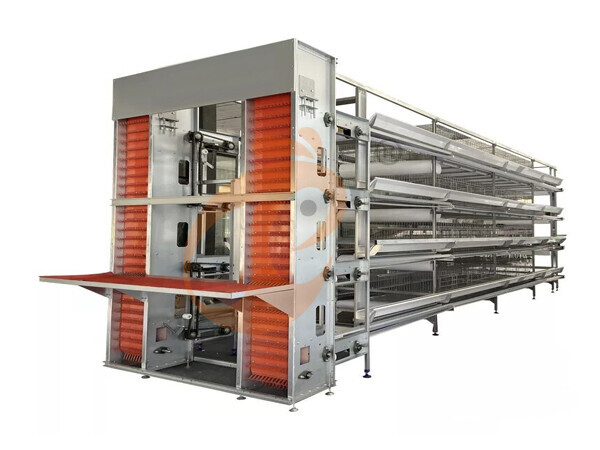
 >30,000 Layers Automatic H Type Battery CageRead More
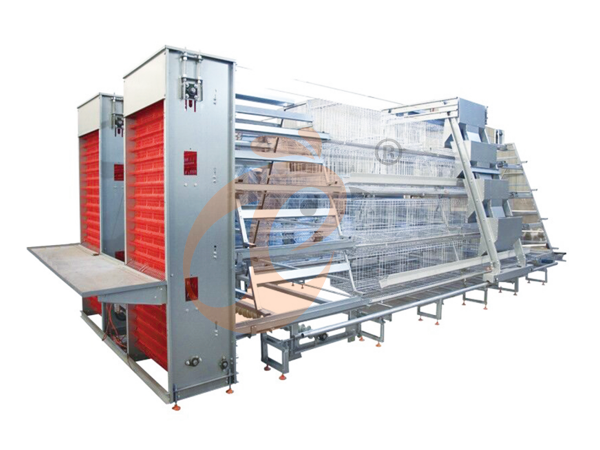
 10,000 - 30,000 Layers Automatic A Type Battery CageRead More
MESSAGE
NEWS
 50,000 - 100,000 chickens/house: poultry farm solution, chicken cage, poultry farm equipment, AI smart managementRead More
 30,000 - 50,000 chickens/house: poultry farm solution, chicken cage, poultry farm equipment, AI smart managementRead More
 10,000 - 30,000 chickens/house: poultry farm solution, chicken cage, poultry farm equipment, AI smart managementRead More
 100 - 10,000 chickens/house: poultry farm solution, chicken cage, poultry farm equipment, AI smart managementRead More