

NEWS
Layer chicken cage system applications help poultry farms improve egg cleanliness, shell strength, flock management efficiency, and production consistency across different farm scales.
Modern housing design influences bird comfort, environmental stability, and operational control, creating favorable conditions for premium-grade egg production.
Nutrition management, ventilation performance, lighting programs, and hygiene standards collectively affect both internal and external egg quality characteristics.
Production profitability depends on reducing cracked eggs, minimizing contamination risks, and maintaining stable laying performance throughout the production cycle.
Scientific management practices combined with automatic layer cage system technology support long-term commercial sustainability, labor efficiency, and product standardization.
Get professional poultry farm construction guidance, equipment selection solutions, and the latest price lists, whatsApp to +8618830120193, click to learn more.
Understanding Egg Quality
Egg quality includes both external and internal characteristics.
External quality focuses on shell strength, shell thickness, cleanliness, and appearance.
Internal quality focuses on albumen condition, yolk structure, and freshness indicators.
Data is for reference only. Swipe horizontally to view full table.
Choosing A High-Quality Layer Chicken Cage System
Housing selection forms the foundation of egg quality improvement.
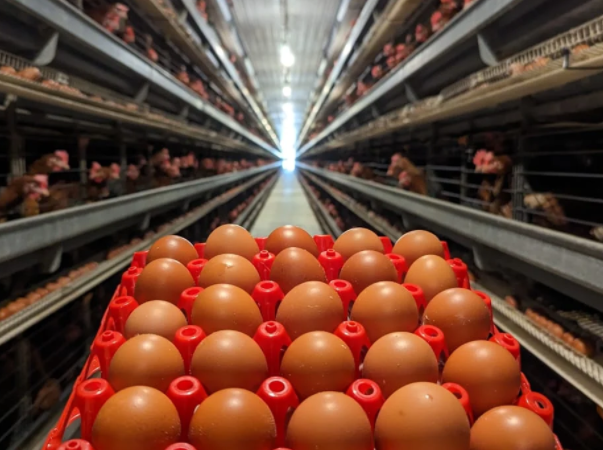
Modern battery cage for layers designs separate eggs from manure immediately after laying.
This arrangement helps reduce contamination and lowers egg breakage rates.
Scientific studies indicate that cage systems can improve hygiene management and production efficiency under controlled farming conditions.
Data is for reference only. Swipe horizontally to view full table.
Scientific perspective
A cleaner laying environment reduces opportunities for eggshell contamination.
Separating eggs from droppings immediately after laying remains one of the primary advantages of modern cage housing systems.
Maintaining Proper Stocking Density
Overcrowding negatively affects bird welfare and production performance.
Adequate cage space allows birds to access feed and water more effectively.
Proper stocking density helps maintain flock uniformity and production stability.
Data is for reference only. Swipe horizontally to view full table.
Data is for reference only. Swipe horizontally to view full table.
Providing adequate living space contributes to stronger productivity and healthier flock behavior.
Optimizing Nutrition For Strong Eggshells
Housing systems alone cannot guarantee excellent egg quality.
Calcium, phosphorus, protein, amino acids, and vitamins directly influence shell quality and egg formation.
Data is for reference only. Swipe horizontally to view full table.
Scientific perspective
Approximately 95% of eggshell structure consists of calcium carbonate.
Insufficient calcium intake often results in thinner shells and increased breakage rates.
Data is for reference only. Swipe horizontally to view full table.
Improving Environmental Control
Environmental management significantly influences egg quality consistency.
Temperature fluctuations, humidity variations, and poor ventilation can reduce laying performance.
Modern automatic layer cage system projects commonly integrate environmental monitoring equipment to maintain stable production conditions.
Data is for reference only. Swipe horizontally to view full table.
Scientific perspective
Heat stress often reduces feed consumption.
Lower feed intake frequently results in lower calcium consumption, which can weaken shell quality and increase production losses.
Maintaining Excellent Hygiene And Egg Collection Management
Hygiene management directly affects marketable egg quality.
Regular cleaning schedules and efficient manure removal systems help maintain a healthier production environment.
Automated egg collection systems reduce handling damage and labor requirements.
Data is for reference only. Swipe horizontally to view full table.
Data is for reference only. Swipe horizontally to view full table.
Production Cost And Return Considerations
High-quality egg production also affects farm profitability.
Improved shell strength and cleanliness reduce product losses throughout storage and transportation.
A medium-sized commercial farm may invest between usd 8,000 and usd 50,000 depending on capacity, automation level, and project scope.
European union standard reference only.
Data is for reference only. Swipe horizontally to view full table.
Common Egg Quality Problems And Solutions
Data is for reference only. Swipe horizontally to view full table.
Frequently Asked Questions
Q1: How much space should be provided for each layer hen?
A1: Commercial operations generally provide between 550 cm² and 800 cm² per bird depending on management objectives.
Adequate space supports feed access, reduces stress, and promotes stable laying performance.
Q2: Can automatic egg collection improve egg quality?
A2: Yes.
Automatic collection systems reduce manual handling and minimize shell cracks.
Many farms observe lower breakage rates and improved egg appearance consistency after installing automated equipment.
Q3: What is the ideal temperature for layer production?
A3: Most commercial layer operations target 18-24°c.
Maintaining stable temperatures helps birds maintain feed intake and supports stronger eggshell formation.
Taiyu (HK) Group - One Of China Largest Layer Chicken Cage System Manufacturer
Commercial egg farms utilize layer chicken cage system solutions to improve production density, reduce egg contamination risks, and support large-scale management requirements.
Factory-direct supply structure enables global customers to obtain poultry equipment with standardized manufacturing specifications and stable delivery schedules.
Product portfolio covers layer cages, broiler cages, breeder equipment, automatic feeding systems, manure removal systems, and environmental control solutions.
Turn-key poultry farm engineering services include project planning, equipment integration, installation guidance, and operational commissioning support.
International project experience supports customized configurations for different climates, production capacities, and commercial investment objectives.
Contact Us To Received Your Customized Poultry Farm Plan
Headquarters And Branchs

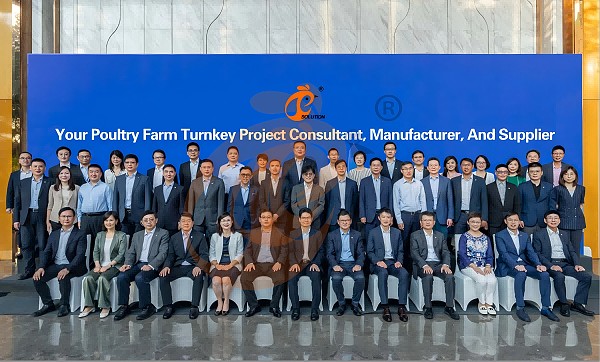
Hong Kong Headquarter Management Team
Hong Kong Headquarter Taiyu Industrial Group CO., LTD
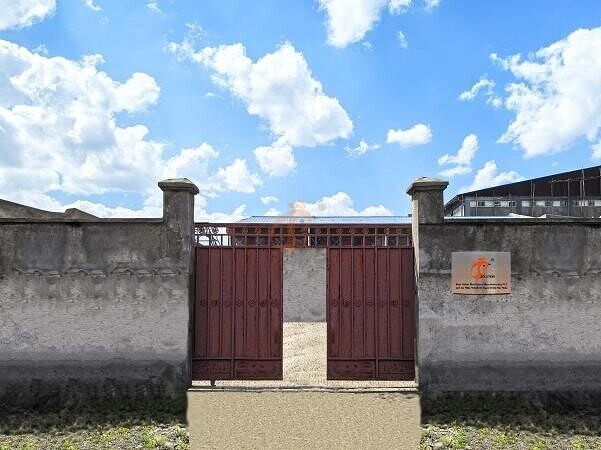
China Hebei Best Machinery And Equipment CO., LTD
Nigeria Vanke Machinery And Equipment CO., LTD
Tanzania Best Machinery And Equipment CO., LTD
Ethiopia Best Hebei Machinery Manufacturing PLC
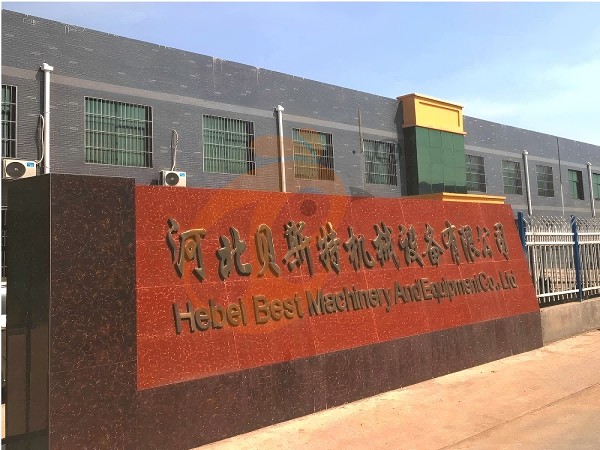
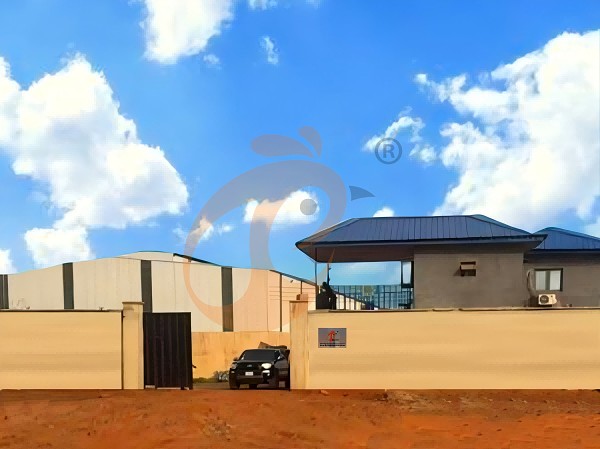
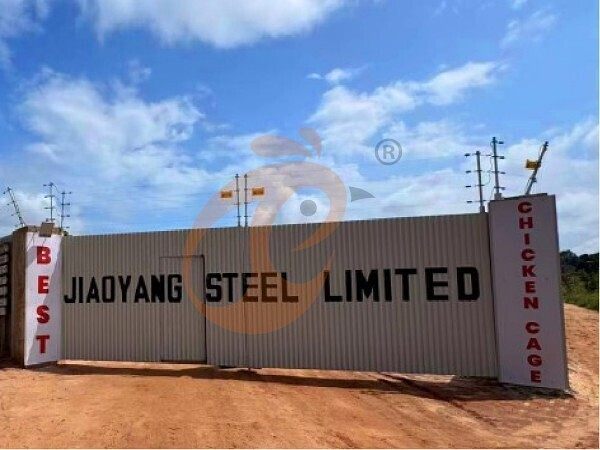
Reception /24 WhatsApp NO. : +8618830120193
PRODUCTS RECOMMENDED
 China Branch Manufacture Poultry Farm EquipmentRead More
 Ethiopia Branch Manufacture Poultry Farm EquipmentRead More
 Nigeria Branch Manufacture Poultry Farm EquipmentRead More
 Tanzania Branch Manufacture Poultry Farm EquipmentRead More
 IoT Smart Poultry FarmRead More
 >30,000 Layers Automatic H Type Battery CageRead More
 10,000 - 30,000 Layers Automatic A Type Battery CageRead More
MESSAGE
NEWS
 50,000 - 100,000 chickens/house: poultry farm solution, chicken cage, poultry farm equipment, AI smart managementRead More
 30,000 - 50,000 chickens/house: poultry farm solution, chicken cage, poultry farm equipment, AI smart managementRead More
 10,000 - 30,000 chickens/house: poultry farm solution, chicken cage, poultry farm equipment, AI smart managementRead More
 100 - 10,000 chickens/house: poultry farm solution, chicken cage, poultry farm equipment, AI smart managementRead More