

NEWS
Pralson feeder setup, automatic feeder system, and practical installation methods form the foundation of stable material handling across modern production environments while introducing operating principles, engineering considerations, and maintenance planning.
Mechanical inspection procedures explain how structural alignment, mounting accuracy, and component integrity directly influence long-term operational stability and consistent material delivery.
Electrical configuration guidance covers power verification, grounding requirements, control systems, and startup inspections to reduce unexpected interruptions during continuous production.
Parameter adjustment recommendations demonstrate suitable operating values for different materials, helping operators achieve repeatable feeding performance through measurable engineering practices.
Maintenance planning, troubleshooting knowledge, scientific explanations, and safety recommendations provide a complete operational reference supporting efficient production, longer equipment lifespan, and lower operating costs.
Get professional poultry farm construction guidance, equipment selection solutions, and the latest price lists, whatsApp to +8618830120193, click to learn more.
Why Proper Feeder Setup Matters
Incorrect installation often creates hidden operational problems before visible equipment failures occur.
Material fluctuation, unstable discharge, unexpected shutdowns, excessive bearing wear, and inconsistent production quality frequently originate from installation errors instead of component defects.
A properly configured automatic feeder system maintains continuous production while reducing maintenance frequency and improving equipment utilization throughout the manufacturing process.
Data is for reference only. Swipe horizontally to view full table.
Select The Correct Installation Location
Proper installation begins with selecting an appropriate operating environment.
Equipment foundations should provide sufficient rigidity to prevent structural movement during continuous operation.
Installation areas should remain clean, dry, and accessible for inspection and preventive maintenance.
Environmental conditions directly affect electrical reliability and mechanical durability.
Excessive airborne particles may contaminate sensors, while elevated humidity can shorten electrical component service life.
Proper spacing around equipment also improves maintenance efficiency and operator safety.
Data is for reference only. Swipe horizontally to view full table.
Inspect Mechanical Components
Verify that every structural connection remains secure and properly aligned according to installation drawings.
Hopper positioning, discharge alignment, rotating assemblies, and support structures should all be inspected carefully.
Loose bolts, transport damage, or minor installation deviations can gradually reduce feeding consistency even when equipment initially appears to operate normally.
Bearings should rotate smoothly without abnormal resistance, and protective guards should be securely installed before startup.
Regular inspection records help maintenance personnel identify gradual wear trends before they influence production efficiency.
Connect Electrical Systems Correctly
Electrical installation determines operational reliability throughout the equipment lifecycle.
Every cable should match the specified current capacity, while grounding resistance must comply with local electrical standards.
Before commissioning, technicians should verify emergency stop functions, controller communication, motor rotation direction, and protective circuit operation.
Voltage fluctuations beyond specified limits may increase motor temperature and reduce controller accuracy during continuous operation.
Data is for reference only. Swipe horizontally to view full table.
Configure Feeding Parameters
Different raw materials require different operating parameters because particle size, density, surface friction, and moisture content directly influence material movement.
During initial commissioning, operators should gradually adjust screw speed, controller response, discharge stability, and conveying consistency while recording every parameter for future production batches.
Using measured operating values instead of estimation helps improve repeatability between production cycles.
A properly adjusted feed conveyor system also minimizes material segregation and supports consistent downstream processing.
Data is for reference only. Swipe horizontally to view full table.
Perform A Trial Run
A controlled trial operation verifies whether installation and parameter adjustments have achieved the desired operating condition before full-scale production begins.
Operators should introduce a limited quantity of material and continuously observe discharge consistency, controller response, motor loading, vibration, and material accumulation for approximately 30 minutes.
During the trial period, operating data should be documented to establish baseline performance values for future maintenance analysis.
Stable discharge patterns, consistent motor current, and repeatable controller responses indicate that commissioning has been completed successfully.
Unexpected vibration, irregular material flow, abnormal noise, or fluctuating discharge rates should be corrected immediately before increasing production capacity.
Establish Preventive Maintenance Plans
Preventive maintenance is essential for sustaining long-term equipment reliability and minimizing unexpected production interruptions.
Rather than waiting for component failure, maintenance personnel should follow scheduled inspections based on operating hours.
Cleaning internal surfaces, inspecting bearings, verifying sensor accuracy, and tightening structural fasteners all contribute to consistent material handling performance.
Maintenance records also provide valuable engineering data that can be used to predict component replacement intervals and reduce emergency downtime.
Planned servicing generally results in lower operating costs than reactive repairs.
Spare parts inventory for routine maintenance typically ranges from us$320 to us$860 depending on equipment configuration.
European union standard reference only.
Data is for reference only. Swipe horizontally to view full table.
Engineering Science Behind Material Feeding
Bulk materials behave differently from liquids because individual particles interact through gravity, friction, particle geometry, moisture, and internal cohesion.
Engineers evaluate these characteristics before selecting feeder parameters, allowing equipment to operate under predictable conditions rather than relying solely on operational experience.
Particle size distribution influences packing density inside the hopper, while moisture content affects adhesion between particles.
Larger irregular particles usually create more internal resistance than uniform spherical granules.
Hopper wall inclination also changes discharge behavior because gravitational force acts differently on the material column.
Understanding these engineering principles helps operators optimize both production efficiency and equipment longevity.
Data is for reference only. Swipe horizontally to view full table.
Common Operating Problems And Solutions
Most feeding issues develop progressively instead of occurring instantly.
Material accumulation, unstable controller feedback, bearing wear, and electrical fluctuations can gradually reduce production consistency if routine inspections are neglected.
Operators should compare measured operating values with commissioning records to identify deviations early.
Continuous monitoring enables maintenance teams to schedule corrective actions before production quality or equipment availability is affected.
A properly maintained poultry feeding equipment system also benefits from these engineering inspection principles when handling granular feed materials.
Data is for reference only. Swipe horizontally to view full table.
Safety Practices During Feeder Operation
Safe operation begins before production starts and continues throughout the equipment lifecycle.
Electrical isolation procedures should always be completed before maintenance work begins.
Lockout and tagout practices prevent accidental machine startup while technicians inspect moving components.
Protective guards should remain installed during operation, and emergency stop devices should be tested regularly.
Operators are advised to wear safety glasses, protective gloves, hearing protection where necessary, and industrial safety footwear.
Routine safety inspections not only reduce workplace risks but also improve equipment reliability by identifying developing mechanical problems before they become critical failures.
Conclusion
Reliable production depends on far more than equipment quality alone.
Proper installation, precise mechanical alignment, electrical verification, parameter optimization, structured trial operation, and scheduled preventive maintenance work together to establish long-term operational stability.
Understanding the engineering characteristics of bulk material movement enables operators to make informed adjustments based on measurable physical properties rather than estimation.
Combined with routine inspections and documented maintenance records, these practices significantly improve production consistency, extend equipment service life, reduce operational costs, and support efficient manufacturing across diverse industrial applications.
Frequently Asked Questions
Q1: What is the recommended trial run duration before full production?
A1: A commissioning period of 25–30 minutes is generally sufficient to verify material flow stability, controller response, motor loading, and discharge consistency before increasing production capacity.
Q2: How often should critical components be inspected?
A2: Key mechanical components such as bearings, fasteners, and drive assemblies should be visually inspected every 240 operating hours, while a complete equipment inspection is recommended every 4,000 operating hours.
Q3: Can different materials use the same parameter settings?
A3: No. Materials vary in particle size, bulk density, moisture content, and flow characteristics.
Even when using identical equipment, screw speed may vary between 73 rpm and 91 rpm depending on the processed material.
Taiyu (HK) Group - One Of China Largest Pralson Feeder Manufacturer
Professional manufacturing of pralson feeder systems with engineered structures supporting stable material conveying, continuous production, and precise feeding performance for industrial processing applications.
Global factory direct supply provides standardized manufacturing, quality inspection, technical documentation, and competitive commercial solutions for international customers across multiple industrial sectors.
Complete poultry equipment product lines support modern livestock projects through integrated feeding, conveying, storage, and automation systems with reliable engineering compatibility.
Turn-key engineering services include equipment selection, production line planning, installation guidance, commissioning support, operator training, and lifecycle technical assistance for customized manufacturing facilities.
Experienced engineering and export teams deliver specification-oriented solutions, strict production management, international logistics coordination, and responsive after-sales technical support for worldwide industrial projects.
Contact Us To Received Your Customized Poultry Farm Plan
Headquarters And Branchs

Hong Kong Headquarter Management Team
Hong Kong Headquarter Taiyu Industrial Group CO., LTD
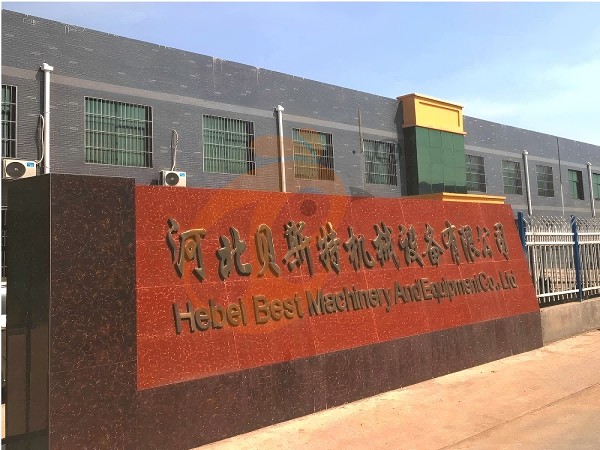
China Hebei Best Machinery And Equipment CO., LTD
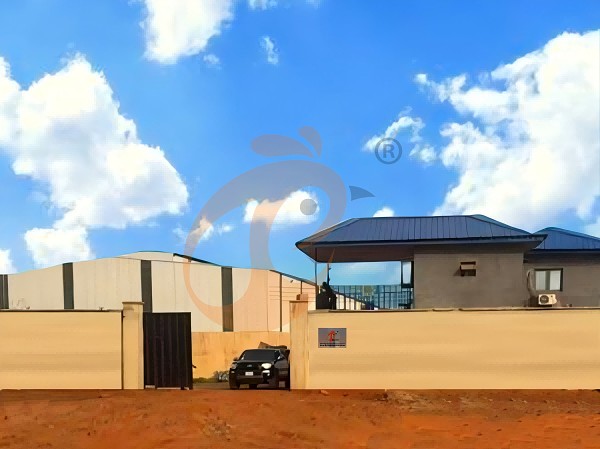
Nigeria Vanke Machinery And Equipment CO., LTD
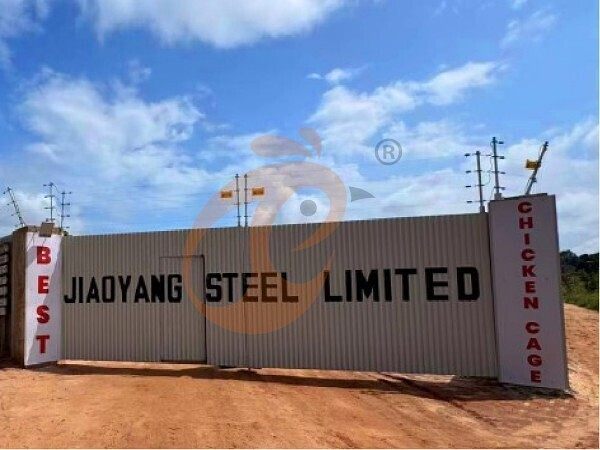
Tanzania Best Machinery And Equipment CO., LTD
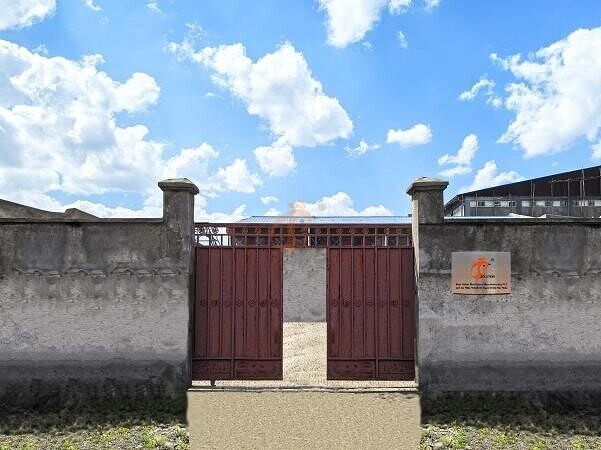
Ethiopia Best Hebei Machinery Manufacturing PLC
Reception /24 WhatsApp NO. : +8618830120193
PRODUCTS RECOMMENDED
 China Branch Manufacture Poultry Farm EquipmentRead More
 Ethiopia Branch Manufacture Poultry Farm EquipmentRead More
 Nigeria Branch Manufacture Poultry Farm EquipmentRead More
 Tanzania Branch Manufacture Poultry Farm EquipmentRead More
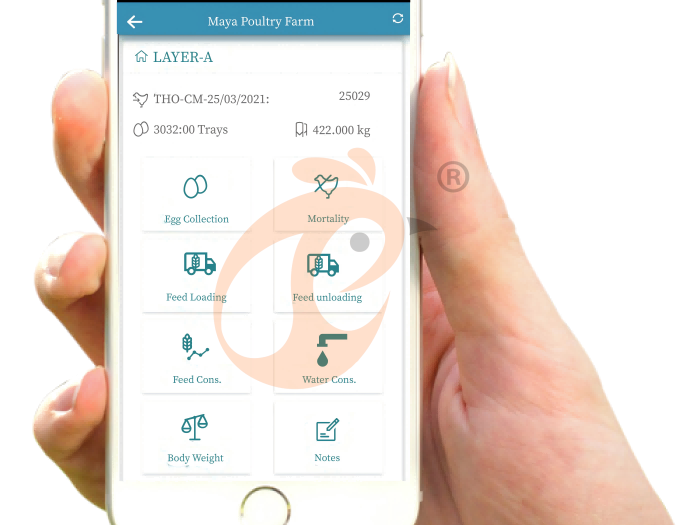
 IoT Smart Poultry FarmRead More
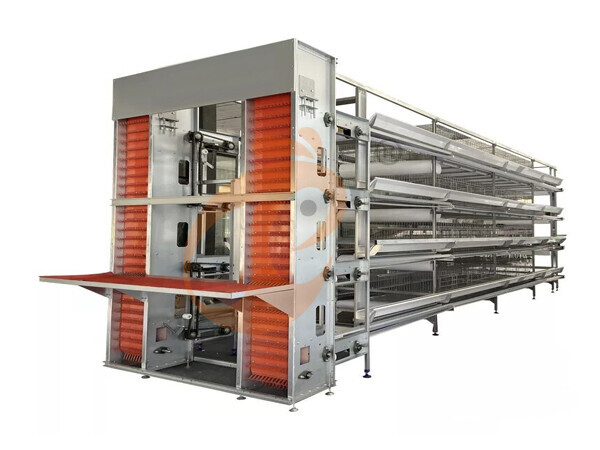
 >30,000 Layers Automatic H Type Battery CageRead More
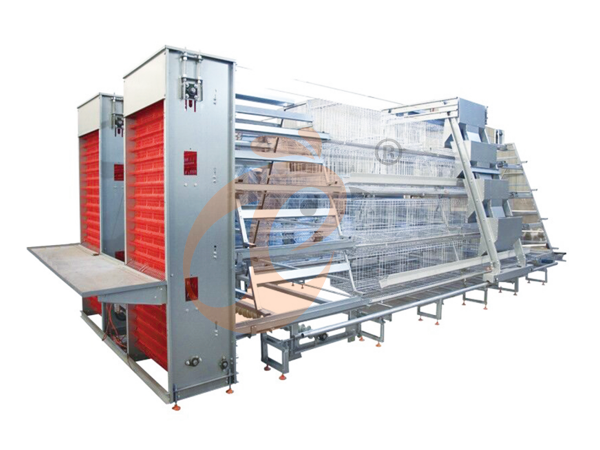
 10,000 - 30,000 Layers Automatic A Type Battery CageRead More
MESSAGE
NEWS
 50,000 - 100,000 chickens/house: poultry farm solution, chicken cage, poultry farm equipment, AI smart managementRead More
 30,000 - 50,000 chickens/house: poultry farm solution, chicken cage, poultry farm equipment, AI smart managementRead More
 10,000 - 30,000 chickens/house: poultry farm solution, chicken cage, poultry farm equipment, AI smart managementRead More
 100 - 10,000 chickens/house: poultry farm solution, chicken cage, poultry farm equipment, AI smart managementRead More