

NEWS
Layer chicken cage management begins with systematic daily inspections that improve bird welfare, production efficiency, equipment reliability, and operational consistency throughout every production cycle.
Regular monitoring of feeding, drinking, environmental control, and structural conditions helps reduce unexpected downtime while supporting stable flock performance and egg quality.
Professional maintenance procedures extend equipment service life, simplify farm management, and minimize avoidable repair costs across commercial poultry operations.
Practical inspection records provide measurable operational data, allowing farm managers to make informed decisions based on daily production conditions rather than assumptions.
Comprehensive management routines combined with modern poultry housing technology create safer working environments, healthier laying hens, and more sustainable commercial egg production.
Get professional poultry farm construction guidance, equipment selection solutions, and the latest price lists, whatsApp to +8618830120193, click to learn more.
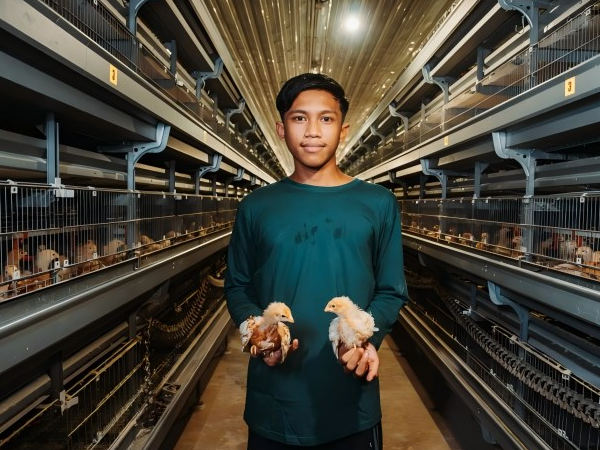
Check Bird Behavior Every Morning
The birds themselves provide the earliest indication of flock health.
Healthy laying hens should remain active, distribute evenly throughout the cage rows, consume feed normally, and drink water regularly.
Before the automatic feeding system starts, walk slowly through every aisle and observe the flock without disturbing them.
Birds showing drooping wings, closed eyes, abnormal breathing, or isolation from the group should be inspected immediately.
Daily observation also helps detect injuries, feather pecking, or signs of disease before they spread through the flock.
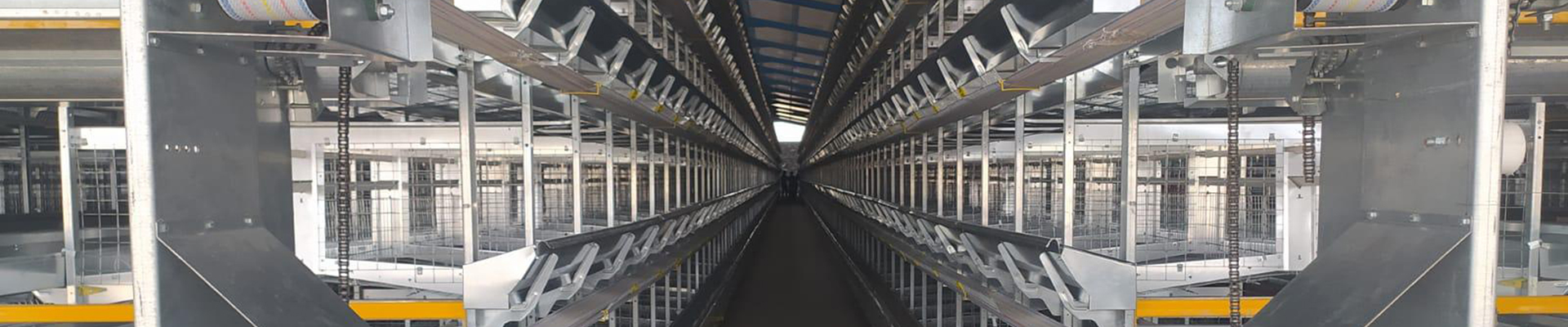
Routine observation becomes even more effective when combined with a layer battery cage system, allowing farm personnel to inspect every cage row efficiently while maintaining consistent management standards.
Data is for reference only. Swipe horizontally to view full table.
Verify Feed Distribution Accuracy
Uniform feed delivery is essential for maintaining consistent body weight and egg production.
Uneven feed distribution causes competition among birds and increases production variation across the flock.
Inspect the feed trough immediately after one automatic feeding cycle.
Feed should appear evenly distributed without excessive accumulation or empty sections.
Operators should also listen for unusual sounds from motors, drive chains, and augers, as abnormal noise often indicates mechanical wear.
Science corner
An adult laying hen generally consumes 105–120 g of feed per day, depending on breed, age, environmental temperature, and production stage.
Data is for reference only. Swipe horizontally to view full table.
Inspect Drinking Water System
A healthy flock requires continuous access to clean drinking water, while the water supply system should operate consistently throughout the day.
Inspect nipple drinkers for leakage, blockage, or inconsistent water flow.
Small leaks increase manure moisture, accelerate corrosion of cage components, and raise ammonia levels inside the poultry house.
Daily flushing of water lines also helps maintain water quality and reduces the accumulation of mineral deposits inside pipelines.
Modern automatic layer chicken cage equipment integrates precision drinking lines that provide stable water pressure and improve management efficiency across large commercial poultry farms.
Data is for reference only. Swipe horizontally to view full table.
Examine Cage Structure And Safety
Commercial layer cages operate continuously throughout multiple production cycles.
Daily structural inspections reduce the risk of equipment failure and improve bird safety.
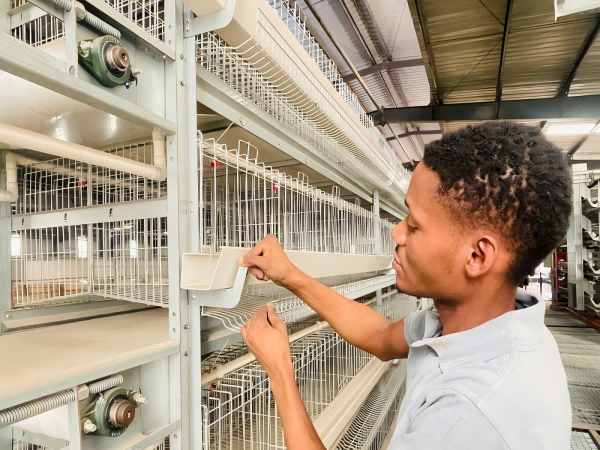
Inspect cage doors, wire mesh, partitions, support frames, fasteners, and locking mechanisms.
Bent wires or damaged doors may allow birds to escape or become trapped.
Loose bolts and deformed support frames should be repaired immediately before they affect the stability of the entire cage system.
Our company manufactures hot-dip galvanized layer chicken cages using corrosion-resistant materials and reinforced structural connections.
Proper daily inspection combined with quality poultry farm equipment significantly reduces maintenance requirements while extending the service life of the poultry house.
Data is for reference only. Swipe horizontally to view full table.
Monitor Environmental Conditions
The poultry house environment directly influences laying performance, feed conversion, and bird welfare.
Temperature, humidity, airflow, and ventilation should remain stable throughout the day.
Operators should verify that every exhaust fan starts normally, air inlets remain unobstructed, and cooling equipment functions correctly.
Environmental monitoring instruments should also be checked to confirm accurate readings before production begins.
Science corner
Ammonia is naturally produced as manure decomposes.
Poor ventilation allows ammonia concentration to increase, which may irritate the respiratory system, reduce feed intake, and increase disease susceptibility.
Efficient manure removal combined with proper ventilation remains one of the most effective methods for maintaining healthy air quality inside commercial poultry houses.
Inspect Egg Collection Performance
A reliable egg collection process is essential for maintaining egg quality and reducing production losses.
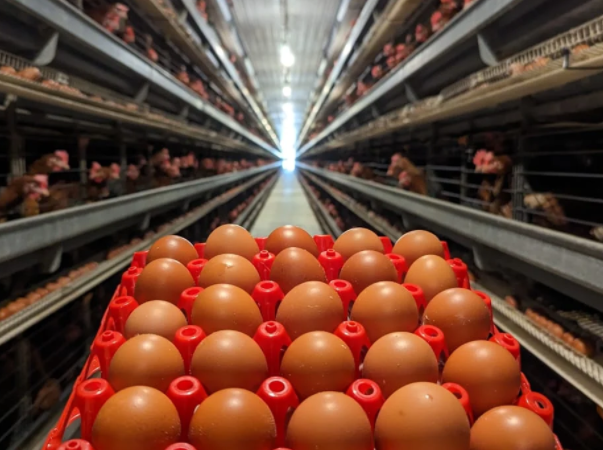
Whether the farm uses manual collection or an automatic egg collection system, operators should inspect the entire process every day.
Check whether eggs move smoothly onto the collection belt without rolling backward or becoming trapped between cage wires.
Cracked eggs, dirty eggs, and belt misalignment should be recorded immediately.
Cleaning the collection belt at regular intervals also helps reduce dust accumulation and improves hygiene.
Data is for reference only. Swipe horizontally to view full table.
Evaluate Manure Removal Efficiency
Manure management directly affects air quality, equipment durability, and flock health.
Accumulated manure increases moisture, encourages fly activity, and contributes to ammonia production inside the poultry house.
Inspect manure belts or scraper systems to ensure they operate smoothly without excessive vibration or material buildup.
Any manure remaining beneath the cages after one removal cycle should be investigated to identify possible mechanical problems.
Modern manure removal equipment integrated with an automatic layer chicken cage system helps reduce labor requirements while improving environmental control inside commercial poultry houses.
Science corner
Fresh poultry manure normally contains significant moisture immediately after excretion.
During natural decomposition, microorganisms convert nitrogen-containing compounds into ammonia.
Frequent manure removal, combined with effective ventilation, helps maintain cleaner air, reduces corrosion of galvanized equipment, and supports healthier birds throughout the production cycle.
Data is for reference only. Swipe horizontally to view full table.
Verify Ventilation And Electrical Equipment
Mechanical equipment should operate smoothly throughout the day to maintain a stable production environment.
Daily inspections help detect abnormal vibration, electrical faults, or worn components before unexpected failures occur.
Check ventilation fans, control panels, emergency power supplies, sensors, and electrical cables for visible damage or irregular operating conditions.
Electrical maintenance should always follow local safety regulations.
Professional poultry farm equipment equipped with intelligent environmental control systems helps farms maintain consistent operating conditions while reducing maintenance frequency.
Data is for reference only. Swipe horizontally to view full table.
Record Daily Farm Data
Accurate production records transform routine inspections into valuable management information.
Daily records help farm managers identify long-term trends, evaluate equipment performance, and make practical management decisions based on measurable results.
Important records include egg production, feed consumption, water consumption, mortality, environmental observations, equipment maintenance, and flock health status.
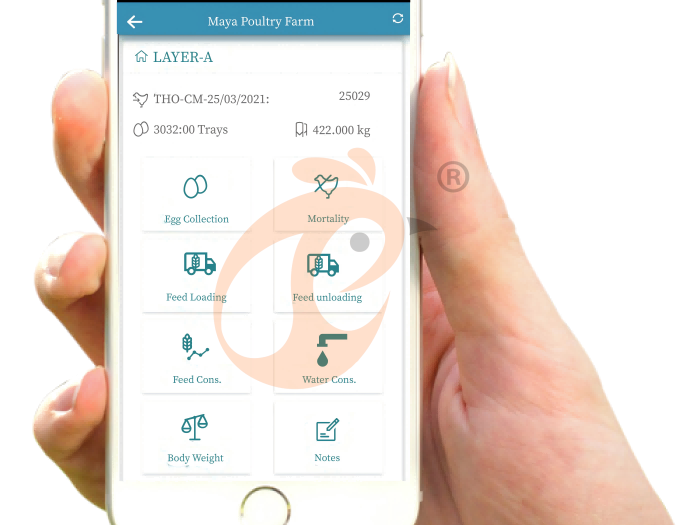
Digital management platforms further improve operational efficiency by storing inspection records and generating production reports automatically.
Frequently Asked Questions
Q1: How often should layer chicken cage equipment be inspected?
A1: Daily visual inspections are recommended for feeding, drinking, ventilation, lighting, and cage structures.
Mechanical components such as motors, gearboxes, and transmission systems should receive a more detailed inspection every 30 to 45 days depending on operating conditions.
Q2: What is an acceptable water pressure for nipple drinking systems?
A2: Most commercial nipple drinking systems operate efficiently between 0.03 mpa and 0.05 mpa, providing stable water flow while minimizing leakage and unnecessary water waste.
Q3: How long can a hot-dip galvanized layer chicken cage last?
A3: Under proper management and routine maintenance, hot-dip galvanized cage systems commonly achieve a service life of 15 to 20 years, depending on environmental conditions, ventilation performance, and cleaning frequency.
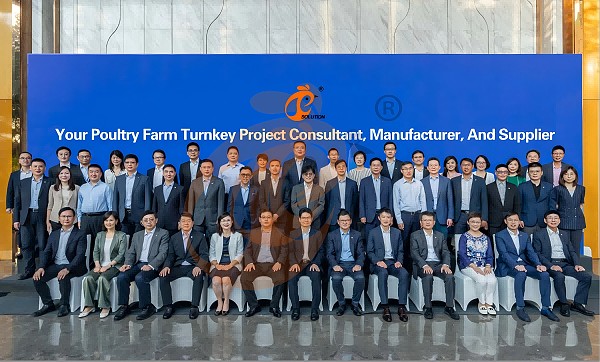
Taiyu (HK) Group - One Of China Largest Layer Chicken Cage Manufacturer
Professional layer chicken cage systems designed for commercial poultry farms with integrated feeding, drinking, manure removal, egg collection, and environmental control solutions.
Global factory-direct supply supports customers with competitive manufacturing costs, stable product quality, and efficient international logistics.
Complete poultry equipment solutions are available for broiler farms, layer farms, breeder farms, and customized agricultural projects worldwide.
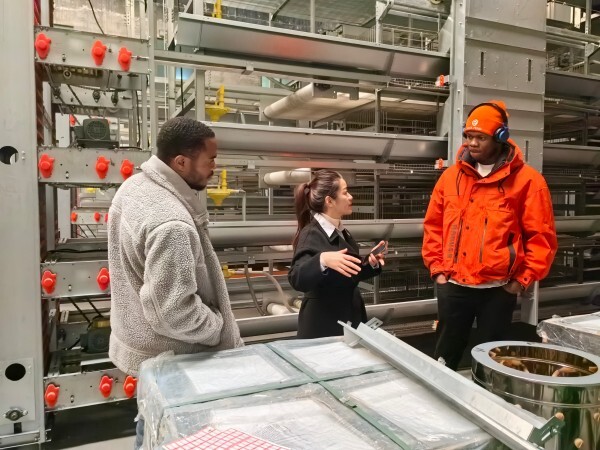
Comprehensive turn-key engineering services include farm planning, equipment installation guidance, technical training, commissioning support, and after-sales maintenance.
Experienced engineering teams provide customized project solutions according to farm capacity, local climate conditions, production objectives, and future expansion requirements.
Contact Us To Received Your Customized Poultry Farm Plan
Headquarters And Branchs

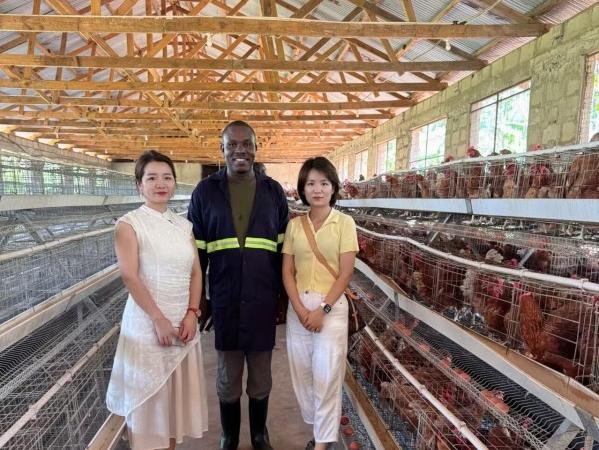
Hong Kong Headquarter Management Team
Hong Kong Headquarter Taiyu Industrial Group CO., LTD
China Hebei Best Machinery And Equipment CO., LTD
Nigeria Vanke Machinery And Equipment CO., LTD
Tanzania Best Machinery And Equipment CO., LTD
Ethiopia Best Hebei Machinery Manufacturing PLC




Reception /24 WhatsApp NO. : +8618830120193
PRODUCTS RECOMMENDED
 China Branch Manufacture Poultry Farm EquipmentRead More
 Ethiopia Branch Manufacture Poultry Farm EquipmentRead More
 Nigeria Branch Manufacture Poultry Farm EquipmentRead More
 Tanzania Branch Manufacture Poultry Farm EquipmentRead More
 IoT Smart Poultry FarmRead More
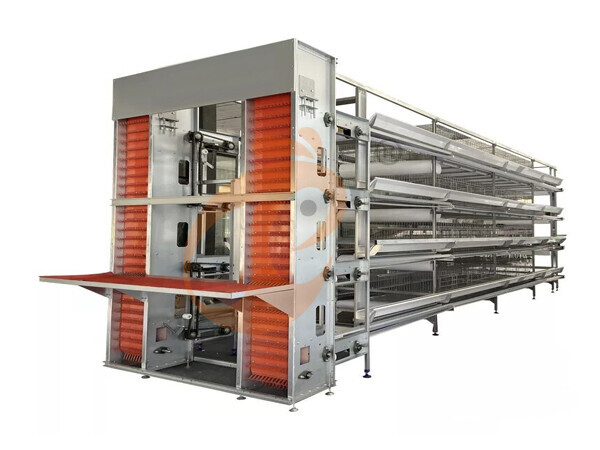
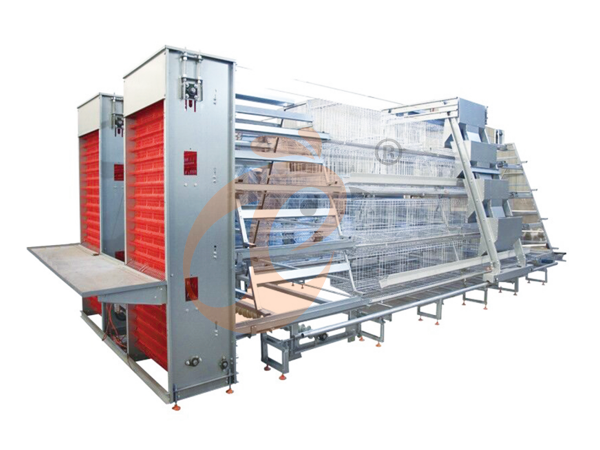
 >30,000 Layers Automatic H Type Battery CageRead More
 10,000 - 30,000 Layers Automatic A Type Battery CageRead More
MESSAGE
NEWS
 50,000 - 100,000 chickens/house: poultry farm solution, chicken cage, poultry farm equipment, AI smart managementRead More
 30,000 - 50,000 chickens/house: poultry farm solution, chicken cage, poultry farm equipment, AI smart managementRead More
 10,000 - 30,000 chickens/house: poultry farm solution, chicken cage, poultry farm equipment, AI smart managementRead More
 100 - 10,000 chickens/house: poultry farm solution, chicken cage, poultry farm equipment, AI smart managementRead More