

NEWS
Ammonia emission originates from microbial breakdown of nitrogen-rich manure under warm and humid conditions.
Poor environmental control reduces growth performance and increases respiratory stress in birds.
Effective ammonia reduction depends on airflow design, equipment selection, and manure handling strategy.
Integrated poultry house systems combine feeding, drinking, and waste removal to stabilize air quality.
Proper engineering reduces operational risk and improves flock uniformity across commercial production cycles.
Get professional poultry farm construction guidance, equipment selection solutions, and the latest price lists, whatsApp to +8618830120193, click to learn more.
Ammonia Formation Mechanism In Poultry Houses
Ammonia is generated when uric acid in poultry manure decomposes through bacterial activity.
Moisture, temperature, and ph accelerate this process inside floor rearing systems.
Without sufficient ventilation, ammonia accumulates at bird level where exposure is highest.
Research shows concentration above 25 ppm creates measurable production losses and health damage.
High performance poultry ventilation system design is essential for reducing gas concentration and maintaining stable air exchange conditions.
Data is for reference only.Swipe horizontally to view full table.
Ventilation Optimization Strategy
Airflow management is the most effective method for ammonia control in floor rearing poultry houses.
Proper inlet positioning ensures fresh air reaches bird level without short-circuiting toward exhaust fans.
Negative pressure systems are widely used in commercial operations to stabilize internal air movement.
Industrial poultry house ventilation equipment improves air exchange consistency and reduces localized gas buildup zones.
Data is for reference only.Swipe horizontally to view full table.
Litter Moisture Control System
Moisture control directly influences ammonia emission speed.
Wet litter provides ideal conditions for bacterial growth and accelerates nitrogen conversion.
Leakage from drinking lines is a major cause of litter deterioration in floor systems.
Maintaining dry bedding significantly reduces ammonia formation and improves air quality.
Data is for reference only.Swipe horizontally to view full table.
Temperature And Microclimate Regulation
Stable temperature reduces microbial activity in litter and slows ammonia generation.
Heat distribution must remain uniform across brooding and grower zones.
Poor thermal control creates moisture condensation and uneven litter conditions.
Data is for reference only.Swipe horizontally to view full table.
Nutritional Adjustment For Ammonia Reduction
Feed formulation affects nitrogen excretion levels, which directly influences ammonia production inside poultry houses.
Balanced amino acid profiles improve digestion efficiency and reduce waste nitrogen output.
Lower crude protein diets combined with enzyme supplementation reduce litter contamination rate.
Data is for reference only.Swipe horizontally to view full table.
Equipment Design For Manure Management
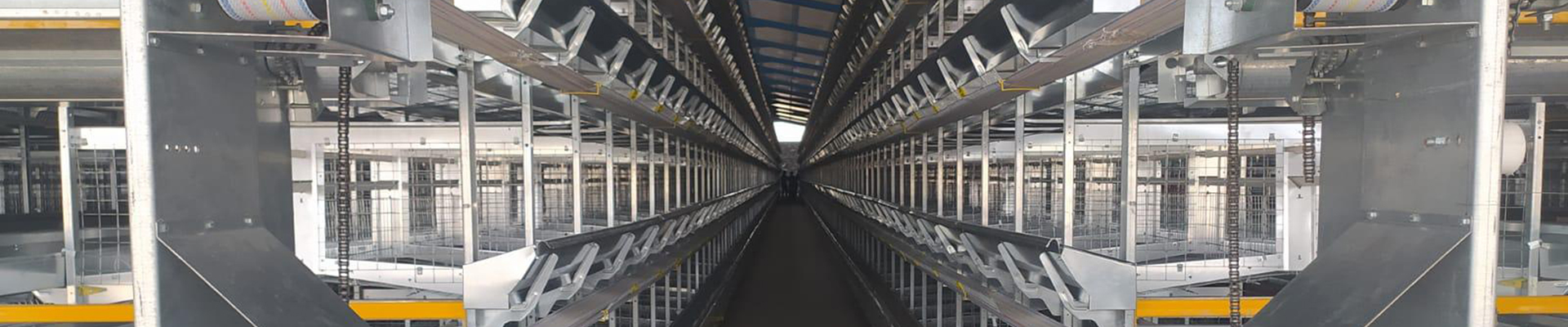
Modern poultry equipment integrates automated manure removal systems to reduce ammonia accumulation inside floor rearing houses.
Proper cage layout design improves airflow and minimizes waste concentration zones.
Drinking systems with anti-leak technology reduce litter wetting and bacterial growth.
Automatic poultry manure removal system improves sanitation efficiency and stabilizes internal air quality during long production cycles.
Data is for reference only.Swipe horizontally to view full table.
Integrated Environmental Control Approach
Ammonia control requires combined management of ventilation, litter, nutrition, and equipment engineering.
Single-point solutions are insufficient for large-scale poultry production systems.
Integrated control systems ensure stable environmental performance across all production stages and reduce operational risks.
Frequently Asked Questions
Q1: Why does ammonia increase in floor rearing poultry houses?
A1: Ammonia increases due to microbial breakdown of uric acid in wet litter.
Moisture levels above 24% accelerate conversion reactions and increase gas release.
Q2: What is the most effective method to reduce ammonia levels?
A2: Balanced ventilation combined with dry litter management provides strongest reduction effect.
Air exchange above 7 cycles per hour stabilizes gas concentration.
Q3: How does equipment design influence ammonia control?
A3: Proper equipment layout improves airflow distribution and reduces manure buildup.
Automated removal systems shorten decomposition time significantly.
Taiyu (HK) Group - One Of China Biggest Chicken Cage System Manufacturer
Chicken cage system engineering designed for floor rearing poultry house applications with modular structural integration.
Global factory direct supply model ensures cost efficiency and standardized poultry equipment production quality.
Full poultry equipment package includes ventilation system, feeding line, and manure removal integration.
Turn-key project execution supports poultry farm design, installation, and commissioning service worldwide.
Engineering-based poultry housing solutions optimize airflow, litter control, and ammonia reduction performance.
Contact Us To Received Your Customized Poultry Farm Plan
Headquarters And Branchs

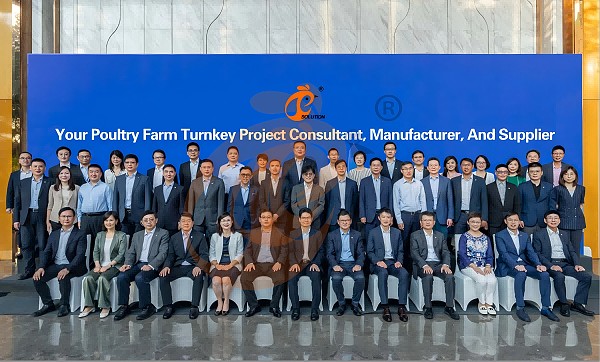
Hong Kong Headquarter Management Team
Hong Kong Headquarter Taiyu Industrial Group CO., LTD
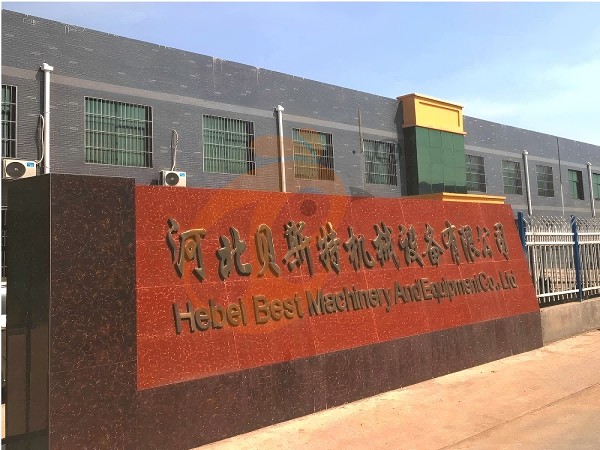
China Hebei Best Machinery And Equipment CO., LTD
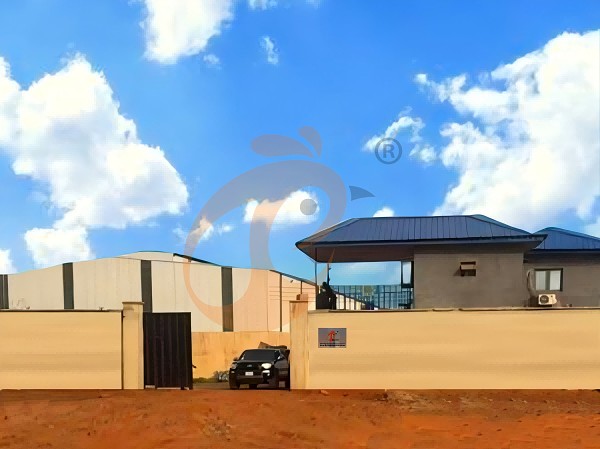
Nigeria Vanke Machinery And Equipment CO., LTD
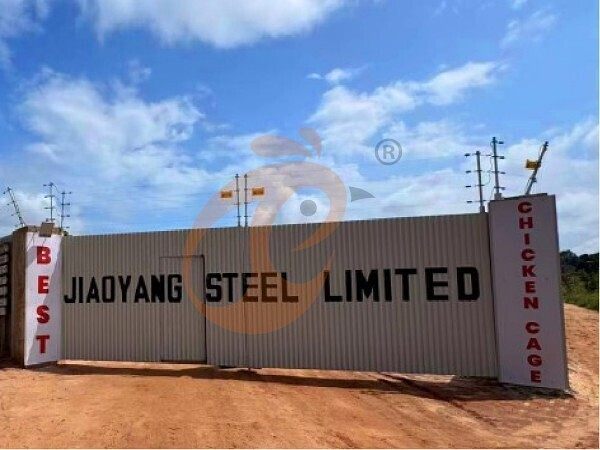
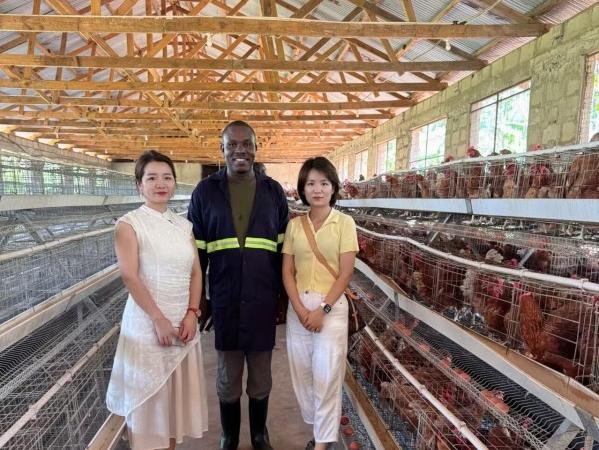
Tanzania Best Machinery And Equipment CO., LTD
Ethiopia Best Hebei Machinery Manufacturing PLC
Reception /24 WhatsApp NO. : +8618830120193
PRODUCTS RECOMMENDED
 China Branch Manufacture Poultry Farm EquipmentRead More
 Ethiopia Branch Manufacture Poultry Farm EquipmentRead More
 Nigeria Branch Manufacture Poultry Farm EquipmentRead More
 Tanzania Branch Manufacture Poultry Farm EquipmentRead More
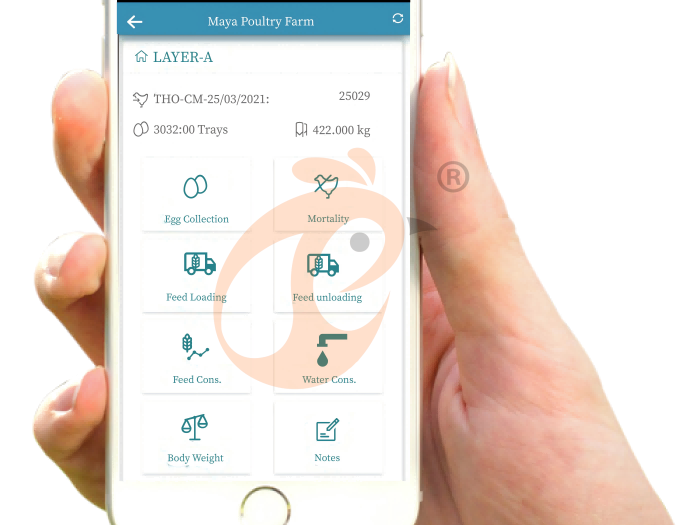
 IoT Smart Poultry FarmRead More
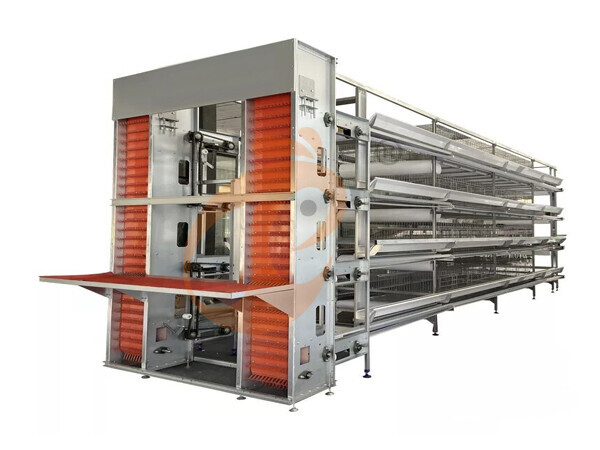
 >30,000 Layers Automatic H Type Battery CageRead More
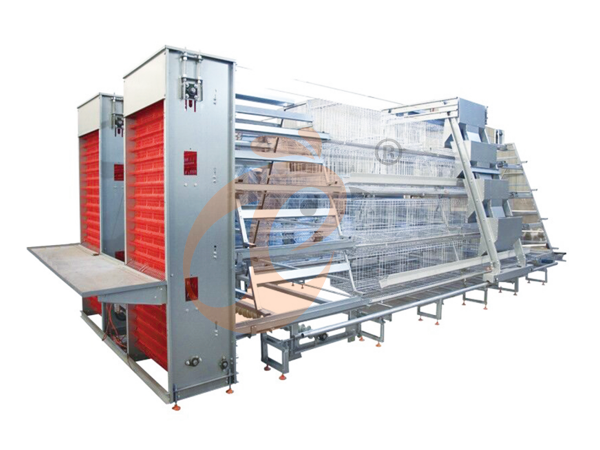
 10,000 - 30,000 Layers Automatic A Type Battery CageRead More
MESSAGE
NEWS
 50,000 - 100,000 chickens/house: poultry farm solution, chicken cage, poultry farm equipment, AI smart managementRead More
 30,000 - 50,000 chickens/house: poultry farm solution, chicken cage, poultry farm equipment, AI smart managementRead More
 10,000 - 30,000 chickens/house: poultry farm solution, chicken cage, poultry farm equipment, AI smart managementRead More
 100 - 10,000 chickens/house: poultry farm solution, chicken cage, poultry farm equipment, AI smart managementRead More