

NEWS
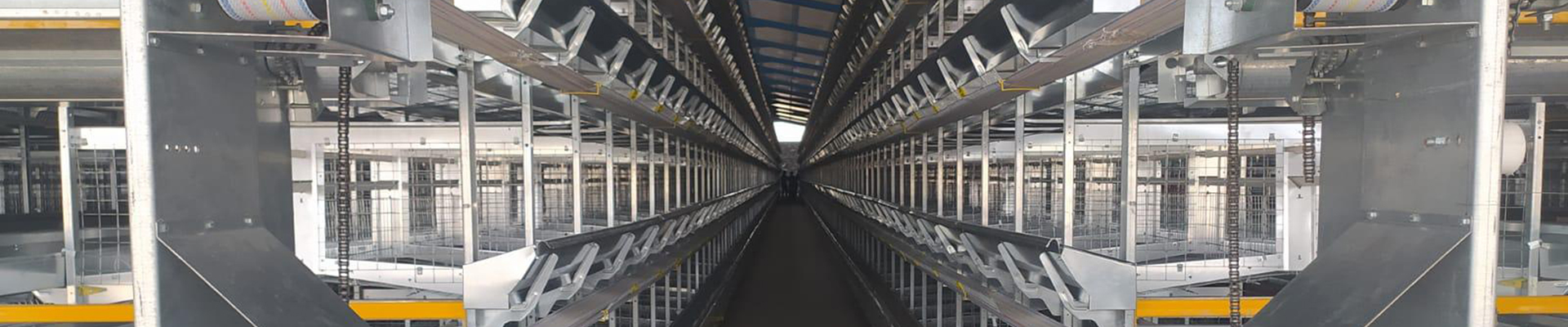
Broiler chicken cage management starts with systematic inspections that improve flock health, equipment stability, and production efficiency across commercial poultry farms.
Learn practical methods for checking feeding, drinking, ventilation, lighting, and environmental control while maximizing the performance of automatic poultry equipment.
Discover how routine maintenance reduces unexpected downtime, extends equipment service life, and supports stable broiler growth under controlled housing conditions.
Understand the relationship between birds, poultry housing systems, automation, and engineering management through measurable operational practices and reference values.
Explore daily management knowledge that helps investors, farm managers, and poultry professionals achieve reliable production with modern poultry equipment.
Get professional poultry farm construction guidance, equipment selection solutions, and the latest price lists, whatsApp to +8618830120193, click to learn more.
Check Bird Health And Activity Every Morning
The first inspection should always focus on the birds themselves.
Observe whether broilers are evenly distributed throughout each cage, actively eating and drinking, and responding normally to movement.
Birds showing abnormal posture, breathing difficulty, swollen joints, or reduced appetite should be be isolated for further observation.
Walking every aisle ensures that problems are identified before they spread through the flock.
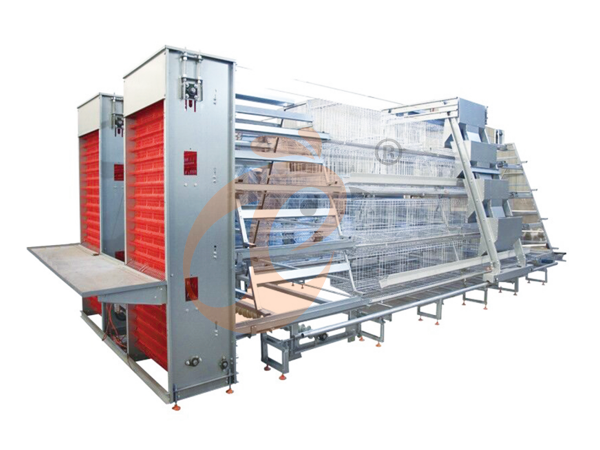
Well-designed broiler chicken cage systems provide better visibility, allowing workers to inspect thousands of birds efficiently while minimizing stress during routine management.
Data is for reference only.Swipe horizontally to view full table.
Verify Feed Distribution Accuracy
Feed represents the largest operating cost on most broiler farms.
Every day, operators should inspect feed troughs, feed augers, and feed hoppers to ensure feed reaches every cage uniformly.
Uneven distribution can produce inconsistent body weights and unnecessary feed waste.
Automatic feeding systems installed with broiler cages improve consistency, but motors, sensors, and feed lines still require regular observation.
Proper calibration extends equipment life while maintaining uniform flock growth through reliable automatic poultry equipment.
Routine inspection of the feeding mechanism also reduces unexpected mechanical failures and improves production continuity.
Data is for reference only.Swipe horizontally to view full table.
Confirm Water Supply Performance
Clean drinking water is essential for broiler growth.
Every nipple drinker should provide consistent water flow without leakage.
Blocked nipples reduce water intake, while leaking drinkers increase litter moisture and house humidity.
Water pressure should remain stable throughout the poultry house to ensure equal access for every cage level.
Modern poultry cage equipment uses automatic nipple drinking systems that simplify daily management while reducing contamination compared with traditional water containers.
Data is for reference only.Swipe horizontally to view full table.
Modern poultry science emphasizes that bird health depends on the interaction between nutrition, environmental conditions, genetics, and equipment reliability.
A healthy broiler can only achieve its growth potential when feed delivery, water availability, ventilation, and housing conditions remain stable every day.
Preventive equipment maintenance therefore contributes directly to disease prevention rather than simply extending equipment service life.
Commercial poultry farms increasingly combine automated cage systems with environmental monitoring to improve management consistency, operational efficiency, and flock performance.
Monitor Ventilation And Air Quality
Ventilation directly influences oxygen availability, moisture removal, dust concentration, and ammonia control.
Workers should inspect exhaust fans, air inlets, cooling pads, and environmental controllers during every inspection cycle.
Uniform airflow across every cage row helps maintain consistent broiler growth while protecting respiratory health.
Properly engineered poultry house ventilation equipment works together with the broiler cage system to distribute fresh air evenly throughout the building.
Routine environmental monitoring also improves equipment efficiency and reduces unnecessary energy consumption.
Data is for reference only.Swipe horizontally to view full table.
Inspect Cage Structure And Mechanical Components
Although galvanized broiler cages are designed for long service life, daily visual inspections help prevent small mechanical issues from developing into expensive repairs.
Workers should examine cage doors, wire floors, support columns, fastening components, manure belts, and transmission mechanisms before production begins each day.
Reliable poultry housing equipment improves operational safety while reducing unexpected downtime.
Scheduled inspections also help maintain stable equipment performance throughout the production cycle.
Data is for reference only.Swipe horizontally to view full table.
Evaluate Lighting System Performance
Lighting programs influence feeding behavior, bird movement, resting periods, and overall production consistency.
Burned-out lamps, controller failures, or uneven illumination should be corrected immediately.
Led poultry lighting systems installed inside modern poultry houses provide stable brightness while reducing electricity consumption.
Daily verification ensures every section of the poultry house receives consistent illumination according to the farm management program.
Reliable lighting coordination also complements the performance of automatic poultry equipment throughout the production cycle.
Data is for reference only.Swipe horizontally to view full table.
Review Manure Removal And Equipment Records
Efficient manure removal systems help maintain cleaner housing conditions while reducing bacterial growth and ammonia accumulation.
Manure belt conveyors should operate smoothly without excessive accumulation beneath each cage row.
Maintenance records should document every inspection result, equipment adjustment, and abnormal operating condition.
Comprehensive operational records help managers identify recurring equipment issues and establish preventive maintenance schedules.
Accurate documentation improves equipment reliability and supports long-term production planning.
Data is for reference only.Swipe horizontally to view full table.
Daily management involves much more than observing chickens.
Successful commercial production depends on the coordinated operation of birds, housing equipment, automation, and environmental control.
Automated feeding systems, nipple drinking lines, ventilation equipment, manure removal systems, intelligent lighting controllers, and durable broiler chicken cage installations operate together as one integrated production platform.
When every component functions correctly, poultry farms can improve feed utilization, reduce labor requirements, maintain healthier birds, and achieve more consistent production results.
By following these seven essential daily checks, producers can protect both their investment in modern poultry equipment and the long-term productivity of every broiler flock.
Frequently Asked Questions
Q1: How often should a broiler chicken cage system be inspected?
A1: Commercial poultry farms should complete at least two comprehensive inspections every day.
Critical equipment such as feeders, drinkers, and ventilation fans should be observed during each operating shift.
Routine inspections generally require about 15–20 minutes for each poultry house.
Q2: Why is ventilation inspection important for broiler production?
A2: Proper ventilation maintains fresh air circulation while controlling moisture, carbon dioxide, and ammonia.
Maintaining approximately 22°c and about 60% relative humidity supports comfortable housing conditions and stable flock performance.
Q3: Which equipment requires the most frequent maintenance?
A3: Automatic feeding systems, nipple drinking lines, ventilation fans, manure removal belts, and lighting controllers require daily observation because they operate continuously throughout the production cycle.
Preventive maintenance significantly reduces unexpected equipment failures and extends service life.
Taiyu (HK) Group - One Of China Largest Broiler Chicken Cage Manufacturer
- Professional broiler chicken cage systems engineered for commercial poultry production projects.
- Global factory-direct supply covering complete poultry equipment manufacturing and technical support.
- Turn-key poultry farm engineering including design, manufacturing, installation, and commissioning.
- Customized automation solutions integrating feeding, drinking, ventilation, lighting, and manure removal systems.
- International project experience supporting efficient, reliable, and scalable poultry farm development.
Contact Us To Received Your Customized Poultry Farm Plan
Headquarters And Branchs

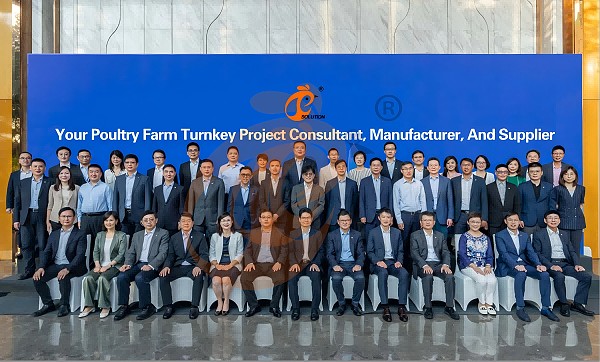
Hong Kong Headquarter Management Team
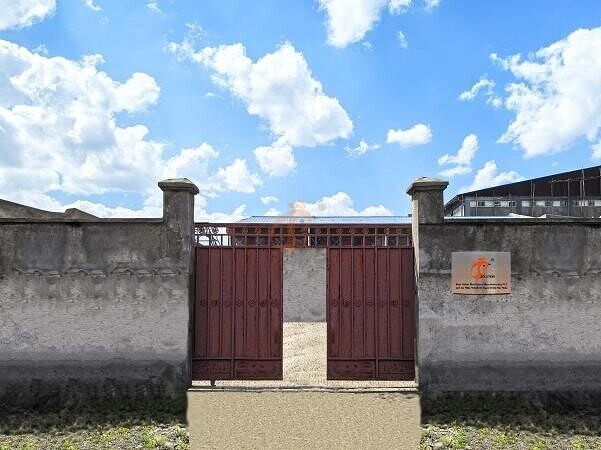
Hong Kong Headquarter Taiyu Industrial Group CO., LTD
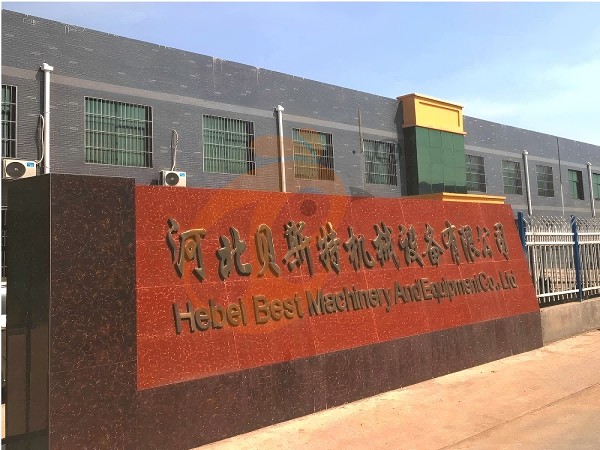
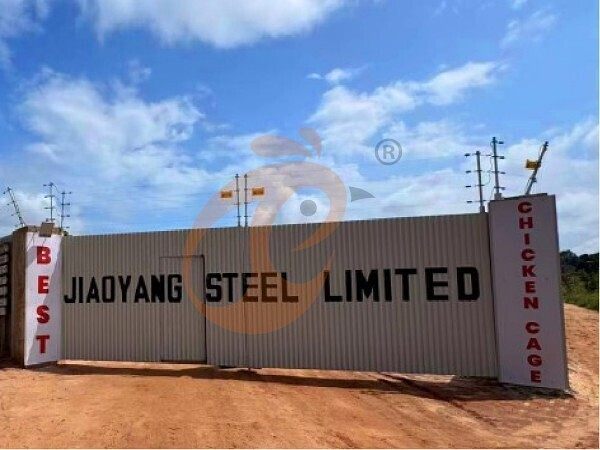
China Hebei Best Machinery And Equipment CO., LTD
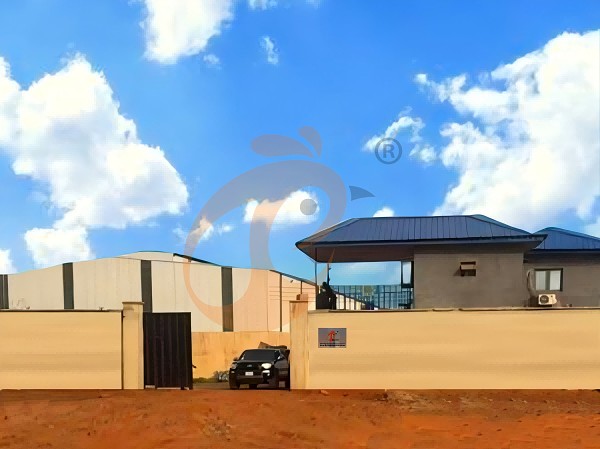
Nigeria Vanke Machinery And Equipment CO., LTD
Tanzania Best Machinery And Equipment CO., LTD
Ethiopia Best Hebei Machinery Manufacturing PLC
Reception /24 WhatsApp NO. : +8618830120193
PRODUCTS RECOMMENDED
 China Branch Manufacture Poultry Farm EquipmentRead More
 Ethiopia Branch Manufacture Poultry Farm EquipmentRead More
 Nigeria Branch Manufacture Poultry Farm EquipmentRead More
 Tanzania Branch Manufacture Poultry Farm EquipmentRead More
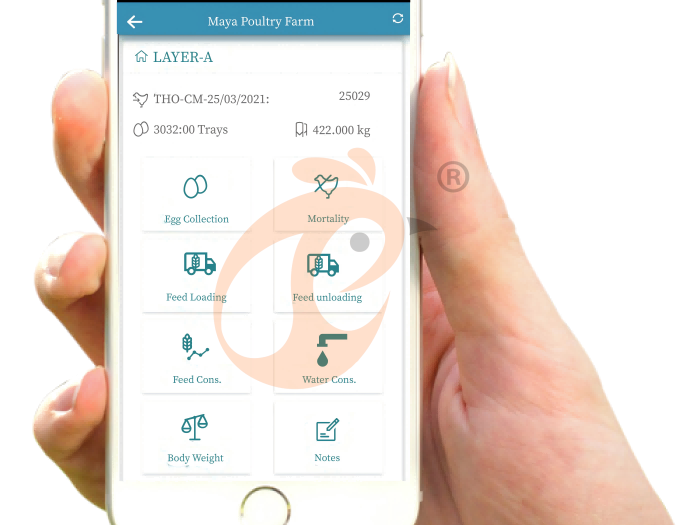
 IoT Smart Poultry FarmRead More
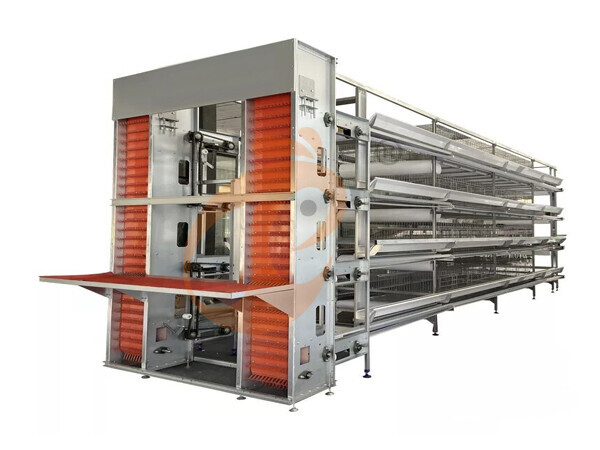
 >30,000 Layers Automatic H Type Battery CageRead More
 10,000 - 30,000 Layers Automatic A Type Battery CageRead More
MESSAGE
NEWS
 50,000 - 100,000 chickens/house: poultry farm solution, chicken cage, poultry farm equipment, AI smart managementRead More
 30,000 - 50,000 chickens/house: poultry farm solution, chicken cage, poultry farm equipment, AI smart managementRead More
 10,000 - 30,000 chickens/house: poultry farm solution, chicken cage, poultry farm equipment, AI smart managementRead More
 100 - 10,000 chickens/house: poultry farm solution, chicken cage, poultry farm equipment, AI smart managementRead More