

NEWS
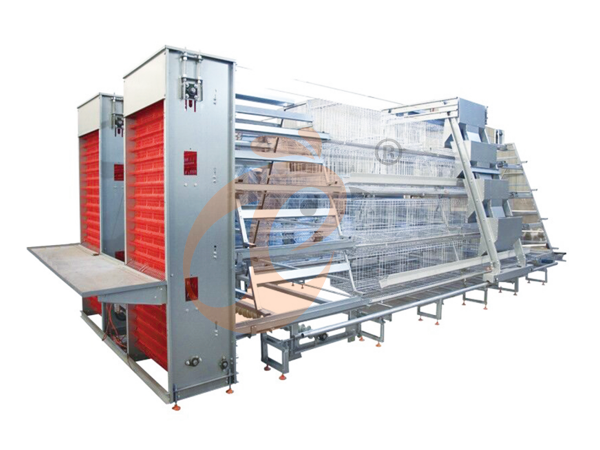
Layer chicken cage feeding system delivers automated feeding precision, cage structuring efficiency, modern poultry production optimization, enhancing egg yield across commercial farms
Advanced poultry housing integrates ventilation control lighting regulation hygiene management reducing labor dependency improving farm productivity through engineered equipment systems
Automated feeding lines stabilize nutrient delivery reduce waste support uniform growth across layered cage environments for large scale operations
Precision equipment design enhances airflow stability egg production consistency disease prevention supporting profitable poultry enterprises worldwide
Commercial farms benefit from engineered systems improving feed efficiency lowering mortality rates increasing long term operational returns global export market expansion support services
Get professional poultry farm construction guidance, equipment selection solutions, and the latest price lists, whatsApp to +8618830120193, click to learn more.
System Structure Overview In Layer Cage Feeding Solutions
A well-designed cage system directly determines flock stability, feed efficiency, and long-term operational cost.
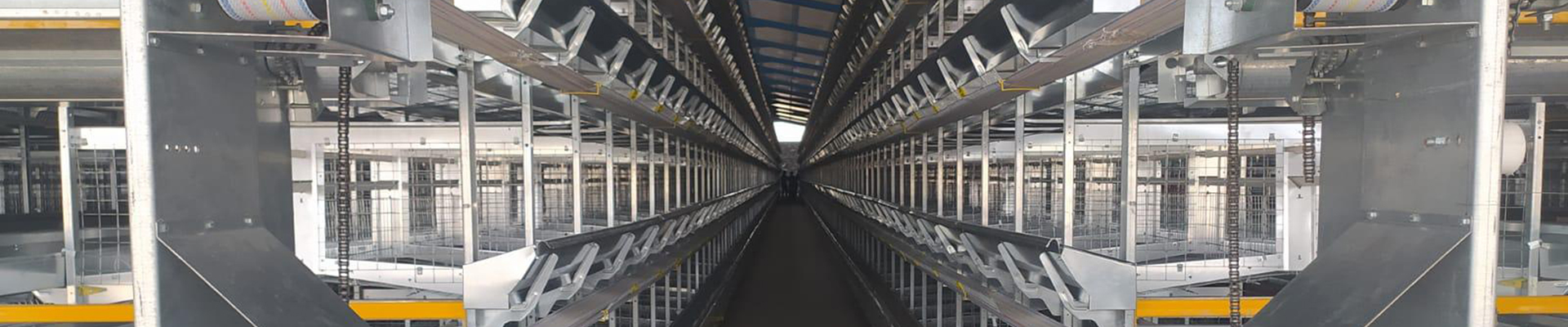
Our engineered systems combine durability and precision, especially in commercial layer chicken cage equipment applications where structural stability defines production success.
Data is for reference only.Swipe horizontally to view full table.
These configurations support scalable poultry production with stable mechanical strength and optimized space utilization.
Scientific Basis Of Feed Conversion And Egg Production
Biological efficiency is essential in poultry systems, especially when deploying a battery cage system for layers designed for controlled feeding behavior and environmental stability.
Feed utilization depends on metabolic absorption and system consistency.
Data is for reference only.Swipe horizontally to view full table.
Scientific regulation ensures stable laying cycles and predictable output performance.
Optimization Tip Precision Feed Distribution Control
One of the most effective improvements in an automatic poultry feeding system is maintaining equal feed delivery across all cage levels.
This reduces competition stress and stabilizes production consistency.
Data is for reference only.Swipe horizontally to view full table.
Precision feeding engineering directly improves flock uniformity and reduces feed waste.
Optimization Tip Ventilation And Airflow Balance
Air circulation is critical for respiratory health and egg production stability.
Proper airflow design reduces heat stress and improves system efficiency.
Data is for reference only.Swipe horizontally to view full table.
Balanced airflow improves long-term poultry house stability and production consistency.
Optimization Tip Lighting Regulation For Egg-Laying Stability
Lighting directly affects hormone regulation and laying rhythm stability.
Controlled photoperiod systems maintain predictable egg output across production cycles.
Data is for reference only.Swipe horizontally to view full table.
Stable lighting control enhances laying performance and reduces stress-related fluctuations.
Optimization Tip Automated Feeding Line Reliability
Automation reduces labor dependency and ensures consistent feeding schedules across large poultry farms.
Reliable systems form the backbone of modern poultry operations.
Data is for reference only.Swipe horizontally to view full table.
Automation ensures stable output performance in high-density poultry environments.
Optimization Tip Hygiene And Disease Prevention Systems
Hygiene control is essential for flock survival and long-term productivity.
Integrated cleaning systems reduce pathogen accumulation and improve environmental safety.
Data is for reference only.Swipe horizontally to view full table.
Sanitation engineering improves long-term biosecurity and production stability.
Layer Cage Performance Enhancement Engineering Parameters
Egg weight consistency control ensures 62–66 g average per egg improving grading uniformity in commercial layer production systems
Cage height optimization set at 58 cm improves bird mobility reducing feather damage and enhancing long term welfare stability
Manure belt transport speed maintained at 2.6 m/min reduces waste accumulation and improves hygiene efficiency inside poultry houses
Drinking nipple pressure regulated at 18 kpa ensures stable hydration improving feed conversion support across high density cages
Lighting uniformity index reaches 92 percent ensuring balanced distribution reducing stress variation and supporting consistent egg laying cycles
Ventilation air velocity maintained at 2.3 m/s improving comfort conditions across multi tier cage environments
Optimization Tip Economic Performance And Investment Planning
Investment in modern poultry systems generates long-term returns through efficiency gains and reduced labor costs.
Data is for reference only.Swipe horizontally to view full table.
European union standard reference only: currency values standardized in usd for global comparison.
Frquently Asked Questions
Q1: What capacity is suitable for a commercial layer chicken cage equipment project?
A1: Typical medium-scale systems support 20,000 to 60,000 birds per house.
Feed lines are usually designed with 120–160 kg/min delivery capacity to maintain uniform intake.
Q2: How does automatic poultry feeding system improve egg production stability?
A2: Consistent feed timing reduces stress variation and improves laying rate by approximately 2.5% to 4.8% depending on environmental control.
Q3: What is the maintenance cycle for battery cage system for layers?
A3: Most systems require structural inspection every 4 to 6 months, while feeding motors and sensors are checked monthly for optimal reliability.
Taiyu (HK) Group - One Of China Largest Layer Chicken Cage Exporter
- Layer chicken cage feeding system designed as integrated poultry automation solution combining feeding, ventilation, and cage structuring engineering
- Global factory direct supply ensuring cost efficiency, standardized manufacturing, and scalable production capacity for commercial poultry projects
- Full poultry equipment engineering covering design, fabrication, installation, and after-sales technical support for international farms
- Turn-key project delivery including farm planning, equipment installation, commissioning, and operational training for poultry enterprises
- Strong export capability supporting large-scale industrial poultry housing projects across Asia, Africa, Europe, and South America
Contact Us To Received Your Customized Poultry Farm Plan
Headquarters And Branchs
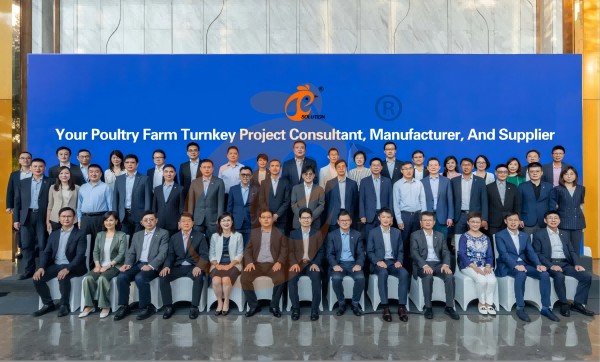
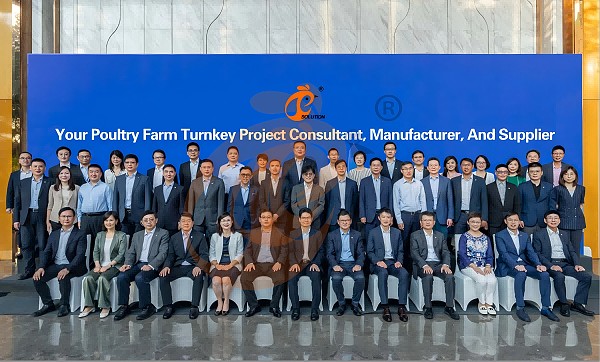
Hong Kong Headquarter Management Team
Hong Kong Headquarter Taiyu Industrial Group CO., LTD
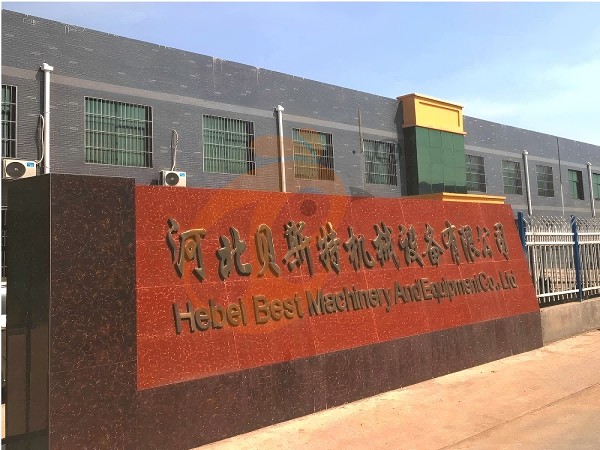
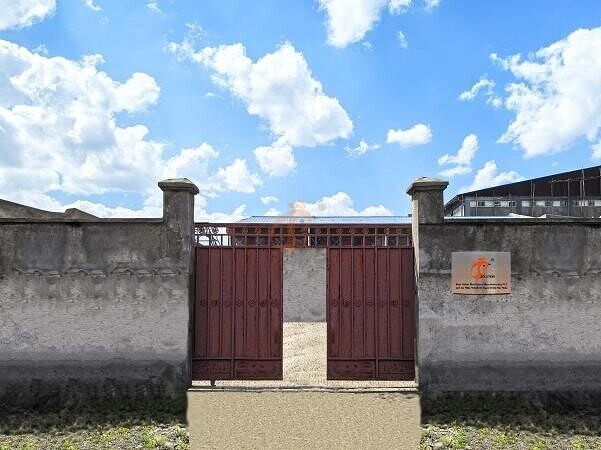
China Hebei Best Machinery And Equipment CO., LTD
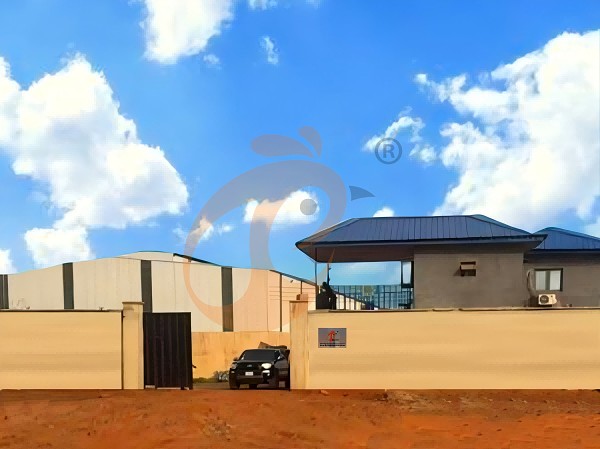
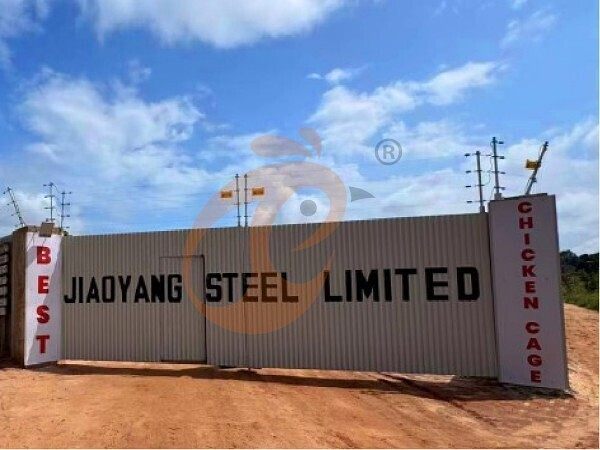
Nigeria Vanke Machinery And Equipment CO., LTD
Tanzania Best Machinery And Equipment CO., LTD
Ethiopia Best Hebei Machinery Manufacturing PLC
Reception /24 WhatsApp NO. : +8618830120193
PRODUCTS RECOMMENDED
 China Branch Manufacture Poultry Farm EquipmentRead More
 Ethiopia Branch Manufacture Poultry Farm EquipmentRead More
 Nigeria Branch Manufacture Poultry Farm EquipmentRead More
 Tanzania Branch Manufacture Poultry Farm EquipmentRead More
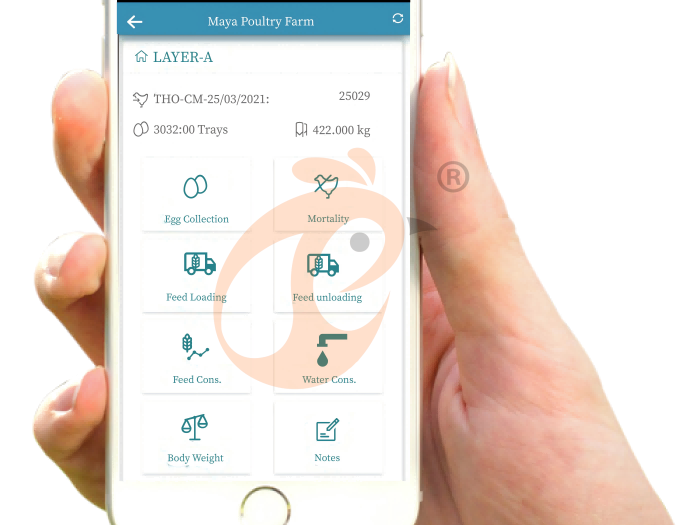
 IoT Smart Poultry FarmRead More
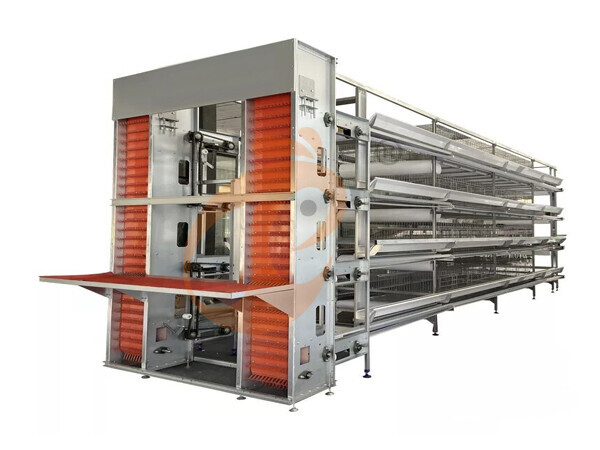
 >30,000 Layers Automatic H Type Battery CageRead More
 10,000 - 30,000 Layers Automatic A Type Battery CageRead More
MESSAGE
NEWS
 50,000 - 100,000 chickens/house: poultry farm solution, chicken cage, poultry farm equipment, AI smart managementRead More
 30,000 - 50,000 chickens/house: poultry farm solution, chicken cage, poultry farm equipment, AI smart managementRead More
 10,000 - 30,000 chickens/house: poultry farm solution, chicken cage, poultry farm equipment, AI smart managementRead More
 100 - 10,000 chickens/house: poultry farm solution, chicken cage, poultry farm equipment, AI smart managementRead More