

NEWS
Poultry equipment safety directly influences flock health, production stability, equipment lifespan, and long-term farm profitability through reliable engineering solutions.
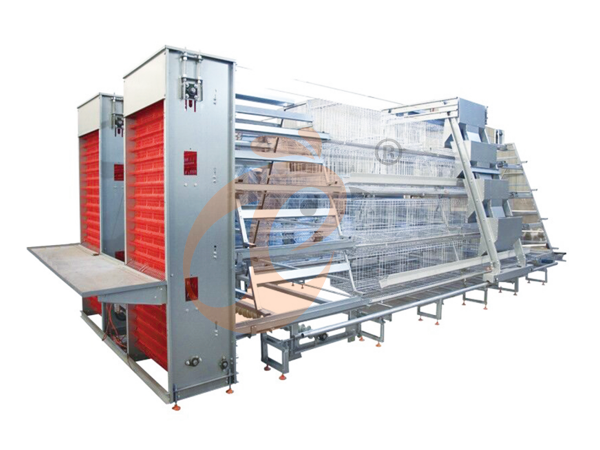
Modern poultry cage system designs combine automatic feeding, intelligent ventilation, and efficient manure removal to reduce labor demand while maintaining stable daily management.
Proper inspection routines, preventive maintenance, and professional installation help minimize unexpected downtime and protect valuable production assets throughout every growing cycle.
Reliable equipment manufactured with galvanized steel, precision components, and automated control technology supports cleaner poultry houses and better operating efficiency for commercial farms.
Practical safety measures, technical recommendations, equipment specifications, and purchasing guidance provide poultry producers with valuable information for selecting dependable farming solutions.
Get professional poultry farm construction guidance, equipment selection solutions, and the latest price lists, whatsApp to +8618830120193, click to learn more.
Why Poultry Equipment Safety Matters
Commercial poultry farms operate equipment almost continuously, making regular inspection an essential management task.
Industry guidance recommends checking automatic feeding, watering, and ventilation equipment at least once each day because equipment failure can quickly affect bird welfare and production performance.
Modern layer chicken cage systems manufactured from q235 steel with approximately 375 mpa tensile strength provide reliable structural performance while supporting long production cycles.
Proper equipment selection also reduces maintenance frequency and helps farms maintain predictable operating costs.
Data is for reference only. Swipe horizontally to view full table.
Select Durable Poultry Cage Systems
Equipment quality determines daily operating stability and long-term maintenance requirements.
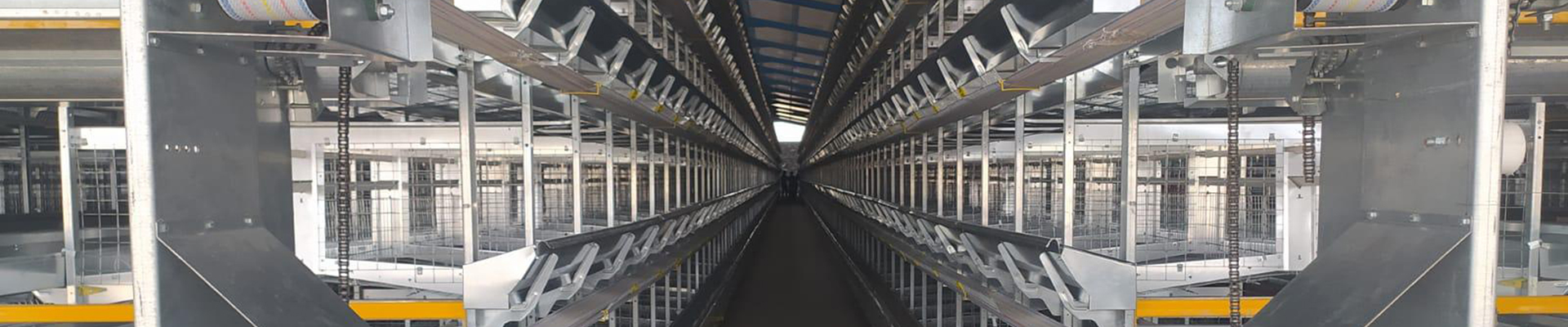
A professionally manufactured automatic poultry equipment solution combines cage structures, feeding lines, drinking systems, and manure removal into one coordinated management platform.
Hot-dip galvanized components with a zinc coating process help resist corrosion, while a wire diameter of 3.8 mm improves structural rigidity during continuous operation.
Mesh openings measuring 50 × 50 mm also provide comfortable bird movement and simplify routine cleaning.
Data is for reference only. Swipe horizontally to view full table.
Install Reliable Feeding And Drinking Equipment
Stable feed delivery helps maintain production consistency throughout every production cycle.
Automatic feeding equipment distributes feed evenly along the cage rows, reducing manual labor while improving feed utilization.
Nipple drinking systems should maintain clean water flow, and manufacturers generally recommend routine inspection before each production day begins. Regular observation also helps identify pressure variations before they influence flock performance.
Pipeline layouts with a transport distance of 90 m can efficiently serve medium-sized poultry houses when properly designed.
Data is for reference only. Swipe horizontally to view full table.
Maintain Healthy Poultry House Ventilation
Ventilation directly affects bird comfort, equipment durability, and operator safety.
Fresh air continuously removes moisture, dust, carbon dioxide, and ammonia generated inside poultry houses.
Industry recommendations indicate ammonia concentration should ideally remain below 25 ppm, while automatic ventilation systems should include emergency backup power and alarm functions for reliable operation.
An exhaust air velocity of approximately 2.6 m/s helps improve air exchange under normal operating conditions.
Data is for reference only. Swipe horizontally to view full table.
Perform Preventive Equipment Maintenance
Preventive maintenance reduces unexpected shutdowns and extends equipment service life.
Routine inspection should include drive motors, transmission chains, electrical cabinets, bearing assemblies, and emergency switches before production begins.
Engineering recommendations suggest that equipment safety should be incorporated during planning, installation, commissioning, and routine operation instead of only after failures occur.
A gearbox operating temperature around 65 °c and bearing vibration below 2.8 mm/s are commonly used reference values during routine condition monitoring.
Data is for reference only. Swipe horizontally to view full table.
Strengthen Farm Biosecurity Through Equipment Management
Safe poultry production depends on equipment management as much as bird management.
Cleaning and disinfecting transport carts, cages, and maintenance tools before entering different production zones helps reduce the possibility of disease transmission.
Automatic watering equipment should also be checked frequently to prevent malfunction, while ventilation systems should continuously supply fresh air and emergency generators should remain available for feeding, watering, lighting, and ventilation equipment. Ammonia exposure is ideally maintained below 10 ppm and should not exceed 25 ppm.
Equipment layouts with approximately 1.2 m maintenance aisles provide technicians with sufficient working space for routine servicing.
Data is for reference only. Swipe horizontally to view full table.
Upgrade Automation For Higher Operational Safety
Modern poultry farms increasingly integrate intelligent monitoring with automated production systems.
A complete poultry cage system can connect feeding equipment, nipple drinkers, manure removal, egg collection, environmental controllers, and alarm systems into one coordinated management platform.
Digital monitoring allows operators to identify equipment abnormalities before production losses become significant, while centralized control simplifies routine operation across multiple poultry houses.
Equipment investment ranging from usd 8,500 to usd 32,000 for different automation modules is commonly evaluated according to production scale.
European union standard reference only.
Data is for reference only. Swipe horizontally to view full table.
Optimize Electrical Safety And Emergency Response
Electrical systems support every major operating function inside modern poultry houses.
Power distribution cabinets should remain dry, clearly labeled, and accessible for maintenance personnel during routine inspections.
Engineering guidelines recommend integrating emergency generators, automatic alarms, and equipment safety reviews into project planning to reduce operational risks before installation begins.
A standby generator rated at 80 kw can maintain essential ventilation and feeding equipment during temporary power interruptions.
Data is for reference only. Swipe horizontally to view full table.
Improve Equipment Selection Before Farm Expansion
Selecting equipment should match future production plans instead of only current flock numbers.
Many commercial farms prefer modular layer chicken cage solutions because additional cage rows, feeding systems, and environmental control equipment can be installed without major structural reconstruction.
Professional engineering teams usually evaluate poultry house dimensions, ventilation requirements, bird capacity, and equipment layout before manufacturing begins, helping reduce installation time and improve project coordination.
Proper planning also supports easier maintenance throughout the equipment lifecycle.
A poultry house measuring 96 m in length and 15 m in width can efficiently accommodate integrated automatic production equipment depending on management objectives.
Equipment investment commonly ranges from usd18,000 to usd 75,000 according to project scale.
European union standard reference only.
Data is for reference only. Swipe horizontally to view full table.
Science Behind Safe Poultry Equipment
Scientific management combines engineering design with animal welfare principles.
Proper ventilation removes excessive moisture, airborne dust, and harmful gases, while automated feeding systems maintain more consistent feed distribution throughout the production cycle.
Routine inspection records, equipment testing, and preventive maintenance significantly reduce mechanical failures and support stable poultry house performance under continuous operation.
Modern poultry facilities also benefit from intelligent environmental controllers capable of monitoring temperature, humidity, and ventilation performance in real time.
Choose A Professional Poultry Equipment Manufacturer
Reliable equipment begins with professional engineering rather than individual machine selection.
Manufacturers with integrated production capability can provide complete automatic poultry equipment solutions covering cage systems, feeding equipment, nipple drinking lines, manure removal machines, egg collection systems, ventilation equipment, and intelligent environmental controllers.
Engineering teams normally prepare customized layouts according to poultry house dimensions, local climate, flock quantity, and future expansion plans, helping customers improve installation efficiency and long-term operating stability.
Complete project planning also simplifies equipment maintenance, spare parts management, and technical support throughout the production lifecycle.
Equipment safety should be considered during planning, purchasing, installation, and commissioning to reduce operational risks before production begins.
Frequently Asked Questions
Q1: What is the most important poultry equipment for farm safety?
A1: A complete poultry cage system integrated with automatic feeding, nipple drinking, ventilation, and manure removal equipment creates a safer production environment.
Routine inspections every day and preventive servicing every 30 days help reduce unexpected equipment failures while maintaining stable flock management.
Q2: How often should poultry equipment be maintained?
A2: Daily visual inspections should cover feeding systems, drinking lines, ventilation fans, and electrical components.
Lubrication, calibration, and replacement schedules should follow manufacturer recommendations, while maintenance records help improve long-term equipment reliability.
Many farms review major transmission components every 180 days and verify electrical systems before each production cycle.
Q3: Why is automatic poultry equipment better than manual equipment?
A3: Automatic systems improve feed consistency, reduce manual labor, and maintain more stable environmental conditions inside poultry houses.
Integrated controllers can coordinate feeding, ventilation, lighting, and manure removal simultaneously, helping commercial farms achieve more efficient production management.
Projects equipped with intelligent monitoring also allow operators to respond more quickly to abnormal operating conditions before they affect production.
Taiyu (HK) Group - One Of China Largest Poultry Equipment Manufacturer
Poultry equipment products include layer chicken cage, broiler cage systems, breeder cages, automatic feeding systems, nipple drinking systems, manure removal equipment, egg collection machines, and intelligent ventilation solutions for commercial poultry farms.
Global factory direct manufacturing supports customized production, stable quality control, and competitive project solutions for customers across Asia, Africa, the Middle East, Europe, and South America.
Complete poultry equipment engineering covers equipment manufacturing, layout optimization, installation guidance, commissioning, operator training, and spare parts support throughout the project lifecycle.
Professional turn-key poultry farm projects integrate steel structure design, cage installation, environmental control systems, automatic feeding, water supply, ventilation, and intelligent management platforms into one complete engineering solution.
Experienced technical engineers provide project evaluation, production planning, equipment configuration, remote technical assistance, and long-term after-sales service to help customers achieve stable poultry production with reliable operating performance.
Contact Us To Received Your Customized Poultry Farm Plan
Headquarters And Branchs
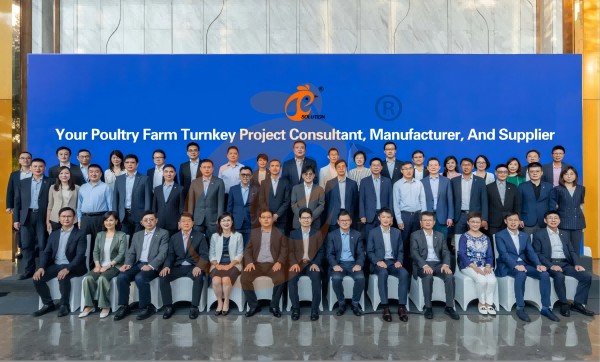
Hong Kong Headquarter Management Team
Hong Kong Headquarter Taiyu Industrial Group CO., LTD
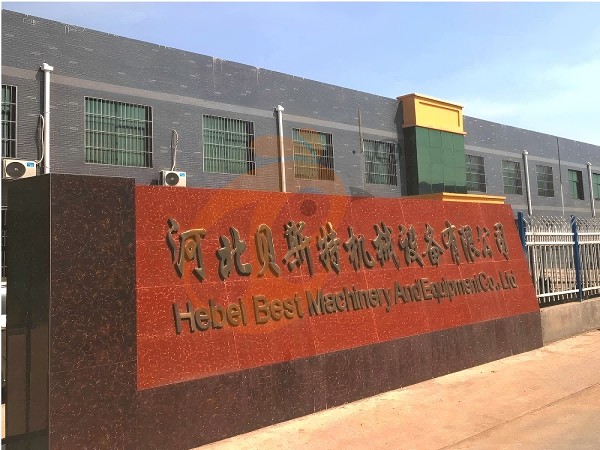
China Hebei Best Machinery And Equipment CO., LTD
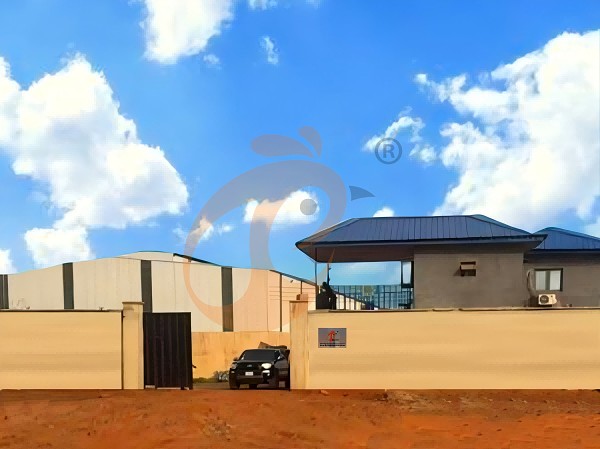
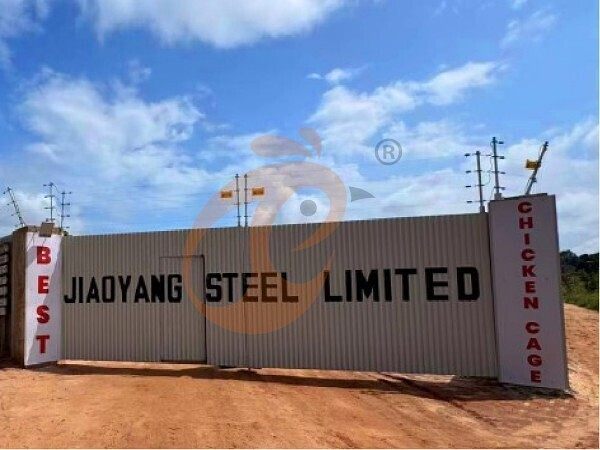
Nigeria Vanke Machinery And Equipment CO., LTD
Tanzania Best Machinery And Equipment CO., LTD
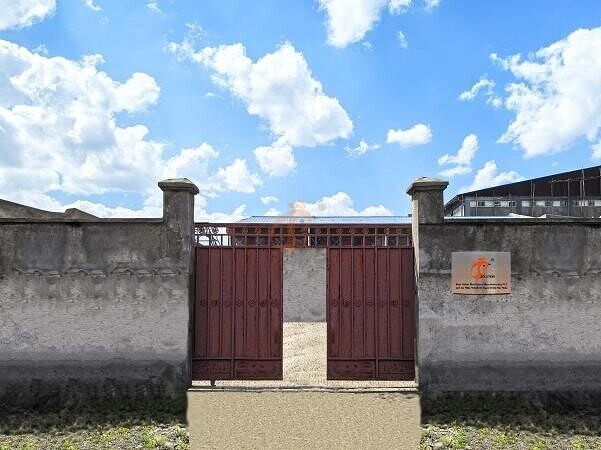
Ethiopia Best Hebei Machinery Manufacturing PLC
Reception /24 WhatsApp NO. : +8618830120193
PRODUCTS RECOMMENDED
 China Branch Manufacture Poultry Farm EquipmentRead More
 Ethiopia Branch Manufacture Poultry Farm EquipmentRead More
 Nigeria Branch Manufacture Poultry Farm EquipmentRead More
 Tanzania Branch Manufacture Poultry Farm EquipmentRead More
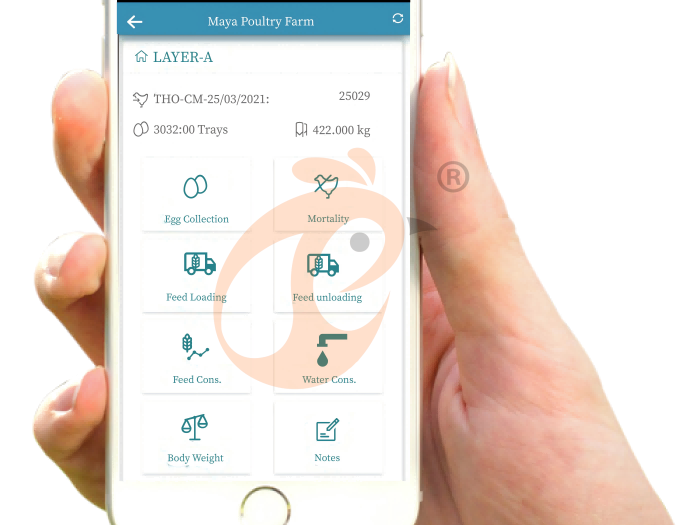
 IoT Smart Poultry FarmRead More
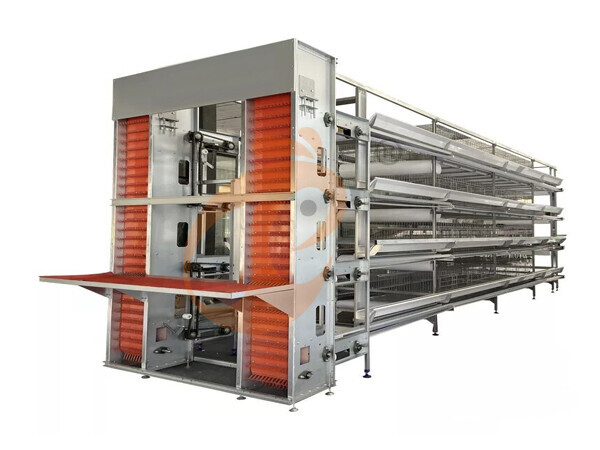
 >30,000 Layers Automatic H Type Battery CageRead More
 10,000 - 30,000 Layers Automatic A Type Battery CageRead More
MESSAGE
NEWS
 50,000 - 100,000 chickens/house: poultry farm solution, chicken cage, poultry farm equipment, AI smart managementRead More
 30,000 - 50,000 chickens/house: poultry farm solution, chicken cage, poultry farm equipment, AI smart managementRead More
 10,000 - 30,000 chickens/house: poultry farm solution, chicken cage, poultry farm equipment, AI smart managementRead More
 100 - 10,000 chickens/house: poultry farm solution, chicken cage, poultry farm equipment, AI smart managementRead More