

BLOG
Automatic poultry watering systems improve flock hydration stability, intestinal health management, and broiler production efficiency in high-density chicken farms.
Chicken nipple drinker equipment reduces microbial exposure inside poultry houses operating at stocking densities between 30 kg/m² and 42 kg/m².
Modern poultry drinking systems maintain stable flow control accuracy within ±5% pressure fluctuation during continuous commercial production cycles.
Stainless steel nipple drinkers reduce suspended solids accumulation inside pipelines and support cleaner water delivery under intensive farming environments.
Commercial poultry farms using automatic chicken drinkers commonly achieve 4%-8% lower litter replacement frequency and reduced annual maintenance expenditure.
Get professional poultry farm construction guidance, equipment selection solutions, and the latest price lists, whatsApp to +8618830120193, click to learn more.
Understanding Poultry Nipple Drinkers
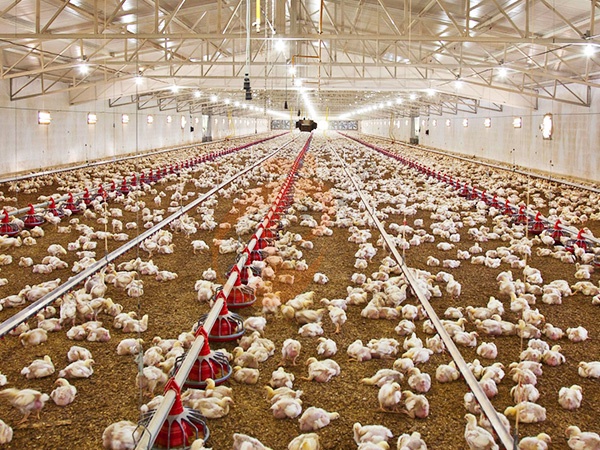
Nipple drinkers are precision watering devices installed along suspended pipeline systems inside poultry houses.
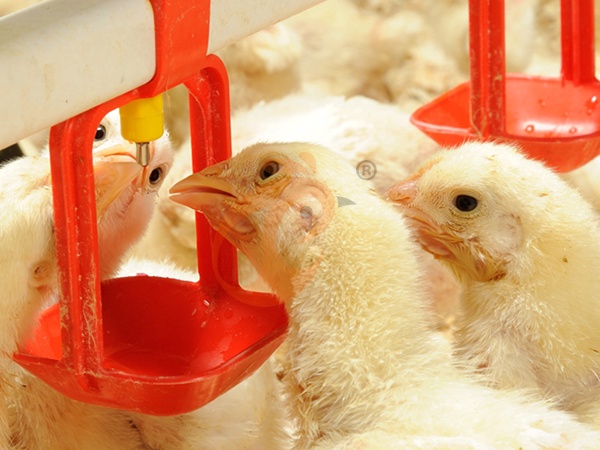
Each stainless steel nipple valve releases water only after pecking activation by poultry birds.
This design prevents unnecessary exposure between drinking water and contaminated litter materials.
Commercial nipple lines commonly operate with pipeline diameters between 22 mm and 28 mm for stable water transportation efficiency.
Data is for reference only.Swipe horizontally to view full table.
Modern chicken nipple drinker systems are commonly integrated with medicators, flushing valves, anti-perching structures, and water filtration devices.
Commercial broiler farms exceeding 20,000 birds generally depend on automatic poultry watering systems for continuous hygienic operation.
Poultry Water Consumption Requirements
Water intake directly influences poultry metabolism, body temperature regulation, and digestive performance.
Commercial broilers normally consume nearly twice as much water as feed under moderate environmental conditions.
Drinking water temperatures between 10°c and 21°c generally support stable intake behavior in intensive poultry houses.
Continuous water interruption exceeding three hours may negatively affect daily weight gain during finishing stages.
Data is for reference only.Swipe horizontally to view full table.
A commercial broiler farm containing 50,000 birds may require more than 35,000 liters of drinking water every day during peak production periods.
Summer temperatures above 30°c may increase poultry water demand by 35%-45% compared with cooler seasons.
Cleaner Water Improves Poultry Health
Open drinking systems expose water directly to poultry manure, feed dust, feathers, and litter particles.
Closed nipple drinking systems reduce external contamination by maintaining sealed water transportation inside pipelines.
Reduced sunlight exposure inside enclosed pipelines also limits algae formation in warm-climate poultry regions.
Commercial farms frequently maintain water ph between 5.5 and 6.2 to improve digestive stability during early growth stages.
Data is for reference only.Swipe horizontally to view full table.
Lower bacterial exposure supports stronger digestive performance and improved nutrient absorption efficiency.
Poultry farms maintaining total dissolved solids below 1,000 ppm generally achieve more stable flock hydration performance.
Reduced Water Waste Lowers Farm Operating Costs
Traditional bell drinkers frequently lose water through splashing and accidental poultry movement.
Modern poultry drinking systems release only controlled water quantities during active drinking behavior.
Well-calibrated nipple systems may reduce total farm water consumption by 18%-32% compared with unmanaged open drinkers.
Commercial poultry operations often reduce wastewater disposal volume after upgrading to anti-drip nipple systems.
Data is for reference only.Swipe horizontally to view full table.
Installation investment for automatic chicken drinkers commonly ranges between $0.45 and $1.20 per bird capacity depending on automation level.
European union standard reference only.
Commercial poultry operations with six annual broiler cycles may reduce yearly water disposal expenses by approximately $2,800-$7,500 after implementing leak-controlled nipple drinking systems.
Dry Litter Supports Better Poultry House Environment
Wet litter increases ammonia generation and accelerates bacterial multiplication inside enclosed poultry houses.
Broiler farms using leaking drinkers commonly experience litter moisture above 35% near watering areas.
Properly adjusted automatic poultry watering systems generally maintain litter moisture between 20% and 28%.
Litter moisture exceeding 32% frequently develops hardened caking layers restricting floor airflow circulation.
Data is for reference only.Swipe horizontally to view full table.
Tunnel-ventilated poultry houses maintaining ammonia concentration below 15 ppm generally achieve improved respiratory conditions.
Dry litter also decreases insect breeding activity and reduces floor replacement frequency during production cycles.
Poultry Science Knowledge About Water And Feed Intake
Water consumption and feed intake remain closely connected throughout poultry growth cycles.
Broilers with unrestricted access to clean drinking water generally achieve more stable feed conversion performance.
Temporary water restriction lasting 12 hours may reduce feed intake by approximately 20% during subsequent feeding periods.
Research trials recorded average daily gain improvements between 45 g and 68 g per bird after optimizing nipple line height.
Data is for reference only.Swipe horizontally to view full table.
A 0.10 reduction in fcr may save several metric tons of feed annually in commercial broiler operations exceeding 100,000 birds.
Commercial feed costs commonly represent 60%-70% of total poultry production expenditure.
Proper Nipple Drinker Installation Standards
Correct installation significantly influences drinking system efficiency and water distribution consistency.
Incorrect pressure configuration may cause leakage or unstable flow rates across extended poultry house pipelines.
Young chicks require lower pressure settings because excessive flow may frighten newly hatched birds.
Professional installers generally maintain nipple line slope deviation below 0.2% across total building length.
Data is for reference only.Swipe horizontally to view full table.
Nipple height adjustment should encourage natural upward neck extension without excessive stretching pressure.
Commercial poultry houses exceeding 120 m length commonly install dual pressure regulators for balanced water distribution.
Automatic Poultry Watering Systems Reduce Labor Demand
Large-scale poultry farms require efficient labor management to maintain profitability.
Automatic poultry watering systems eliminate frequent manual refilling and reduce daily cleaning requirements.
Automatic flushing programs operating every 5-7 days commonly reduce mineral deposition inside drinking pipelines.
Integrated watering systems also decrease worker movement inside biosecurity-sensitive poultry production zones.
Data is for reference only.Swipe horizontally to view full table.
Professional installation for automated drinking systems commonly costs between $1,200 and $6,500 depending on poultry house dimensions.
European union standard reference only.
A poultry farm employing four workers per 25,000 birds may reduce daily maintenance labor requirements by approximately 4-6 working hours after transitioning to automated nipple systems.
Poultry Uniformity Benefits
Uniform poultry growth improves slaughterhouse processing consistency and feed management accuracy.
Uneven water access frequently causes body weight variation across poultry flocks during finishing periods.
Automatic chicken drinkers distribute water uniformly through suspended drinking lines positioned across poultry houses.
Broiler farms maintaining body weight coefficient variation below 10% generally achieve improved grading efficiency.
Data is for reference only.Swipe horizontally to view full table.
Higher flock uniformity simplifies harvesting schedules and improves carcass weight consistency during processing operations.
Integrated poultry companies frequently target final flock uniformity above 90% for export-oriented production management.
Different Types Of Poultry Nipple Drinkers
Different poultry species require different nipple flow rates and mechanical configurations.
Broilers generally use vertical pin nipples, while cage systems frequently adopt side-action structures.
Commercial duck farms often operate drinking systems with flow rates exceeding 100 ml/min during rapid growth stages.
High-quality 304 stainless steel nipples commonly achieve operational durability exceeding five years under commercial usage conditions.
Data is for reference only.Swipe horizontally to view full table.
Stainless steel nipple drinkers generally provide longer operational lifespan under continuous commercial poultry production conditions.
Proper flow-rate selection improves drinking accessibility while minimizing unnecessary water discharge.
Environmental And Sustainability Advantages
Water conservation remains increasingly important in modern poultry agriculture.
Automatic poultry watering systems reduce wastewater generation and decrease litter disposal frequency.
Commercial poultry operations reducing annual water usage by 15%-25% frequently achieve lower wastewater transport requirements.
Lower ammonia concentration also improves surrounding environmental conditions near poultry facilities.
Data is for reference only.Swipe horizontally to view full table.
Improved resource efficiency supports sustainable poultry production management under modern agricultural standards.
Commercial poultry farms integrating automated ventilation and drinking systems commonly maintain more stable humidity control during seasonal climate changes.
Frequently Asked Questions
Q1: How many chickens can use one nipple drinker?
A1: Commercial broiler farms commonly allocate one nipple for every 8 to 12 broiler chickens depending on bird size and climate conditions.
Layer farms usually allocate one nipple for every 10 to 14 birds because water competition patterns differ from broiler production systems.
Poultry houses operating under tropical temperatures above 34°c often reduce bird-to-nipple ratios to improve drinking accessibility during heat stress periods.
Q2: Why does water leakage occur in poultry nipple systems?
A2:Water leakage usually results from excessive pressure, damaged seals, improper nipple height, or low-quality stainless steel components.
Regular flushing and pressure inspection help maintain stable drinking system operation.
Hard water containing calcium concentrations above 180 ppm may accelerate mineral scaling inside nipple mechanisms and increase long-term leakage probability.
Q3: Are automatic chicken drinkers suitable for cage-free poultry farms?
A3: Modern automatic poultry watering systems are widely used in cage-free, free-range, and floor-raised poultry farms.
Suspended nipple lines improve water distribution efficiency while reducing contamination risks in large open poultry houses.
Cage-free layer systems commonly install drinking line spacing between 3 m and 4 m to maintain stable bird access across elevated activity zones.
Taiyu (HK) Group - One Of China Biggest Nipple Drinkers Supplier
Commercial stainless steel nipple drinkers engineered for intensive broiler and layer production environments
Global factory-direct poultry equipment supply supporting large-scale automated poultry farming construction requirements
Professional poultry cage manufacturing integrated with automatic feeding, ventilation, and watering technology systems
Turn-key poultry engineering solutions covering farm design, installation, commissioning, and technical management support
International poultry project export experience supporting commercial chicken farm development across multiple agricultural regions
Contact Us To Received Your Customized Poultry Farm Plan
Headquarters And Branchs

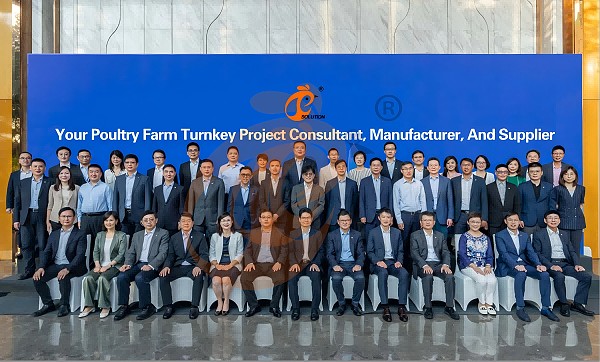
Hong Kong Headquarter Management Team
Hong Kong Headquarter Taiyu Industrial Group CO., LTD
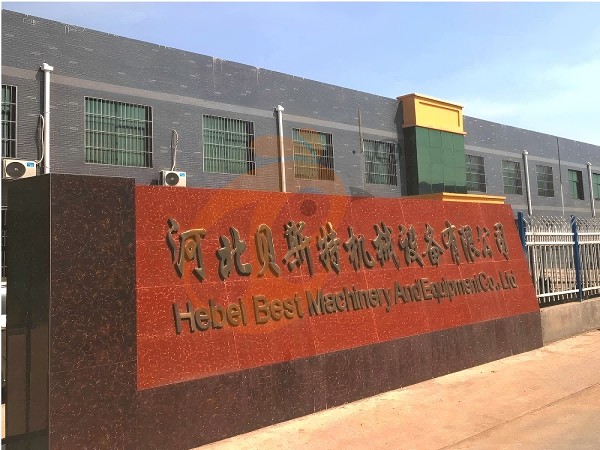
China Hebei Best Machinery And Equipment CO., LTD
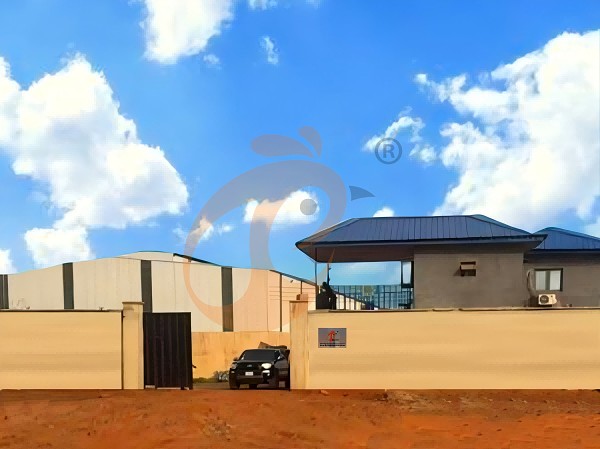
Nigeria Vanke Machinery And Equipment CO., LTD
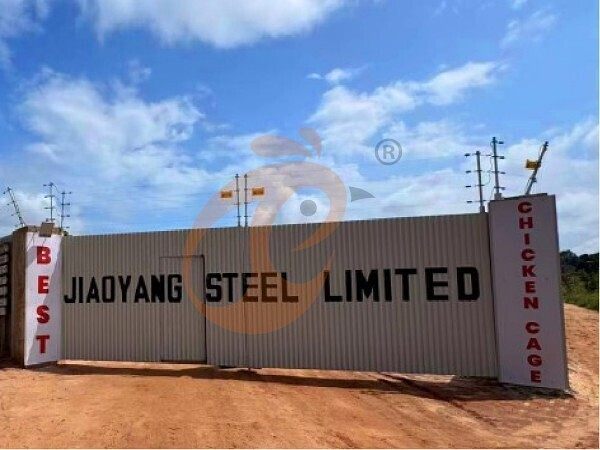
Tanzania Best Machinery And Equipment CO., LTD
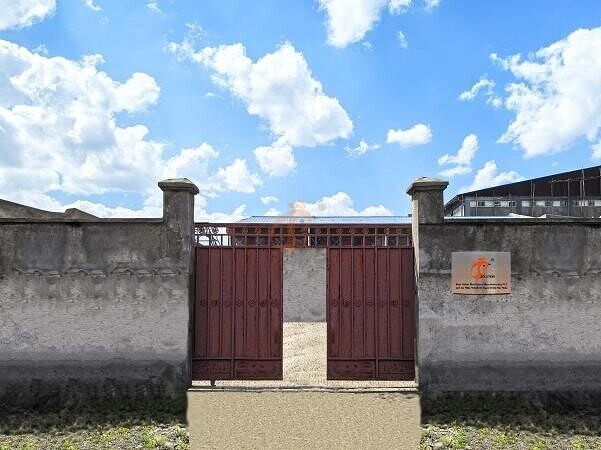
Ethiopia Best Hebei Machinery Manufacturing PLC
Reception /24 WhatsApp NO. : +8618830120193
PRODUCTS RECOMMENDED
 China Branch Manufacture Poultry Farm EquipmentRead More
 Ethiopia Branch Manufacture Poultry Farm EquipmentRead More
 Nigeria Branch Manufacture Poultry Farm EquipmentRead More
 Tanzania Branch Manufacture Poultry Farm EquipmentRead More
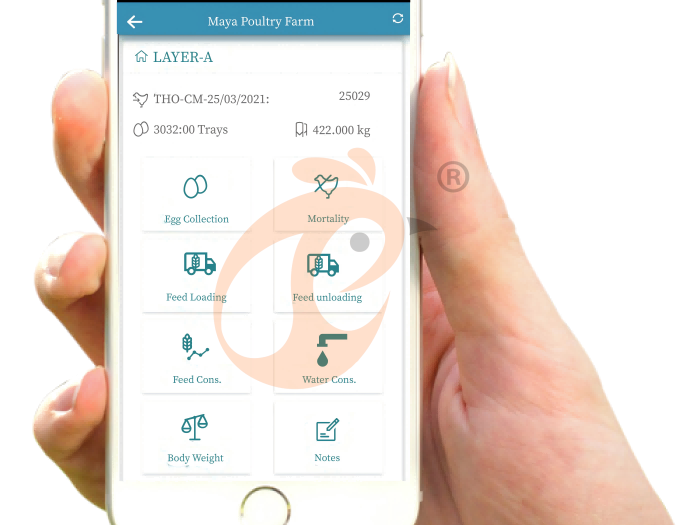
 IoT Smart Poultry FarmRead More
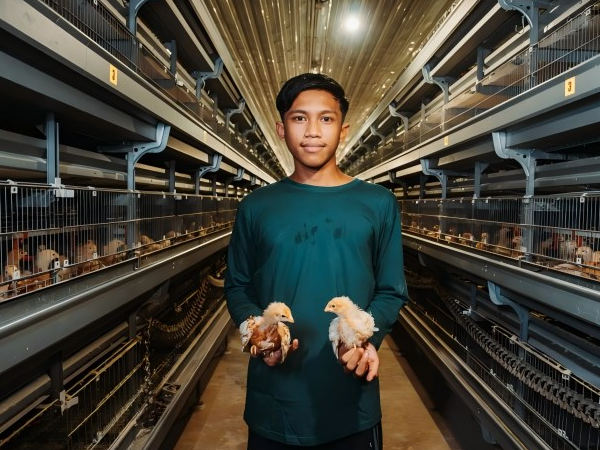
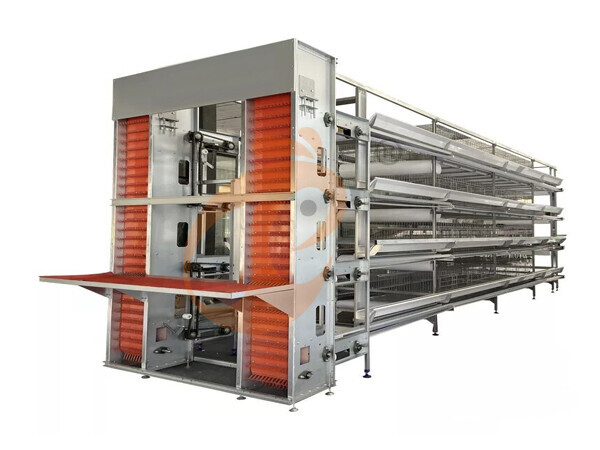
 >30,000 Layers Automatic H Type Battery CageRead More
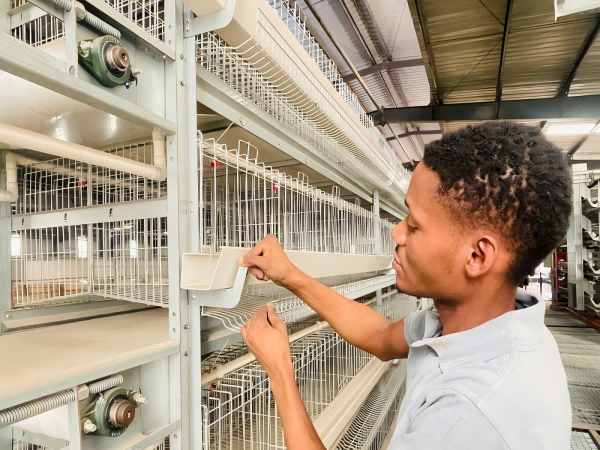
 10,000 - 30,000 Layers Automatic A Type Battery CageRead More
MESSAGE
NEWS