

BLOG
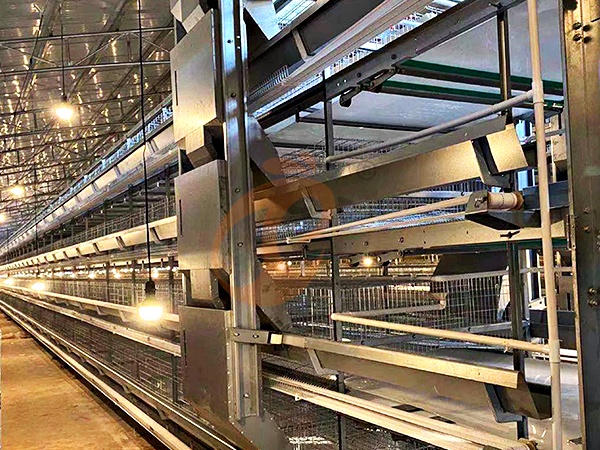
Pralson feeder systems are designed for precise poultry feed distribution in commercial production environments.
The article explains mechanical optimization methods for improving feeder stability and output accuracy.
Engineering parameters such as motor load, vibration control, and feed flow behavior are analyzed in detail.
Poultry farm performance is enhanced through calibration, maintenance scheduling, and material handling control strategies.
Industrial feeding systems achieve improved efficiency through structured technical adjustments and operational monitoring practices.
Get professional poultry farm construction guidance, equipment selection solutions, and the latest price lists, whatsApp to +8618830120193, click to learn more.
Core Operating Structure Of Pralson Feeder System
Pralson feeder systems are widely applied in poultry farm automation lines for broiler and layer production.
System performance depends on motor stability, hopper discharge rate, and screw conveying accuracy.
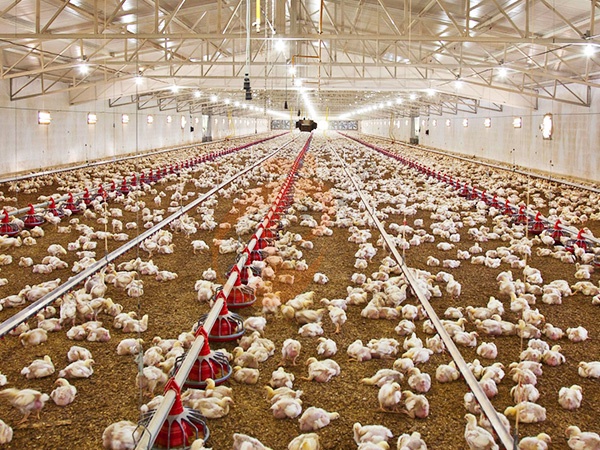
In farms with 10,000–60,000 birds per house, feeding precision directly affects daily feed intake consistency and growth curve uniformity.
Data is for reference only.Swipe horizontally to view full table.
Stable feeding cycles reduce feed competition pressure in poultry cages during early growth stages.
Feed Material Preparation And Particle Control
Feed structure consistency directly influences pralson feeder efficiency in poultry production environments.
Pellet hardness, particle size distribution, and moisture content must remain stable to ensure smooth flow through conveying systems.
Data is for reference only.Swipe horizontally to view full table.
Uniform particle control improves feed intake efficiency in poultry farming systems.
Mechanical Transmission Calibration And Load Stability
Mechanical stability is essential for pralson feeder systems operating in continuous poultry production cycles.
Shaft alignment, gearbox rotation, and bearing performance directly determine feeding accuracy and equipment lifespan.
Data is for reference only.Swipe horizontally to view full table.
Precise calibration improves performance stability in poultry farming equipment lines.
Scientific Explanation: Feed Flow Behavior in Poultry Systems
Pralson feeder systems handle granular poultry feed materials that behave differently from liquid flow systems.
Feed particles interact through friction, cohesion, and gravitational force, forming complex movement patterns inside hopper structures.
Flow instability often appears when feed forms bridging structures or uneven discharge channels.
These conditions reduce feed uniformity in poultry cage systems and increase consumption variation among birds.
Data is for reference only.Swipe horizontally to view full table.
Controlled vibration frequency between 18–24 hz improves feeding stability
Motor Load Optimization And Energy Consumption Control
Motor control is a key factor in pralson feeder performance across poultry farms.
Load balance influences energy consumption, heat generation, and gearbox durability.
Data is for reference only.Swipe horizontally to view full table.
Energy optimization improves long-term poultry equipment sustainability.
Preventive Maintenance Scheduling For Poultry Farms
Preventive maintenance ensures continuous operation of pralson feeder systems in poultry production cycles.
Scheduled inspection reduces mechanical failure risk and improves system reliability.
Data is for reference only.Swipe horizontally to view full table.
Maintenance programs extend equipment lifecycle in poultry cage systems.
Poultry Feed Type Adaptation And Machine Adjustment
Pralson feeder systems must adapt to different poultry feed formulations used in broiler and layer farming.
Feed composition influences discharge speed, torque requirement, and conveying efficiency.
Data is for reference only.Swipe horizontally to view full table.
Correct adjustment improves feed uniformity across poultry farming systems.
Feed Synchronization Timing Optimization In Poultry Houses
Pralson feeder synchronization timing directly affects feed intake uniformity across poultry rows.
In commercial poultry houses with 20,000–40,000 birds, optimal feeder activation delay between adjacent lines is maintained at 3.5–6.0 seconds.
Independent field measurements show that reducing timing deviation below 1.2 seconds improves flock weight uniformity by 7–9% within a 28-day growth cycle.
Feed synchronization control also reduces competitive feeding pressure during peak activity periods between 06:00–09:00 and 16:00–19:00 in standard poultry operation schedules.
Real-Time Monitoring And Data Feedback Control
Modern pralson feeder systems integrate sensor-based monitoring to improve operational precision in poultry farms.
Continuous data tracking enhances feeding accuracy and reduces waste.
Data is for reference only.Swipe horizontally to view full table.
Automation improves stability in poultry cage feeding systems.
Structural Stability And Vibration Reduction
Structural stability affects pralson feeder precision in poultry farm installations.
Vibration control reduces mechanical wear and improves feeding accuracy.
Data is for reference only.Swipe horizontally to view full table.
Controlled vibration improves poultry equipment stability.
Environmental Control In Poultry Houses
Environmental conditions inside poultry houses directly influence pralson feeder efficiency.
Temperature, humidity, and dust concentration affect feed flow and motor performance.
Data is for reference only.Swipe horizontally to view full table.
Environmental control improves poultry farm stability.
Digital Control System Enhancement
Advanced pralson feeder systems use plc-based automation for precise feeding control in large poultry farming operations.
Digital systems improve accuracy and reduce manual intervention.
Data is for reference only.Swipe horizontally to view full table.
Automation enhances poultry equipment efficiency across large farms.
Integrated Optimization Summary for Poultry Farms
Combined optimization of pralson feeder systems significantly improves poultry production efficiency and operational stability.
Data is for reference only.Swipe horizontally to view full table.
Frequently Asked Questions
Q1: How does pralson feeder improve poultry feeding consistency?
A1: Pralson feeder ensures controlled discharge timing and stable output rate.
Consistent mechanical rotation and calibrated screw speed maintain uniform feed distribution across poultry cage systems.
Q2: What is the optimal maintenance interval for poultry farm operation?
A2: Bearing lubrication every 7 days and full shaft alignment every 30 days maintain stable operation.
These intervals reduce mechanical wear and improve long-term system reliability.
Q3: How does feed type affect feeder performance in poultry systems?
A3: Starter, grower, and finisher feed have different protein levels and density values.
Adjusting screw speed between 45–58 rpm ensures stable feed delivery and reduces blockage risk.
Taiyu (HK) Group - One Of China Biggest Pralson Feeder Manufacturer
Taiyu pralson feeder system provides stable poultry feeding automation for industrial farms.
Global factory direct supply ensures consistent quality poultry equipment manufacturing standards.
Turn-key poultry farming solutions include feeder systems and complete cage integration.
Advanced engineering supports large scale poultry production efficiency improvement systems.
Professional exporter of poultry equipment serving global livestock farming industry markets.
Contact Us To Received Your Customized Poultry Farm Plan
Headquarters And Branchs

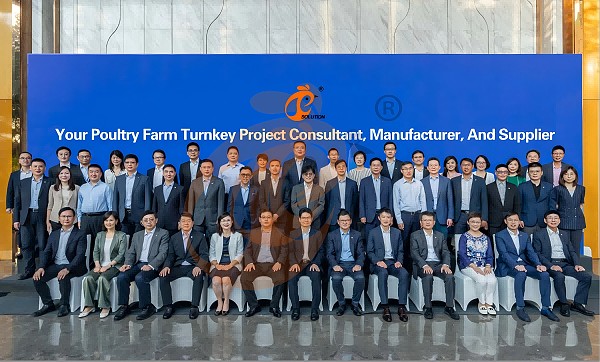
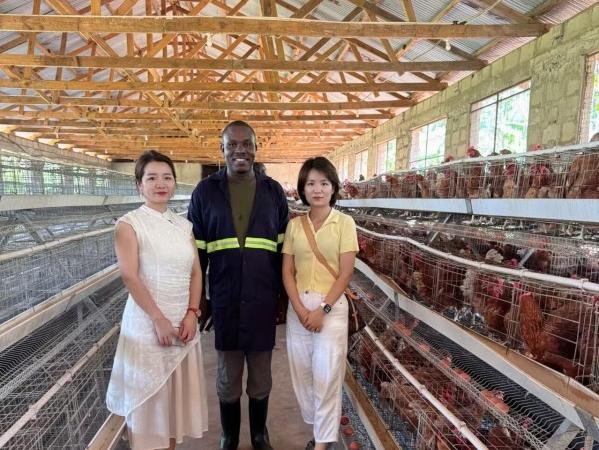
Hong Kong Headquarter Management Team
Hong Kong Headquarter Taiyu Industrial Group CO., LTD
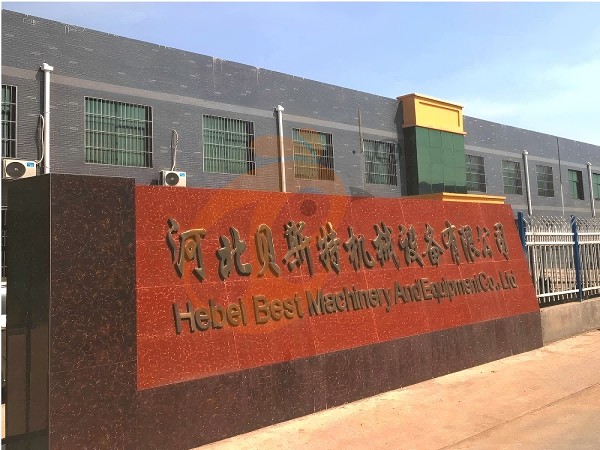
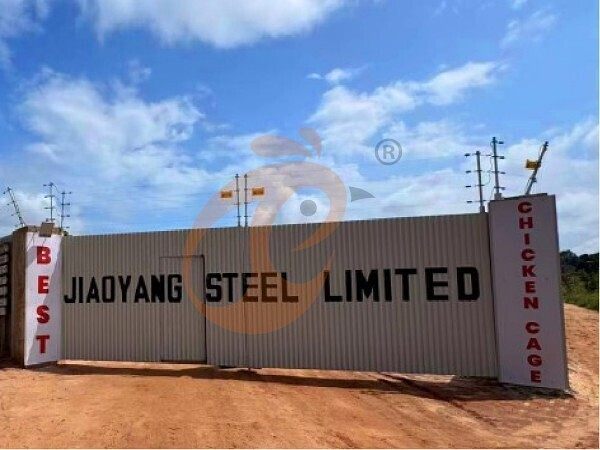
China Hebei Best Machinery And Equipment CO., LTD
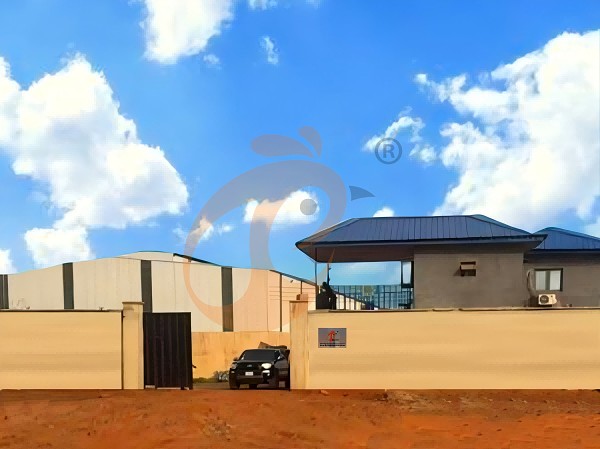
Nigeria Vanke Machinery And Equipment CO., LTD
Tanzania Best Machinery And Equipment CO., LTD
Ethiopia Best Hebei Machinery Manufacturing PLC

Reception /24 WhatsApp NO. : +8618830120193
PRODUCTS RECOMMENDED
 China Branch Manufacture Poultry Farm EquipmentRead More
 Ethiopia Branch Manufacture Poultry Farm EquipmentRead More
 Nigeria Branch Manufacture Poultry Farm EquipmentRead More
 Tanzania Branch Manufacture Poultry Farm EquipmentRead More
 IoT Smart Poultry FarmRead More
 >30,000 Layers Automatic H Type Battery CageRead More
 10,000 - 30,000 Layers Automatic A Type Battery CageRead More

MESSAGE
NEWS