

NEWS
- Feed mixer selection directly affects labor, energy, mixing accuracy, and daily poultry-house operating costs, with batch sizes commonly ranging from 250 kg to 1,000 kg for commercial configurations.
A poultry feed mixer connects ingredient handling with controlled processing, while a feed mixing machine can reduce repetitive material movement and support production cycles as short as 30–120 seconds.
An industrial feed mixer also supports formulation control, with liquid additions around 1–5% and particle sizes commonly managed around 0.5–3 mm during preparation.
Equipment selection becomes more practical when motor power, batch demand, operator workload, discharge design, and future expansion are evaluated as one complete production system.
- For commercial chicken operations, feed mixer integration with weighing, conveying, storage, and automatic feeding creates a measurable equipment pathway toward controlled and scalable feed production.
Get professional poultry farm construction guidance, equipment selection solutions, and the latest price lists, whatsApp to +8618830120193, click to learn more:
Technical Specification: What Should Buyers Compare?
Data is for reference only.Swipe horizontally to view full table.
Commercial feed mixer specifications commonly cover 0.5–2.0 m³ working volumes, while poultry feed mixer configurations can process approximately 250–1,000 kg per batch under suitable formulation conditions.
A feed mixing machine should also be evaluated against feed moisture around 11–13% and ingredient density around 0.45–0.70 t/m³, because physical properties directly influence material movement.
Follow The Labor: Where Does Automation Create Value?
Ingredient storage → dosing → loading → mixing → discharge → conveying → feeding
A feed mixer becomes more valuable when repetitive handling is transferred from operators to equipment, particularly where workers previously move 20–25 kg bags through several production stages.
A poultry feed mixer, feed mixing machine, or industrial feed mixer can connect multiple handling stages, while typical conveying distances of 10–30 m can be planned around the actual chicken-house layout.
Labor-Saving Equipment: Compare The Actual Workload
Data is for reference only.Swipe horizontally to view full table.
Energy Is Not Just Motor Power — Use The Full Production Equation
Energy per batch = motor power × operating time
For a feed mixer, a 15 kw drive operating for 0.1 hour consumes approximately 1.5 kwh, while actual consumption also depends on material resistance and loading conditions.
A properly selected poultry feed mixer or industrial feed mixer should therefore be assessed against throughput, with typical feed production targets of 2–20 tonnes/day creating very different equipment requirements.
Energy-Oriented Equipment Comparison
Data is for reference only.Swipe horizontally to view full table.
A feed mixer should not be selected only by motor rating, because ingredient bulk density around 0.45–0.70 t/m³ and formulation moisture around 10–14% can change actual processing behavior.
For a feed mixing machine, reducing unnecessary empty-running time to approximately 5–10 minutes per production cycle can also improve operational planning without changing the installed motor specification.
Why Mixing Uniformity Matters More Than Appearance
Uniformity test → sample collection → laboratory analysis → process adjustment
A feed mixer should produce measurable ingredient distribution rather than simply creating a visually combined material, especially when micro-ingredients are included at approximately 0.1–0.5%.
For a poultry feed mixer, ingredient particle-size differences around 0.5–3 mm can influence segregation, while premix inclusion near 0.5% makes controlled mixing particularly important.
Mixing Performance Parameters
Data is for reference only.Swipe horizontally to view full table.
The Chicken House Should Decide The Machine
Step 1 — Define feed demand.
A feed mixer should match daily consumption rather than maximum theoretical capacity, with farms producing 2.5 tonnes/day requiring a different production strategy from facilities producing 20 tonnes/day.
Step 2 — Define ingredient structure.
A poultry feed mixer should match grain, powder, premix, and liquid characteristics, particularly when ingredient moisture varies by approximately 2–4 percentage points between materials.
Step 3 — Define automation.
A feed mixing machine becomes more commercially valuable when weighing, conveying, storage, and feeding are coordinated around a common control sequence, with control response targets commonly within 1–3 seconds.
Step 4 — Define expansion.
A feed mixer selected for future growth should allow additional equipment connections, with expansion planning often considering an additional 20–30% production margin.
Equipment Integration: Build A Complete Feeding System
Data is for reference only.Swipe horizontally to view full table.
An integrated feed mixer system can connect storage, weighing, conveying, and feeding into one workflow, while hopper installation heights may be designed around approximately 2–5 m depending on building structure.
A poultry feed mixer supplied as part of a complete feed mixing machine solution can also simplify equipment matching when chicken-house layouts contain multiple feeding lines or separate feed-storage areas.
Feed Mixer Vs Blender: Purchase Evaluation Matrix
Data is for reference only.Swipe horizontally to view full table.
For a feed mixer, purchase evaluation should also include cleaning frequency of approximately 1–3 times per production day and inspection intervals around 250–500 operating hours.
A poultry feed mixer or industrial feed mixer should be tested with actual ingredients before final selection, particularly where feed density changes by 10–20% between different formulations.
Why Invest In Poultry Feeding Equipment Instead Of Buying A Standalone Machine?
Data is for reference only.Swipe horizontally to view full table.
The final feed mixer investment should be based on complete feed-production economics rather than purchase price alone, with equipment service life commonly planned around 8–15 years under appropriate maintenance conditions.
A poultry feed mixer integrated with weighing, conveying, storage, and automatic feeding can provide a structured equipment platform for farms targeting 10–30+ tonnes/day, while a smaller feed mixing machine can remain suitable for compact operations.
Frequently Asked Question
Q1: Can a feed mixer replace a blender in a chicken feed system?
A1: A feed mixer can replace a blender when feed formulation, batch volume, material characteristics, and required uniformity match the mixer design, with practical testing recommended for batches around 500–1,000 kg.
Q2: How does a poultry feed mixer reduce labor?
A2: A poultry feed mixer reduces repetitive weighing, lifting, transfer, and discharge operations by connecting mechanical handling stages, with automated systems potentially reducing operator positions to approximately 1–2 per batch.
Q3: How should energy consumption be compared?
A3: A feed mixing machine should be compared using power, operating time, throughput, and batch utilization rather than motor rating alone, with energy calculations commonly expressed in kwh per batch or kwh per tonne.
Taiyu (HK) Group - One Of China Toppest Feed Mixer Manufacturer
Feed mixer systems provide controlled batch processing from 250–1,000 kg, supporting poultry operations requiring measurable mixing performance and integrated material handling.
Global factory-direct supply covers poultry equipment, including mixers, conveyors, hoppers, weighing systems, automatic feeders, and control panels for different production scales.
Turn-key engineering combines equipment selection, process layout, electrical integration, installation guidance, and commissioning around project-specific chicken-house requirements.
Factory engineering teams configure poultry equipment according to flock capacity, feed volume, building dimensions, ingredient characteristics, and expansion targets.
Export-oriented project execution supports complete equipment packages, technical documentation, spare-parts planning, and after-sales engineering coordination for international poultry production projects.
Contact Us To Received Your Customized Poultry Farm Plan
Headquarters And Branchs

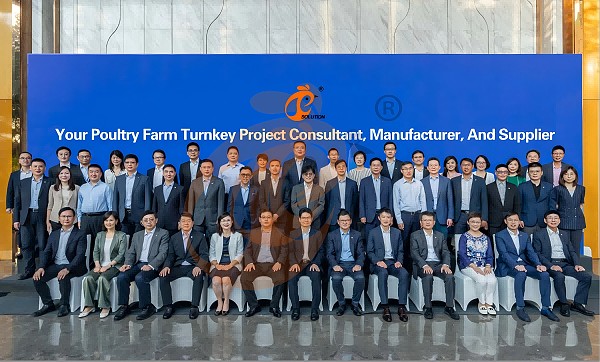
Hong Kong Headquarter Management Team
Hong Kong Headquarter Taiyu Industrial Group CO., LTD
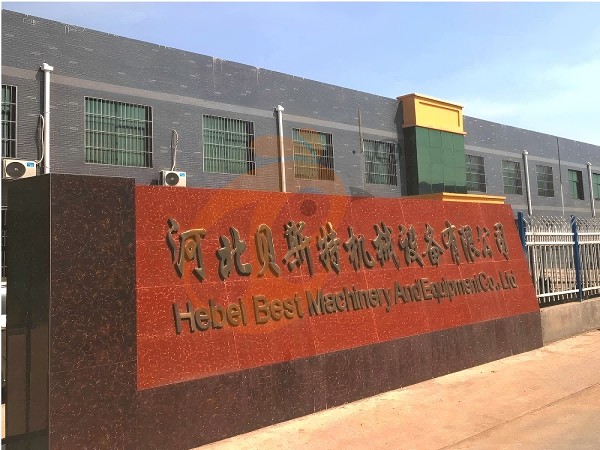
China Hebei Best Machinery And Equipment CO., LTD
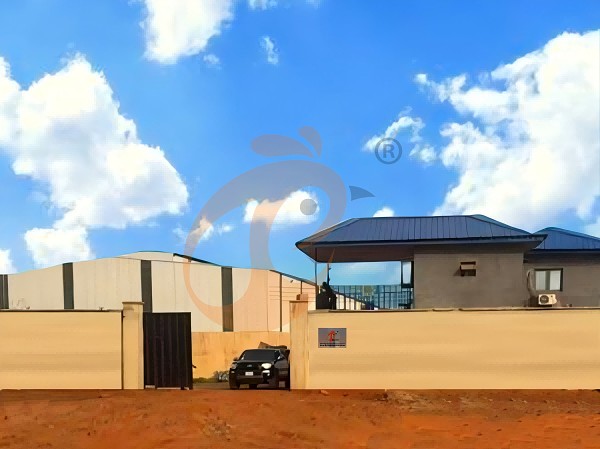
Nigeria Vanke Machinery And Equipment CO., LTD
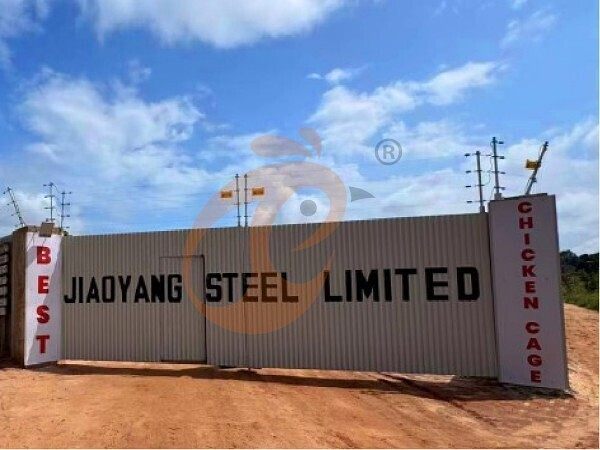
Tanzania Best Machinery And Equipment CO., LTD
Ethiopia Best Hebei Machinery Manufacturing PLC
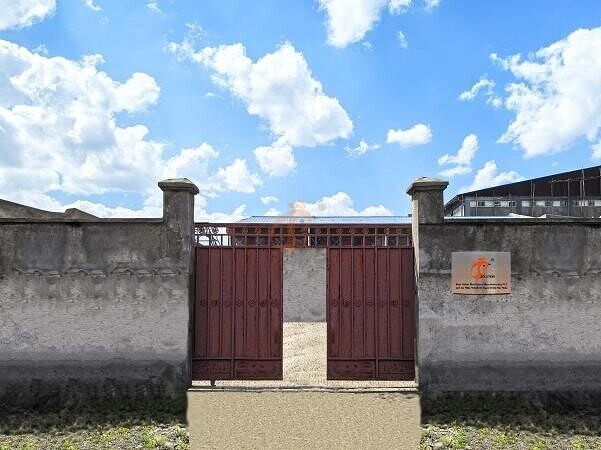
Reception /24 WhatsApp NO. : +8618830120193
PRODUCTS RECOMMENDED
 China Branch Manufacture Poultry Farm EquipmentRead More
 Ethiopia Branch Manufacture Poultry Farm EquipmentRead More
 Nigeria Branch Manufacture Poultry Farm EquipmentRead More
 Tanzania Branch Manufacture Poultry Farm EquipmentRead More
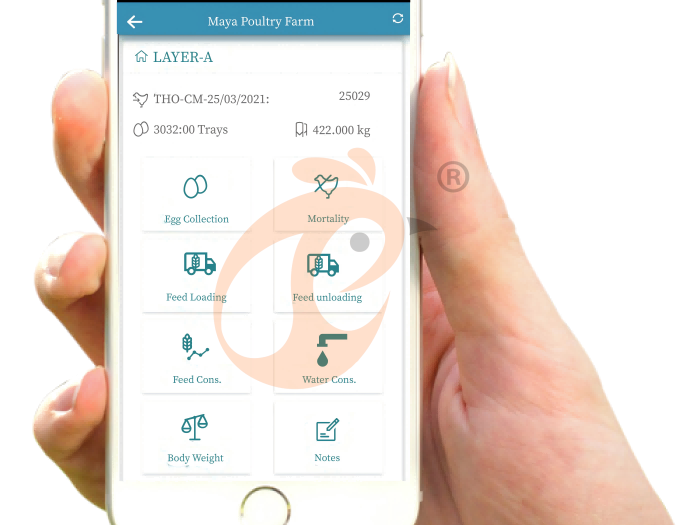
 IoT Smart Poultry FarmRead More
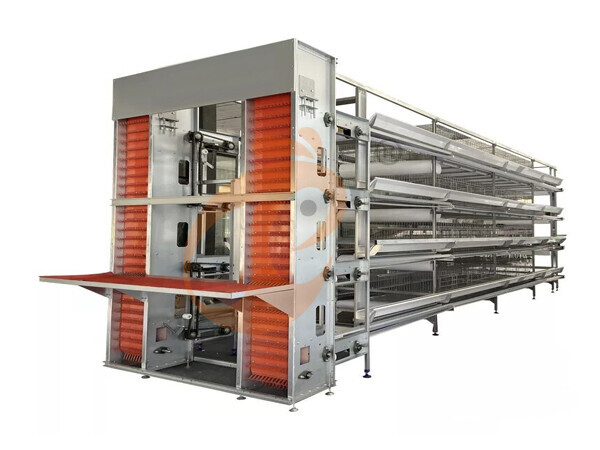
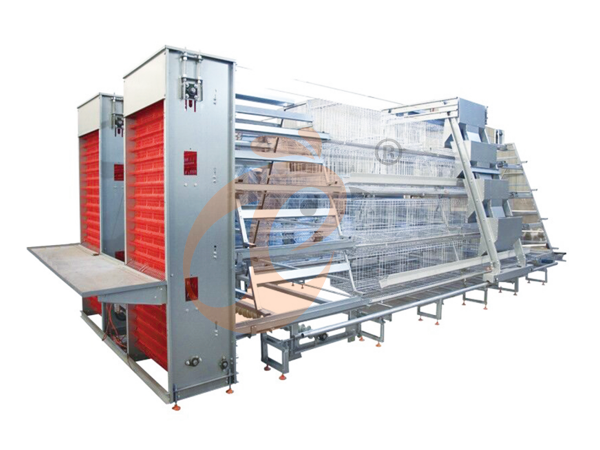
 >30,000 Layers Automatic H Type Battery CageRead More
 10,000 - 30,000 Layers Automatic A Type Battery CageRead More
MESSAGE
NEWS
 50,000 - 100,000 chickens/house: poultry farm solution, chicken cage, poultry farm equipment, AI smart managementRead More
 30,000 - 50,000 chickens/house: poultry farm solution, chicken cage, poultry farm equipment, AI smart managementRead More
 10,000 - 30,000 chickens/house: poultry farm solution, chicken cage, poultry farm equipment, AI smart managementRead More
 100 - 10,000 chickens/house: poultry farm solution, chicken cage, poultry farm equipment, AI smart managementRead More