

NEWS
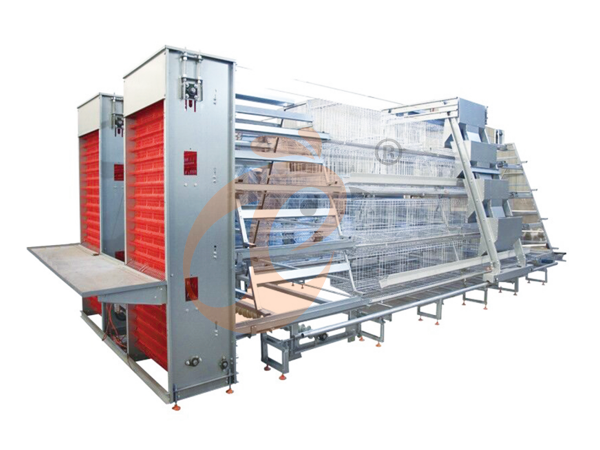
H type chicken cage system performance depends strongly on feeding design, with 4–16 cage tiers creating different equipment requirements for commercial layer houses.
Manual feeding can support compact projects, while an automatic chicken feeding system becomes more practical when daily flock management exceeds 10,000 birds.
Poultry feeding equipment influences labor organization, feed movement, operational consistency, and the ability to expand cage capacity without rebuilding the feeding structure.
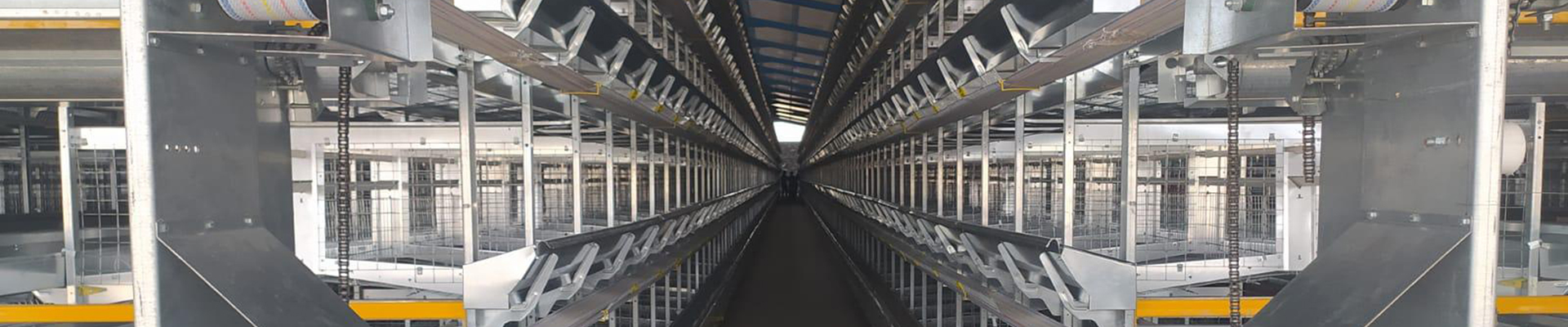
Automatic configurations can combine centralized storage, conveying, drive motors, control cabinets, and feeding lines while supporting house layouts reaching approximately 150 m.
- Equipment selection should connect cage dimensions, flock capacity, feed delivery requirements, and future expansion into one technical purchasing decision.
Get professional poultry farm construction guidance, equipment selection solutions, and the latest price lists, whatsApp to +8618830120193, click to learn more.
Manual Feeding Vs Automatic Feeding: Start With The Equipment Data
For an H type chicken cage system, feeding equipment determines how feed moves from storage to every cage row.
Manual feeding depends on workers carrying and distributing feed, while an automatic chicken feeding system creates a repeatable mechanical process.
Typical automatic configurations use a 0.75–1.50 kw drive motor and support commercial feeding-line arrangements approaching 150 m.
For a poultry feeding equipment supplier, matching motor capacity with house layout provides a clearer technical basis for equipment selection.
The difference becomes more significant as cage tiers and house length increase.
An H type chicken cage system may use 4–16 cage tiers, making repeated manual feed transportation increasingly complicated.
Automatic feeding equipment integrates the hopper, drive unit, conveying mechanism, trough, and control cabinet into one operating structure.
Feeding Method Comparison: Seven Engineering Indicators
Data is for reference only.Swipe horizontally to view full table.
These specifications show why an automatic chicken feeding system becomes increasingly practical for commercial H type chicken cage system projects.
Representative poultry feeding equipment can operate at approximately 30–36 m/min, while hopper configurations around 80–120 kg provide centralized feed preparation.
Commercial buyers can therefore evaluate feeding equipment through measurable engineering values rather than general descriptions.
What Actually Changes When Feeding Becomes Automatic?
Manual route
Feed storage → worker → bucket or cart → cage row → trough → next cage row.
Automatic route
Feed storage → hopper → conveyor → distribution line → trough → cage row.
A screw-type poultry feeding equipment arrangement may transport feed at approximately 35–45 m/min, while chain systems commonly operate around 20–30 m/min.
An H type chicken cage system therefore changes from worker-controlled transportation to equipment-controlled distribution.
A properly configured automatic chicken feeding system can reduce repeated walking distances while keeping operators focused on inspection and flock management.
Automatic Feeding Configuration: Match Every Component
Data is for reference only.Swipe horizontally to view full table.
A complete H type chicken cage system should select the automatic chicken feeding system according to cage arrangement, building dimensions, and feed-delivery architecture.
Representative poultry feeding equipment provides hopper capacities around 100–500 kg and screw-conveying capacity around 600–900 kg/h.
For equipment manufacturers, integrated design means customers purchase a coordinated feeding solution rather than isolated mechanical components.
The Labor Calculation: A Simple Farm Management Formula
Daily feeding labor = number of feeding workers × feeding hours × feeding days
For example, three workers spending 2.5 hours per day create 7.5 labor-hours daily before other poultry-house duties are included.
An H type chicken cage system using automatic feeding can shift repetitive transportation work toward equipment operation and inspection.
A properly sized poultry feeding equipment package can also support scheduled operation intervals of approximately 4–6 feeding cycles per day.
The commercial value comes from converting recurring manual work into a controlled equipment process rather than simply reducing headcount.
Feed Distribution: Precision Becomes An Equipment Feature
Data is for reference only.Swipe horizontally to view full table.
Feed distribution is closely connected with the mechanical design of an H type chicken cage system.
An automatic chicken feeding system can maintain controlled feed movement while supporting feeding-line operation over extended house layouts.
Poultry feeding equipment can also use adjustable inlet structures to accommodate feed characteristics with approximately 10–15 mm adjustment increments.
For equipment suppliers, measurable conveying and adjustment specifications create stronger product differentiation than general automation claims.
Manual Feeding: When Does It Still Make Engineering Sense?
Suitable scenario
Manual feeding can remain practical for compact H type chicken cage system projects where cage rows are short and worker access is direct.
A small poultry house with approximately 20–30 m of feeding distance may remain manageable when daily feed movement stays below roughly 300 kg.
Transition point
Once the cage layout expands across multiple rows and tiers, an automatic chicken feeding system becomes increasingly attractive.
Poultry feeding equipment can then separate feed transportation from worker movement and provide a more structured operating process.
The correct decision should begin with cage layout, not equipment price alone.
Automatic Feeding For Different Farm Scales
Data is for reference only.Swipe horizontally to view full table.
H type chicken cage system configurations in the specified design use 4, 8, 12, or 16 tiers, allowing equipment selection to follow the corresponding building height and production objectives.
An automatic chicken feeding system can be divided into zones when house length approaches 60–120 m.
For poultry feeding equipment projects, modular expansion also allows additional cage rows to be connected without redesigning the complete feeding architecture.
Equipment Engineering: Why The Details Matter
Data is for reference only.Swipe horizontally to view full table.
An H type chicken cage system operates in an environment containing dust, moisture, and corrosive gases, so structural material selection affects equipment service conditions.
A galvanized automatic chicken feeding system can be specified with approximately 275–350 g/m² zinc coating for selected structural components.
Poultry feeding equipment also benefits from protected transmission assemblies where ambient poultry-house temperatures can reach approximately 30–35°c.
For commercial projects, these construction details provide buyers with engineering information for supplier comparison.
Return On Investment Thinking: Calculate The Equipment From The Farm Backward
Step 1 — define the flock
Set the project around a specific capacity such as 10,000 or 20,000 laying hens.
Step 2 — define the cage
An H type chicken cage system may use 4, 8, 12, or 16 tiers according to building height and production objectives.
Step 3 — define the feeding line
Calculate the actual line distance according to cage-row arrangement, with representative commercial projects using approximately 60–150 m of feeding route.
Step 4 — define the conveyor
Select chain or screw conveying according to feed volume and building structure.
Step 5 — define the control
Specify motor, transmission, sensors, and control cabinet according to operating requirements.
A properly engineered automatic chicken feeding system should leave sufficient capacity for future flock expansion.
Poultry feeding equipment should also allow maintenance access with approximately 500–700 mm working clearance around key service points.
Automatic Feeding As Part Of A Complete H Type Solution
Data is for reference only.Swipe horizontally to view full table.
Automatic feeding creates greater value when integrated with the H type chicken cage system and other poultry-house equipment.
A complete automatic chicken feeding system can operate alongside ventilation, watering, manure removal, and egg collection while keeping equipment interfaces organized.
Poultry feeding equipment projects can also use centralized control architecture with approximately 24-hour operating records for equipment inspection and production management.
For poultry equipment suppliers, integrated delivery reduces interface problems between independently purchased machines.
Final Decision: Choose The Feeding System Around The Project
Data is for reference only.Swipe horizontally to view full table.
The equipment decision should follow the actual production design of the H type chicken cage system rather than the lowest purchase quotation.
For commercial houses, an automatic chicken feeding system can combine approximately 600–900 kg/h conveying capacity with centralized operating control.
Poultry feeding equipment should ultimately match flock capacity, building dimensions, cage tiers, maintenance access, and planned expansion.
The strongest commercial configuration is a coordinated H type chicken cage system with feeding, watering, manure removal, egg collection, and environmental-control interfaces.
Frequently Asked Questions
Q1: What is the main advantage of automatic feeding for H type chicken cage system projects?
A1: An automatic chicken feeding system replaces repeated manual transportation with controlled mechanical distribution, while commercial configurations can support approximately 600–900 kg/h feed movement.
Q2: How should buyers select poultry feeding equipment for different cage layouts?
A2: Poultry feeding equipment should be selected from cage tiers, line length, flock capacity, motor load, and future expansion, with representative feeding routes reaching approximately 150 m.
Q3: Is manual feeding still suitable for small H type chicken cage system projects?
A3: Manual feeding can remain suitable for compact projects around 20–30 m feeding distance, while automatic systems become more commercially attractive as cage rows and flock capacity expand.
Taiyu (HK) Group - One Of China Toppest H Type Chicken Cage System Manufacturer
H type chicken cage system equipment integrates automatic feeding architecture with 0.75–1.50 kw drive units, multi-tier cage structures, and project-specific feeding-line layouts.
Global factory-direct poultry equipment supply covers cage systems, automatic feeding, drinking, manure removal, egg collection, ventilation, and environmental-control equipment.
Turn-key engineering coordinates equipment selection, house layout, installation planning, electrical interfaces, commissioning, and technical documentation for commercial poultry projects.
Project engineering supports farm capacities from compact installations to large commercial houses using modular feeding lines and expandable cage configurations.
Factory production enables coordinated poultry equipment specifications, component matching, spare-parts planning, and international project delivery from one engineering source.
Contact Us To Received Your Customized Poultry Farm Plan
Headquarters And Branchs

Hong Kong Headquarter Management Team
Hong Kong Headquarter Taiyu Industrial Group CO., LTD
China Hebei Best Machinery And Equipment CO., LTD
Nigeria Vanke Machinery And Equipment CO., LTD
Tanzania Best Machinery And Equipment CO., LTD
Ethiopia Best Hebei Machinery Manufacturing PLC




Reception /24 WhatsApp NO. : +8618830120193
PRODUCTS RECOMMENDED
 China Branch Manufacture Poultry Farm EquipmentRead More
 Ethiopia Branch Manufacture Poultry Farm EquipmentRead More
 Nigeria Branch Manufacture Poultry Farm EquipmentRead More
 Tanzania Branch Manufacture Poultry Farm EquipmentRead More
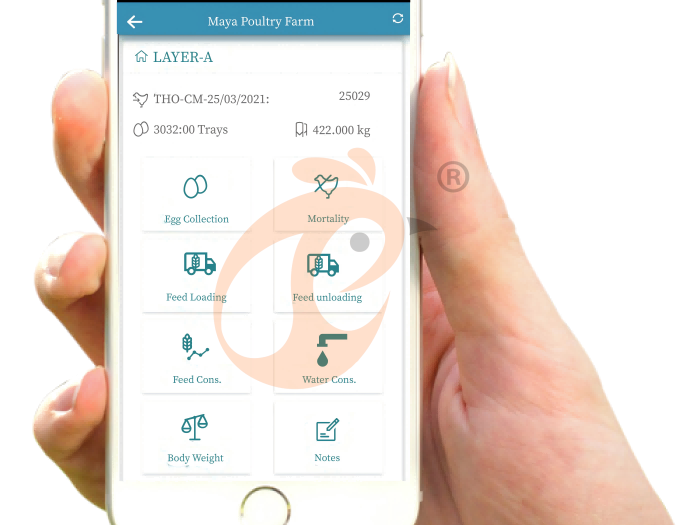
 IoT Smart Poultry FarmRead More
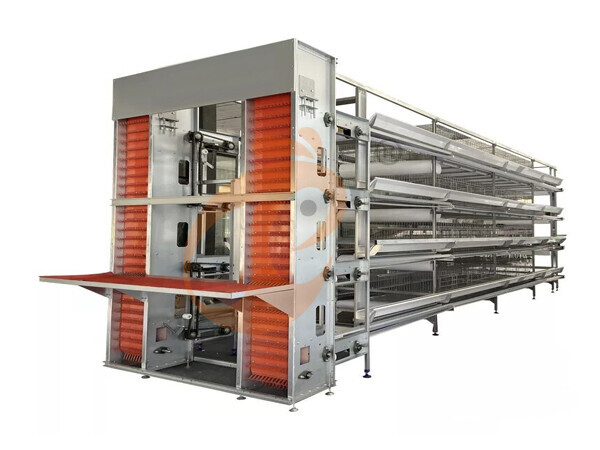
 >30,000 Layers Automatic H Type Battery CageRead More
 10,000 - 30,000 Layers Automatic A Type Battery CageRead More
MESSAGE
NEWS
 50,000 - 100,000 chickens/house: poultry farm solution, chicken cage, poultry farm equipment, AI smart managementRead More
 30,000 - 50,000 chickens/house: poultry farm solution, chicken cage, poultry farm equipment, AI smart managementRead More
 10,000 - 30,000 chickens/house: poultry farm solution, chicken cage, poultry farm equipment, AI smart managementRead More
 100 - 10,000 chickens/house: poultry farm solution, chicken cage, poultry farm equipment, AI smart managementRead More