

NEWS
Building a successful poultry farm requires coordinated construction materials, suitable chicken cages, and efficient automatic equipment.
From small layer farms to large industrial operations, every project needs a customized design based on production type, available land, building dimensions, and investment budget.
Three important factors determine project success
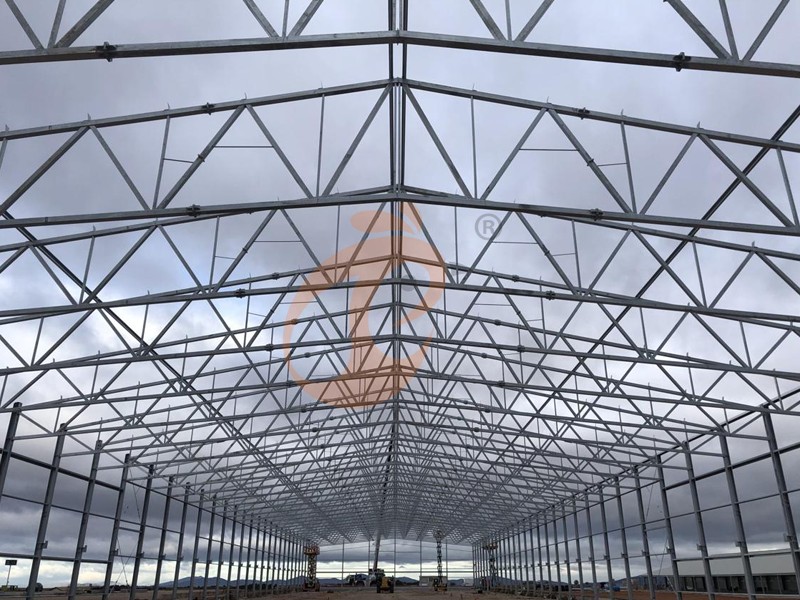
Building engineering steel structures, insulated panels, roofing, and ventilation designed for local weather conditions.
Equipment configuration chicken cages, feeding lines, drinking systems, egg collection, and manure removal matched to flock capacity.
Production management cage, floor, and free-range systems designed for different bird behaviors, welfare requirements, and operating costs.
1. Essential Poultry Farm Materials For Commercial Chicken House Construction
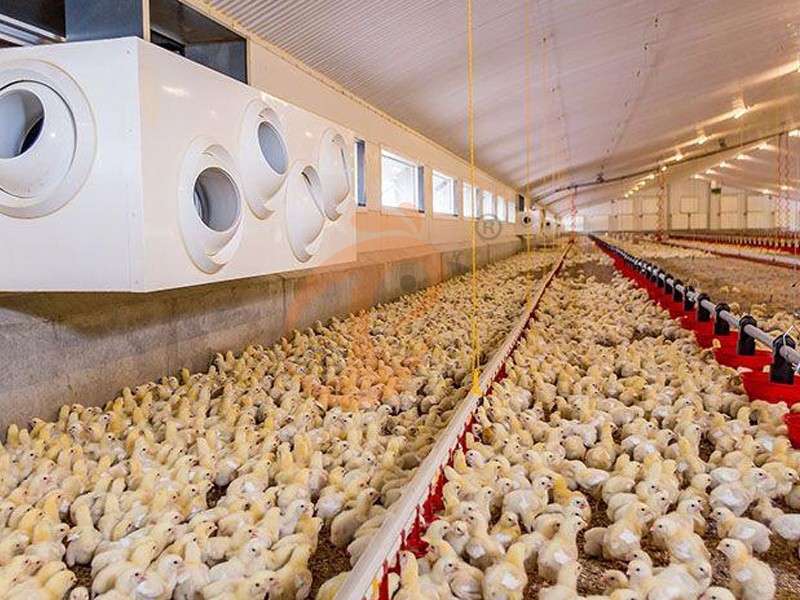
Commercial poultry houses require structural materials, internal equipment, and environmental management systems.
Layer, broiler, and breeder projects have different housing requirements, so equipment selection should begin with the intended production system.
1.1 Flooring And Internal Construction Materials
Concrete flooring supports cleaning and disinfection, while suitable bedding improves bird comfort in floor-rearing houses.
Drainage, waterproofing, and surface durability should be considered before installing equipment.
Data is for reference only.Swipe horizontally to view full table.
Specifications are preliminary engineering references, not universal construction requirements.
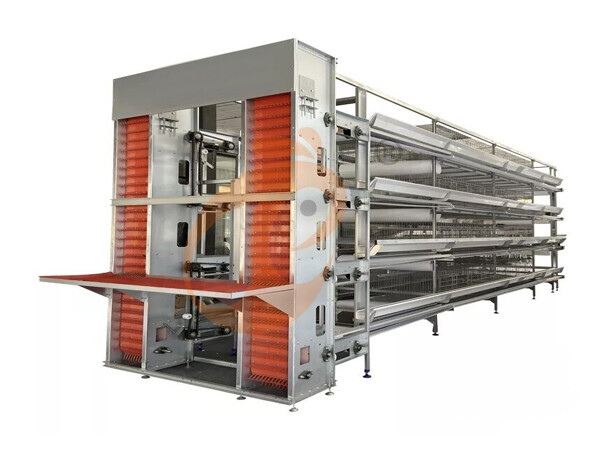
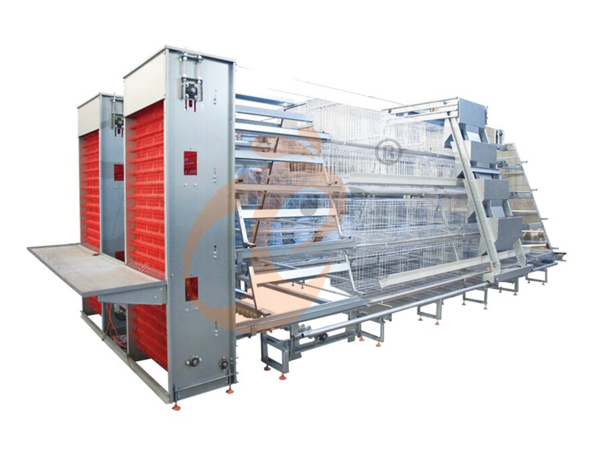
1.2 A-Type Layer Chicken Cages And Automatic Poultry Farm Materials
The 4-tier model is particularly suitable for standardized commercial layer projects because cage capacity can be calculated directly from the number of sets. Investors can review the A-Type Layer Chicken Cage product range when comparing cage structures and automatic equipment combinations.
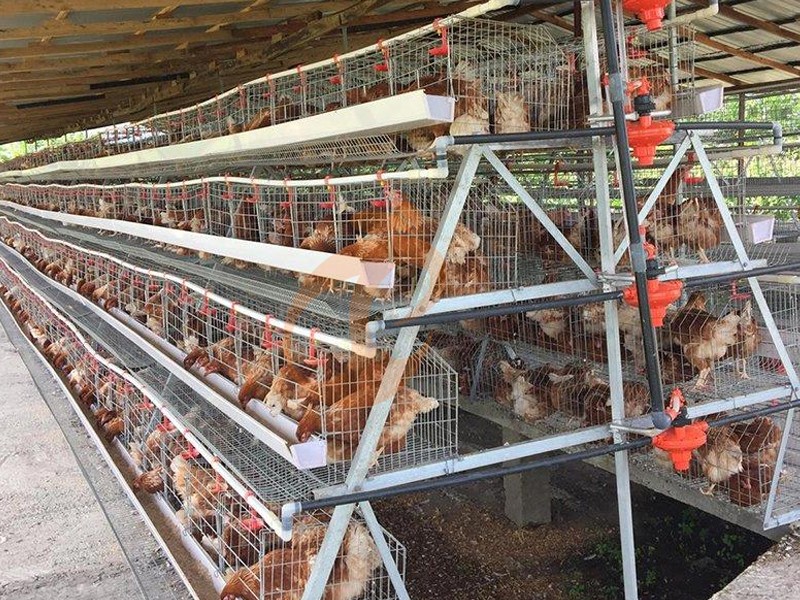
Important welfare consideration: The manufacturer's nominal cage-space specification is approximately 418 cm² per bird.
European union enriched-cage regulations require at least 750 cm² per hen, including 600 cm² of usable area.
Therefore, the supplied A-type configuration must not be represented as compliant with European union enriched-cage requirements.
1.3 H-Type Layer Chicken Cages For High-Capacity Poultry Farm Materials Projects
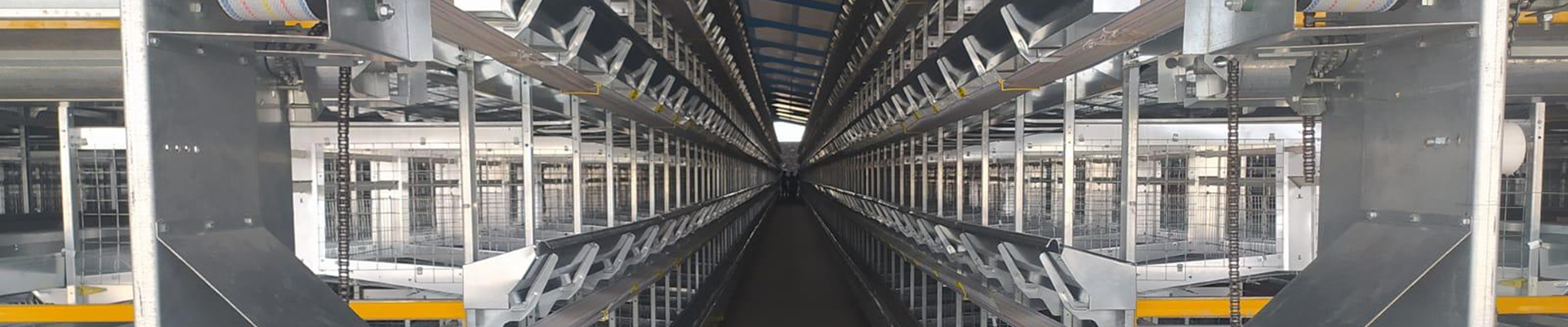
For large industrial layer projects, H-type cages provide a different arrangement from conventional A-type structures.
Vertical multi-tier configurations allow equipment to accommodate larger flock capacities within engineered poultry buildings.
Taiyu's available H-type configurations include
The H-type design is intended for projects requiring vertically arranged cage equipment, automatic feeding, drinking, egg collection, and manure handling.
The nominal space allowance is approximately 488 cm² per bird, so destination-country welfare requirements must be checked before selecting the system.
For professional poultry farm construction guidance, customized equipment selection solutions, and the latest price lists, WhatsApp +8618830120193 to discuss your project requirements with our team.
2. Poultry Farm Materials And Equipment Configuration by Farm Size
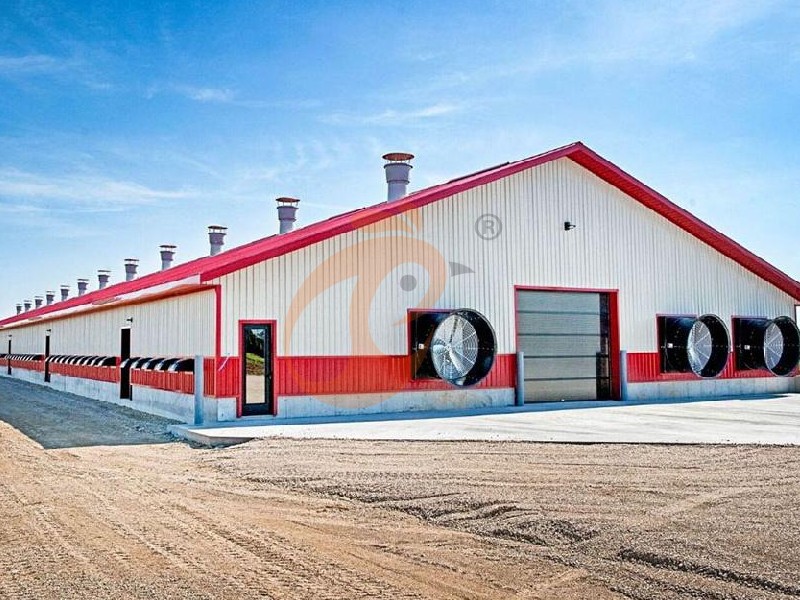
Farm capacity determines the number of cage sets, building dimensions, equipment arrangement, and automation requirements.
Small layer farms can use semi-automatic systems, while larger projects benefit from integrated feeding, drinking, egg collection, and manure removal.
2.1 A-Type Cage Planning For Small And Medium Layer Farms
For projects using Taiyu's A-type cages, the following configurations are based on the manufacturer's recommended layouts and nominal cage capacities.
Data is for reference only.Swipe horizontally to view full table.
Figures are based on the supplied A-type cage configurations.
Installed capacity is the nominal number of birds accommodated by the cage sets, not a recommendation to exceed applicable stocking-density or animal-welfare requirements.
2.2 Fully Automatic Poultry House Layout For Large Farms
Large commercial layer farms require more coordinated equipment arrangements.
Automatic feeding, drinking, egg collection, and manure removal can reduce repetitive labor and improve daily production management.
Taiyu's recommended fully automatic A-type house layouts use the following preliminary dimensions
Data is for reference only.Swipe horizontally to view full table.
These dimensions include allowances for feeding trough tracks and operating access.
The actual building width must be verified against equipment drawings and local construction requirements.
For a 15,000-bird project, the 3-row configuration uses 94 cage sets, while a 20,000-bird project requires 125 sets.
The design should also reserve space for egg elevators, conveyor connections, drive units, and maintenance access.
2.3 H-Type Cage Planning For Large Industrial Layer Farms
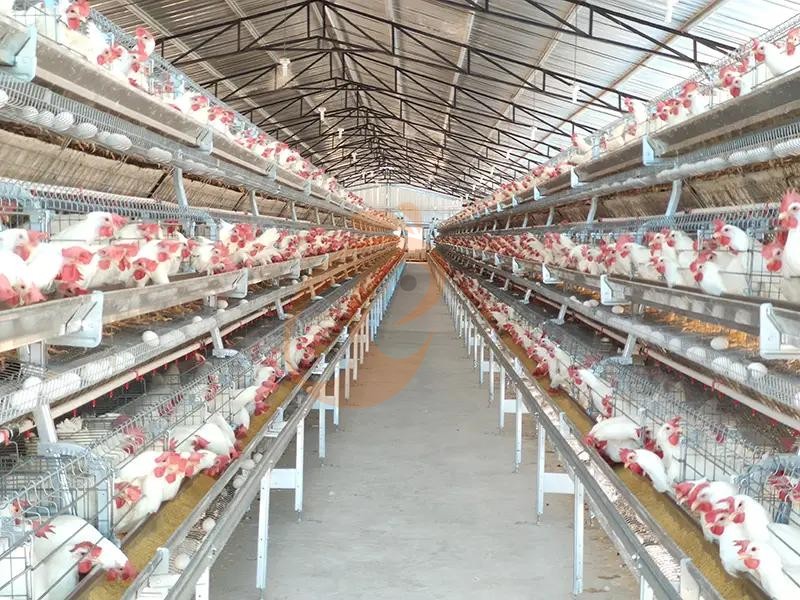
For high-capacity projects, Taiyu's H-type cages can be considered where vertical cage arrangements and centralized automation suit the building design. Investors planning a large egg-production facility can also explore the Taiyu Group (HK) H-Type Layer Cage System for integrated equipment planning.
The following are manufacturer-provided large-project planning examples:
Data is for reference only.Swipe horizontally to view full table.
These examples use the supplied H-type cage capacities and preliminary project layouts.
Building dimensions, structural loads, emergency access, equipment service space, and regulatory stocking requirements require project-specific engineering confirmation.
The 16-tier arrangement is intended for specialized high-capacity installations. Investors should evaluate building height, structural strength, ventilation distribution, emergency evacuation, and maintenance access before selecting a multi-tier system.
2.4 Equipment Configuration For Different Poultry Housing Systems
Data is for reference only.Swipe horizontally to view full table.
The cage-space values are manufacturer specifications, not universal welfare recommendations.
European union alternative and free-range figures are regulatory references for applicable egg-production systems, not general broiler stocking recommendations.
For example, a free-range layer operation with a planned flock of 3,000 hens would require 12,000 m² of qualifying outdoor range under the European union reference.
Actual indoor space and outdoor access arrangements must follow the applicable production standard.
3. How To Choose The Right Poultry Farm Materials And Equipment
Selecting suitable materials requires evaluating durability, corrosion resistance, climate adaptation, maintenance, and equipment compatibility.
A lower purchase price does not necessarily mean lower total operating costs.
3.1 Quality And Corrosion Resistance
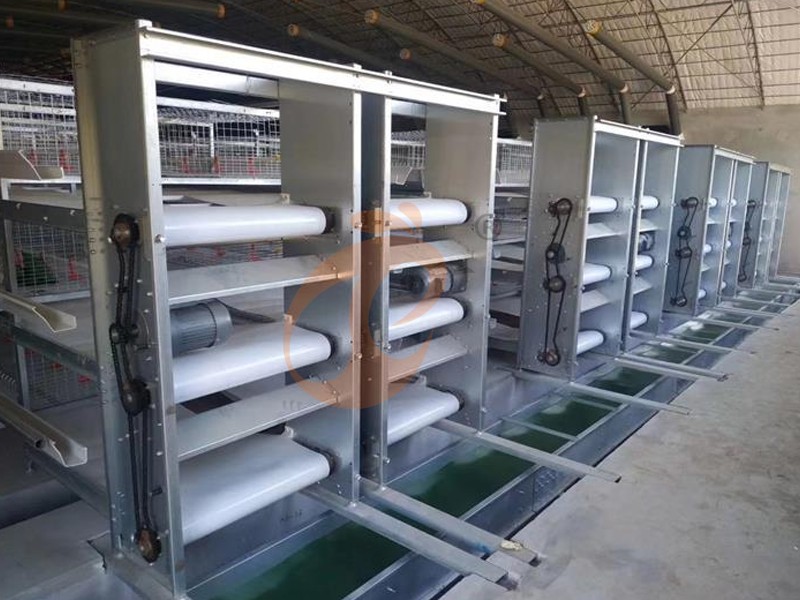
Galvanized steel is widely used for cage frames, support structures, and manure belts.
Stainless steel and engineering-grade plastics can be suitable for components exposed to frequent moisture and cleaning.
Need expert advice on poultry house ventilation, equipment matching, and current project prices?
Get tailored construction and equipment solutions by WhatsApp at +8618830120193.
3.2 Long-Term Operating Cost Evaluation
Data is for reference only.Swipe horizontally to view full table.
Illustrative budgeting assumptions, not market averages or guaranteed service lives.
Final project budgets depend on local prices, installation costs, equipment brands, and building specifications.
4. How To Buy Poultry Farm Materials from A Reliable Supplier
Selecting a professional poultry equipment manufacturer is important for projects involving multiple production systems and complex equipment arrangements.
A qualified supplier should provide manufacturing capabilities, engineering support, quality control, and international project experience.
Factory Production And Quality Control
Before purchasing equipment, investors should evaluate the manufacturer's production facilities, engineering team, and inspection procedures.
Important questions include
Does the supplier operate its own manufacturing factory?
Can the factory produce A-type and H-type layer cages?
Are galvanized materials and welding quality inspected?
Can engineers provide customized poultry house drawings?
Does the manufacturer have experience with large commercial projects?
5. Get A Customized Poultry Farm Materials Equipment List And Quotation
Every poultry project has different production targets, building conditions, and investment budgets.
A customized equipment list helps investors select appropriate machinery and avoid unnecessary procurement expenses.
5.1 Customized Equipment Configuration For Different Poultry Farms
A complete project assessment should consider
Production capacity target flock size and future expansion.
Poultry type broilers, layers, breeders, ducks, or quail.
Housing method A-type cages, H-type cages, floor rearing, or free-range.
Building dimensions house width, length, height, and equipment layout.
Automation requirements feeding, drinking, egg collection, manure removal, and environmental control.
Project location climate, electrical supply, water quality, and local regulations.
For investors comparing different production methods, a project-specific assessment can help determine whether cage housing, floor rearing, or free-range management is appropriate for the intended market.
5.2 Poultry Farm Equipment List And Quotation Preparation
The final quotation should contain equipment specifications, quantities, building layouts, installation requirements, and shipping arrangements.
For layer projects, Taiyu can prepare A-type cage configurations for smaller and medium-sized farms and H-type cage configurations for suitable high-capacity installations.
For integrated egg-production projects, the Taiyu Group (HK) Automatic Egg Production Equipment range can be considered when preparing the equipment list and quotation.
For broiler and cage-free projects, equipment packages can include floor feeders, nipple drinking lines, ventilation fans, cooling pads, heating equipment, and environmental controllers.
Planning a new poultry farm or upgrading an existing facility? Contact our team for professional farm construction guidance, equipment selection, and the latest price lists via WhatsApp: +8618830120193.
Taiyu (HK) Group - One Of China's Largest Poultry Farm Equipment Manufacturers
1. Global Service Network
Headquartered in Hong Kong, with branches and factories in China, Vietnam, Thailand, Nigeria, Kenya, Ethiopia, and Tanzania, providing more localized project and after-sales support.
2. International Quality Standards
Strict quality control and double inspections.
Certifications and export documents include CE, SGS, ISO 9001, CCVO, PVOC, SONCAP, COC, ECTN, FORM F, and more.
3. One-To-One Vip Service
Dedicated account managers provide customized farm designs, equipment configurations, and quotations for projects ranging from 500 to 100,000+ birds per house.
4. Lifetime After-Sales Service
Installation guidance, equipment commissioning, operator training, remote technical support, spare parts supply, and ongoing maintenance.
Contact Us To Received Your Customized Poultry Farm Plan
Headquarters And Branchs

Hong Kong Headquarter Management Team
Hong Kong Headquarter Taiyu Industrial Group CO., LTD
China Hebei Best Machinery And Equipment CO., LTD
Nigeria Vanke Machinery And Equipment CO., LTD
Tanzania Best Machinery And Equipment CO., LTD
Ethiopia Best Hebei Machinery Manufacturing PLC




Reception /24 WhatsApp NO. : +8618830120193
PRODUCTS RECOMMENDED
 China Branch Manufacture Poultry Farm EquipmentRead More
 Ethiopia Branch Manufacture Poultry Farm EquipmentRead More
 Nigeria Branch Manufacture Poultry Farm EquipmentRead More
 Tanzania Branch Manufacture Poultry Farm EquipmentRead More
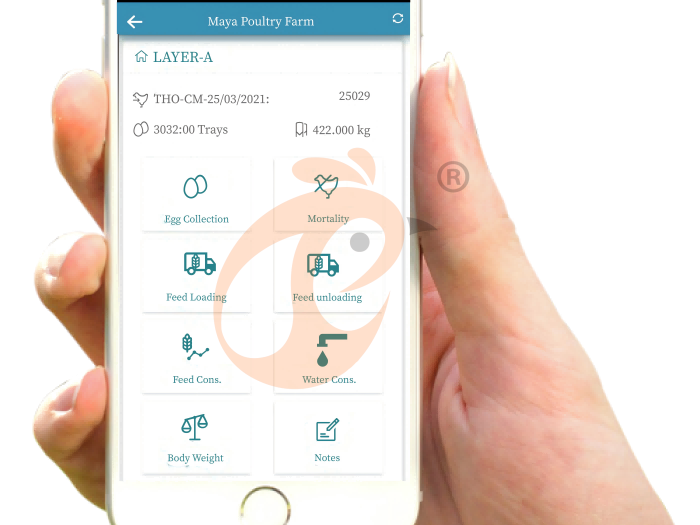
 IoT Smart Poultry FarmRead More
 >30,000 Layers Automatic H Type Battery CageRead More
 10,000 - 30,000 Layers Automatic A Type Battery CageRead More
MESSAGE
NEWS
 50,000 - 100,000 chickens/house: poultry farm solution, chicken cage, poultry farm equipment, AI smart managementRead More
 30,000 - 50,000 chickens/house: poultry farm solution, chicken cage, poultry farm equipment, AI smart managementRead More
 10,000 - 30,000 chickens/house: poultry farm solution, chicken cage, poultry farm equipment, AI smart managementRead More
 100 - 10,000 chickens/house: poultry farm solution, chicken cage, poultry farm equipment, AI smart managementRead More