

BLOG
Free range poultry farming requires integrated disease prevention systems, controlled environmental management, and stable flock monitoring standards.
Commercial poultry farm operations increasingly combine poultry ventilation systems, automatic feeding systems, and poultry drinking line sanitation technologies to improve production stability.
Outdoor poultry production environments create additional exposure risks from wild birds, rodents, standing water, and contaminated equipment surfaces.
Effective poultry farm biosecurity management reduces mortality rates, improves fcr performance, stabilizes egg production, and lowers veterinary treatment costs.
Modern poultry equipment engineering combines cleaning procedures, environmental monitoring, and farm access control to maintain sustainable poultry production efficiency.
Get professional poultry farm construction guidance, equipment selection solutions, and the latest price lists, whatsApp to +8618830120193, click to learn more.
Why Biosecurity Matters In Free Range Poultry Farming
Free range poultry systems expose birds to changing environmental conditions every day.
Temperature fluctuations, mud accumulation, wildlife contact, and seasonal migration patterns increase disease transmission pressure.
Scientific monitoring programs in Europe and Asia show that outdoor poultry systems encounter more contact with migratory birds during spring and autumn migration seasons.
A moderate disease outbreak can reduce egg production by 12% to 28% within 14 days and increase feed waste by more than 7%.
Data is for reference only.Swipe horizontally to view full table.
Economic losses from disease outbreaks may exceed $8,000 to $50,000 depending on flock size, mortality rate, and treatment cost.
European union standard reference only.
Controlled Farm Entry Management
Controlled access management prevents external contamination from entering poultry production areas.
Pathogens commonly spread through boots, clothing, transport vehicles, feed delivery systems, and maintenance equipment.
Dedicated entry procedures improve operational discipline and reduce cross-contamination between brooder houses and free range sections.
Data is for reference only.Swipe horizontally to view full table.
Commercial poultry farms using strict access control procedures often reduce contamination incidents by 20% to 35% annually.
Recommended Farm Distance Standards
Farm layout engineering directly affects disease transfer probability and environmental sanitation quality.
Data is for reference only.Swipe horizontally to view full table.
Proper spacing improves traffic control efficiency and lowers environmental contamination pressure around poultry buildings.
Wild Bird And Pest Control
Wildlife management remains one of the most difficult tasks in free range poultry production systems.
Migratory birds transport viral pathogens across large geographic regions without visible symptoms.
Rodents also damage poultry infrastructure, contaminate feed storage areas, and increase bacterial transmission risks.
Data is for reference only.Swipe horizontally to view full table.
Farm fencing should extend at least 30 cm below ground level to reduce rodent tunneling activity.
Vegetation around poultry areas should remain below 10 cm in height because dense grass creates shelter for pests.
Commercial poultry operations using automatic feeding systems and sealed feed storage equipment often achieve lower rodent activity levels than manually managed storage environments.
Science Corner: Virus Survival In Outdoor Poultry Systems
Virus survival time changes according to temperature, humidity, sunlight exposure, and organic material concentration.
Avian influenza pathogens remain active longer in cool wet environments, especially in mud or stagnant water.
At temperatures below 15°c, viral survival time in wet soil may exceed several days.
Ultraviolet sunlight significantly reduces viral activity on exposed dry surfaces within hours.
Environmental drainage management therefore becomes equally important as chemical disinfection procedures inside free range poultry systems.
Water And Feed Sanitation
Feed and drinking water directly influence poultry immunity, digestion, growth rate, and egg shell quality.
Contaminated water systems spread bacteria rapidly across large flocks within several hours.
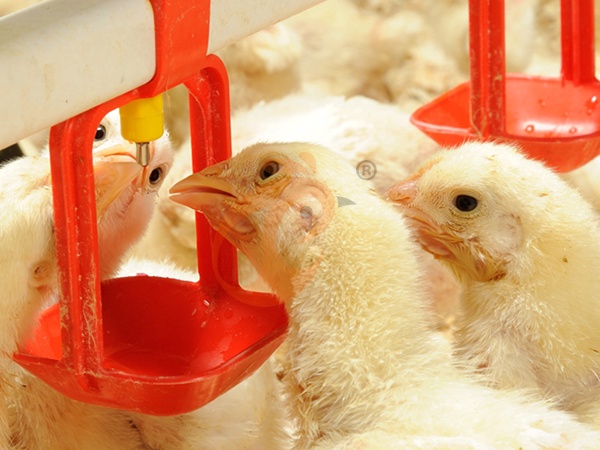
Automatic poultry drinking line systems help maintain stable sanitation standards while reducing labor requirements.
Data is for reference only.Swipe horizontally to view full table.
Clean water management may improve fcr performance by approximately 3% to 5% compared with contaminated systems.
Feed Storage Recommendations
Improper feed storage reduces nutritional value and increases mold contamination risks.
Humidity above 65% inside storage rooms accelerates fungal growth and vitamin degradation.
Data is for reference only.Swipe horizontally to view full table.
Spoiled feed containing mycotoxins may reduce egg production performance by 6% to 12% within several weeks.
Cleaning And Disinfection Procedures
Cleaning removes organic residue while disinfection destroys remaining pathogens.
Disinfectants lose efficiency when manure, feathers, mud, or feed residue remain on poultry house surfaces.
Professional poultry equipment sanitation procedures therefore require multiple operational stages.
Data is for reference only.Swipe horizontally to view full table.
Professional poultry farms usually maintain downtime periods between flocks ranging from 10 to 21 days depending on regional disease pressure.
High-Risk Equipment Areas
Repeated-contact equipment accumulates contamination rapidly when sanitation schedules become inconsistent.
Egg belts, feeder pans, poultry cage systems, and drinker lines require frequent inspection.
Data is for reference only.Swipe horizontally to view full table.
Routine sanitation significantly reduces bacterial accumulation inside poultry houses.
Flock Monitoring And Health Surveillance
Early detection remains one of the most effective disease prevention tools in commercial poultry farming.
Behavioral abnormalities usually appear before mortality increases become visible.
Daily observation procedures therefore improve emergency response speed and reduce economic losses.
Data is for reference only.Swipe horizontally to view full table.
Digital poultry monitoring systems track feed intake, water usage, humidity, ventilation, and temperature conditions continuously.
Large poultry farms increasingly combine environmental monitoring systems with automatic alarm technologies.
Employee Training Strengthens Farm Biosecurity
Human operational mistakes remain one of the leading causes of contamination incidents inside poultry production systems.
Professional staff training improves sanitation discipline, emergency response capability, and equipment management consistency.
Data is for reference only.Swipe horizontally to view full table.
Well-trained poultry farm teams generally achieve lower mortality rates and more stable production performance over long operational cycles.
Seasonal Biosecurity Adjustments
Environmental conditions influence pathogen survival, ventilation quality, litter moisture, and poultry stress levels throughout different seasons.
Rainy seasons increase bacterial growth and parasite pressure because excessive moisture accumulates around outdoor ranging zones.
Winter ventilation reduction may also increase ammonia concentration inside poultry shelters.
Data is for reference only.Swipe horizontally to view full table.
Seasonal management adjustments help maintain stable poultry performance during environmental fluctuations.
Waste Management And Dead Bird Disposal
Improper waste handling transforms poultry farms into continuous infection sources.
Manure piles attract flies, rodents, and bacteria when disposal schedules become inconsistent.
Dead birds should never remain exposed inside poultry production areas for extended periods.
Data is for reference only.Swipe horizontally to view full table.
Composting temperatures above 55°c significantly reduce pathogen survival and improve organic decomposition efficiency.
Technology Trends In Poultry Biosecurity
Modern poultry farms increasingly combine automation technologies with biosecurity management systems.
Environmental monitoring equipment now measures ammonia concentration, humidity, airflow, water flow, and ventilation performance continuously.
Many poultry operations reduce manual inspection time by 20% to 35% after installing intelligent monitoring systems.
Data is for reference only.Swipe horizontally to view full table.
Modern poultry ventilation systems combined with automatic feeding systems improve environmental stability and reduce production fluctuation risks.
Frequently Asked Quesions
Q1: How often should poultry farm disinfection procedures be performed?
A1: Daily sanitation procedures should include drinker flushing, equipment surface cleaning, and boot disinfection.
Full poultry house disinfection procedures are commonly performed after each flock cycle with 10 to 21 days downtime periods depending on disease pressure levels and stocking density.
Q2: Which poultry equipment improves free range farm biosecurity most effectively?
A2: Automatic feeding systems, poultry drinking line systems, and poultry ventilation systems improve environmental control efficiency and reduce manual contamination risks.
Sealed feed storage equipment also reduces rodent exposure and feed waste levels significantly.
Q3: Why does water management affect poultry disease control?
A3: Contaminated water systems spread bacteria rapidly across large poultry flocks.
Stable water sanitation standards improve digestion, immunity, fcr performance, and egg shell quality while reducing bacterial transmission probability.
Taiyu (HK) Group - One Of China Largest Free Range Poultry System Manufacturer
Professional free range poultry system biosecurity equipment for commercial poultry farms worldwide.
Global factory direct poultry equipment supply supporting stable long-term farm operations.
Poultry cage and automatic feeding system solutions for integrated poultry projects.
Turn-key poultry farm engineering services supporting installation and technical guidance.
Poultry ventilation systems and drinking line equipment for modern poultry production.
Contact Us To Received Your Customized Poultry Farm Plan
Headquarters And Branchs
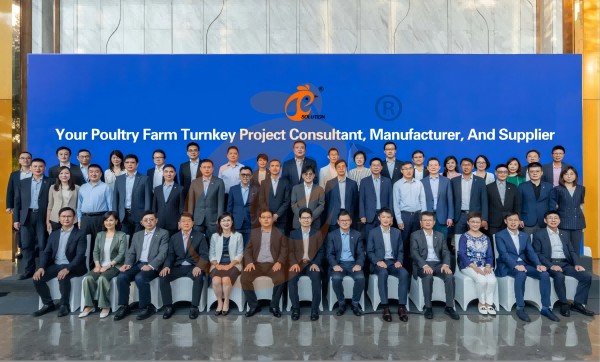
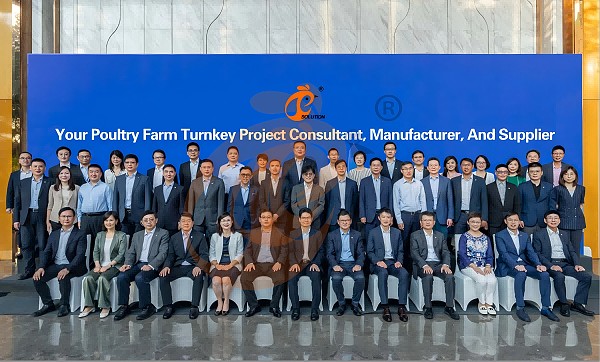
Hong Kong Headquarter Management Team
Hong Kong Headquarter Taiyu Industrial Group CO., LTD
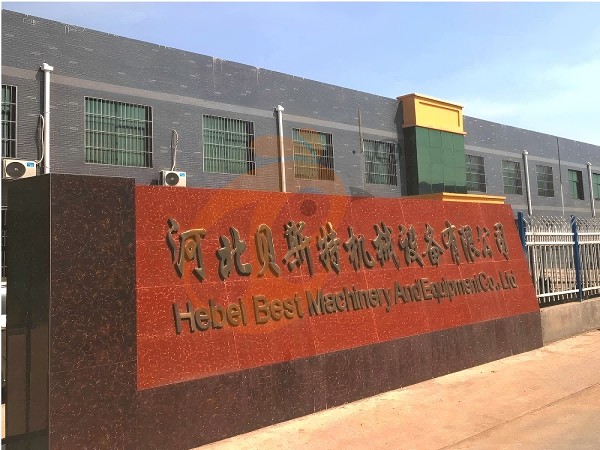
China Hebei Best Machinery And Equipment CO., LTD
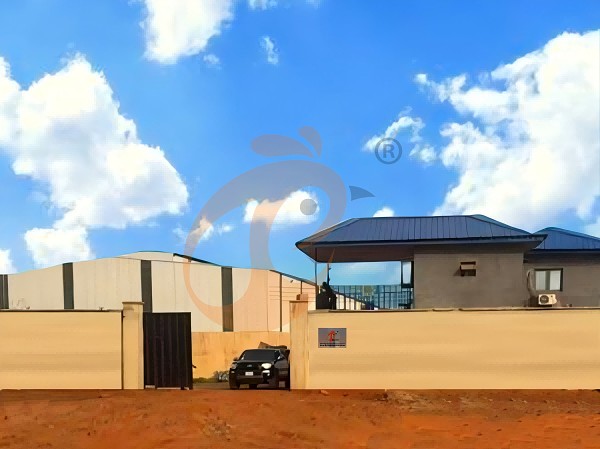
Nigeria Vanke Machinery And Equipment CO., LTD
Tanzania Best Machinery And Equipment CO., LTD
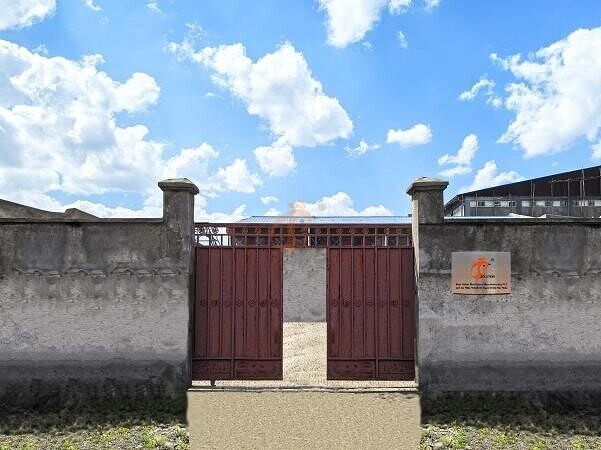
Ethiopia Best Hebei Machinery Manufacturing PLC

Reception /24 WhatsApp NO. : +8618830120193
PRODUCTS RECOMMENDED
 China Branch Manufacture Poultry Farm EquipmentRead More
 Ethiopia Branch Manufacture Poultry Farm EquipmentRead More
 Nigeria Branch Manufacture Poultry Farm EquipmentRead More
 Tanzania Branch Manufacture Poultry Farm EquipmentRead More
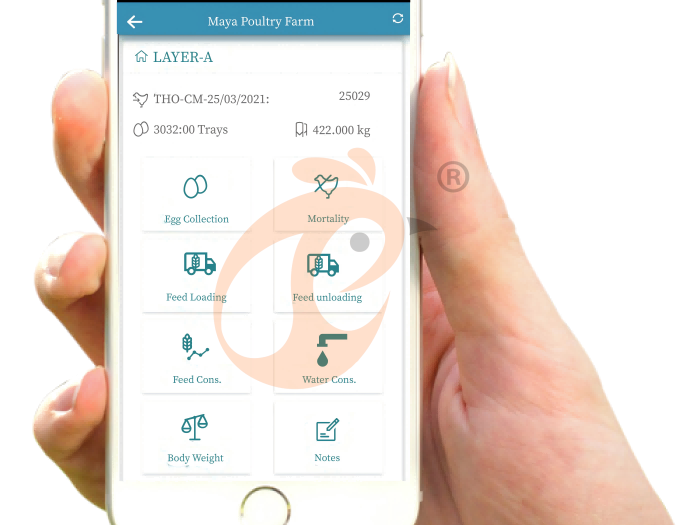
 IoT Smart Poultry FarmRead More
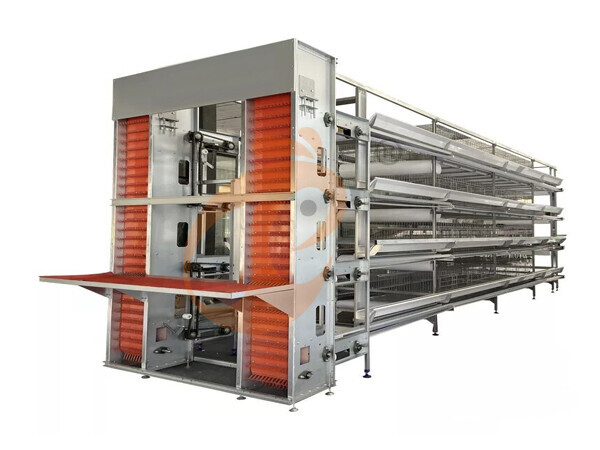
 >30,000 Layers Automatic H Type Battery CageRead More
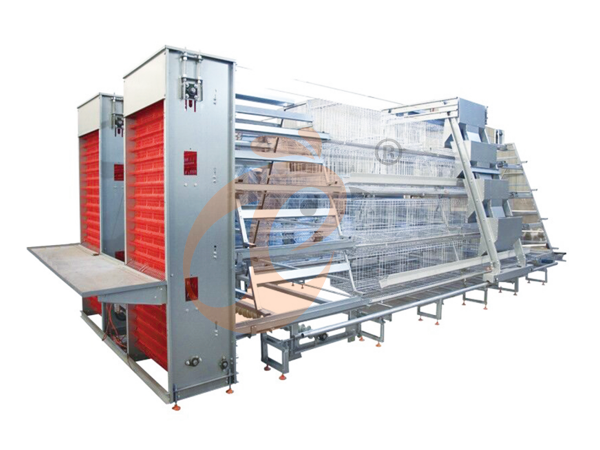
 10,000 - 30,000 Layers Automatic A Type Battery CageRead More

MESSAGE
NEWS