

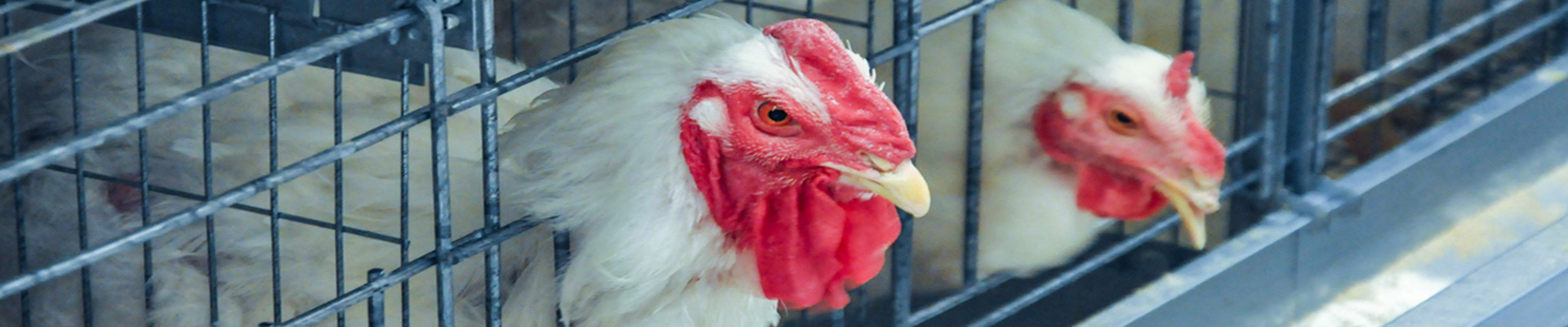
BLOG
Deep litter poultry farming requires stable environmental control, accurate ventilation adjustment, and continuous litter moisture regulation.
Commercial chicken house management directly affects feed conversion ratio, respiratory health, mortality percentage, and production profitability.
Modern poultry equipment combined with automatic poultry farming systems improves disease prevention efficiency inside broiler and layer farms.
Scientific poultry biosecurity management reduces ammonia accumulation, bacterial transmission, and wet litter formation during production cycles.
Professional deep litter poultry house operation supports sustainable poultry farming, lower maintenance expenses, and stronger commercial poultry production stability.
Get professional poultry farm construction guidance, equipment selection solutions, and the latest price lists, whatsApp to +8618830120193, click to learn more.
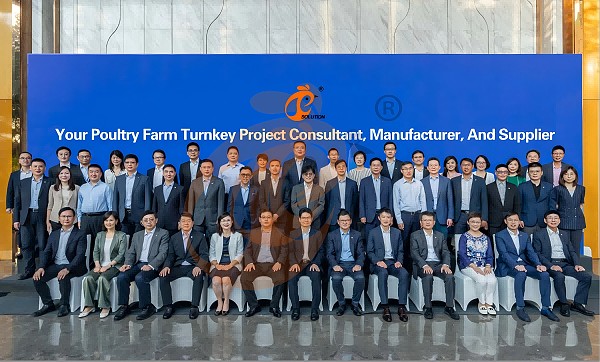
Deep Litter System Structure In Commercial Poultry Farms
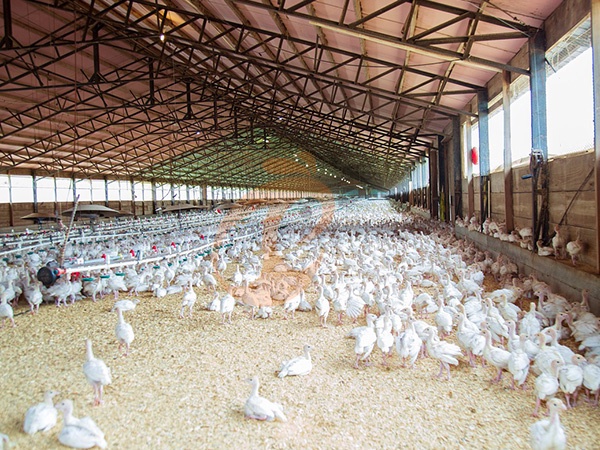
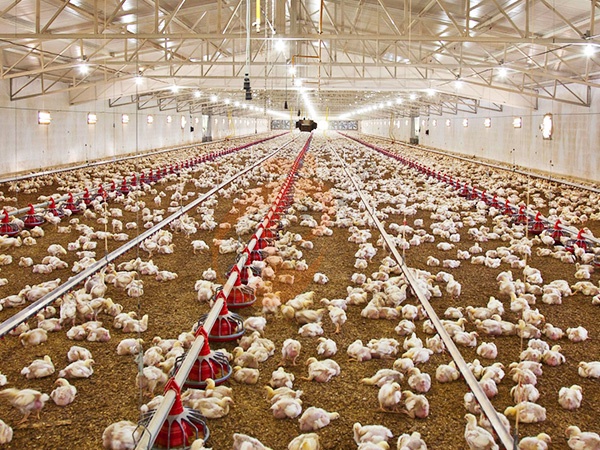
Deep litter poultry housing remains widely used in broiler farming and commercial layer farming because installation investment remains lower than multi-tier cage systems.
Organic bedding materials create thermal insulation while supporting microbial decomposition inside poultry houses.
Proper poultry ventilation systems and litter management procedures reduce pathogen accumulation during long production cycles.
Data is for reference only.Swipe horizontally to view full table.
Wood shavings maintain loose structure longer under heavy broiler activity.
Rice husks remain common inside tropical poultry farming regions because drying speed remains faster during rainy seasons.
Sawdust performs efficiently inside controlled ventilation poultry houses with automatic humidity regulation systems.
Importance Of Biosecurity In Deep Litter Poultry Farming
Commercial poultry farms continuously generate manure, water vapor, feather dust, and microbial activity.
A 25,000-bird broiler farm may produce more than 3.2 metric tons of manure daily near market age.
Without scientific poultry biosecurity management, bacterial contamination and respiratory diseases spread rapidly through litter material and airborne particles.
Production losses associated with disease outbreaks often exceed $6,500 to $18,000 per poultry house annually depending on flock density and regional feed prices.
European union standard reference only.
Data is for reference only.Swipe horizontally to view full table.
Commercial poultry operations increasingly combine automatic poultry farming systems with smart environmental monitoring technology to stabilize flock health performance.
Accurate Litter Moisture Control
Litter moisture remains the most important environmental factor inside deep litter poultry systems.
Moisture accumulation increases bacterial multiplication, ammonia release, and litter compaction.
Scientific moisture regulation improves poultry air quality while reducing respiratory pressure inside broiler production houses.
Data is for reference only.Swipe horizontally to view full table.
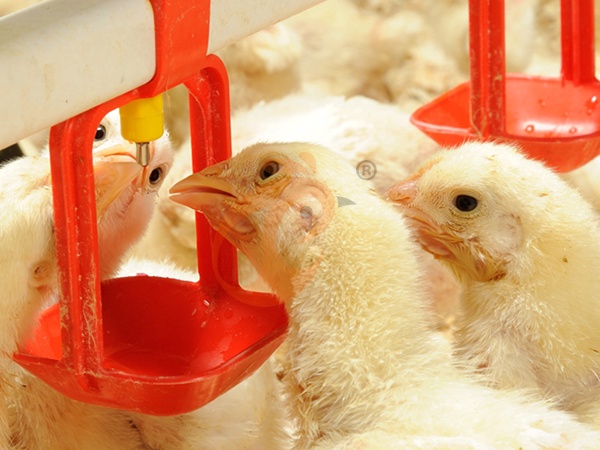
Modern nipple drinking systems reduce water leakage significantly compared with open drinker systems.
Commercial poultry farms replacing traditional bell drinkers often reduce litter moisture by 6% to 11% during final broiler growth stages.
Moisture Reduction Methods In Poultry Houses
Data is for reference only.Swipe horizontally to view full table.
Dry litter surfaces improve bird movement while reducing breast contamination and footpad dermatitis occurrence.
Poultry Science Behind Deep Litter Microbiology
Deep litter poultry systems contain beneficial and harmful microorganisms simultaneously.
Beneficial microbial populations decompose manure while generating mild thermal energy between 28°c and 35°c within lower litter layers.
Stable microbial balance supports natural waste conversion and reduces organic accumulation.
Scientific poultry research demonstrates that litter ph gradually increases during production cycles because nitrogen decomposition intensifies continuously.
Ammonia volatilization accelerates rapidly once litter ph exceeds 8.5 combined with excessive moisture concentration.
Data is for reference only.Swipe horizontally to view full table.
Controlled poultry ventilation systems stabilize oxygen availability and improve litter microbial balance throughout commercial production periods.
Farm Entry Biosecurity And External Contamination Prevention
Workers, vehicles, egg trays, feed delivery equipment, and maintenance tools may transfer pathogens into poultry houses.
Professional poultry biosecurity management therefore requires controlled movement pathways and strict disinfection procedures.
Commercial poultry farms frequently establish separate clean zones and operational zones around production facilities.
Data is for reference only.Swipe horizontally to view full table.
Large broiler farming operations often require shower-in procedures before staff members enter high-density poultry houses.
Consistent sanitation reduces viral transmission risk while improving long-term production stability.
Poultry House Hygiene Scheduling
Routine poultry house sanitation reduces microbial pressure and maintains healthier environmental conditions.
Scientific cleaning schedules improve operational consistency while reducing emergency veterinary intervention frequency.
Data is for reference only.Swipe horizontally to view full table.
Scheduled sanitation management supports stable poultry farming operations and reduces long-term maintenance expenses.
Ventilation And Ammonia Regulation
Ventilation performance directly affects poultry oxygen supply, litter drying speed, and airborne contaminant concentration.
Poor airflow allows water vapor accumulation inside poultry houses and increases litter saturation risks.
Commercial poultry farming operations increasingly rely on tunnel ventilation poultry systems and automatic airflow control equipment.
Data is for reference only.Swipe horizontally to view full table.
Broiler flocks exposed to ammonia concentrations above 35 ppm frequently demonstrate lower feed intake and weaker respiratory resistance.
Scientific poultry ventilation management therefore directly supports healthier flock development.
Minimum Ventilation Requirements By Bird Age
Data is for reference only.Swipe horizontally to view full table.
Modern poultry ventilation equipment improves litter drying speed while stabilizing poultry house humidity during seasonal climate changes.
Educational Insight About Ammonia In Poultry Farming
Ammonia originates from microbial decomposition of uric acid inside poultry manure.
High ammonia concentration damages respiratory membranes and weakens natural disease resistance.
Continuous ammonia exposure reduces oxygen exchange efficiency inside poultry lungs and negatively affects growth performance.
Commercial broiler production data demonstrates that prolonged exposure above 25 ppm may reduce final market weight by 50–90 grams per bird.
Inside a 30,000-bird poultry house, total production loss may exceed 2.1 metric tons of live weight during one production cycle.
Proper poultry ventilation systems combined with dry litter management significantly reduce ammonia accumulation.
Continuous Environmental Monitoring
Professional poultry farming increasingly depends on measurable environmental indicators instead of visual estimation alone.
Modern poultry equipment now includes smart humidity sensors, ammonia detectors, and automatic poultry farming monitoring systems.
Data is for reference only.Swipe horizontally to view full table.
Continuous environmental monitoring improves management precision and helps poultry farms identify operational problems before severe disease outbreaks occur.
Common Environmental Warning Indicators
Data is for reference only.Swipe horizontally to view full table.
Environmental monitoring records also improve production standardization across multiple poultry houses.
Proper Stocking Density Management
Stocking density directly influences litter quality, airflow distribution, and moisture accumulation inside poultry houses.
Overcrowded poultry environments increase manure concentration and reduce effective ventilation movement between birds.
Data is for reference only.Swipe horizontally to view full table.
Balanced stocking density improves poultry welfare, litter drying efficiency, and ventilation consistency throughout commercial production cycles.
Seasonal Poultry Farm Adjustments
Environmental management procedures should change according to climate conditions and seasonal humidity fluctuations.
Rainy seasons increase litter moisture pressure while winter periods reduce natural airflow efficiency.
Data is for reference only.Swipe horizontally to view full table.
Seasonal poultry ventilation adjustments support more stable feed conversion performance and lower mortality percentages.
Frequently Asked Questions
Q1: About deep litter system biosecurityep litter be replaced in commercial poultry farms?
A1: Complete litter replacement normally occurs after each production cycle or after two broiler cycles depending on litter condition and microbial contamination level.
Wet litter coverage above 25% floor area usually requires partial replacement immediately to maintain poultry biosecurity standards.
Q2: What is the best moisture range for deep litter poultry farming?
A2: Commercial broiler farming operations generally maintain litter moisture between 22% and 30%.
Moisture levels above 35% significantly increase ammonia release, bacterial activity, and footpad lesion occurrence.
Q3: Which poultry ventilation system works best for deep litter houses?
A3: Tunnel ventilation poultry systems combined with automatic sidewall air inlets provide strong airflow distribution and faster litter drying efficiency.
Automatic poultry farming ventilation systems also improve temperature consistency and reduce seasonal humidity fluctuations.
Taiyu (HK) Group - One Of China Largest Deep Litter System Biosecurity Manufacturer
Professional deep litter poultry farming equipment supports stable commercial flock management
Global factory direct poultry equipment supply reduces middle-market purchasing expenses
Advanced poultry cage and ventilation systems improve operational environmental efficiency
Turn-key poultry farm engineering solutions support modern automatic poultry farming projects
International poultry production experience supports customized commercial farm construction requirements
Contact Us To Received Your Customized Poultry Farm Plan
Headquarters And Branchs

Hong Kong Headquarter Management Team
Hong Kong Headquarter Taiyu Industrial Group CO., LTD
China Hebei Best Machinery And Equipment CO., LTD
Nigeria Vanke Machinery And Equipment CO., LTD
Tanzania Best Machinery And Equipment CO., LTD
Ethiopia Best Hebei Machinery Manufacturing PLC




Reception /24 WhatsApp NO. : +8618830120193
PRODUCTS RECOMMENDED
 China Branch Manufacture Poultry Farm EquipmentRead More
 Ethiopia Branch Manufacture Poultry Farm EquipmentRead More
 Nigeria Branch Manufacture Poultry Farm EquipmentRead More
 Tanzania Branch Manufacture Poultry Farm EquipmentRead More
 IoT Smart Poultry FarmRead More
 >30,000 Layers Automatic H Type Battery CageRead More
 10,000 - 30,000 Layers Automatic A Type Battery CageRead More
MESSAGE
NEWS