

BLOG
Poultry farm equipment catalogue integrates engineered poultry production systems through standardized mechanical modules.
The catalogue defines housing, feeding, drinking, ventilation, and biosecurity equipment using measurable industrial parameters for large-scale poultry operations.
System design focuses on capacity optimization, energy efficiency, and environmental stability across broiler and layer production cycles.
Equipment selection is guided by structural durability, automation level, and operational throughput requirements in commercial farming environments.
Integrated configuration improves production consistency, reduces mortality rate, and supports scalable poultry facility expansion planning.
Get professional poultry farm construction guidance, equipment selection solutions, and the latest price lists, whatsApp to +8618830120193, click to learn more
Poultry Farm Equipment Catalogue Structure And Functional Logic
A poultry farm equipment catalogue is a structured engineering procurement reference used to configure broiler or layer production systems.
It defines equipment by measurable performance indicators such as capacity (birds/unit), power consumption (kw), water flow rate (ml/min), feed throughput (kg/hour), and stocking density (birds/m²).
Modern poultry farms rely on integrated mechanical systems rather than isolated tools.
The catalogue is typically divided into seven functional modules: housing systems, feeding systems, drinking systems, environmental control systems, egg handling systems, manure removal systems, and biosecurity systems.
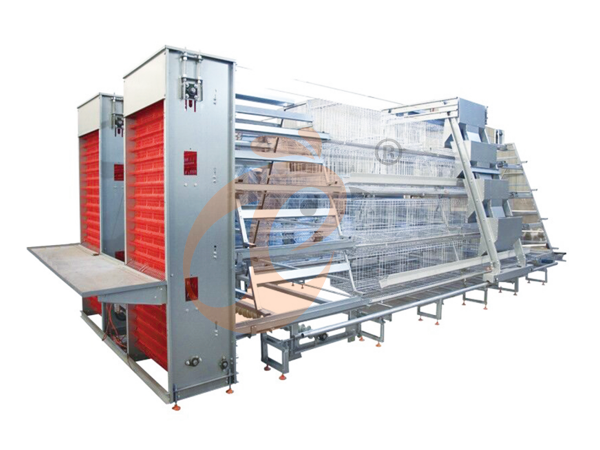
Housing Systems Product Specifications Core Structural Equipment
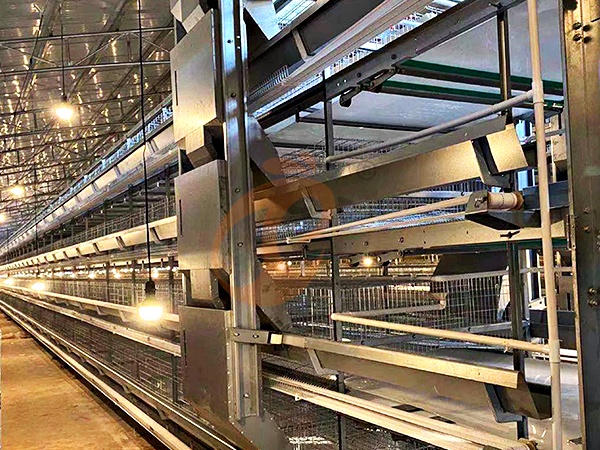
Housing configuration determines spatial efficiency, structural durability, and long-term production stability.
Different cage architectures directly affect usable floor area conversion efficiency per building footprint.
Data is for reference only.Swipe horizontally to view full table.
Structural load distribution and cage layering height design directly influence production density efficiency across vertical poultry systems.
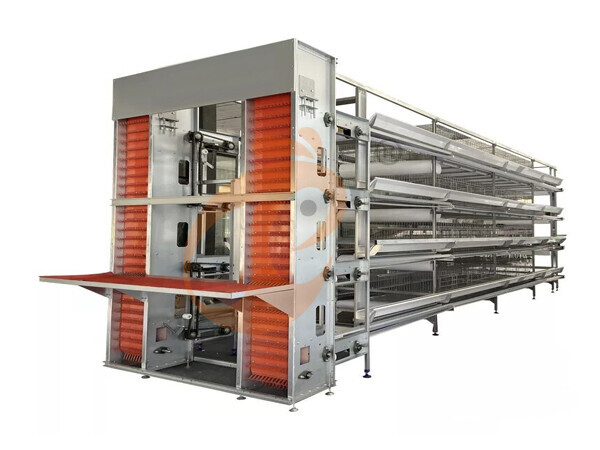
H-type cage systems dominate industrial farms due to higher unit capacity per building footprint, increasing land-use efficiency by approximately 42% compared with floor systems.
Feeding Systems Catalogue And Measurable Output
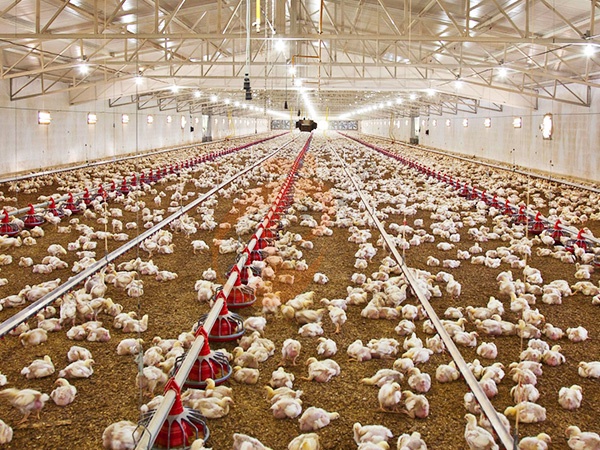
Feed delivery architecture determines nutrient distribution uniformity and directly influences growth curve consistency across flock batches.
Data is for reference only.Swipe horizontally to view full table.
Feed distribution uniformity directly impacts body weight variance coefficient across production cycles in industrial poultry systems.
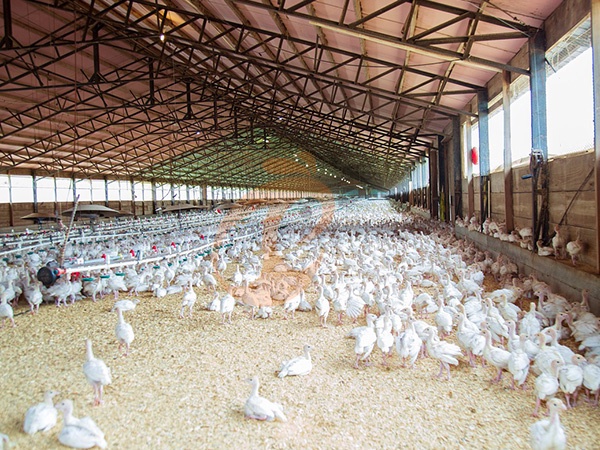
Pan feeding systems are widely used in broiler production due to uniform feed distribution across long house lengths exceeding 120 meters.
Drinking Systems Technical Parameters
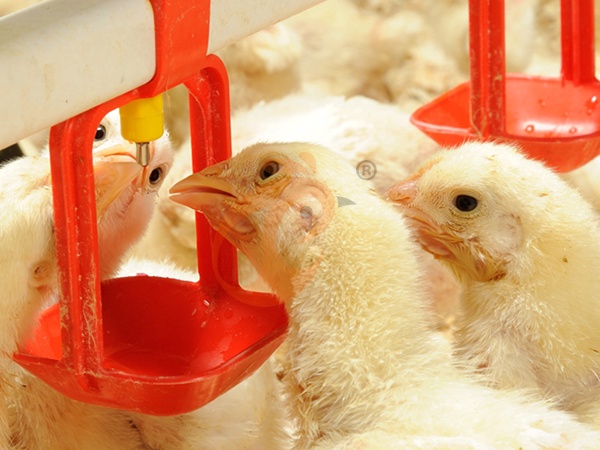
Water line design determines hydration efficiency, mineral intake stability, and microbial control within closed poultry environments.
Data is for reference only.Swipe horizontally to view full table.
Pressure regulation stability directly determines water availability consistency across long pipeline distribution networks.
Nipple systems reduce microbial contamination load by approximately 68% compared with bell drinkers due to closed water delivery design.
Environmental Control Equipment Ventilation And Cooling Systems
Air exchange system design defines thermal equilibrium stability, gas dilution rate, and oxygen renewal efficiency in closed poultry houses.
Data is for reference only.Swipe horizontally to view full table.
Airflow velocity gradient across barn length determines heat stress dispersion uniformity under peak density conditions.
Tunnel ventilation systems maintain ammonia concentration below 20 ppm when properly configured, reducing respiratory disease incidence.
Egg Collection And Handling Systems
Egg flow logistics architecture determines breakage probability, collection synchronization, and labor displacement efficiency.
Data is for reference only.Swipe horizontally to view full table.
Synchronization between conveyor velocity and egg density loading zone reduces mechanical impact frequency during transport cycles.
Automated conveyor systems reduce labor demand per 10,000 layers from approximately 6 workers to 1.2 workers.
Manure Removal Systems And Waste Output Control
Waste discharge systems directly influence ammonia accumulation rate, litter moisture equilibrium, and microbial load development inside housing structures.
Data is for reference only.Swipe horizontally to view full table.
Moisture stabilization speed directly influences ammonia formation rate within litter decomposition cycle.
Belt systems reduce ammonia concentration in housing units by approximately 52% compared with manual removal.
Biosecurity Systems And Disinfection Performance
Pathogen control architecture determines infection transmission probability, surface sterilization speed, and airborne microbial load reduction efficiency.
Data is for reference only.Swipe horizontally to view full table.
Uv wavelength sterilization efficiency depends on exposure time and airflow turbulence uniformity inside closed housing systems.
Uv sterilization systems reduce airborne viral load by up to 98% under closed-house conditions.
Practical Selection Tip Capacity Matching Based On Production Volume
Equipment must align with flock scale measured in birds per cycle.
Farm expansion planning requires feed line capacity coordination with ventilation throughput balance to avoid system bottlenecks.
Data is for reference only.Swipe horizontally to view full table.
Practical Selection Tip Feed Conversion Optimization
Feed conversion ratio (FCR) is strongly influenced by equipment precision.
Nutrient delivery stability reduces metabolic fluctuation and improves flock-level production consistency.
Data is for reference only.Swipe horizontally to view full table.
Practical Selection Tip Environmental Stability Index
Environmental stability is measured by temperature deviation inside housing units.
Microclimate uniformity determines physiological stress levels and production consistency across flock populations.
Data is for reference only.Swipe horizontally to view full table.
Equipment Lifecycle Cost And Maintenance Planning Logic
Poultry farm equipment selection requires lifecycle cost evaluation rather than initial purchase price comparison.
Operational stability depends on maintenance interval, spare part availability, and failure tolerance threshold.
Bearing replacement cycle 6,000–8,000 operating hours for ventilation motors
Conveyor belt tension calibration interval every 45–60 production days
Water line flushing frequency 2–3 cycles per week using 1.5–2.0 bar pressure
Electrical control cabinet inspection every 30 days under dust filtration condition
Sensor calibration drift tolerance ±2% humidity, ±0.5°c temperature deviation
System downtime exceeding 4 hours per cycle typically reduces output efficiency by 1.8–2.4% per day depending on flock density configuration.
Frequently Asked Questions
Q1: What defines poultry farm equipment catalogue structure?
A1: Poultry farm equipment catalogue structure defines integrated system modules including housing, feeding, drinking, ventilation, manure handling, and biosecurity units.
Each module operates under measurable engineering parameters such as airflow, capacity, and consumption metrics for standardized farm design.
Q2: How does feeding system selection affect production efficiency?
A2: Feeding system selection directly influences feed conversion ratio, feed waste level, and weight gain uniformity.
Precision systems reduce feed loss to 6 kg per 1000 birds per day and improve uniformity index to 96%, supporting stable production output.
Q3: Why is environmental control critical in poultry equipment design?
A3: Environmental control stabilizes temperature, humidity, and ammonia concentration.
Tunnel systems maintain deviation at 2°c and ammonia at 12 ppm, reducing respiratory stress and improving growth consistency across large-scale poultry houses.
Taiyu (HK) Group - One Of China Biggest Poultry Cage Manufacturer
Equipment provides industrial poultry cage systems for broiler and layer production.
Factory direct supply supports global poultry farm equipment catalogue integration projects.
Turn-key poultry engineering covers housing, feeding, ventilation, and automation systems.
International exporter of poultry cage equipment with standardized production lines and logistics support.
Industrial manufacturer delivering scalable poultry solutions for commercial farming operations.
Contact Us To Received Your Customized Poultry Farm Plan
Headquarters And Branchs

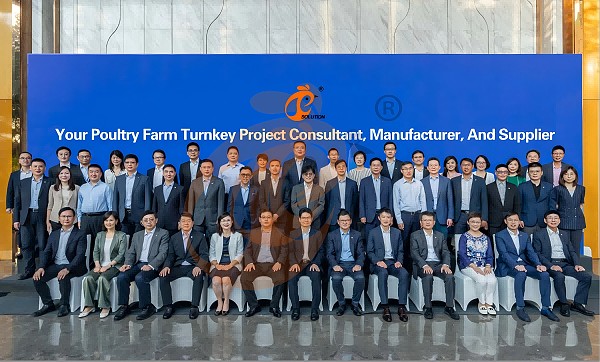
Hong Kong Headquarter Management Team
Hong Kong Headquarter Taiyu Industrial Group CO., LTD
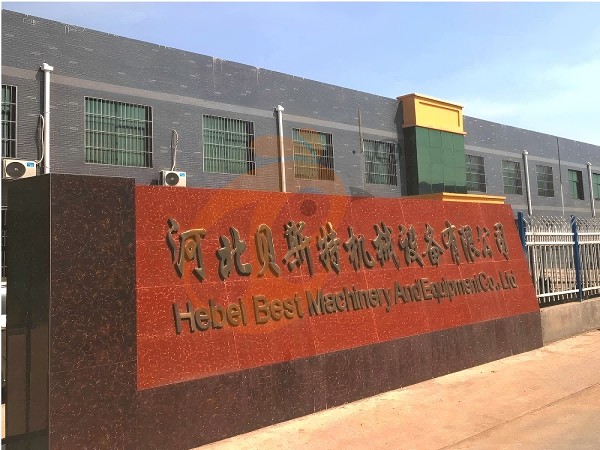
China Hebei Best Machinery And Equipment CO., LTD
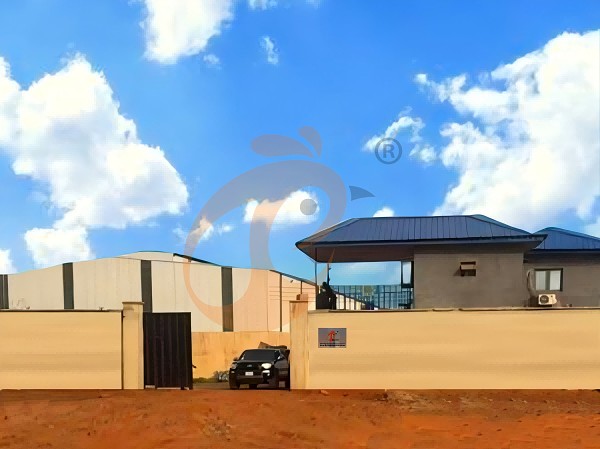
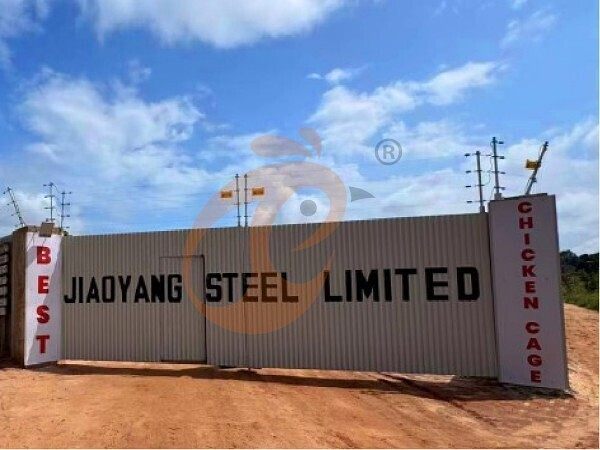
Nigeria Vanke Machinery And Equipment CO., LTD
Tanzania Best Machinery And Equipment CO., LTD
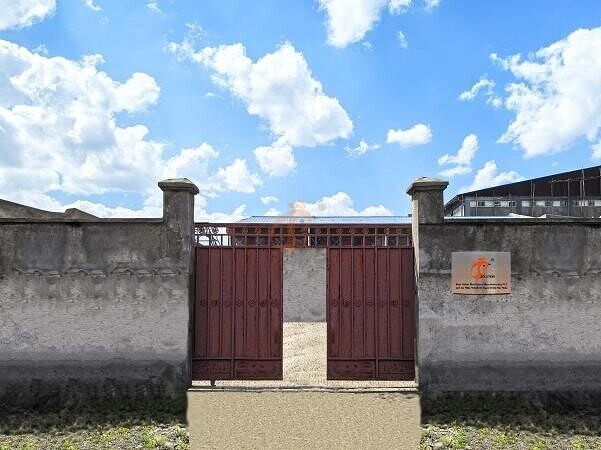
Ethiopia Best Hebei Machinery Manufacturing PLC
Reception /24 WhatsApp NO. : +8618830120193
PRODUCTS RECOMMENDED
 China Branch Manufacture Poultry Farm EquipmentRead More
 Ethiopia Branch Manufacture Poultry Farm EquipmentRead More
 Nigeria Branch Manufacture Poultry Farm EquipmentRead More
 Tanzania Branch Manufacture Poultry Farm EquipmentRead More
 IoT Smart Poultry FarmRead More
 >30,000 Layers Automatic H Type Battery CageRead More
 10,000 - 30,000 Layers Automatic A Type Battery CageRead More
MESSAGE
NEWS