

BLOG
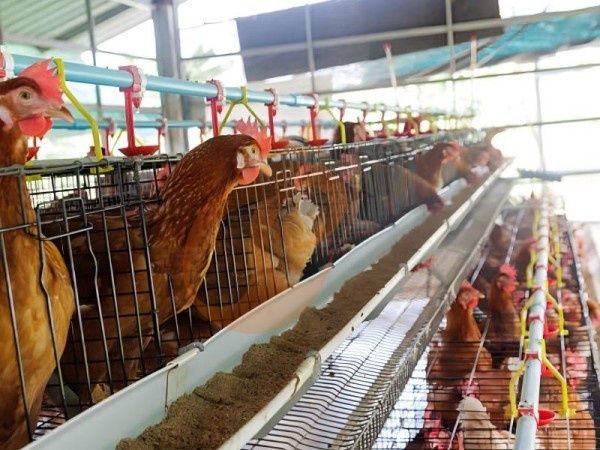
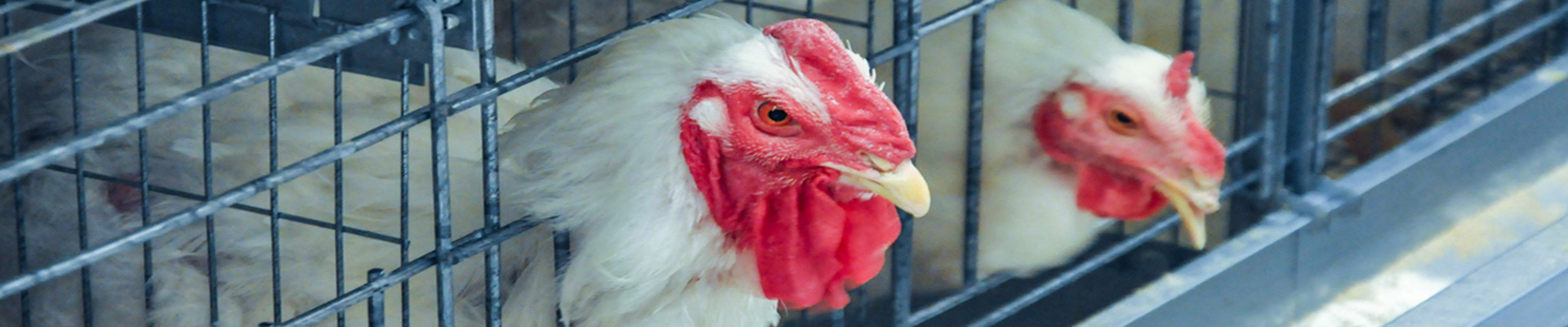
Layer chicken cage Ethiopia is increasingly used across peri-urban and urban farms.
Poultry egg production Ethiopia faces challenges due to feed cost and disease pressure.
Chicken cage farm management requires trained personnel for sustainable egg output.
Urban markets such as Addis Ababa and Bishoftu create high egg demand.
Local feed ingredients like maize and oilseed cake reduce operational costs.
Turn-key poultry farm solutions are being adopted by growing commercial farms.
Get professional poultry farm construction guidance, equipment selection solutions, and the latest price lists, whatsApp to +8618830120193, click to learn more:

Ethiopia Branch Office And Factory Of Poultry Farm Equipment
Overview Of The Ethiopian Layer Farming Industry
Ethiopia has one of the largest poultry populations in East Africa, but most birds are raised in traditional systems.
Only a portion of farms use commercial A-type chicken cages for egg production.
Commercial layer farms are mainly concentrated near major markets such as Addis Ababa and Adama because transportation costs for eggs are lower and feed supply chains are stronger.
Data is for reference only.Swipe horizontally to view full table.
Inadequate Ventilation In Cage Houses
Many poultry houses in Ethiopian regions such as Oromia Region and Amhara Region experience temperature fluctuations.
A-type chicken cage houses that lack sufficient ventilation accumulate ammonia from manure and moisture from droppings.
Poor ventilation can cause respiratory diseases, reduced egg production, and poor shell quality.
Farmers using A-type cages in closed buildings without airflow systems often face productivity losses.
Data is for reference only.Swipe horizontally to view full table.
Solution
Farmers should install natural cross-ventilation systems, roof vents, and adjustable side curtains. In larger farms, exhaust fans can maintain airflow even during rainy seasons.
Improved ventilation enhances egg cleanliness and reduces disease incidence.
High Feed Costs Affecting Layer Production
Feed cost is the largest operational expense for Ethiopian egg farms.
Studies show that feed can represent over 80% of total variable costs in layer production.
Feed prices have increased due to imported premixes and rising grain prices.
Farmers in Bishoftu and surrounding poultry clusters frequently report that feed expenses significantly reduce profit margins.
Data is for reference only.Swipe horizontally to view full table.
Solution
Farmers can reduce costs by using locally available ingredients such as maize, wheat bran, and oilseed cake.
Formulating balanced rations with agricultural extension services and installing automated feeders reduces feed wastage.
Disease Pressure And Weak Biosecurity
Disease outbreaks remain a major constraint in Ethiopian poultry farming.
Lack of vaccination programs and poor hygiene increase mortality rates.
Common diseases affecting layer flocks include Newcastle disease, fowl pox, and coccidiosis.
Data is for reference only.Swipe horizontally to view full table.
Solution
Farmers should implement structured health management including scheduled vaccination programs, disinfection at farm entrances, isolation of new birds, and regular manure removal.
Improved biosecurity can reduce disease losses by up to 80% in poultry operations.
Egg Market Fluctuations
Egg prices in Ethiopia fluctuate depending on season, feed costs, and Orthodox Christian fasting periods.
Data is for reference only.Swipe horizontally to view full table.
Solution
Farmers can diversify markets by selling eggs directly to supermarkets, supplying bakeries, and producing graded eggs for premium markets.
Developing reliable distribution channels reduces financial risk.
Labor Efficiency In Cage Management
Manual feeding, watering, and manure cleaning are labor-intensive.
In large layer farms, inefficient labor management increases operating costs.
Data is for reference only.Swipe horizontally to view full table.
Solution
Adopting partial automation such as automatic feeders, nipple drinking systems, and manure belt removal systems improves hygiene and reduces labor costs.
Water Supply And Quality Management
Water quality and supply consistency are critical factors in layer chicken cage farms.
In Ethiopia, many farms in regions such as Oromia and Amhara experience irregular water supply due to seasonal shortages.
Contaminated water can spread diseases and reduce feed efficiency, lowering egg production.
Data is for reference only.Swipe horizontally to view full table.
Solution
Farmers should install water filtration systems and storage tanks to maintain a continuous clean water supply.
Regular testing of water quality and disinfecting drinking lines reduces disease risk.
Ensuring stable water supply increases feed efficiency and stabilizes egg production in layer farms.
Frequently Asked Questions
Q1: What are the main challenges of A-type chicken cages in Ethiopia?
The main challenges include ventilation problems, high feed costs, disease outbreaks, labor inefficiency, and water quality issues.
Q2: How can farmers reduce feed expenses effectively?
Using locally available ingredients and automated feeders can reduce costs while maintaining production.
Q3: Which management practices improve egg production in cage farms?
Proper lighting, stocking density, vaccination, clean water supply, and regular cleaning optimize egg output.
Ethiopia Best Hebei Machinery Manufacturing Plc - One Of Ethiopia Largest Layer Chicken Cage Manufacturer
HB BEST provides global factory direct sales for poultry farm equipment across Ethiopia.
The company supplies high-quality A-type chicken cage systems and poultry cage solutions.
Turn-key poultry farm engineering is offered to optimize egg production efficiency.
HB BEST supports farmers with installation, training, and after-sales services.
Advanced poultry farm equipment ensures long-term productivity and farm sustainability.
Contact Us To Received Your Customized Poultry Farm Plan
Headquarters And Branchs
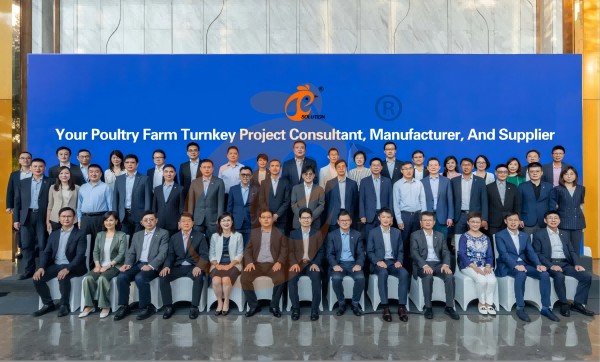
Hong Kong Headquarter Management Team
Hong Kong Headquarter Taiyu Industrial Group CO., LTD
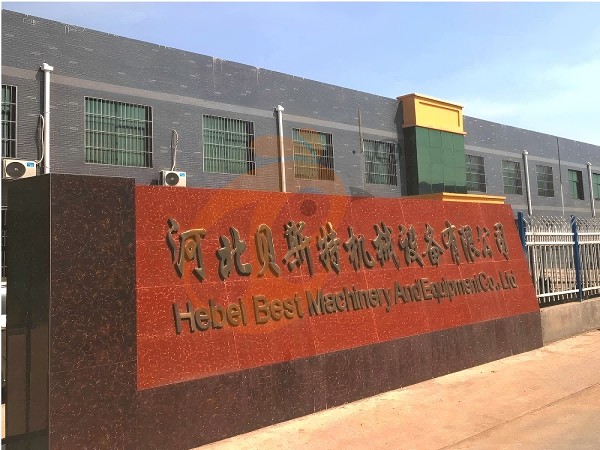
China Hebei Best Machinery And Equipment CO., LTD
Nigeria Vanke Machinery And Equipment CO., LTD
Tanzania Best Machinery And Equipment CO., LTD
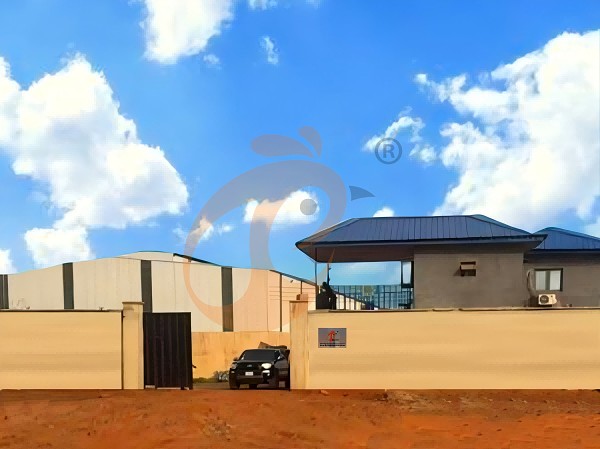
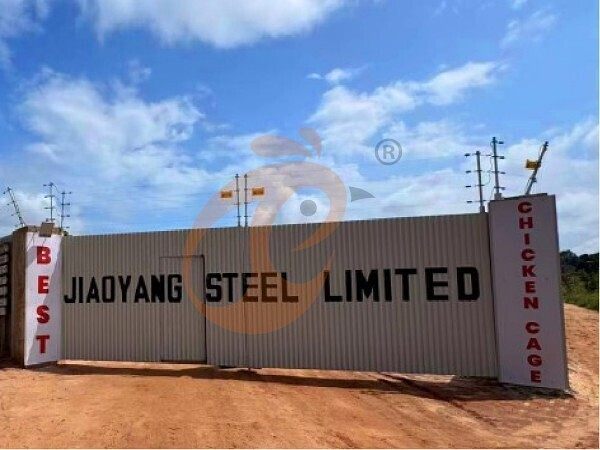
Ethiopia Best Hebei Machinery Manufacturing PLC

Reception /24 WhatsApp NO. : +8618830120193
PRODUCTS RECOMMENDED
 China Branch Manufacture Poultry Farm EquipmentRead More
 Ethiopia Branch Manufacture Poultry Farm EquipmentRead More
 Nigeria Branch Manufacture Poultry Farm EquipmentRead More
 Tanzania Branch Manufacture Poultry Farm EquipmentRead More
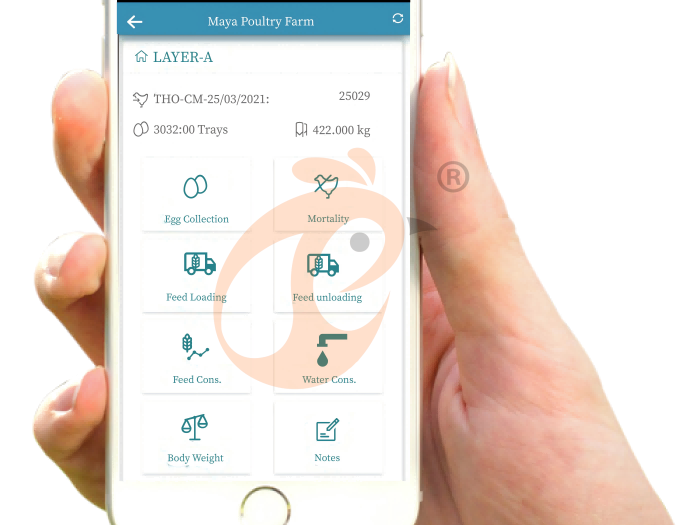
 IoT Smart Poultry FarmRead More
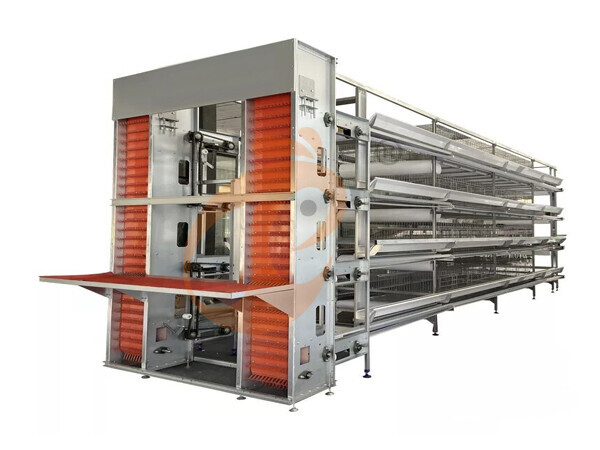
 >30,000 Layers Automatic H Type Battery CageRead More
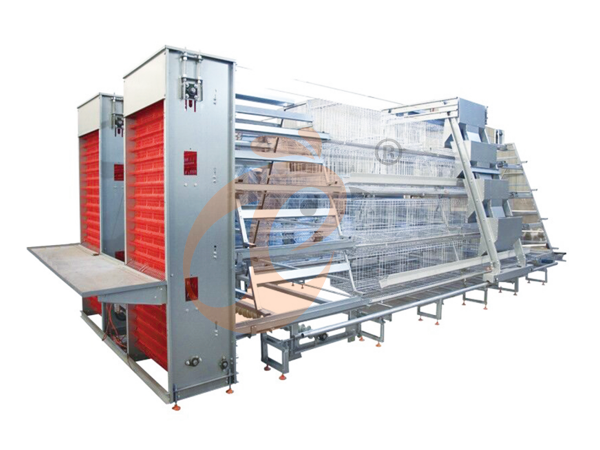
 10,000 - 30,000 Layers Automatic A Type Battery CageRead More

MESSAGE
NEWS
 What Makes A Factory-Direct A Type Chicken Battery Cage More Cost-Effective? 4 ReasonsRead More
 Deep Litter System For Broilers Vs Cage | Which Is More Profitable?Read More
 Free Range Broiler System Vs Intensive Farming | Which Is More Profitable?Read More
 Broiler Floor Rearing System Cost | 6 Factors Affecting PriceRead More