

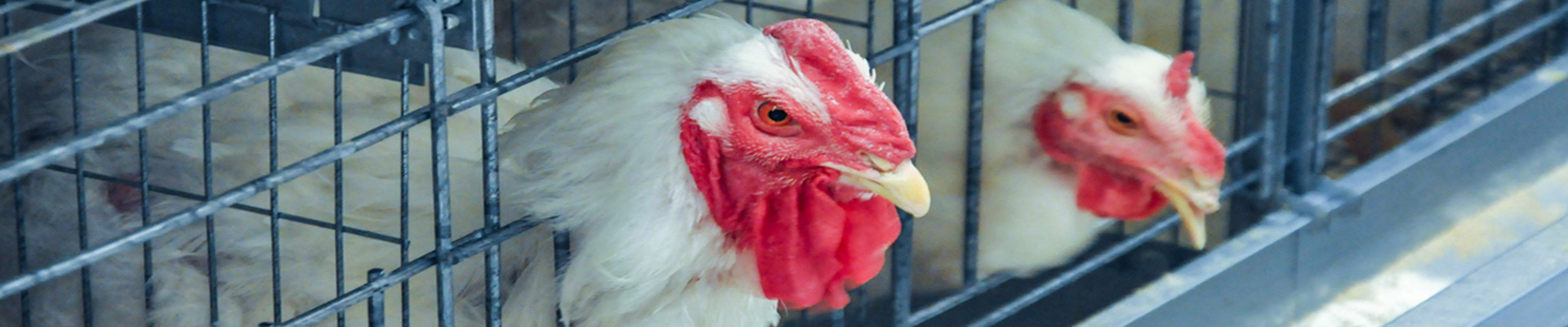
BLOG
Ethiopian poultry productivity has become a critical focus for local farmers.
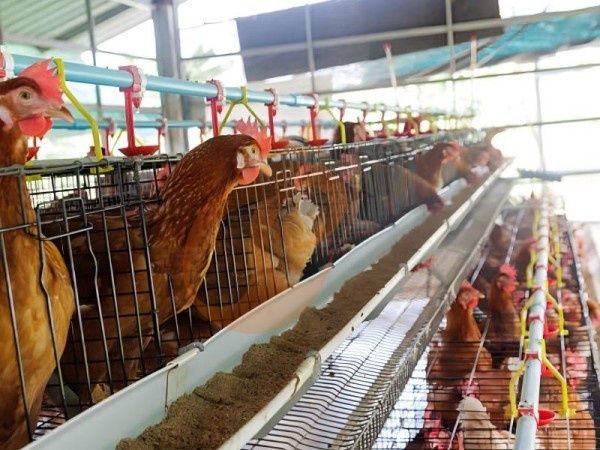
Modern chicken cage system adoption improves bird health and overall efficiency.
Efficient egg production ensures higher marketability and better profit margins.
H type chicken cage designs address traditional system limitations.
Local manufacturing enhances accessibility and reduces upfront costs.
Get professional poultry farm construction guidance, equipment selection solutions, and the latest price lists, whatsApp to +8618830120193, click to learn more:

Ethiopia Branch Office And Factory Of Poultry Farm Equipment
Ethiopian Poultry Context And The Limitations Of Traditional Chicken Cage Systems
Ethiopia's egg industry has historically relied on conventional floor systems, wooden cages, or low-quality steel chicken cages.
These systems often suffer from poor ventilation, inefficient space utilization, and high labor requirements.
Moreover, the tropical climate characterized by hot days and cool nights in highland regions like Addis Ababa and Jimma puts additional stress on birds housed in poorly designed chicken cages.
Producers report common issues with traditional systems, including elevated mortality, inconsistent egg quality, and high feed conversion ratios.
The need to improve welfare while maintaining productivity has led industry leaders to explore alternative chicken cage designs, with the H type chicken cage gaining notable attention.
Structural Efficiency: H Type Versus Traditional Chicken Cage Designs
The core advantage of the H type system lies in its engineering.
Traditional chicken cages in Ethiopia often have uneven spacing, suboptimal tier layout, and non-modular frameworks that make cleaning and maintenance difficult.
Data is for reference only.Swipe horizontally to view full table.
The H type's standardized tiers and improved airflow help reduce heat stress and ammonia buildup two common concerns in Ethiopian poultry houses due to climate challenges.
Cage width, depth, and height are 1200–2200 mm, 625 mm, and 450 mm respectively.
Suggested flock size for Ethiopian farms is 30,000–100,000 birds.
Environmental Conditions And Bird Comfort
In Ethiopia's varied regions from the humid Rift Valley to cooler Ethiopian highlands temperature and humidity swings impact laying hen performance.
Traditional chicken cages often trap heat and poorly circulate air.
Data is for reference only.Swipe horizontally to view full table.
By lowering heat stress and ammonia concentration, H type chicken cages improve bird comfort.
This factor is strongly correlated with egg yield and shell quality.
For producers in Jijiga or Hawassa where temperatures spike, this improvement results in better flock health throughout the year.
Feed Conversion And Economic Efficiency
Feed represents the largest cost input in Ethiopian poultry farms.
Traditional chicken cages with wide spacing and poor bird distribution often lead to uneven feed access and poor conversion ratios.
Data is for reference only.Swipe horizontally to view full table.
The improved Fcr in H type systems supports lower feed costs per egg (European union standard reference only).
Producers report greater predictability in feeding outcomes, allowing better planning and cost control.
Efficient egg production benefits both smallholders and commercial enterprises.
Labor And Management Efficiency In The Ethiopian Context
Many Ethiopian farms rely on manual labor for feeding, watering, cleaning, and egg collection.
Traditional designs often exacerbate labor demands due to inefficient layout and the need for frequent cleaning.
Data is for reference only.Swipe horizontally to view full table.
H type chicken cages reduce daily labor requirements.
Easier egg collection, more efficient cleaning, and better bird monitoring free up time for other income activities.
This efficiency is particularly valuable in regions like Bahir Dar and Dire Dawa.
Disease Control And Biosecurity Advantages
In Ethiopia, infectious diseases such as Newcastle, infectious bronchitis, and salmonella remain persistent threats.
Poor chicken cage sanitation in traditional designs increases pathogen exposure and complicates disinfection.
Data is for reference only.Swipe horizontally to view full table.
The sloped feces belts and easier washing of H type chicken cages reduce pathogen persistence.
This enhances biosecurity a key concern for highland poultry units where disease outbreaks can devastate flock performance.
Egg Quality And Marketability In Ethiopian Supply Chains
Egg quality is critical in Ethiopia's expanding supermarket and hotel markets.
Poor eggshell integrity from heat stress or bird movement in traditional chicken cages can reduce market value.
Data is for reference only.Swipe horizontally to view full table.
Eggs raised in H type chicken cages are structurally stronger and have a more consistent size profile.
Higher quality reduces breakage during transport across Ethiopia's challenging road networks.
Environmental Sustainability And Waste Management
Traditional floor systems and older chicken cages often complicate manure collection.
H type chicken cages integrate manure belts that promote collection and utilization.
Data is for reference only.Swipe horizontally to view full table.
Better manure handling reduces odors and water contamination risks.
Well-collected manure becomes a valuable fertilizer or bioenergy input for Ethiopian farmers practicing mixed crop–livestock systems.
Cost‑Benefit Over Time
Initial investment is a common concern among Ethiopian producers.
While H type chicken cages require higher upfront investment than traditional systems, long-term benefits often outweigh initial costs.
Data is for reference only.Swipe horizontally to view full table.
Faster payback period and higher return on investment reflect improved productivity, reduced feed cost, and lower mortality.
For Ethiopian cooperatives and commercial farms in historic poultry hubs like Meki or Shashamane, this translates into financial viability and growth potential.
Scalability And Local Adaptation
H type chicken cages have proven flexible for Ethiopian conditions.
Local fabricators in Addis Ababa and Hawassa are now able to manufacture components using locally sourced steel.
Data is for reference only.Swipe horizontally to view full table.
Local adaptation reduces costs and empowers Ethiopian small and medium cage suppliers.
Standardization simplifies training for farm workers and improves operational consistency.
Challenges And Practical Solutions
Despite clear advantages, transitioning to H type chicken cage systems faces barriers: access to capital, training on cage management, and adaptation to different climatic zones.
Addressing Ethiopian pain points requires targeted strategies
Access to finance
Local credit programs and cooperative financing models can help producers afford H type chicken cages.
Training and extension services
Partnerships between universities and poultry farms can develop training modules on cage management, ventilation, and biosecurity.
Infrastructure integration
Combining H type chicken cages with solar-assisted ventilation and rainwater harvesting can further enhance efficiency in arid regions like Afar.
Frequently Asked Questions
Q1: How do H type chicken cages improve Ethiopian poultry productivity?
A1: H type chicken cages enhance ventilation, reduce mortality, and improve feed conversion ratios, directly increasing poultry productivity.
Q2: Are H type chicken cages suitable for different Ethiopian climates?
A2: Yes, modular design and airflow channels adapt to highland and lowland temperature variations efficiently.
Q3: What economic benefits do modern chicken cage systems provide?
A3: They lower labor cost, feed per egg, and increase usable egg yield, supporting higher profits.
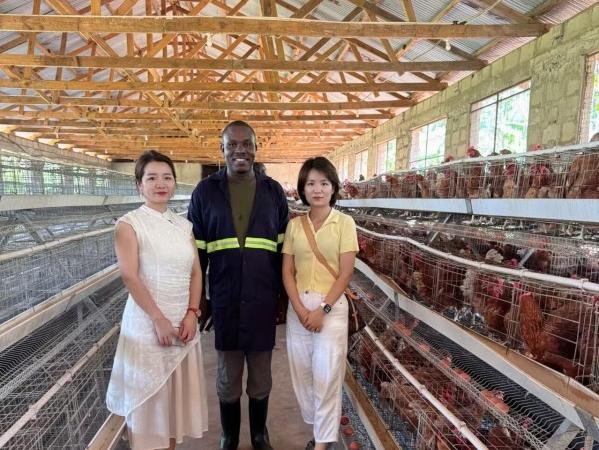
Ethiopia Best Hebei Machinery Manufacturing Plc - One Of Ethiopia Biggest Modern Chicken Cage System Manufacturer
Offers global factory direct sales, providing poultry farm equipment efficiently to Ethiopian customers.
The company specializes in poultry cage solutions and offers turn-key projects for egg farms.
Local support and training ensure producers maximize H type chicken cage productivity.
HB BEST integrates modern design with high-quality steel, enhancing cage durability.
Comprehensive after-sales services help farms reduce maintenance costs and improve egg output.
Contact Us To Received Your Customized Poultry Farm Plan
Headquarters And Branchs

Hong Kong Headquarter Management Team
Hong Kong Headquarter Taiyu Industrial Group CO., LTD
China Hebei Best Machinery And Equipment CO., LTD
Nigeria Vanke Machinery And Equipment CO., LTD
Tanzania Best Machinery And Equipment CO., LTD
Ethiopia Best Hebei Machinery Manufacturing PLC




Reception /24 WhatsApp NO. : +8618830120193
PRODUCTS RECOMMENDED
 China Branch Manufacture Poultry Farm EquipmentRead More
 Ethiopia Branch Manufacture Poultry Farm EquipmentRead More
 Nigeria Branch Manufacture Poultry Farm EquipmentRead More
 Tanzania Branch Manufacture Poultry Farm EquipmentRead More
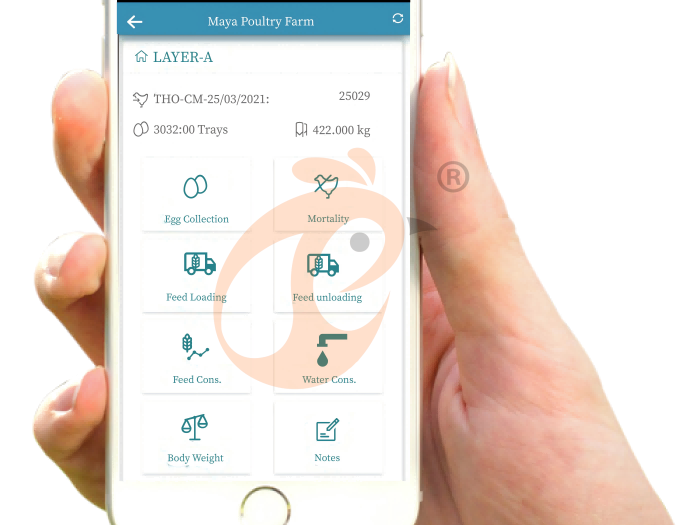
 IoT Smart Poultry FarmRead More
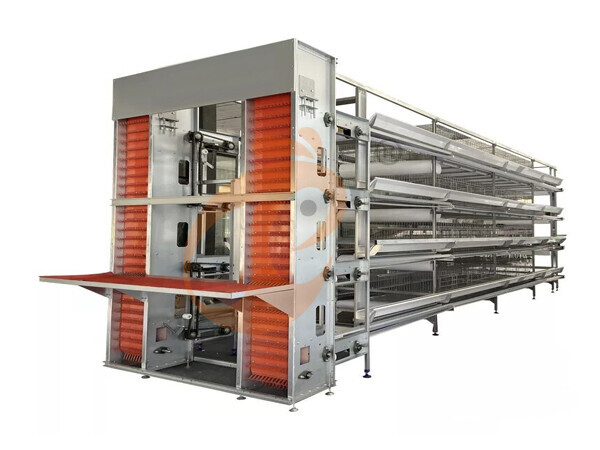
 >30,000 Layers Automatic H Type Battery CageRead More
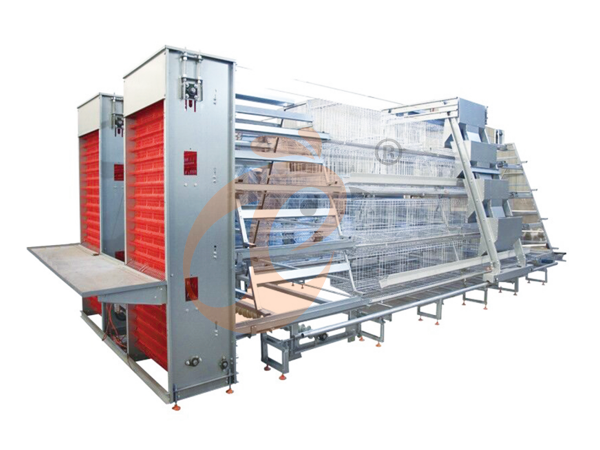
 10,000 - 30,000 Layers Automatic A Type Battery CageRead More
MESSAGE
NEWS
 What Makes A Factory-Direct A Type Chicken Battery Cage More Cost-Effective? 4 ReasonsRead More
 Deep Litter System For Broilers Vs Cage | Which Is More Profitable?Read More
 Free Range Broiler System Vs Intensive Farming | Which Is More Profitable?Read More
 Broiler Floor Rearing System Cost | 6 Factors Affecting PriceRead More