

NEWS
1. What Is A Commercial Layer Farm?
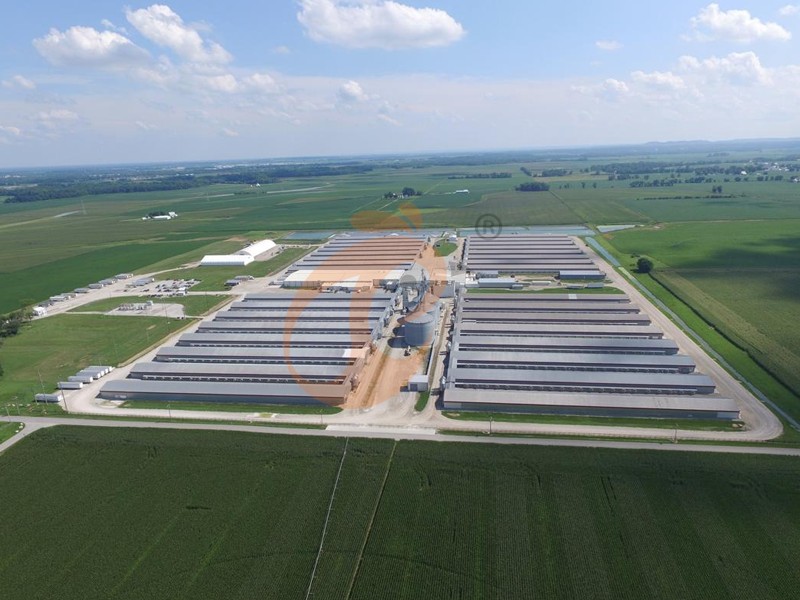
A commercial layer farm integrates hen housing, egg production, feed distribution, drinking water, and manure management.
Typical projects accommodate 1,000–100,000+ hens.
Main production stages include
Flock management: Pullet rearing and laying-hen management.
Egg production: Lighting, nutrition, and environmental control.
Feed management: Automatic feed storage and distribution.
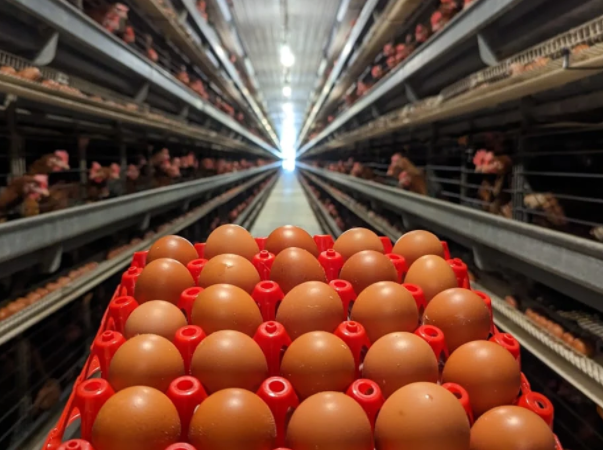
Egg handling: Collection, conveying, and grading.
Waste management: Manure removal and storage.
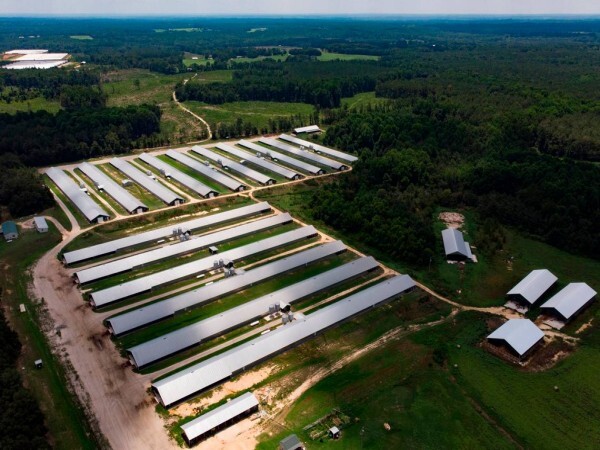
A 5,000-hen farm may use semi-automatic equipment, while a 100,000-hen complex benefits from centralized conveyors and environmental controls.
2. Key Factors Before Planning A Layer Farm
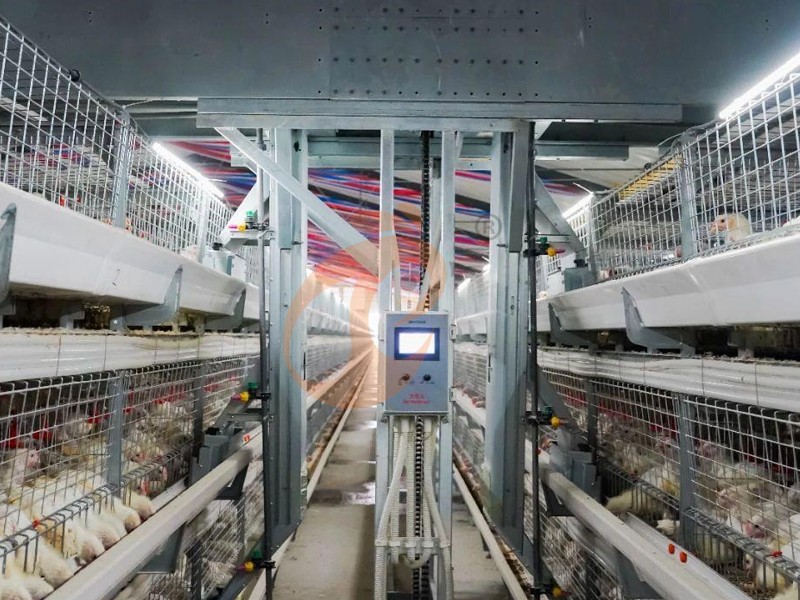
Site selection should consider land, climate, construction, utilities, labor, and biosecurity.
Hot climates require tunnel ventilation and cooling pads, whereas colder regions need insulation and minimum ventilation.
Biosecurity should include vehicle disinfection, restricted entrances, and separate clean and dirty routes.
For integrated egg-handling solutions, explore Egg Production Equipment when planning the overall facility.
Get professional poultry farm construction guidance, equipment selection solutions, and the latest price lists. WhatsApp to +8618830120193.
3. Compare Layer House Designs For 1,000 To 100,000 Birds
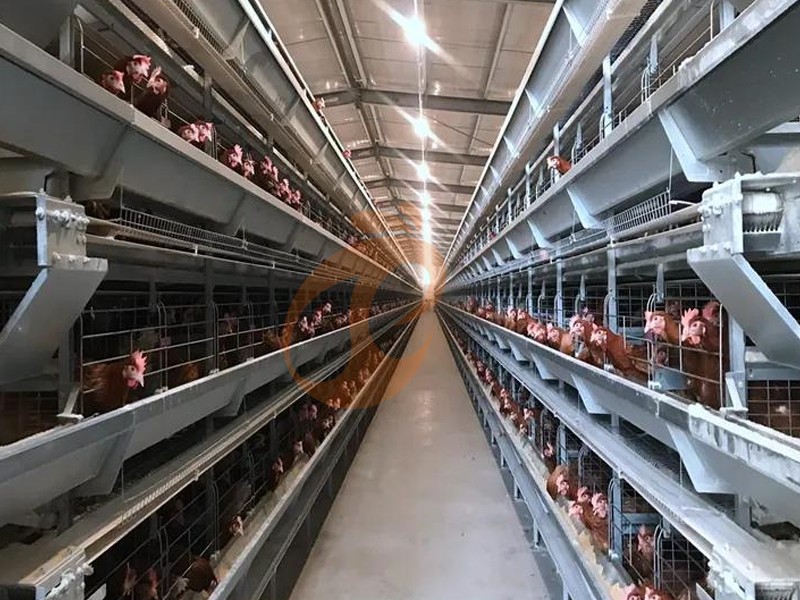
House dimensions and cage arrangements must match flock capacity.
The following configurations incorporate the actual A-type and H-type cage specifications, with preliminary building dimensions for reference.
Data is for reference only.Swipe horizontally to view full table.
Required sets are calculated by dividing target capacity by birds per set and rounding up.
Building dimensions, row quantities, and layouts require project-specific engineering verification.
Recommended configurations
1,000–5,000 hens: 3–5-tier A-type cages.
10,000–20,000 hens: A-type or H-type cages.
50,000 hens: 5-tier A-type or 8-tier H-type.
100,000+ hens: 8-tier or 16-tier H-type systems.
4. Choose The Right Layer Housing And Cage System
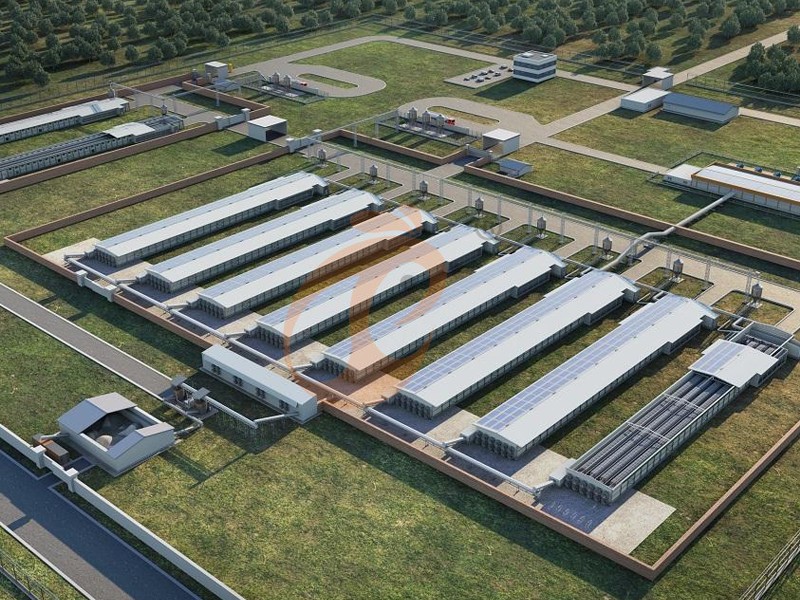
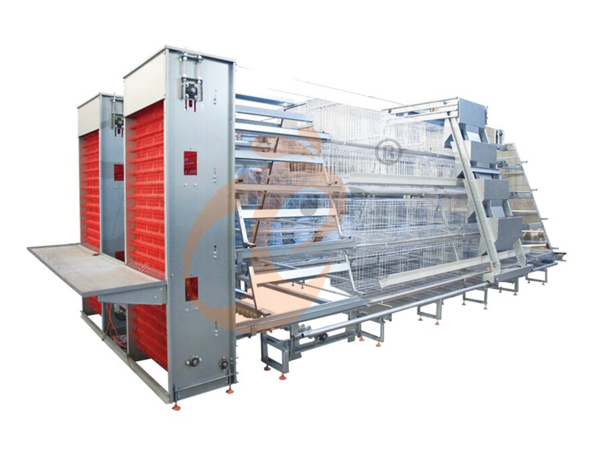
A-type cages feature stepped arrangements, convenient inspection, and straightforward installation.
They are suitable for smaller farms and relatively simple management systems.
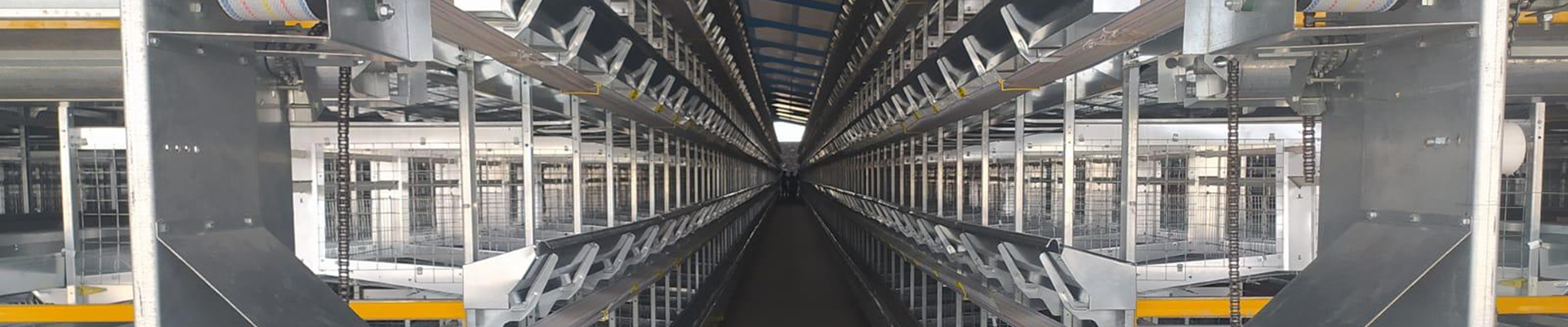
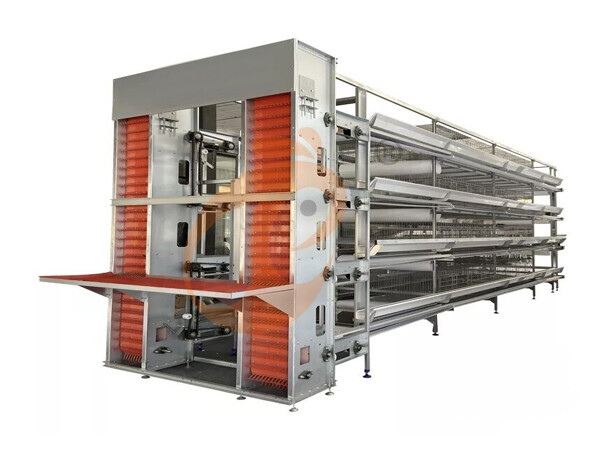
H-type cages feature vertical stacking, higher space utilization, and greater automation potential.
Taiyu Group (HK) Layer Cage Systems can be considered when evaluating integrated cage configurations.
4.1 Actual Layer Cage Specifications
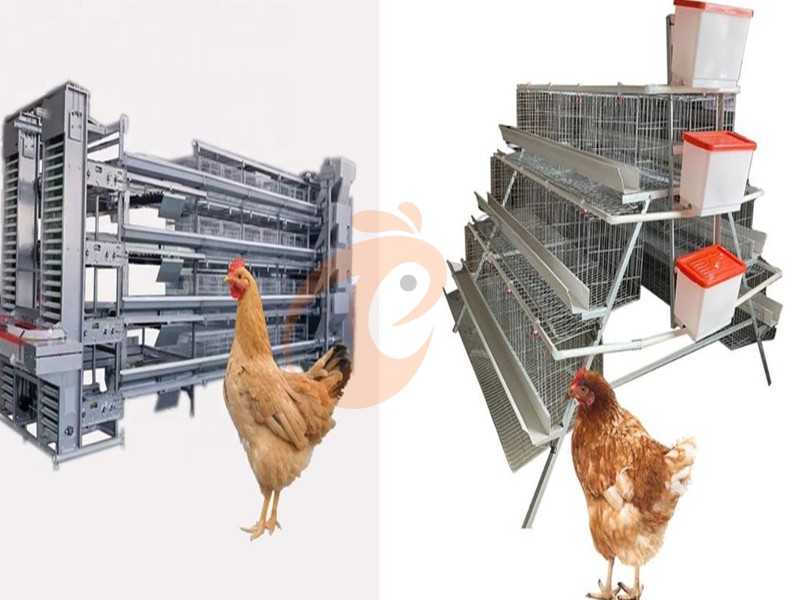
The following specifications reflect the available A-type and H-type cage models.
H-type layer chicken cages
A-type layer chicken cages
Manual equipment suits 1,000–2,000 hens, semi-automatic systems suit 2,000–10,000, and fully automatic solutions benefit larger operations.
A-type VS H-type: the former emphasizes accessibility, while the latter prioritizes vertical utilization and centralized automation.
Housing must also satisfy destination-country welfare requirements.
5. Configure Feeding, Egg Collection, Manure Removal And Ventilation Systems
5.1 Feeding And Drinking
Feed silos, augers, automatic feeding lines, and nipple drinkers provide consistent distribution.
A 5,000-hen farm needs coordinated feed storage, while 50,000–100,000 hens require higher conveying capacity and backup equipment.
5.2 Egg Collection And Manure Removal
Egg belts and cross conveyors transport eggs toward grading facilities.
A 10,000-hen farm needs coordinated collection routes, while 100,000-hen operations require synchronized conveying.
Manure belts remove waste beneath cages, reducing accumulation and simplifying cleaning.
Removal frequency depends on moisture, climate, and storage arrangements.
5.3 Ventilation And Cooling
Exhaust fans, air inlets, cooling pads, and controllers maintain air quality and temperature.
Illustrative hot-weather benchmarks; final airflow requires engineering calculations based on bird weight, climate, and house geometry.
Explore professional poultry farm construction guidance, integrated equipment selection, and updated price lists. WhatsApp to +8618830120193.
6. Estimate Project Costs And Request An Equipment Proposal
Investment depends on cage specifications, automation, building construction, transportation, and installation.
European union standard reference only: European compliance requirements should be evaluated separately; all project quotations should use USD and reflect actual delivery costs.
For an accurate proposal, provide:
Target capacity: 1,000–100,000+ hens.
House dimensions: width, length, and height.
Cage preference: A-type or H-type.
Automation level: manual, semi-automatic, or automatic.
Project location and USD budget.
A complete proposal should cover equipment selection, layout drawings, quantities, shipping, installation, and commissioning.
1 can also be included in the project configuration.
Request customized layer farm design, equipment configurations, and the latest project price lists WhatsApp to +8618830120193 for technical consultation.
7. Frequently Asked Questions
Q1. What is the best design for a 10,000-hen farm?
A 5-tier A-type or 4-tier H-type system with automatic feeding, egg collection, and manure removal is suitable, subject to building and climate conditions.
Q2. Which cage system suits 100,000 hens?
A 16-tier H-type configuration provides 512 birds per set and supports large-scale automation, subject to building engineering and local regulations.
Q3. What determines equipment investment?
Cage tiers, automation, ventilation, transportation, installation, and project location determine the final USD quotation.
Taiyu (HK) Group - One Of China Biggest Layer Cage Manufacturer
Layer farm equipment integrates 3–16-tier cages, feeding, egg collection, manure removal, and ventilation for 1,000–100,000+ hens.
Global factory-direct poultry equipment manufacturing supports 2–8 equipment categories and customized engineering.
Turn-key projects cover 1–6 houses, equipment layouts, installation planning, and commissioning.
A-type and H-type cage solutions provide 120–512 birds per set for commercial production.
International services coordinate manufacturing, container shipping, technical documentation, and overseas installation.
Contact Us To Received Your Customized Poultry Farm Plan
Headquarters And Branchs

Hong Kong Headquarter Management Team
Hong Kong Headquarter Taiyu Industrial Group CO., LTD
China Hebei Best Machinery And Equipment CO., LTD
Nigeria Vanke Machinery And Equipment CO., LTD
Tanzania Best Machinery And Equipment CO., LTD
Ethiopia Best Hebei Machinery Manufacturing PLC




Reception /24 WhatsApp NO. : +8618830120193
PRODUCTS RECOMMENDED
 China Branch Manufacture Poultry Farm EquipmentRead More
 Ethiopia Branch Manufacture Poultry Farm EquipmentRead More
 Nigeria Branch Manufacture Poultry Farm EquipmentRead More
 Tanzania Branch Manufacture Poultry Farm EquipmentRead More
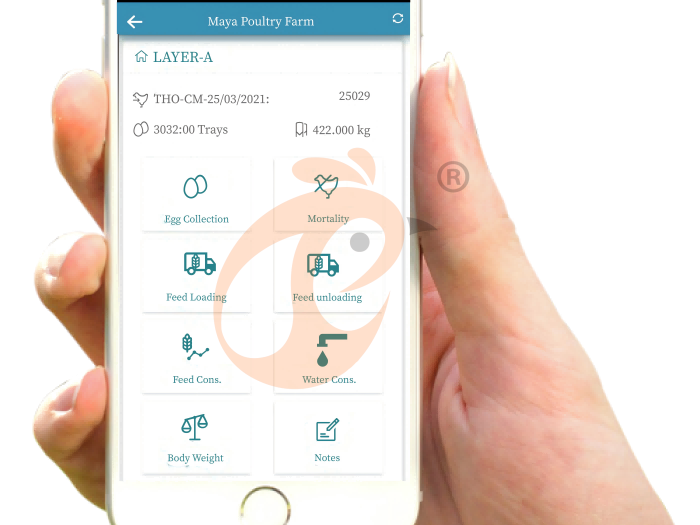
 IoT Smart Poultry FarmRead More
 >30,000 Layers Automatic H Type Battery CageRead More
 10,000 - 30,000 Layers Automatic A Type Battery CageRead More
MESSAGE
NEWS
 50,000 - 100,000 chickens/house: poultry farm solution, chicken cage, poultry farm equipment, AI smart managementRead More
 30,000 - 50,000 chickens/house: poultry farm solution, chicken cage, poultry farm equipment, AI smart managementRead More
 10,000 - 30,000 chickens/house: poultry farm solution, chicken cage, poultry farm equipment, AI smart managementRead More
 100 - 10,000 chickens/house: poultry farm solution, chicken cage, poultry farm equipment, AI smart managementRead More