

BLOG
Understanding an Ethiopian poultry cage quotation helps farmers evaluate equipment quality, long-term durability, and operational efficiency before investing in modern poultry production systems.
Poultry farmers expanding commercial layer farms must carefully review materials, automation systems, and environmental control equipment.
A well-prepared quotation allows investors to estimate real project costs including installation, transport, and maintenance requirements.
Evaluating cage configuration, feeding automation, and ventilation systems ensures the poultry house performs efficiently under different Ethiopian climates.
Proper quotation analysis helps farmers reduce risks, improve egg production efficiency, and build sustainable poultry operations.
Get professional poultry farm construction guidance, equipment selection solutions, and the latest price lists, whatsApp to +8618830120193, click to learn more:

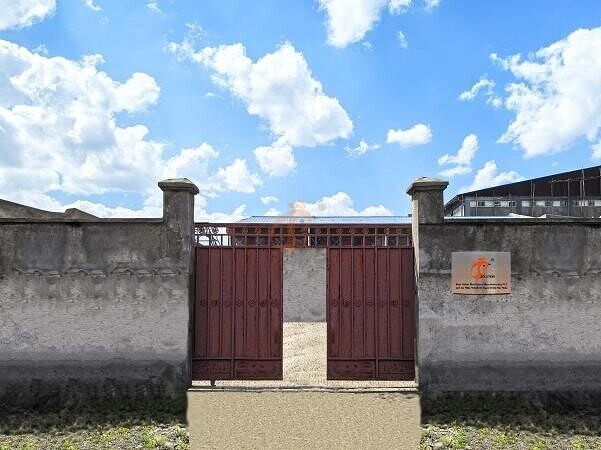
Ethiopia Branch Office And Factory Of Poultry Farm Equipment
Understanding Ethiopian Chicken Cage System Quotations Before Investment
For an Ethiopian investor or farmer, transitioning to an automated chicken cage system is the most logical step toward scaling.
However, when you receive a quotation from an international or local supplier, it can be a maze of technical jargon and hidden costs.
A mistake in the procurement phase doesn't just cost money.
In the Ethiopian climate—where feed costs are volatile and foreign exchange is precious—it can jeopardize your entire investment.
This guide breaks down the six must-check items in an Ethiopian layer chicken cage system quotation, ensuring you get a system designed for the unique challenges of the East African highlands.
Material Specifications: The Battle Against Corrosion
Ethiopia’s diverse topography means farms may face different humidity and environmental conditions.
Hot-dip galvanizing is critical to protect cages from ammonia corrosion and extend service life.
Data is for reference only.Swipe horizontally to view full table.
The Ethiopian Insight
Many cheap quotations use cold galvanizing, also called electro-galvanizing, which usually provides less than 50 g/m².
In a high-density layer house in Bishoftu, these systems can corrode before your second flock completes its cycle.
Cage Configuration And Tier Optimization
Land availability in agricultural zones like Oromia is becoming tighter.
Your quotation should clearly specify cage dimensions and bird density.
Data is for reference only.Swipe horizontally to view full table.
Solution For Local Constraints
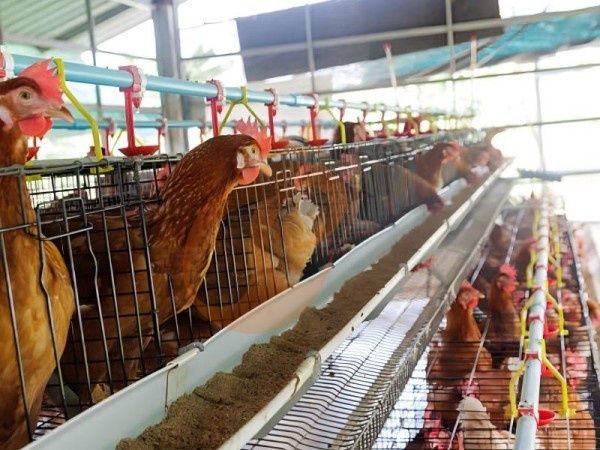
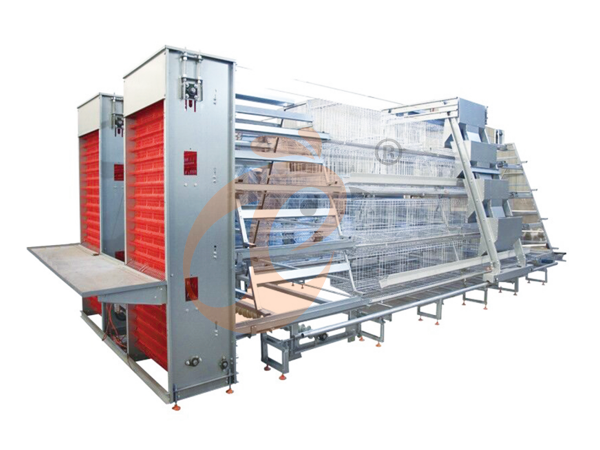
If your farm is located in an area with frequent power fluctuations, an A-type chicken cage system may offer greater operational stability.
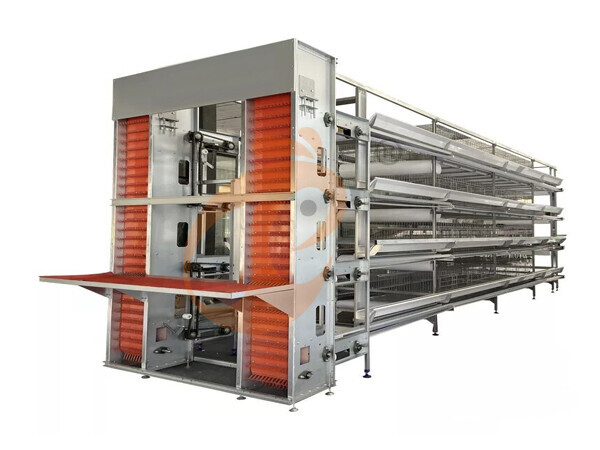
For farms with more than 30,000 birds, an H-type chicken cage system with generator backup is often necessary.
Compared with manual management, automated H-type systems can reduce labor requirements by 70–90%.
Automated Feeding System: Managing The Feed Crisis
Feed represents roughly seventy to seventy-five percent of poultry production cost.
A precise feeding system helps reduce waste and maintain balanced nutrition, helping maintain an egg production rate around 90–98% and a feed conversion ratio of 1.9–2.1 for layer chickens.
Data is for reference only.Swipe horizontally to view full table.
The Ethiopian Pain Point
Local feed often varies in grind consistency.
A high-quality traveling hopper ensures the fine powder feed containing vitamins and minerals is distributed evenly along the cage rows.
Drinking System: Water Quality And Filtration
Water quality in many Ethiopian regions may contain higher mineral levels.
Filtration and pressure regulation systems help maintain stable drinking conditions for layers.
Data is for reference only.Swipe horizontally to view full table.
The Solution
Ensure your quotation includes a medicator dosing device.
Vaccination through drinking water is commonly used to manage Newcastle disease and Gumboro disease in poultry farms.
Automated Egg Collection: Protecting Your Golden Harvest
Cracked eggs often sell at lower market prices in Ethiopia.
Automated egg collection systems help reduce breakage and improve efficiency.
Data is for reference only.Swipe horizontally to view full table.
Why This Matters In Ethiopia
Automation reduces manual egg handling and improves product quality.
High-quality polypropylene belts resist stretching under dry climate conditions.
Environmental Control: Adapting To Micro-Climates
Different regions in Ethiopia experience different temperature conditions.
Ventilation and cooling systems help maintain stable poultry house environments.
Data is for reference only.Swipe horizontally to view full table.
Data is for reference only.Swipe horizontally to view full table.
The Ethiopian Insight
Power outages are a reality in many rural areas.
Ventilation systems should include manual shutter control for emergency situations.
The Hidden Seventh Item: Logistics And Installation
Shipping and installation are important parts of the total equipment investment.
Transportation, container quantity, and installation supervision should all be clearly listed in the quotation.
European union standard reference only.
Data is for reference only.Swipe horizontally to view full table.
Summary And Solution Strategy
Investing in poultry cages in Ethiopia is one of the most profitable agricultural ventures available today.
However, the lowest quotation price is rarely the best long-term value.
A quotation that saves a farmer several thousand Ethiopian birr today but uses thin galvanizing or lower specification motors can cause losses of tens of thousands of Ethiopian birr in lost production and equipment replacement within only three years.
Frequently Asked Questions
Q1: What information must be included in an Ethiopian poultry cage quotation?
A1: A proper quotation should include cage material specifications, galvanizing process, cage configuration, automation systems, ventilation equipment, installation support, and spare parts lists.
Q2: Why is galvanizing quality important for poultry cages in Ethiopia?
A2: Hot-dip galvanizing protects steel cages from ammonia corrosion and humidity, allowing equipment to operate for more than twenty-five years.
Q3: Should farmers choose A-type or H-type chicken cage systems?
A3: A-type systems suit naturally ventilated houses, while H-type systems are designed for larger farms with higher bird capacity and automated labor-saving management.
Contact Us To Received Your Customized Poultry Farm Plan
Headquarters And Branchs

Hong Kong Headquarter Management Team
Hong Kong Headquarter Taiyu Industrial Group CO., LTD
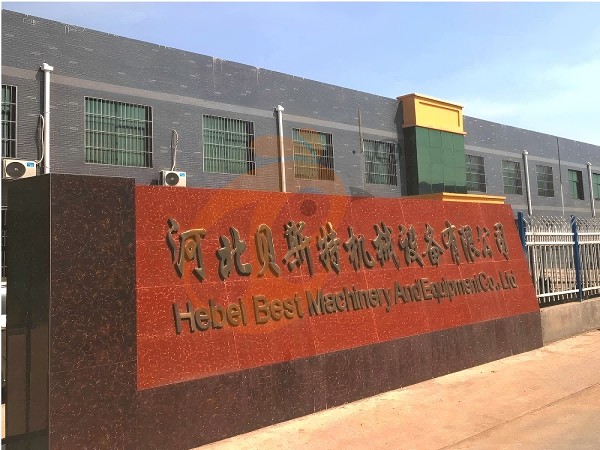
China Hebei Best Machinery And Equipment CO., LTD
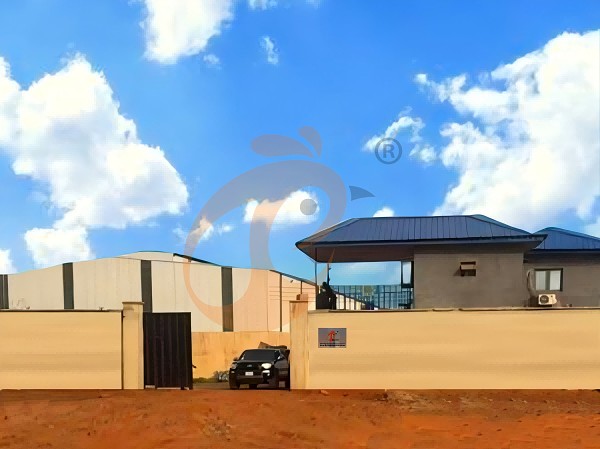
Nigeria Vanke Machinery And Equipment CO., LTD
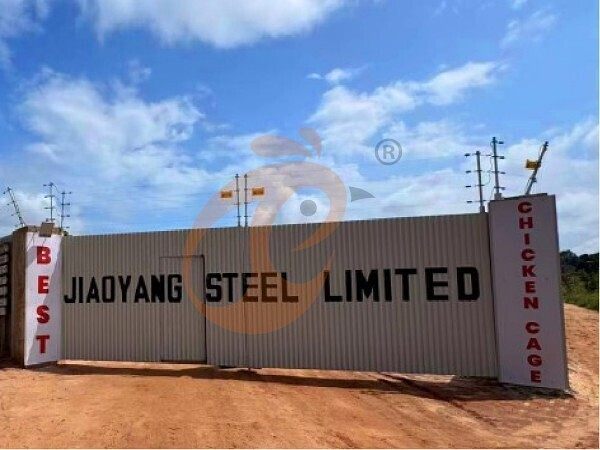
Tanzania Best Machinery And Equipment CO., LTD
Ethiopia Best Hebei Machinery Manufacturing PLC
Reception /24 WhatsApp NO. : +8618830120193
PRODUCTS RECOMMENDED
 China Branch Manufacture Poultry Farm EquipmentRead More
 Ethiopia Branch Manufacture Poultry Farm EquipmentRead More
 Nigeria Branch Manufacture Poultry Farm EquipmentRead More
 Tanzania Branch Manufacture Poultry Farm EquipmentRead More
 IoT Smart Poultry FarmRead More
 >30,000 Layers Automatic H Type Battery CageRead More
 10,000 - 30,000 Layers Automatic A Type Battery CageRead More
MESSAGE
NEWS
 What Makes A Factory-Direct A Type Chicken Battery Cage More Cost-Effective? 4 ReasonsRead More
 Deep Litter System For Broilers Vs Cage | Which Is More Profitable?Read More
 Free Range Broiler System Vs Intensive Farming | Which Is More Profitable?Read More
 Broiler Floor Rearing System Cost | 6 Factors Affecting PriceRead More