

BLOG
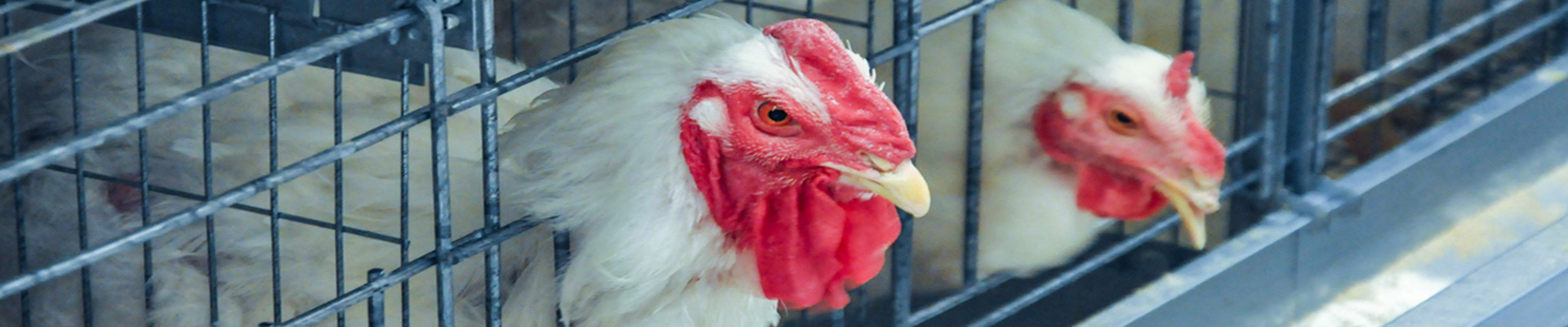
Egg breakage prevention is critical for Ethiopian poultry farmers.
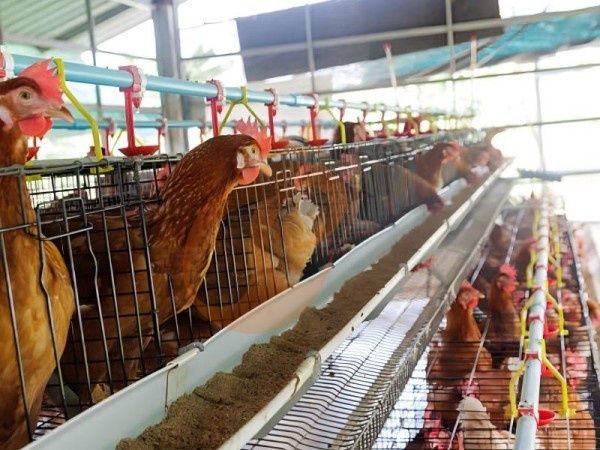
Many farms are transitioning to A-type layer chicken cage system.
Layer hen nutrition in Ethiopia directly impacts shell strength and quality.
Manual collection and improper packaging increase egg losses.
Optimizing cage design, feed, environment, and vaccination improves results.
Monitoring data regularly allows proactive farm management decisions.
High breakage rates significantly reduce farm revenue in Ethiopian birr.
Proper training and infrastructure upgrades ensure sustainable poultry production.
Get professional poultry farm construction guidance, equipment selection solutions, and the latest price lists, whatsApp to +8618830120193, click to learn more:

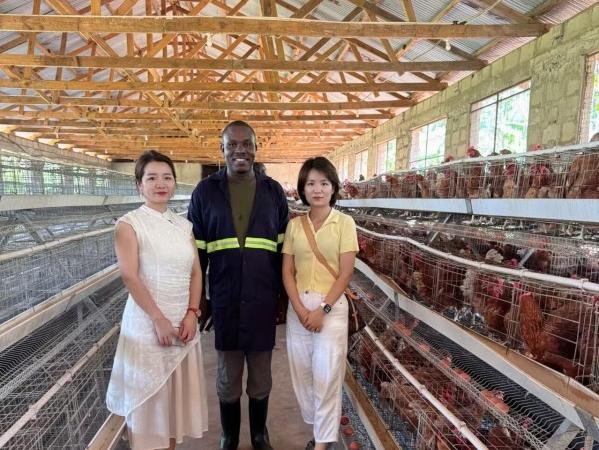
Ethiopia Branch Office And Factory Of Poultry Farm Equipment
Precision Optimization Of Floor Slope And Wire Mesh
The foundation of the A-type chicken cage system is the floor.
In Ethiopia, many cages are locally fabricated or imported without rigorous quality checks.
If the slope is too steep, eggs gain too much momentum and crack upon hitting the collection tray.
If it is too flat, eggs linger in the cage to be stepped on or pecked by hens.
Data is for reference only. Swipe horizontally to view full table.
A common local issue is the ''trampoline effect'' caused by thin wire.
When a hen moves, the floor vibrates, causing eggs to collide.
Maintaining proper mesh tension through regular audits reduces breakage.
Strategic Calcium And Phosphorus Management
Feed quality in Ethiopia varies between batches.
Limestone from local quarries and bone meal are main calcium sources, often inconsistent.
Layer hen nutrition in Ethiopia ensures strong eggshells during peak laying (25–40 weeks).
Data is for reference only. Swipe horizontally to view full table.
Providing 50% of calcium in large particles (2–4 mm) allows hens to retain grit overnight.
Slow-release calcium during the night supports eggshell formation.
Managing High-Altitude Heat Stress And Respiratory Alkalosis
Highland farms (above 2,000 meters) may experience afternoon heat in open-sided A-type houses.
Panting to cool down reduces carbon dioxide, causing respiratory alkalosis.
Blood pH rises, decreasing calcium availability for eggshell formation.
Data is for reference only. Swipe horizontally to view full table.
Hot areas like the Rift Valley may implement ''Midnight Feeding.''
Lights on one hour at night allow hens to eat when cool, improving calcium intake.
Automation And Collection Frequency Logic
In many Ethiopian A-type chicken cage systems, egg collection is manual.
Longer egg sitting increases probability of collision.
Data is for reference only. Swipe horizontally to view full table.
Automated A-type chicken cage systems save 50-70% labor.
Belt speed must be below 0.15 meters per second.
Higher speed causes micro-cracks that fail during transport.
Disease Control And Vaccination Integrity
Diseases like Infectious bronchitis and Egg drop syndrome affect shell gland.
Even with perfect feed, infected hens produce weak or shell-less eggs.
Data is for reference only. Swipe horizontally to view full table.
Cold chain in Ethiopia is often compromised.
Store vaccines 2°C - 8°C and administer with treated water.
Handling And Transport Packaging
Transportation from Bishoftu to Addis Ababa is bumpy with multiple handling points.
Breakage at farm often includes pre-market loss from poor sorting and packaging.
Data is for reference only. Swipe horizontally to view full table.
High-quality pulp or plastic trays reduce losses.
Training staff for gentle placement, pointed end down, stabilizes the air cell.
Monitoring And Data Analysis
Keep a ''Daily Breakage Log'' to track problem areas.
Analyze tiers or times of day for breakage to adjust management.
Data is for reference only. Swipe horizontally to view full table.
Cages are typically 3-5 layers high to maximize space.
Regular weekly analysis allows proactive farm management, increasing return on investment.
Staff Training And Farm Management Practices
Well-trained staff directly impact egg breakage prevention in A-type layer chicken cage system.
Regular training ensures proper handling, collection, and placement of eggs.
Employees should follow standard procedures for feeding, cleaning, and vaccination routines.
Monitoring behavior of hens and timely reporting of abnormalities helps prevent losses.
Rotation of tasks and accountability logs improve overall farm efficiency.
Implementing standard operating procedures reduces mechanical errors and minimizes human-caused egg damage.
Clear communication channels between management and workers strengthen farm operations.
Continuous education on layer hen nutrition in Ethiopia and environmental management ensures sustainability.
FAQ About Reducing Egg Breakage In A-Type Layer Chicken Cage System
Q1: How can I reduce egg breakage in A-type chicken cages?
A1: Optimize floor slope, wire mesh tension, feed nutrition, and egg collection frequency.
Q2: What role does layer hen nutrition in Ethiopia play in shell quality?
A2: Adequate calcium, phosphorus, vitamin D3, and trace minerals ensure strong shells.
Q3: Which environmental factors affect eggshell strength?
A3: Temperature, humidity, air velocity, and ammonia levels directly influence shell formation.
Ethiopia Best Hebei Machinery Manufacturing Plc - One Of Ethiopia Biggest Egg Breakage Prevention Manufacturer
Global factory direct sales with high-quality production and support.
Specialized in poultry farm equipment and comprehensive turnkey solutions.
Provides durable poultry cage solutions for commercial layer farms.
Professional installation and on-site guidance for turnkey engineering.
Commitment to reliable service and long-term customer satisfaction.
Contact Us To Received Your Customized Poultry Farm Plan
Headquarters And Branchs

Hong Kong Headquarter Management Team
Hong Kong Headquarter Taiyu Industrial Group CO., LTD
China Hebei Best Machinery And Equipment CO., LTD
Nigeria Vanke Machinery And Equipment CO., LTD
Tanzania Best Machinery And Equipment CO., LTD
Ethiopia Best Hebei Machinery Manufacturing PLC




Reception /24 WhatsApp NO. : +8618830120193
PRODUCTS RECOMMENDED
 China Branch Manufacture Poultry Farm EquipmentRead More
 Ethiopia Branch Manufacture Poultry Farm EquipmentRead More
 Nigeria Branch Manufacture Poultry Farm EquipmentRead More
 Tanzania Branch Manufacture Poultry Farm EquipmentRead More
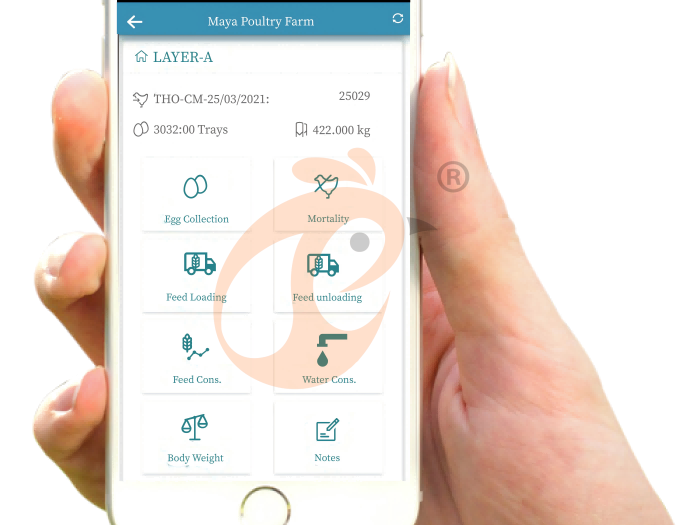
 IoT Smart Poultry FarmRead More
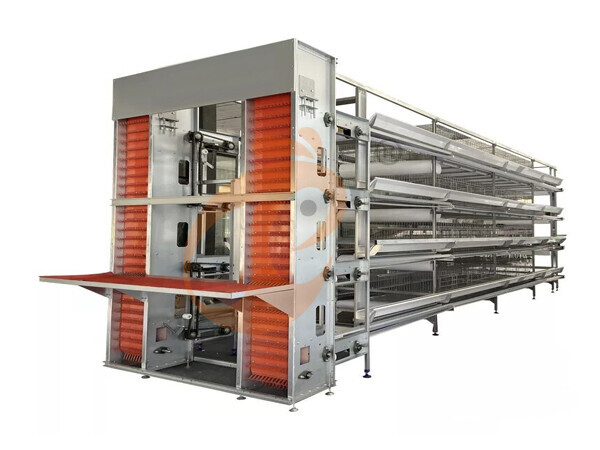
 >30,000 Layers Automatic H Type Battery CageRead More
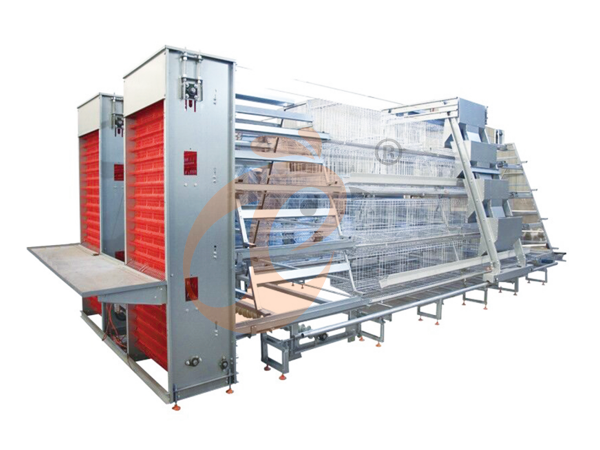
 10,000 - 30,000 Layers Automatic A Type Battery CageRead More
MESSAGE
NEWS
 What Makes A Factory-Direct A Type Chicken Battery Cage More Cost-Effective? 4 ReasonsRead More
 Deep Litter System For Broilers Vs Cage | Which Is More Profitable?Read More
 Free Range Broiler System Vs Intensive Farming | Which Is More Profitable?Read More
 Broiler Floor Rearing System Cost | 6 Factors Affecting PriceRead More