

NEWS
- Broiler floor rearing system investment depends on engineering configuration, equipment quality, automation, and production targets, with 12 m house widths and 120 m lengths creating distinct planning requirements.
Automatic broiler feeding system selection affects labor, feed distribution, maintenance planning, and daily operation, while 4 feed lines can support a structured commercial layout.
Broiler poultry equipment integrates feeding, drinking, ventilation, cooling, heating, lighting, and control, with climate conditions around 30°c requiring carefully coordinated environmental management.
Equipment material influences service stability, while stainless-steel nipples, galvanized structures, and correctly selected polymers support demanding poultry-house operating conditions.
- Complete project value comes from engineering compatibility, installation support, and lifecycle planning, making professional system design more important than comparing isolated equipment prices.
Get professional poultry farm construction guidance, equipment selection solutions, and the latest price lists, whatsApp to +8618830120193, click to learn more.
Start With The Production Target, Not The Quotation
When calculating broiler floor rearing system cost, the first step should be defining the production target, including flock cycle length and target market weight.
A commercial broiler floor rearing system integrates feeding, drinking, ventilation, cooling, heating, lighting, and environmental control rather than treating every machine as an independent purchase.
For example, a turnkey broiler house may use four feed lines with 672 feed pans and ten drinking lines carrying 2,520 nipples in one building, while a 42-day production cycle can require continuous equipment reliability.
The equipment supplier should calculate the broiler floor rearing system from house dimensions, climate, flock size, and management method.
Such engineering can also account for a target final live weight of approximately 2.5–3.0 kg per bird, helping prevent unsuitable equipment allocation.
House Dimensions And Equipment Quantity
Data is for reference only.Swipe horizontally to view full table.
House geometry directly affects the amount of equipment required.
For example, published broiler drinking-system guidance recommends approximately one drinker line for every 2.5–3.5 m of house width, with at least one more drinking line than feed lines in general applications.
For a broiler floor rearing system, roof height around 3.5–4.0 m can also affect airflow planning and suspension arrangements.
Automatic broiler feeding system layouts should therefore be calculated from actual building geometry rather than copied from standard projects.
A professional manufacturer should provide a house-specific layout, with equipment positions coordinated around service aisles of approximately 1.0–1.5 m where required.
Feeding System Configuration
Data is for reference only.Swipe horizontally to view full table.
The feeding system is one of the most important components influencing the quotation, especially when feed consumption can exceed 4–5 kg per bird across a complete commercial cycle.
A modern broiler floor rearing system can use automatic pan feeding to maintain feed availability while reducing repeated manual distribution.
Automatic broiler feeding system equipment may incorporate controlled feed release and adjustable pan height, supporting different bird ages without rebuilding the complete line.
The commercial advantage is not simply automation.
A properly engineered system can maintain consistent operation across long houses, while feed-line conveying speeds around 18–36 m/min can support practical daily distribution requirements.
Drinking System Specification
Data is for reference only.Swipe horizontally to view full table.
Drinking equipment has a direct relationship with water availability and litter management, particularly when daily water consumption can reach approximately 1.6–2.0 times daily feed intake.
A broiler floor rearing system should maintain stable water delivery throughout the production cycle.
A properly designed water system can also include filtration, pressure regulation, and flushing arrangements, while water temperature around 18–24°c is generally preferable for practical broiler-house management.
For farms purchasing equipment internationally, these details matter because a lower-priced nipple line may not provide equivalent manufacturing precision, sealing performance, or maintenance accessibility.
Ventilation And Climate Equipment
Data is for reference only.Swipe horizontally to view full table.
Ventilation cost should be evaluated according to air movement, pressure management, cooling demand, and control logic, especially where summer outdoor temperatures can exceed 35°c.
A modern broiler floor rearing system can use side, cross, or tunnel ventilation, with automatic transition into tunnel operation when temperatures rise.
Negative pressure around 20–40 pa can be considered during controlled ventilation design, depending on building sealing and inlet configuration.
This is why complete engineering capability can provide more value than component-only supply.
The fans, air inlets, cooling pads, sensors, and controller should operate as one environmental system, with emergency ventilation provisions considered for power interruptions.
Material, Construction And Service Life
Data is for reference only.Swipe horizontally to view full table.
Material specification is often hidden behind a simple product name, but humidity above 70% can accelerate corrosion risks in inadequately protected components.
For intensive poultry applications, galvanized and zn-ai-coated components are widely used for structural and wire parts because corrosion protection becomes increasingly important under humid operating conditions.
A durable broiler floor rearing system should also consider cleaning chemicals, repeated washing, and mechanical impact during litter removal.
For an automatic broiler feeding system, component tolerances and material consistency can influence auger alignment and operating stability over thousands of working hours.
Buyers should request material grades, coating methods, component specifications, and replacement-part information rather than comparing only the total price.
Automation And Environmental Control
Data is for reference only.Swipe horizontally to view full table.
Automation changes both initial investment and management capability, especially where one operator may supervise several poultry houses.
A modern broiler floor rearing system can integrate temperature, ventilation, heating, feed and water consumption, and bird-weight information into one control interface.
Automatic broiler feeding system control can also coordinate feeding periods with lighting schedules, reducing unnecessary equipment operation during inactive periods.
Remote monitoring becomes particularly useful when farms operate continuously, because alarm response can be organized within minutes rather than waiting for the next physical inspection.
Read The Quotation As A System
A quotation should be evaluated line by line.
Equipment price → accessories → installation → controls → spare parts → technical support
For a broiler floor rearing system, buyers should also verify electrical requirements such as 380 v three-phase power where applicable and confirm whether control cabinets are included.
A professional quotation should identify the quantity and specification of every major component rather than presenting one unexplained package price.
For example, "automatic feeding system” is insufficient purchasing information.
The buyer should know the number of feed lines, feeder quantity, motor configuration, hopper arrangement, control sensors, and required accessories, while motor power such as 0.75–1.5 kw should be specified where relevant.
What A Complete Broiler Floor Rearing Package Should Contain
Data is for reference only.Swipe horizontally to view full table.
A complete floor-rearing project should be engineered as one interconnected system.
For example, a commercial broiler floor rearing system may combine automatic feeding, nipple drinking, heating, led lighting, climate control, and remote management rather than installing each subsystem independently.
Broiler poultry equipment should also allow maintenance access, with service clearance of approximately 0.6–1.0 m around critical control components where the building layout permits.
This integrated approach is particularly valuable for new poultry houses because electrical requirements, water connections, suspension points, and ventilation openings can be coordinated before construction is completed.
Reduce Cost Through Engineering, Not Cheap Components
Data is for reference only.Swipe horizontally to view full table.
The best way to reduce project cost is to remove unnecessary equipment, not necessary performance.
A properly engineered broiler floor rearing system can determine exactly where feeding, drinking, ventilation, cooling, and control equipment should be installed before manufacturing begins.
This also makes installation faster because cable routes, water connections, suspension points, and equipment positions are established in advance.
An automatic broiler feeding system can additionally reduce repeated manual handling, with daily labor allocation often becoming easier to schedule across multiple houses.
The Supplier Should Pass These Five Tests
Test 1 — can the supplier design the complete house?
A serious poultry equipment manufacturer should be able to convert house drawings and production requirements into a broiler floor rearing system layout.
Test 2 — can every quotation item be specified?
The buyer should receive quantities, dimensions, materials, electrical specifications, and accessories instead of vague product descriptions.
Test 3 — can the equipment be customized?
A 120 m × 12 m house should not automatically receive the same configuration as a 150 m × 15 m house.
Test 4 — can the supplier provide installation support?
Equipment installation requires correct positioning of feed lines, water lines, sensors, fans, controllers, and suspension systems, with commissioning commonly scheduled before the first flock arrives.
Test 5 — can spare parts be supplied later?
A production house may operate for many years, so availability of motors, sensors, nipples, augers, controllers, and other wear components should be considered before purchasing.
The Best Price Is The Best-Engineered Price
Data is for reference only.Swipe horizontally to view full table.
The real broiler floor rearing system cost is determined by much more than the equipment invoice.
House dimensions, feeder configuration, drinking technology, ventilation design, material quality, and automation level can all change the investment required, while a project warranty period of 12 months is commonly requested as a commercial reference.
A professional poultry equipment manufacturer can turn these requirements into a complete equipment layout, component list, and project quotation.
The goal is not to buy the cheapest broiler equipment.
The goal is to purchase a complete system that delivers reliable feeding, stable water supply, controlled ventilation, efficient climate management, and practical automation throughout the production cycle.
When equipment is designed around the farm rather than forcing the farm to adapt to a standard package, the initial investment becomes easier to control and long-term operating value becomes clearer.
Frequently Asked Questions
Q1: What factors affect broiler floor rearing system cost?
A1: Broiler floor rearing system cost mainly depends on building dimensions, flock capacity, feeding configuration, drinking equipment, ventilation, materials, automation, installation, and after-sales requirements.
For a commercial project, even a change of 10–20% in house dimensions can alter equipment quantities substantially.
Q2: Is an automatic broiler feeding system worth the investment?
A2: An automatic broiler feeding system can be worthwhile when labor reduction, consistent feed distribution, and repeated production cycles are important.
Equipment should be evaluated over several flock cycles rather than against a single purchase price, with maintenance intervals and spare-part availability included in the calculation.
Q3: How should buyers compare broiler poultry equipment suppliers?
A3: Broiler poultry equipment suppliers should be compared through complete layouts, technical specifications, component materials, electrical requirements, installation support, warranty terms, and spare-parts capability.
A detailed quotation for a 120 m house, for example, should identify actual equipment quantities instead of presenting only one package price.
Taiyu (HK) Group - One Of China Toppest Broiler Floor Rearing System Manufacturer
Broiler floor rearing system integrates automatic feeding, nipple drinking, ventilation, cooling, heating, lighting, and climate control, with commercial layouts engineered around 120 m house lengths and 12 m widths.
Global factory-direct supply covers poultry equipment manufacturing, component integration, technical drawings, production inspection, export packing, and international project coordination.
Turn-key engineering combines equipment configuration, electrical planning, water-system arrangement, ventilation design, installation guidance, commissioning, and project documentation.
Poultry equipment projects support new-build farms, house modernization, multi-house expansion, and replacement programs through configuration-based engineering rather than fixed universal packages.
Export-oriented production provides coordinated equipment schedules, spare-parts planning, technical support, and project communication for international broiler operations.
Contact Us To Received Your Customized Poultry Farm Plan
Headquarters And Branchs

Hong Kong Headquarter Management Team
Hong Kong Headquarter Taiyu Industrial Group CO., LTD
China Hebei Best Machinery And Equipment CO., LTD
Nigeria Vanke Machinery And Equipment CO., LTD
Tanzania Best Machinery And Equipment CO., LTD
Ethiopia Best Hebei Machinery Manufacturing PLC




Reception /24 WhatsApp NO. : +8618830120193
PRODUCTS RECOMMENDED
 China Branch Manufacture Poultry Farm EquipmentRead More
 Ethiopia Branch Manufacture Poultry Farm EquipmentRead More
 Nigeria Branch Manufacture Poultry Farm EquipmentRead More
 Tanzania Branch Manufacture Poultry Farm EquipmentRead More
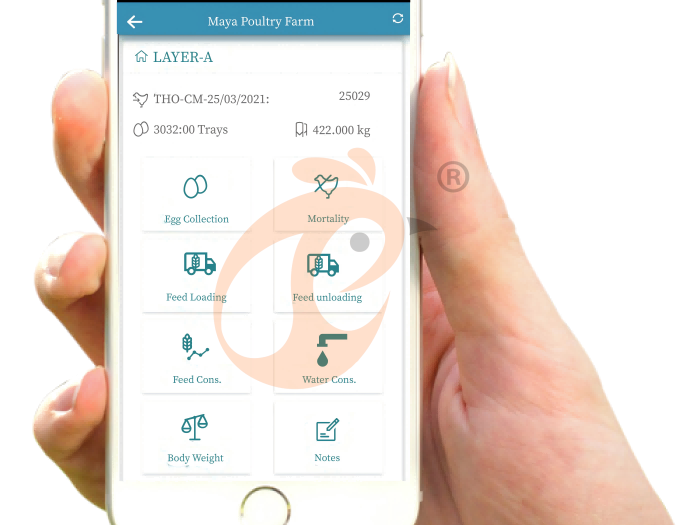
 IoT Smart Poultry FarmRead More
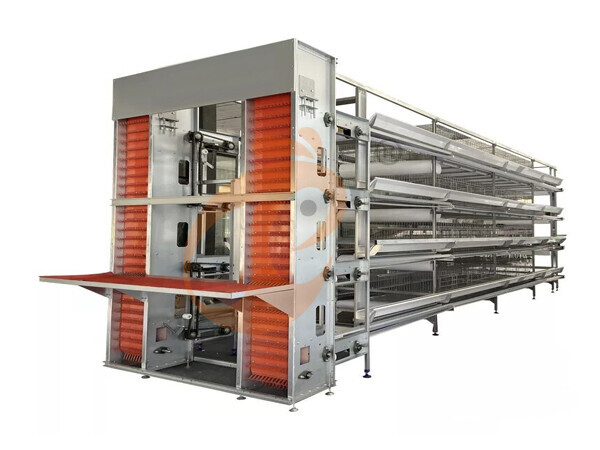
 >30,000 Layers Automatic H Type Battery CageRead More
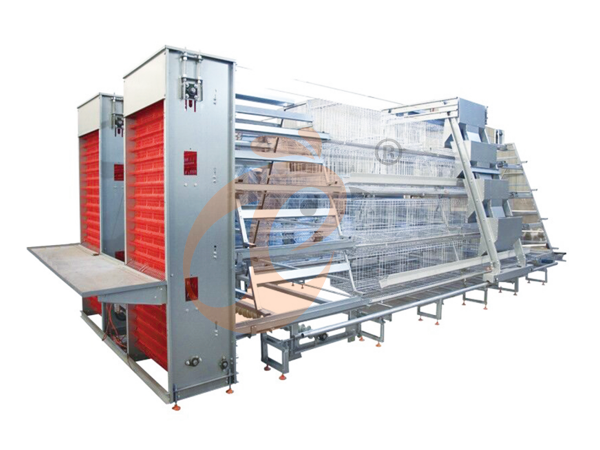
 10,000 - 30,000 Layers Automatic A Type Battery CageRead More
MESSAGE
NEWS
 50,000 - 100,000 chickens/house: poultry farm solution, chicken cage, poultry farm equipment, AI smart managementRead More
 30,000 - 50,000 chickens/house: poultry farm solution, chicken cage, poultry farm equipment, AI smart managementRead More
 10,000 - 30,000 chickens/house: poultry farm solution, chicken cage, poultry farm equipment, AI smart managementRead More
 100 - 10,000 chickens/house: poultry farm solution, chicken cage, poultry farm equipment, AI smart managementRead More