

NEWS
- Deep litter system for broilers combines practical housing economics with automated management, supporting commercial production cycles around 35–42 days and scalable flock planning.
Automatic broiler feeding system reduces repetitive handling while maintaining scheduled feed delivery across houses ranging from 1,000 to 10,000 square meters.
Tunnel ventilation system coordinates airflow, cooling, and environmental stability, with controller response commonly measured within several seconds during changing weather conditions.
Equipment integration influences labor, maintenance, energy, and flock performance, while professional layouts can coordinate more than 8 automated operating functions.
- Correct engineering converts poultry housing into a measurable production system, where equipment compatibility and project parameters directly influence long-term commercial returns.
Get professional poultry farm construction guidance, equipment selection solutions, and the latest price lists, whatsApp to +8618830120193, click to learn more.
Deep Litter Vs Cage: Capital Investment Breakdown
Data is for reference only.Swipe horizontally to view full table.
The deep litter system for broilers provides a straightforward equipment architecture for commercial floor production.
An automatic broiler feeding system can distribute feed along the house length while reducing repeated manual operations during a production cycle.
For farms operating around 10,000 birds, equipment arrangement can be designed around centralized feed delivery and controlled access points.
The Hidden Return On Investment: Automation Replaces Repetitive Labor
Imagine a 20,000-bird broiler house operating through a 42-day cycle.
A deep litter system for broilers can convert feeding, ventilation, temperature management, and lighting into scheduled operations rather than repeated manual adjustments.
An automatic broiler feeding system can synchronize feeding periods with bird age, while controller logic can react to environmental changes within approximately 5–10 seconds.
Such automation shifts labor toward inspection and maintenance, allowing operators to concentrate on equipment condition and flock behavior.
Feeding Equipment: Turn Feed Distribution Into A Controlled Process
Data is for reference only.Swipe horizontally to view full table.
Feed represents a major variable expense, making an automatic broiler feeding system an important part of commercial equipment planning.
A deep litter system for broilers benefits from consistent feed distribution because operators can coordinate delivery with bird activity and house management schedules.
For birds approaching 2.0–2.5 kg, feeder adjustment can be coordinated with growth stages rather than relying on one fixed operating position.
Nipple Drinking: Small Components, Large Operational Impact
Water management directly affects the performance of a deep litter system for broilers, particularly where litter condition depends on controlled drinking-water delivery.
A professional nipple drinking arrangement can operate around 15–30 kpa, while line flushing can be engineered around approximately 1.5 m/s to support regular pipeline cleaning.
The deep litter system for broilers therefore requires more than individual drinkers, because regulators, filters, suspension assemblies, flushing connections, and height adjustment must work as one water-delivery network.
Ventilation System: The Equipment That Protects Production
Data is for reference only.Swipe horizontally to view full table.
A tunnel ventilation system should be engineered from building volume, bird load, climate conditions, and airflow resistance rather than fan quantity alone.
Within a deep litter system for broilers, airflow management also influences litter moisture and house air quality.
For mature birds, tunnel airflow may reach approximately 2.5–3.0 m/s, depending on house geometry and external temperature.
Environmental Control: From Manual Operation To Precision Management
Data is for reference only.Swipe horizontally to view full table.
An environmental controller turns the deep litter system for broilers into a coordinated production environment instead of a collection of independent machines.
A tunnel ventilation system can respond to changing conditions through staged fan control, while sensors continuously provide operational feedback.
Controller architecture can support several independent zones, allowing operators to identify environmental deviations without manually inspecting every part of the building.
Litter Management: Equipment Must Control Moisture
Data is for reference only.Swipe horizontally to view full table.
Litter condition remains a central management issue for any deep litter system for broilers, especially during extended production periods.
A controlled automatic broiler feeding system helps avoid unnecessary feed accumulation around feeding areas, while proper water-line adjustment limits localized wet zones.
During a 42-day cycle, operators can combine visual inspection with moisture monitoring to identify developing management problems earlier.
Cooling System: Protecting Summer Production
Data is for reference only.Swipe horizontally to view full table.
A tunnel ventilation system becomes particularly valuable when summer temperatures create additional heat-load pressure inside the house.
Within a deep litter system for broilers, cooling pads and exhaust fans should be sized as one airflow package rather than purchased as independent components.
A properly engineered system can coordinate cooling stages with ventilation demand while maintaining a stable airflow direction across the house.
Deep Litter Vs Cage: Long-Term Operating Comparison
Data is for reference only.Swipe horizontally to view full table.
A deep litter system for broilers becomes commercially competitive when equipment performance is evaluated together with labor, maintenance, energy, and flock-management requirements.
An automatic broiler feeding system can support consistent daily operations, while a tunnel ventilation system addresses environmental demand during different production stages.
Profit should therefore be assessed through controllable production cost rather than equipment purchase price alone.
The More Profitable Choice Is The Better-Engineered System
Decision Point 1 — production
A deep litter system for broilers suits commercial projects requiring flexible layouts and integrated automation.
Decision Point 2 — equipment
An automatic broiler feeding system can reduce repetitive feed handling while supporting scheduled operation across long houses.
Decision Point 3 — environment
A tunnel ventilation system can coordinate exhaust, cooling, and environmental control according to measured house conditions.
For a project covering 10,000–30,000 birds, equipment selection should be calculated from house dimensions, local climate, target market weight, and required automation level.
The strongest investment is therefore not necessarily the lowest-cost housing structure, but the equipment package that produces predictable operating performance.
Frequently Asked Questions
Q1: Is deep litter better than cage for broilers?
A1: A deep litter system for broilers is often practical for commercial floor production because layout flexibility supports integrated automation, with commercial cycles commonly around 35–42 days.
Q2: What equipment is essential for a deep litter broiler house?
A2: A deep litter system for broilers normally requires feeding, drinking, ventilation, cooling, environmental control, lighting, and heating equipment, with project capacity determining final specifications.
Q3: How can automation improve broiler house profitability?
A3: An automatic broiler feeding system and tunnel ventilation system can reduce repetitive intervention and improve process consistency, while controller response can be measured in seconds.
Taiyu (HK) Group - One Of China Toppest Deep Litter System For Broilers Manufacturer
Deep litter system for broilers integrates automated feeding, nipple drinking, environmental control, and ventilation engineering for commercial houses supporting approximately 10,000–30,000 birds per project.
Global factory-direct supply provides complete poultry equipment manufacturing, engineering coordination, component matching, and export support for international farm projects.
Turn-key engineering covers equipment configuration, house-layout planning, electrical coordination, installation guidance, commissioning procedures, and operational training.
Project specifications can be developed from house dimensions, climate conditions, bird capacity, target weight, utility voltage, and required automation architecture.
Integrated production enables consistent equipment matching across feeding, drinking, ventilation, cooling, and environmental-control subsystems for scalable commercial poultry projects.
Contact Us To Received Your Customized Poultry Farm Plan
Headquarters And Branchs
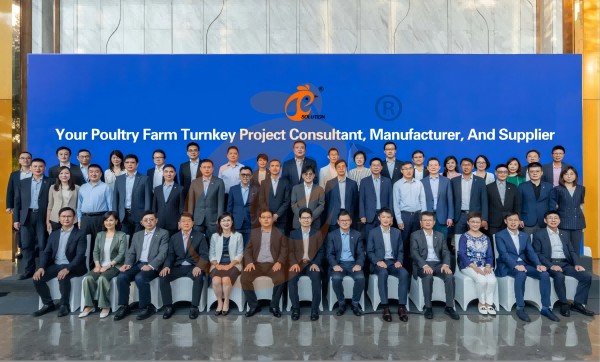
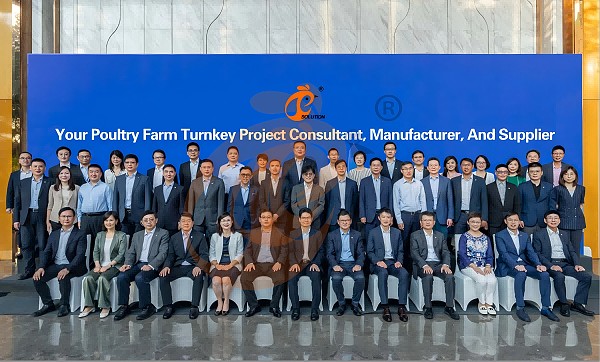
Hong Kong Headquarter Management Team
Hong Kong Headquarter Taiyu Industrial Group CO., LTD
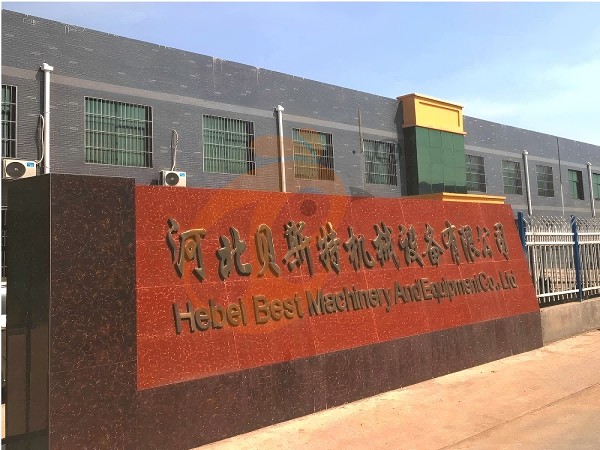
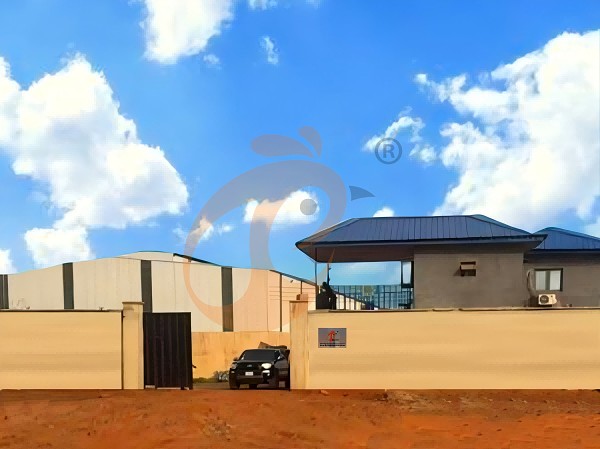
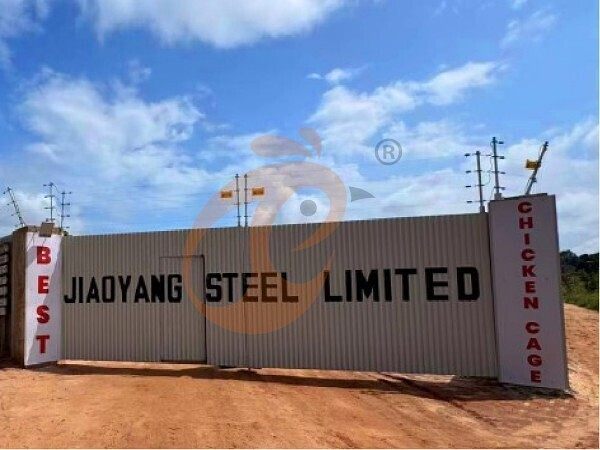
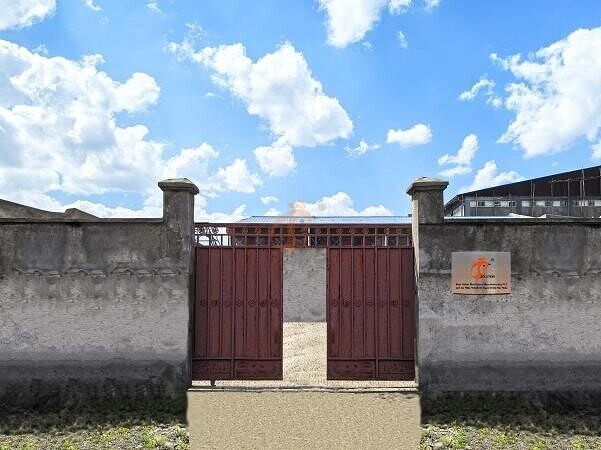
China Hebei Best Machinery And Equipment CO., LTD
Nigeria Vanke Machinery And Equipment CO., LTD
Tanzania Best Machinery And Equipment CO., LTD
Ethiopia Best Hebei Machinery Manufacturing PLC
Reception /24 WhatsApp NO. : +8618830120193
PRODUCTS RECOMMENDED
 China Branch Manufacture Poultry Farm EquipmentRead More
 Ethiopia Branch Manufacture Poultry Farm EquipmentRead More
 Nigeria Branch Manufacture Poultry Farm EquipmentRead More
 Tanzania Branch Manufacture Poultry Farm EquipmentRead More
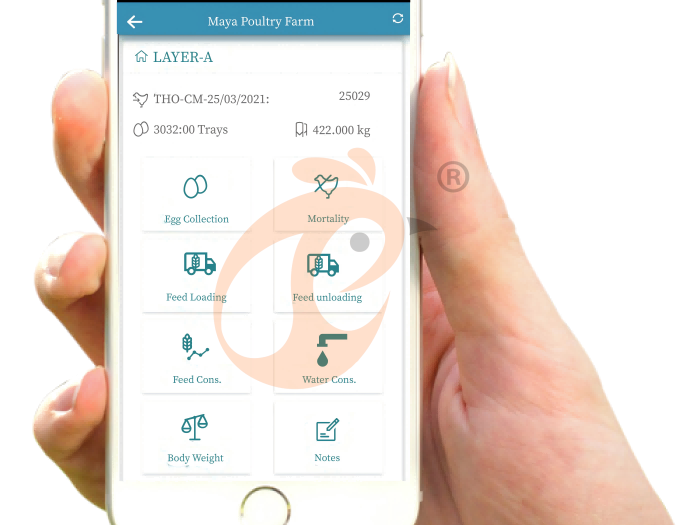
 IoT Smart Poultry FarmRead More
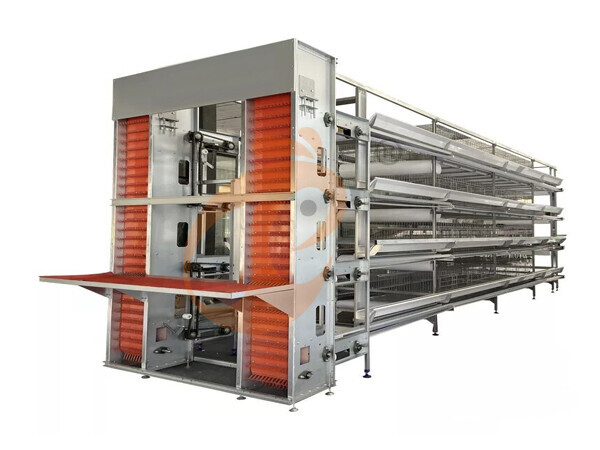
 >30,000 Layers Automatic H Type Battery CageRead More
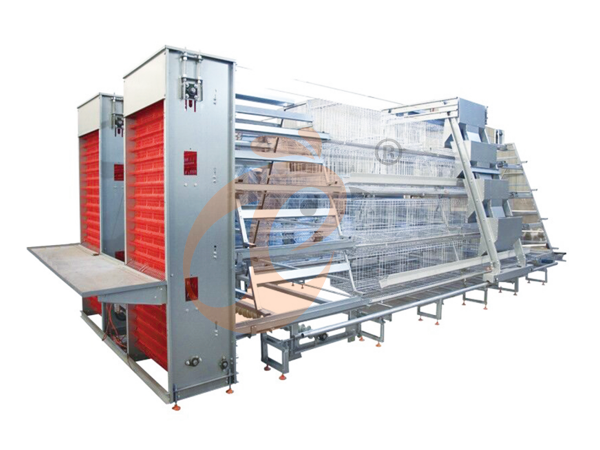
 10,000 - 30,000 Layers Automatic A Type Battery CageRead More
MESSAGE
NEWS
 50,000 - 100,000 chickens/house: poultry farm solution, chicken cage, poultry farm equipment, AI smart managementRead More
 30,000 - 50,000 chickens/house: poultry farm solution, chicken cage, poultry farm equipment, AI smart managementRead More
 10,000 - 30,000 chickens/house: poultry farm solution, chicken cage, poultry farm equipment, AI smart managementRead More
 100 - 10,000 chickens/house: poultry farm solution, chicken cage, poultry farm equipment, AI smart managementRead More