

NEWS
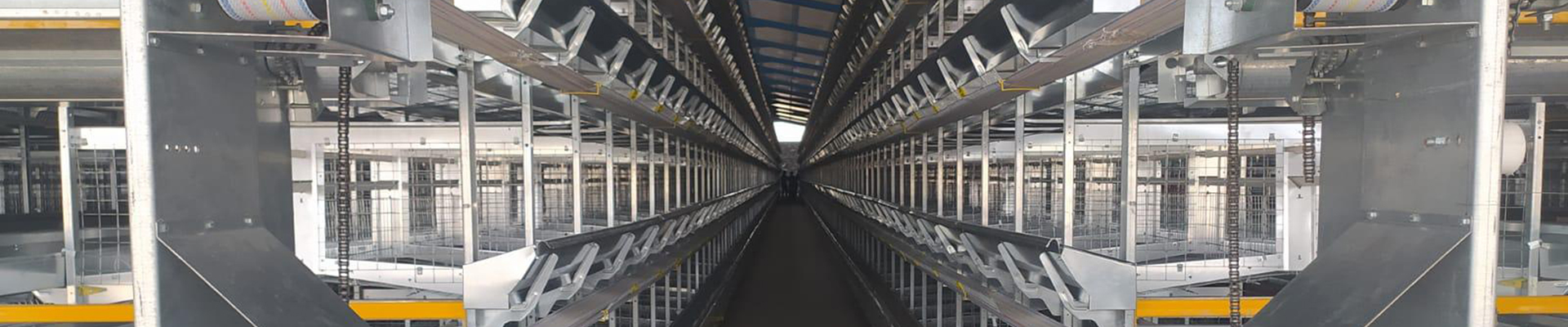
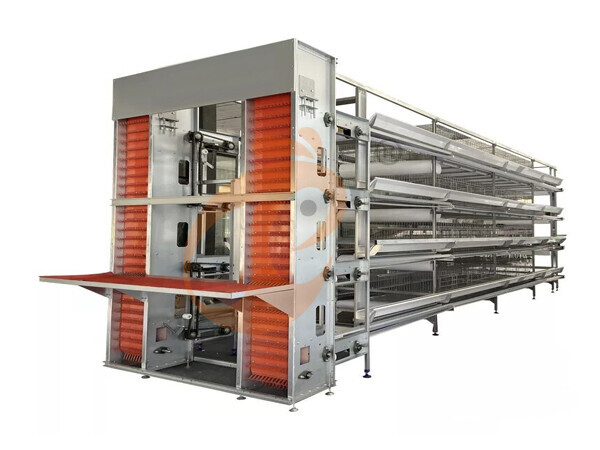
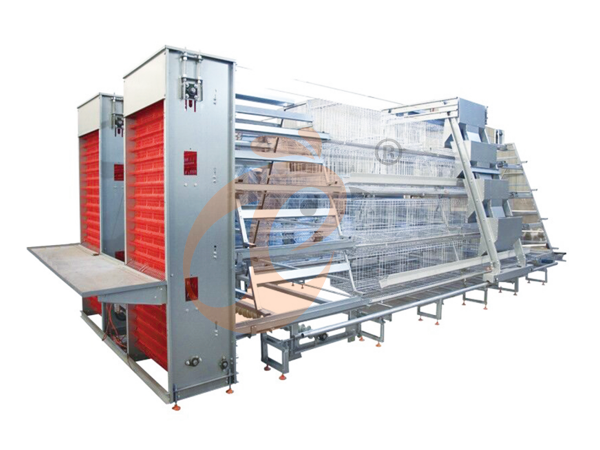
A type chicken battery cage combines factory pricing, engineered layouts, and integrated poultry equipment for commercial layer production with cage systems configured around measurable project requirements.
Factory-direct sourcing connects cage specifications, installation requirements, spare parts, and project engineering through one manufacturing channel while reducing unnecessary communication stages during procurement.
Optimized A type layer cage configurations support defined housing capacity while automatic chicken cage systems transfer repetitive feeding, egg collection, and manure-removal tasks into controlled equipment operations.
Material selection, galvanized treatment, equipment integration, and technical support influence long-term operating economics, with steel wire options reaching 4.0 mm and galvanized coatings reaching 275 g/m².
- Four cost drivers purchase structure, space utilization, labor productivity, and maintenance supportdefine practical value for commercial poultry projects ranging from 5,000 to 25,800 birds.
Get professional poultry farm construction guidance, equipment selection solutions, and the latest price lists, whatsApp to +8618830120193, click to learn more.
The Cost Question Starts At The Factory
Commercial layer farms should evaluate equipment cost across the complete production cycle, not only the first quotation.
A factory-direct A type chicken battery cage provides direct access to manufacturing specifications, engineering support, and spare-parts planning.
Professional cage systems can use 2.0–4.0 mm galvanized steel wire, while hot-dip galvanized structures may support 15–20 years of service depending on coating and operating conditions.
An A type layer cage therefore represents a production infrastructure investment rather than a simple steel-cage purchase.
Factory-Direct Purchasing: Where Does The Investment Go?
Data is for reference only.Swipe horizontally to view full table.
Direct purchasing becomes more valuable when feeding, drinking, egg collection, and manure systems are ordered together.
A factory-direct A type chicken battery cage can coordinate equipment interfaces before production, while an automatic chicken cage system can be configured around project-specific house dimensions.
Reason One: Remove Unnecessary Cost Layers
Follow the money
Manufacturer → distributor → dealer → farm
Each commercial layer can introduce another margin, handling stage, communication step, or service charge.
Factory-direct purchasing changes the route to
Manufacturer → farm
A factory-direct A type chicken battery cage allows project specifications to be confirmed before fabrication, while an A type layer cage can be adjusted according to row arrangement and building dimensions.
For commercial projects, equipment quantities can change substantially between 5,000-bird and 20,000-bird installations.
Direct engineering communication therefore helps prevent purchasing mismatched components or making expensive post-delivery modifications.
A Type Cage Configurations With Engineering Data
Data is for reference only.Swipe horizontally to view full table.
Configuration selection should consider flock management, building geometry, ventilation routes, and equipment interfaces.
A factory-direct A type chicken battery cage provides configuration flexibility, while an A type layer cage can be engineered around specific project requirements.
Published commercial configurations commonly use 3–5 tiers, with individual cage-set capacities reaching 160 birds in selected models.
Reason Two: Make Every Square Meter Work Harder
Think of poultry-house space as a production asset.
A type structures place multiple cage levels within a controlled building footprint.
A factory-direct A type chicken battery cage can coordinate cage rows with service aisles, ventilation positions, feeding routes, and manure-management equipment.
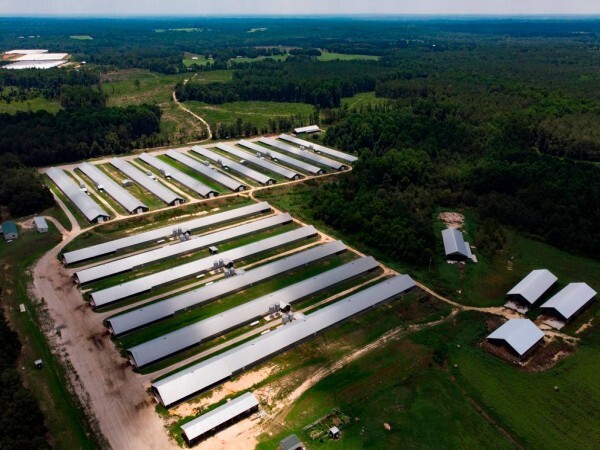
One published layout specifies a 95 m × 13 m × 4 m house for 20,160 birds using a four-tier arrangement.
An automatic chicken cage system can further organize feeding and manure operations around fixed equipment routes.
Factory engineering therefore matters before manufacturing begins, because cage positioning affects construction interfaces and installation sequences.
Example Farm Layout And Capacity Data
Data is for reference only.Swipe horizontally to view full table.
Capacity figures represent project-design references rather than universal production standards.
A factory-direct A type chicken battery cage should be selected according to building structure, ventilation planning, local regulations, and flock requirements.
A suitable A type layer cage layout can reduce unused construction area while preserving defined service passages.
Actual project planning should also account for 0.8–1.2 m service clearances and equipment access requirements where applicable.
Reason Three: Convert Labor Into Equipment Productivity
Picture the daily workflow.
Feed must reach every cage row, water must remain available, eggs require collection, and manure requires scheduled removal.
A factory-direct A type chicken battery cage can integrate feeding equipment, nipple drinking lines, manure belts, and egg conveyors into one equipment layout.
One published configuration specifies approximately 110–130 g feed per bird per day and 3–5 birds per nipple.
An automatic chicken cage system can transfer repetitive handling tasks from manual operation to controlled mechanical processes.
Farm workers can consequently devote more attention to flock observation, equipment inspection, and production management.
Equipment Parameters For An Integrated Layer System
Data is for reference only.Swipe horizontally to view full table.
Integrated equipment should match cage-row geometry rather than being selected as unrelated components.
A factory-direct A type chicken battery cage can coordinate equipment interfaces during engineering, while an automatic chicken cage system can centralize repetitive operating functions.
Specified conveyor configurations may use 0.75 kw motors, with manure-removal schedules commonly arranged around 2–4 operating cycles daily.
Such parameters provide a more practical basis for supplier comparison than broad claims such as “advanced” or “efficient”.
Reason Four: Direct Technical Support Protects The Investment
The purchase does not end at delivery.
Installation may require cage-row drawings, component identification, water-line positioning, conveyor alignment, and replacement-part information.
A factory-direct A type chicken battery cage gives buyers direct communication with original engineering and production teams.
For long-term projects, manufacturers may support spare-part compatibility across equipment generations, while an A type layer cage can retain standardized component dimensions.
A system planned for 15+ years of operation requires maintenance planning before commissioning, not after the first component failure.
Direct technical support therefore becomes part of equipment value.
What A Factory-Direct Supplier Should Deliver
Data is for reference only.Swipe horizontally to view full table.
A professional supplier should provide project engineering rather than only product sales.
A factory-direct A type chicken battery cage can be supported with layout drawings, equipment interfaces, installation guidance, and spare-parts documentation.
For overseas poultry projects, direct technical communication can reduce dimensional errors before fabrication and installation.
A complete A type layer cage project should therefore connect planning, manufacturing, commissioning, and maintenance through one technical workflow.
Material And Corrosion-Protection Data
Data is for reference only.Swipe horizontally to view full table.
Material selection directly affects the operating economics of a factory-direct A type chicken battery cage.
For humid poultry-house conditions, coating selection should be evaluated alongside ventilation, washing frequency, and manure exposure.
An automatic chicken cage system also requires compatible structural components because conveyor movement and repeated cleaning can increase mechanical loading on selected parts.
Technical material documentation therefore gives buyers a stronger comparison basis than appearance or quotation price alone.
The Factory-Direct Cost-Effectiveness Checklist
Data is for reference only.Swipe horizontally to view full table.
The most cost-effective A type chicken battery cage is not necessarily the lowest-priced quotation.
A factory-direct A type layer cage should be evaluated through measurable engineering data, equipment integration, manufacturing capability, and service continuity.
Buyers should request drawings, material specifications, equipment configurations, installation documents, and spare-parts information before order confirmation.
Four factors define practical equipment economics: purchasing structure, space utilization, labor productivity, and maintenance support.
Frequently Asked Questions
Q1: Why choose a factory-direct a type chicken battery cage?
A1: Factory-direct purchasing removes intermediate supply stages and provides direct engineering communication.
Project specifications can be confirmed before fabrication, reducing configuration errors and unnecessary modifications.
Q2: What parameters matter most when comparing a type chicken battery cage systems?
A2: Buyers should compare steel specification, galvanized coating, cell dimensions, tier configuration, equipment interfaces, and project layout.
A difference of only 0.5 mm in wire diameter can affect material consumption and structural design, so specifications should be verified directly.
Q3: Can a type chicken battery cage integrate automatic poultry equipment?
A3: Yes.
A type cage systems can be engineered with feeding, drinking, manure-removal, and egg-collection equipment.
Motor power, conveyor dimensions, water-line positioning, and control interfaces should be confirmed before production.
Taiyu (HK) Group - One Of China Largest A Type Chicken Battery Cage Manufacturer
A type chicken battery cage systems provide structured layer housing with configurable tiers, galvanized steel construction, and integrated feeding, drinking, egg, and manure equipment for commercial projects using cage wire from 2.0–4.0 mm.
Global factory-direct supply covers poultry equipment planning, manufacturing, export packaging, installation guidance, spare parts, and technical communication for international farm projects involving houses from 50 m to 100 m in length.
Turn-key engineering connects farm layout, cage configuration, automatic feeding, drinking, manure handling, egg collection, electrical control, and commissioning into one coordinated project structure with defined equipment interfaces.
Factory production supports project-specific engineering for commercial layer houses, with equipment selection coordinated around building dimensions, flock capacity, service access, and operating requirements across projects reaching 25,800 birds.
International project support combines direct manufacturing communication, technical documentation, poultry equipment integration, and Turn-key delivery for new farms, expansions, and modernization projects.
Contact Us To Received Your Customized Poultry Farm Plan
Headquarters And Branchs
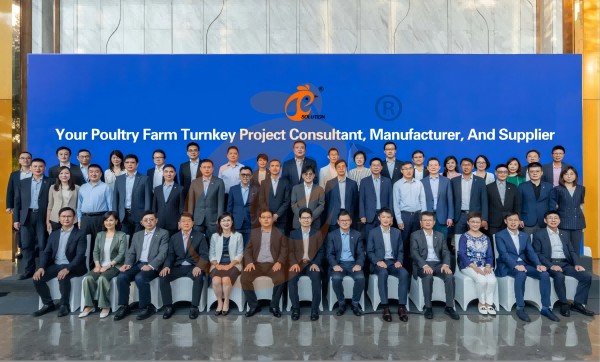
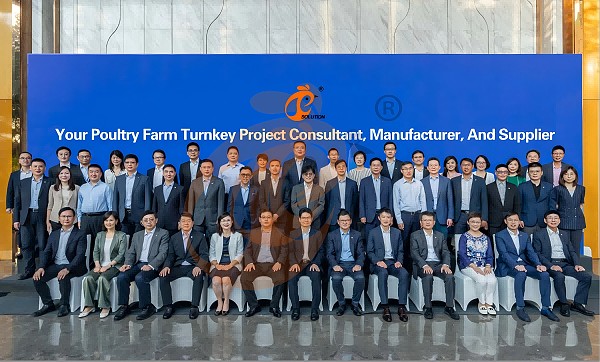
Hong Kong Headquarter Management Team
Hong Kong Headquarter Taiyu Industrial Group CO., LTD
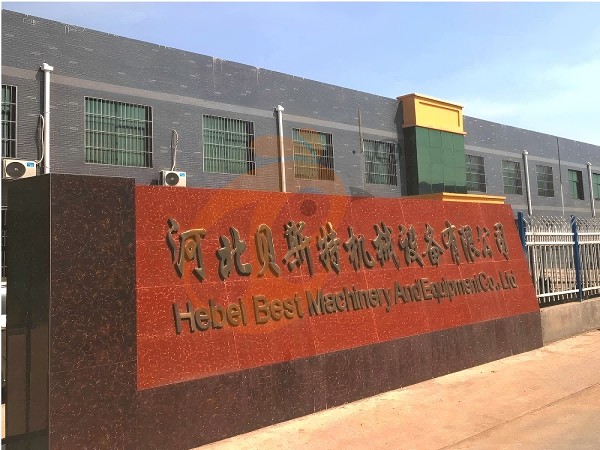
China Hebei Best Machinery And Equipment CO., LTD
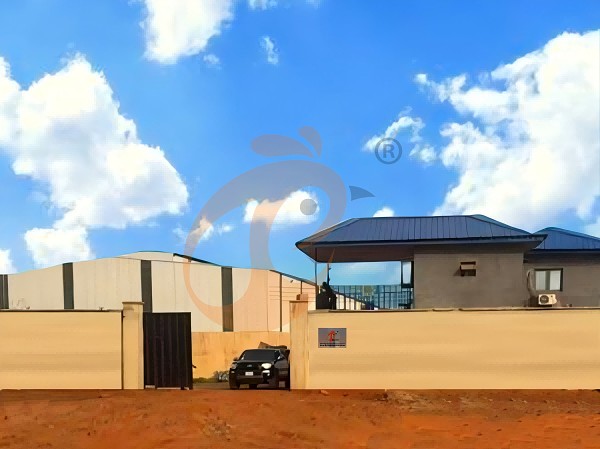
Nigeria Vanke Machinery And Equipment CO., LTD
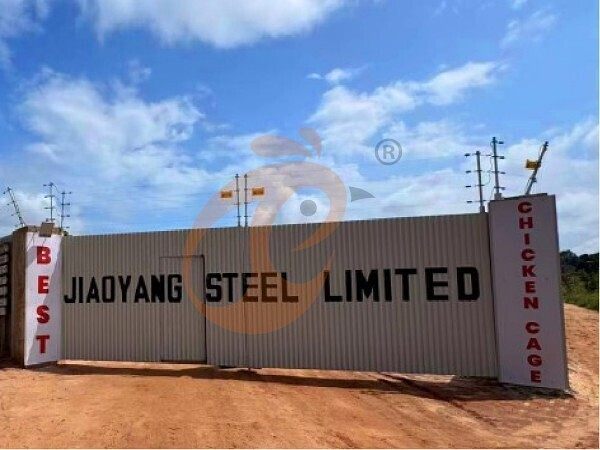
Tanzania Best Machinery And Equipment CO., LTD
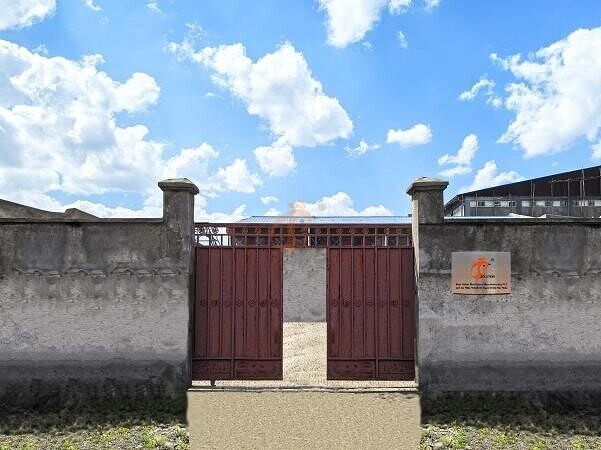
Ethiopia Best Hebei Machinery Manufacturing PLC
Reception /24 WhatsApp NO. : +8618830120193
PRODUCTS RECOMMENDED
 China Branch Manufacture Poultry Farm EquipmentRead More
 Ethiopia Branch Manufacture Poultry Farm EquipmentRead More
 Nigeria Branch Manufacture Poultry Farm EquipmentRead More
 Tanzania Branch Manufacture Poultry Farm EquipmentRead More
 IoT Smart Poultry FarmRead More
 >30,000 Layers Automatic H Type Battery CageRead More
 10,000 - 30,000 Layers Automatic A Type Battery CageRead More
MESSAGE
NEWS
 50,000 - 100,000 chickens/house: poultry farm solution, chicken cage, poultry farm equipment, AI smart managementRead More
 30,000 - 50,000 chickens/house: poultry farm solution, chicken cage, poultry farm equipment, AI smart managementRead More
 10,000 - 30,000 chickens/house: poultry farm solution, chicken cage, poultry farm equipment, AI smart managementRead More
 100 - 10,000 chickens/house: poultry farm solution, chicken cage, poultry farm equipment, AI smart managementRead More