

NEWS
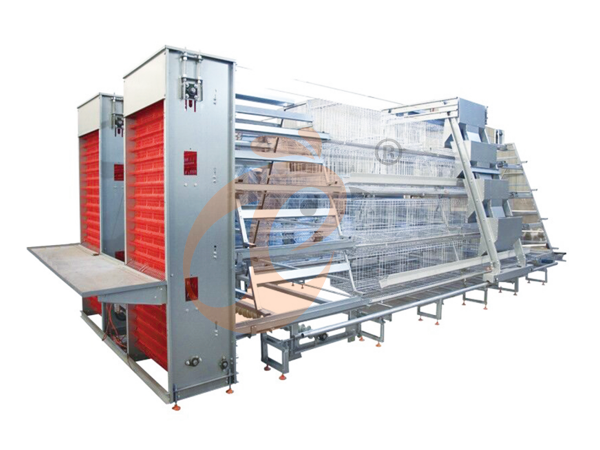
- Galvanized H type chicken battery cages combine corrosion protection, structural strength, and automated production compatibility for commercial farms operating across 15–20 years.
H type battery cage systems use measurable steel, coating, mesh, and frame specifications rather than subjective durability descriptions.
Galvanized protection performs differently from painted protection under ammonia, moisture, washing, abrasion, and repeated mechanical contact.
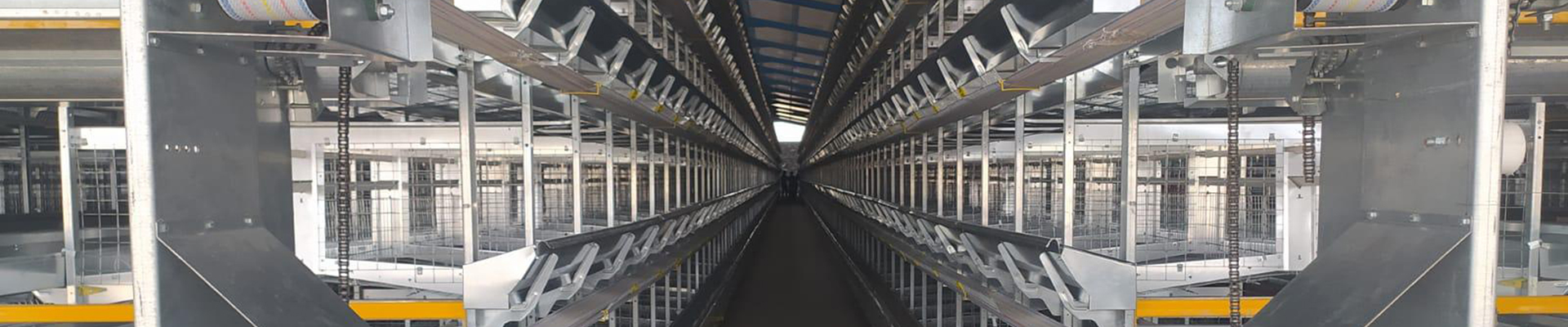
Automatic poultry cage systems connect feeding, drinking, manure removal, egg collection, and environmental control into one production structure.
- Equipment selection based on lifecycle engineering, coating quality, and automation compatibility can improve long-term farm investment efficiency by measurable margins.
Get professional poultry farm construction guidance, equipment selection solutions, and the latest price lists, whatsApp to +8618830120193, click to learn more.
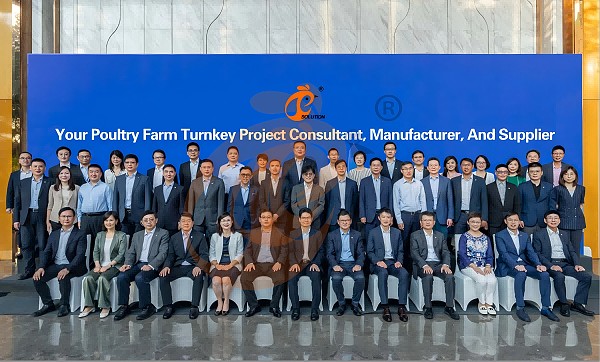
The Buying Question: What Determines Cage Life?
For commercial poultry farms, the finish on an H type chicken battery cage directly influences corrosion resistance after repeated washing, condensation, manure exposure, and mechanical contact.
A galvanized H type chicken cage uses a metallurgically bonded zinc layer, while painted steel relies on an organic film remaining intact.
Commercial systems commonly use q235 steel with 3–6 tiers, making surface protection an essential equipment specification.
A properly manufactured galvanized system generally provides stronger long-term protection where house temperatures remain around 28–32°c.
Coating Engineering: Galvanized Vs Painted
Data is for reference only.Swipe horizontally to view full table.
Hot-dip galvanizing creates integrated zinc protection rather than depending only on an external polymer layer.
For a galvanized H type chicken cage, welded intersections and exposed edges remain important inspection areas during fabrication.
A Farm-Floor Stress Test: Follow One Cage Through Four Seasons
Installation → feeding → manure accumulation → pressure washing → adjustment → repeat.
A commercial H type battery cage experiences handling impact during installation and continuous contact with dust, moisture, and manure during production.
Daily operation can involve approximately 24 hours of continuous equipment activity, while washing water may reach 20–40°c.
Paint damage can expose steel locally, whereas galvanized steel can provide sacrificial zinc protection around limited exposed areas.
For an automatic poultry cage system, durability therefore depends on how surface protection performs throughout repeated production cycles.
Corrosion Exposure Data: Where Does The Cage Work Hardest?
Data is for reference only.Swipe horizontally to view full table.
Lower structural zones of an H type chicken battery cage require particular attention because manure and moisture can remain near supports.
Ammonia concentration, condensation duration, and washing frequency can alter actual corrosion behavior.
The Maintenance Ledger: Paint Saves At Purchase, Galvanizing Saves During Ownership
Purchase price + maintenance cost + replacement cost + downtime cost = lifecycle equipment cost.
A painted galvanized H type chicken cage alternative may reduce initial expenditure, but damaged coating areas can require additional inspection and repair.
A commercial production cycle may extend across 72–90 weeks, making repeated maintenance a significant ownership consideration.
Published H-type equipment specifications commonly associate galvanized construction with approximately 15–20 years of service under suitable operating conditions.
Equipment suppliers should therefore calculate lifecycle value using production duration, maintenance intervals, and replacement planning rather than purchase price alone.
Structural Specification: Protection Starts With The Steel Beneath The Coating
Data is for reference only.Swipe horizontally to view full table.
The coating cannot compensate for underspecified steel in an H type battery cage.
Controlled welding, accurate assembly, and appropriate structural sections determine whether galvanized protection performs effectively throughout equipment operation.
For commercial projects, frame geometry and material selection should be confirmed before manufacturing begins.
Automation Compatibility: Durability Must Protect The Whole Production Line
Data is for reference only.Swipe horizontally to view full table.
An automatic poultry cage system should integrate feeding, drinking, manure removal, egg collection, and environmental control around consistent cage geometry.
A commercial line can operate with conveyor movement around 3–6 m/min while maintaining coordinated equipment interfaces.
Integrated engineering reduces installation conflicts and supports predictable commissioning across large poultry houses.
The Scratch Scenario: Why Zinc Changes The Maintenance Strategy
Data is for reference only.Swipe horizontally to view full table.
A scratch does not mean galvanized protection becomes ineffective immediately.
For an H type chicken battery cage, zinc can provide electrochemical protection around limited exposed steel areas.
Painted surfaces generally depend more heavily on coating continuity after mechanical damage.
What The Buyer Should Request Before Signing The Order
Procurement checklist
- Verify steel grade and material documentation before ordering the H type battery cage.
- Request measurable coating thickness or coating mass rather than undefined durability claims.
- Confirm welding, dimensional, and installation drawings before production release.
- Review automation interfaces for feeding, drinking, manure removal, and egg collection.
- Obtain load calculations and spare-parts documentation for the selected cage configuration.
A professional supplier should translate specifications into measurable production requirements.
For example, a project may specify q235 steel, 2.0–2.5 mm structural members, and controlled galvanized protection rather than relying on general marketing language.
Service-Life Comparison: What Published Equipment Data Shows
Data is for reference only.Swipe horizontally to view full table.
Published equipment data indicates substantial service-life differences between common surface-treatment systems.
Actual performance of an H type chicken battery cage also depends on fabrication quality, environmental exposure, cleaning practice, and structural design.
Published service-life figures should therefore be treated as engineering references rather than unconditional guarantees.
The Return On Investment Decision: Pay For Coating Or Pay For Maintenance?
Data is for reference only.Swipe horizontally to view full table.
The strongest business case for a galvanized H type chicken cage comes from lifecycle performance rather than the lowest quotation.
For a system supporting approximately 160 birds per set, structural stability directly influences feeding, drinking, manure removal, and egg collection continuity.
A professional equipment quotation should therefore combine cage construction, coating specification, automation, installation, and after-sales support.
Final Verdict: Galvanized Wins The Long-Term Cage Competition
Decision → specification → manufacturing → installation → operation.
For intensive poultry houses, properly manufactured hot-dip galvanized H type battery cages generally provide stronger long-term corrosion protection than conventional painted alternatives.
Galvanized construction is particularly suitable where ammonia, moisture, manure, washing, and mechanical handling repeatedly challenge cage surfaces.
A typical commercial configuration can use 3–6 tiers, while published equipment references commonly associate galvanized systems with approximately 15–20 years of service.
The better procurement decision is therefore not simply galvanized versus painted.
Steel grade, coating specification, welding quality, cage geometry, automation compatibility, installation accuracy, and lifecycle support should be evaluated as one engineering package.
Frequently Asked Questions
Q1. Which lasts longer, galvanized or painted H type chicken battery cages?
A1: A properly manufactured galvanized H type chicken battery cage generally offers longer corrosion protection, with published service references commonly reaching 15–20 years under suitable conditions.
Q2. Is galvanized coating enough for a commercial poultry cage?
A2: No.An automatic poultry cage system also requires appropriate steel sections, welding quality, drainage, ventilation, cleaning practices, and correct automation installation.
Q3: What specifications should buyers compare before ordering?
A3: Buyers should compare steel grade, coating specification, frame dimensions, wire diameter, tier arrangement, automation interfaces, installation drawings, and lifecycle support rather than comparing purchase price alone.
Taiyu (HK) Group - One Of Toppest H Type Chicken Battery Cages Manufacturer
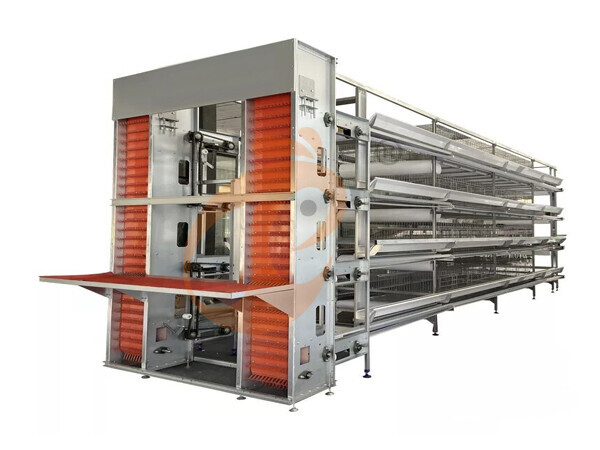
H type chicken battery cages provide structured multi-tier housing with galvanized steel protection, q235 structural components, and configurations supporting 3–6 production tiers.
Global factory direct sales connect poultry farms with standardized manufacturing, technical drawings, equipment specifications, and international project coordination.
Poultry equipment packages integrate cages, automatic feeding, nipple drinking, manure removal, egg collection, ventilation, and environmental-control systems.
Turn-key engineering covers project planning, equipment configuration, production coordination, installation guidance, commissioning support, and technical documentation.
International project delivery supports commercial poultry operations requiring scalable equipment layouts, controlled specifications, spare parts, and long-term engineering cooperation.
Contact Us To Received Your Customized Poultry Farm Plan
Headquarters And Branchs
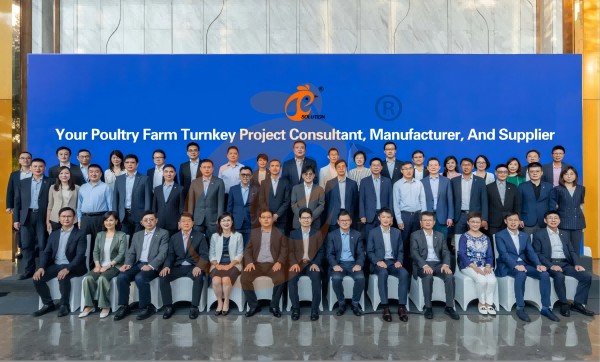
Hong Kong Headquarter Management Team
Hong Kong Headquarter Taiyu Industrial Group CO., LTD
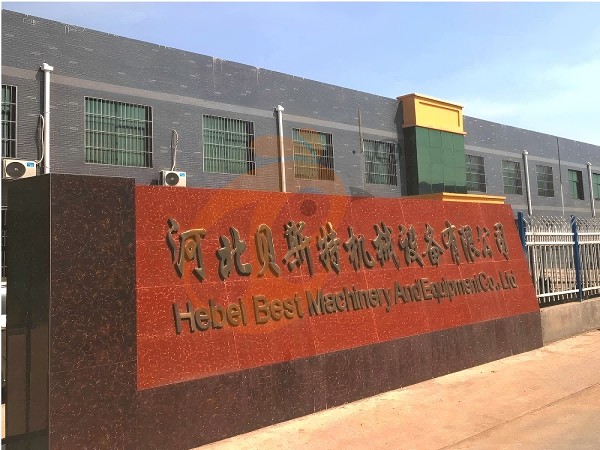
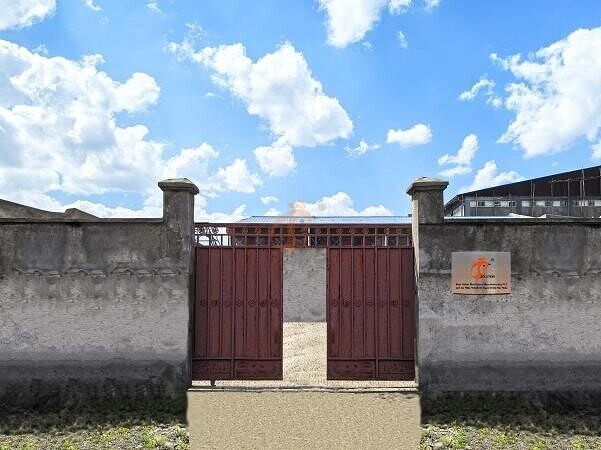
China Hebei Best Machinery And Equipment CO., LTD
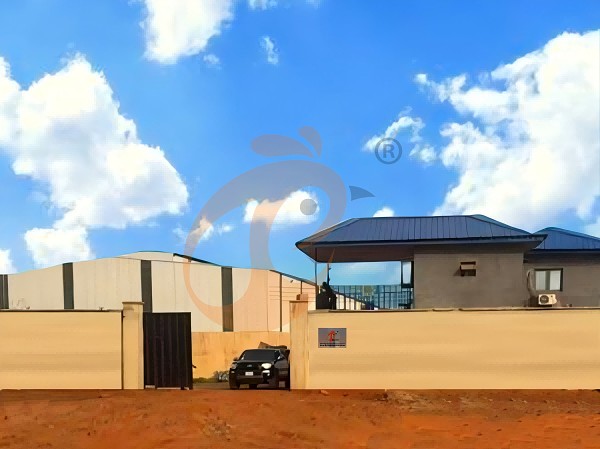
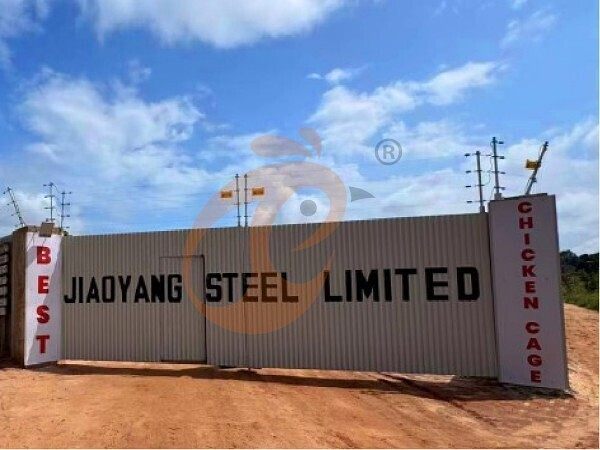
Nigeria Vanke Machinery And Equipment CO., LTD
Tanzania Best Machinery And Equipment CO., LTD
Ethiopia Best Hebei Machinery Manufacturing PLC
Reception /24 WhatsApp NO. : +8618830120193
PRODUCTS RECOMMENDED
 China Branch Manufacture Poultry Farm EquipmentRead More
 Ethiopia Branch Manufacture Poultry Farm EquipmentRead More
 Nigeria Branch Manufacture Poultry Farm EquipmentRead More
 Tanzania Branch Manufacture Poultry Farm EquipmentRead More
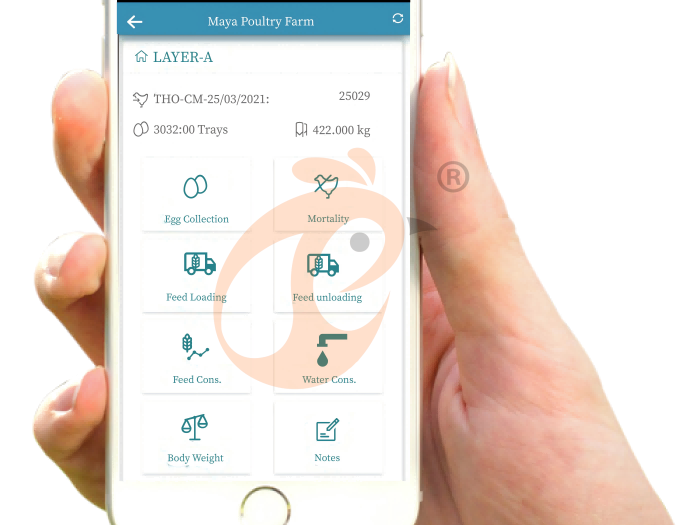
 IoT Smart Poultry FarmRead More
 >30,000 Layers Automatic H Type Battery CageRead More
 10,000 - 30,000 Layers Automatic A Type Battery CageRead More
MESSAGE
NEWS
 50,000 - 100,000 chickens/house: poultry farm solution, chicken cage, poultry farm equipment, AI smart managementRead More
 30,000 - 50,000 chickens/house: poultry farm solution, chicken cage, poultry farm equipment, AI smart managementRead More
 10,000 - 30,000 chickens/house: poultry farm solution, chicken cage, poultry farm equipment, AI smart managementRead More
 100 - 10,000 chickens/house: poultry farm solution, chicken cage, poultry farm equipment, AI smart managementRead More