

NEWS
Poultry cage investment determines production economics across commercial farms, with 30,000-bird projects requiring disciplined equipment planning and measurable operating targets.
Automatic poultry cage system design connects feeding, drinking, egg handling, manure removal, and environmental management through coordinated mechanical layouts.
Layer cage system selection affects building utilization, labor allocation, maintenance planning, and expansion capacity across different production scales.
Poultry cage equipment should be evaluated through capital cost, operating requirements, service life, and project-specific engineering conditions rather than quotation price alone.
- A properly engineered poultry cage solution can combine commercial capacity, automation, equipment integration, and predictable management requirements within one scalable production strategy.
Get professional poultry farm construction guidance, equipment selection solutions, and the latest price lists, whatsApp to +8618830120193, click to learn more.
Technical Cost Comparison: Economy Vs Automatic
Data is for reference only.Swipe horizontally to view full table.
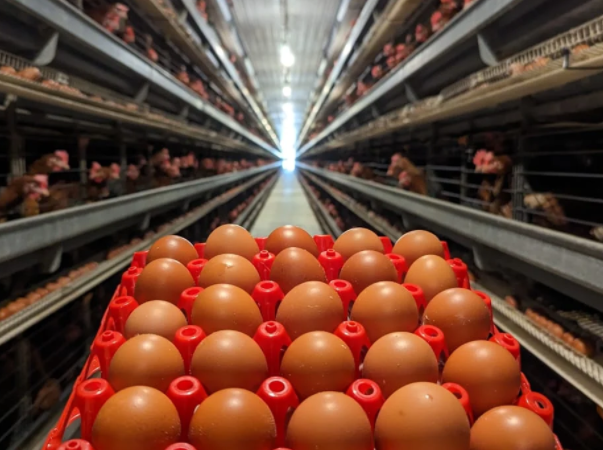
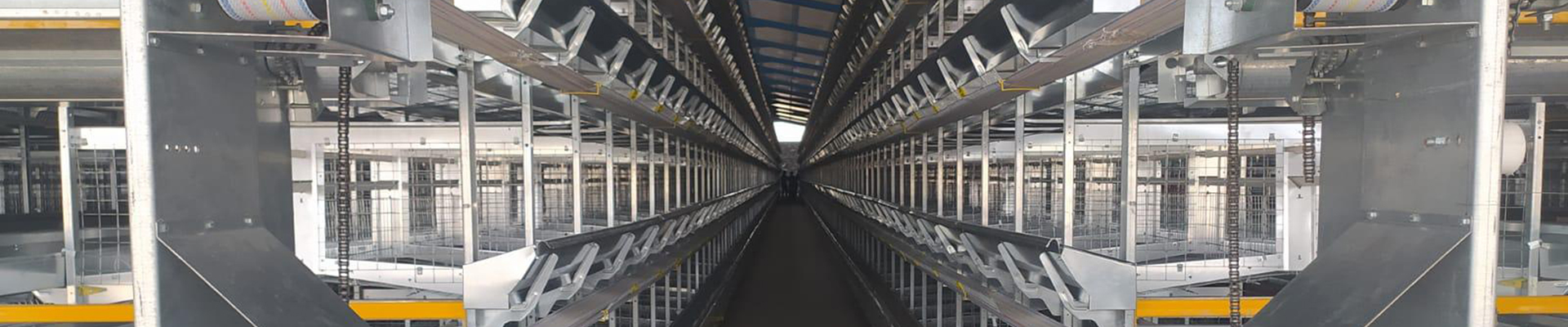
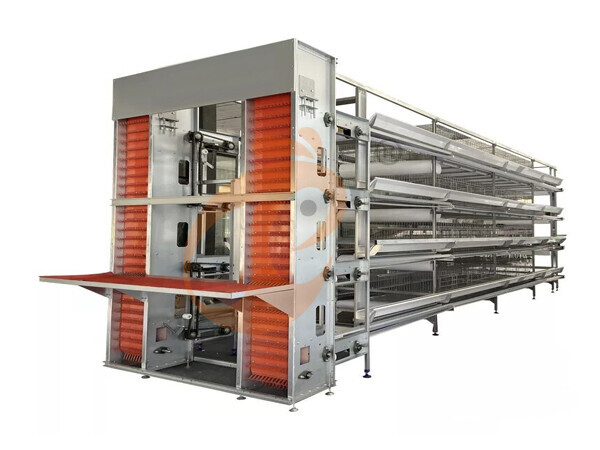
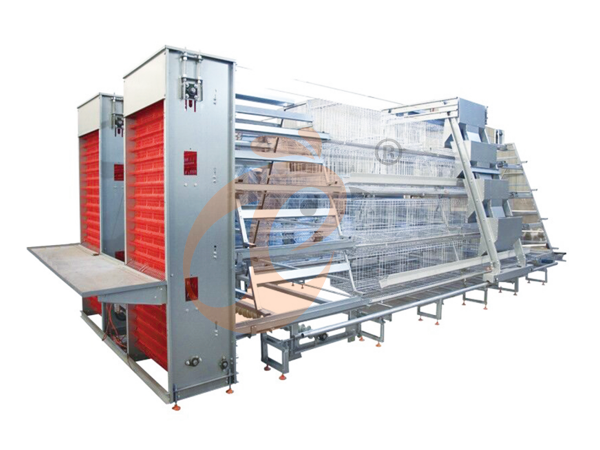
Commercial H-type poultry cage configurations commonly use multi-tier structures to increase usable house capacity.
Layer cage system planning should also consider building height, aisle geometry, and service access before equipment quantities are finalized.
Follow The Money: Three Cost Layers
Think of poultry cage investment as a three-layer financial model.
Capital expenditure covers cage structures, feeding equipment, drinking lines, egg conveyors, manure equipment, ventilation, controls, and installation.
Operating expenditure covers labor, electricity, spare parts, cleaning, lubrication, water treatment, and servicing.
Production efficiency covers feed distribution, egg handling, manure management, usable house capacity, and workforce utilization.
A commercial poultry cage equipment configuration can incorporate feed conveying capacity around 3.5 t/h, supporting substantially larger material flows than manual distribution.
The economic advantage becomes clearer when recurring operating requirements are calculated against actual flock capacity.
Equipment Specification Comparison
Data is for reference only.Swipe horizontally to view full table.
The Labor Test: Imagine Two Farms
Farm A uses an economy poultry cage while workers distribute feed, inspect water, collect eggs, remove manure, and transfer eggs through repeated manual operations.
Farm B uses an automatic poultry cage system while mechanical equipment performs programmed feeding, egg collection, and manure handling cycles.
One commercial automated configuration can support management of up to 100,000 birds with 1–2 workers, although actual staffing depends on house layout and management practices.
Poultry cage automation therefore becomes particularly valuable when labor availability limits production expansion.
Capacity-Based Equipment Selection
Data is for reference only.Swipe horizontally to view full table.
Illustrative calculation based on birds per unit; final quantities require manufacturer verification against actual cage-door configuration, row layout, aisle requirements, and usable capacity.
Automatic poultry cage planning becomes increasingly practical when vertical building volume is available for multi-tier installation.
A layer cage system can therefore improve spatial utilization without requiring proportional expansion of floor footprint.
What Does "Automatic" Actually Include?
An automatic poultry cage system should be evaluated as a connected production chain.
Feed storage → feed conveying → cage feeding → nipple drinking → egg collection → manure removal → environmental control
The commercial value comes from integration rather than isolated machines.
A poultry cage equipment package can incorporate centralized conveyors and coordinated controls, while one commercial egg system reaches approximately 65,000 eggs/hour.
Buyers should verify every conveyor, motor, control cabinet, sensor, spare-part requirement, and installation interface before approving the final poultry cage configuration.
The Five-Question Purchasing Challenge
Data is for reference only.Swipe horizontally to view full table.
The most important poultry cage purchasing question is not simply the initial quotation.
A commercial layer cage system should be evaluated against annual operating hours, maintenance intervals, and projected flock expansion.
A poultry cage investment becomes more defensible when equipment requirements are matched with measurable production objectives.
Calculate Return On Investment Before You Sign The Order
Use a simple commercial formula
Annual equipment benefit = labor savings + reduced handling losses + maintenance efficiency + additional usable capacity − additional energy cost
Then calculate
Payback period = additional automatic-system investment ÷ annual equipment benefit
For example, an automatic poultry cage project adding $80,000 to capital expenditure would require $20,000 annual benefit for a simple four-year payback.
European union standard reference only.
Actual poultry cage calculations should use local labor rates, electricity tariffs, flock size, production schedules, and maintenance expenses.
Installation And Maintenance: The Hidden Budget
Data is for reference only.Swipe horizontally to view full table.
Automatic poultry cage equipment contains additional mechanical and electrical interfaces, making commissioning quality essential.
Poultry cage equipment suppliers should verify belt tracking, motor rotation, water regulation, conveyor operation, and control-system performance before stocking.
Why An Integrated Poultry Equipment Solution Wins
Picture a poultry cage production sequence where feed enters storage, moves through conveyors, water reaches cages through controlled lines, eggs transfer toward collection, and manure exits through dedicated handling equipment.
Each transition affects operational continuity.
A commercial poultry cage system can be configured around approximately 65,000 eggs/hour collection capacity and scheduled manure-handling cycles.
An experienced poultry cage equipment manufacturer can coordinate cage dimensions, conveyor routes, building structure, ventilation, water supply, and electrical controls as one engineered system.
Final Verdict: Which System Fits Your Budget?
Data is for reference only.Swipe horizontally to view full table.
Choose an economy poultry cage when capital expenditure must be controlled and manual operations remain commercially manageable.
Choose an automatic poultry cage system when flock capacity, labor productivity, production continuity, and expansion are primary objectives.
A poultry cage investment should therefore be measured through cost per bird, operating workload, equipment utilization, and expected service period rather than quotation price alone.
Frequently Asked Questions
Q1: What is the main cost difference between economy and automatic poultry cage systems?
A1: Economy poultry cage systems require less initial equipment, while automatic systems add conveyors, drives, controls, and handling equipment.
A commercial automatic configuration can manage substantially larger flock volumes, with some projects reaching 100,000 birds per house.
Q2: When does an automatic poultry cage system become more economical?
A2: An automatic poultry cage system becomes more attractive when flock size and recurring labor requirements increase.
Projects exceeding 30,000 layers often justify detailed labor, energy, and payback calculations.
Q3: What should buyers confirm before ordering poultry cage equipment?
A3: Buyers should confirm building dimensions, flock capacity, cage tiers, conveyor routes, electrical supply, water pressure, installation conditions, and expansion requirements.
A complete technical quotation should define every major equipment interface before production begins.
Taiyu (HK) Group - One Of China’s Biggest Poultry Cage Manufacturer
Poultry cage systems combine galvanized structures, multi-tier layouts, and integrated production modules for commercial layer projects exceeding 100,000 birds.
Global factory-direct supply covers poultry equipment packages with engineering drawings, production coordination, inspection procedures, and export documentation.
Turn-key engineering integrates poultry cage installation, feeding lines, drinking systems, egg collection, manure handling, ventilation, and electrical control.
Project delivery supports international poultry equipment applications through customized capacity calculations, building layouts, commissioning guidance, and after-sales technical coordination.
Contact Us To Received Your Customized Poultry Farm Plan
Headquarters And Branchs

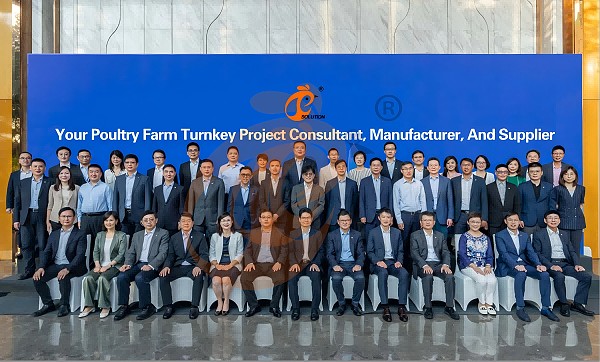
Hong Kong Headquarter Management Team
Hong Kong Headquarter Taiyu Industrial Group CO., LTD
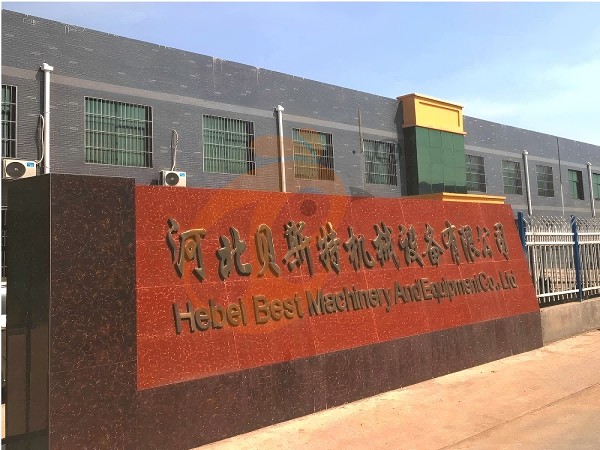
China Hebei Best Machinery And Equipment CO., LTD
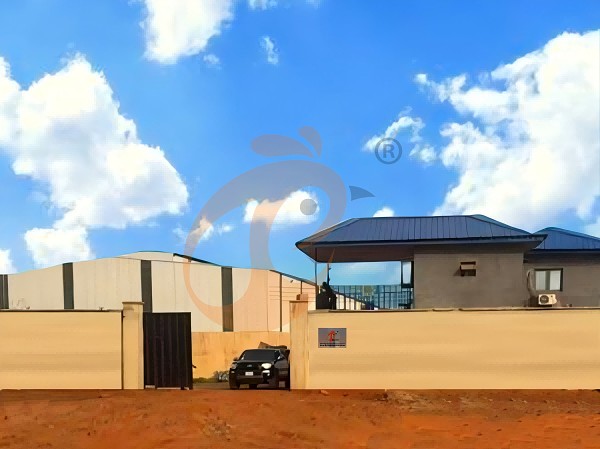
Nigeria Vanke Machinery And Equipment CO., LTD
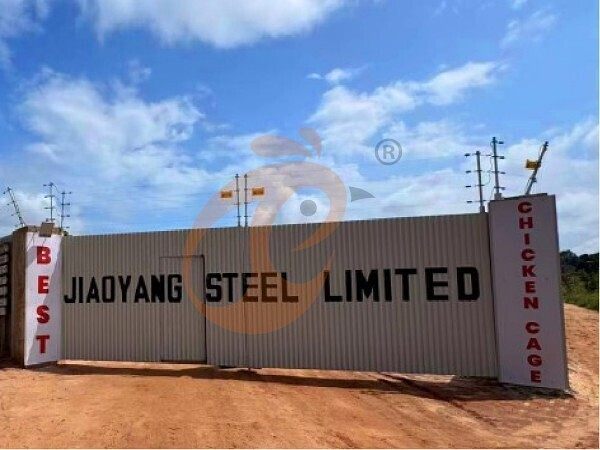
Tanzania Best Machinery And Equipment CO., LTD
Ethiopia Best Hebei Machinery Manufacturing PLC
Reception /24 WhatsApp NO. : +8618830120193
PRODUCTS RECOMMENDED
 China Branch Manufacture Poultry Farm EquipmentRead More
 Ethiopia Branch Manufacture Poultry Farm EquipmentRead More
 Nigeria Branch Manufacture Poultry Farm EquipmentRead More
 Tanzania Branch Manufacture Poultry Farm EquipmentRead More
 IoT Smart Poultry FarmRead More
 >30,000 Layers Automatic H Type Battery CageRead More
 10,000 - 30,000 Layers Automatic A Type Battery CageRead More
MESSAGE
NEWS
 50,000 - 100,000 chickens/house: poultry farm solution, chicken cage, poultry farm equipment, AI smart managementRead More
 30,000 - 50,000 chickens/house: poultry farm solution, chicken cage, poultry farm equipment, AI smart managementRead More
 10,000 - 30,000 chickens/house: poultry farm solution, chicken cage, poultry farm equipment, AI smart managementRead More
 100 - 10,000 chickens/house: poultry farm solution, chicken cage, poultry farm equipment, AI smart managementRead More