

NEWS
Introduction
- Automatic feed mill systems can coordinate poultry production from grinding to packing, with commercial capacities reaching 40 t/h and supporting larger production targets.
Poultry feed mill automation reduces repeated handling while improving formulation control, process continuity, and equipment coordination across demanding daily production schedules.
Automatic poultry feeding systems extend efficiency beyond feed production, connecting storage, conveying, and chicken-house distribution with project-specific engineering requirements.
Integrated equipment design considers power, storage, conveying distance, batching accuracy, pelletizing capacity, cooling requirements, and future poultry-farm expansion.
- Comparing automatic and semi-automatic configurations reveals practical differences in output, labor structure, scalability, and long-term equipment investment for professional poultry projects.
Get professional poultry farm construction guidance, equipment selection solutions, and the latest price lists, whatsApp to +8618830120193, click to learn more.
Output Starts With The Production Cycle
Feed production efficiency depends on how smoothly raw materials move through grinding, batching, mixing, pelleting, cooling, screening, storage, and packing.
An automatic feed mill connects these stages through programmed sequencing, while a poultry feed mill can combine multiple processing sections into one production route.
A 3–5 t/h configuration can use 238 kw installed power and a 14.5 × 9 × 24 m plant footprint, demonstrating why automatic feed mill selection requires complete-line engineering rather than single-machine comparison.
Data is for reference only.Swipe horizontally to view full table.
Batching Accuracy Creates The First Control Point
Why does batching matter?
Feed formulation begins before ingredients enter the mixer, making automatic feed mill batching accuracy a direct engineering consideration.
An automatic batching system assigns ingredients to dedicated bins and releases materials according to programmed formulation data.
A commercial 10 t/h poultry feed mill configuration can use electronic weighing with approximately ±0.2% accuracy, while automated poultry feeding systems benefit from consistent upstream formulation.
Recipe management also reduces repeated manual calculations when corn, soybean meal, premixes, limestone, oils, and other ingredients require different proportions.
Data is for reference only.Swipe horizontally to view full table.
Mixing Turns Formulation Into Consistent Feed
The engineering sequence is straightforward.
Ingredients enter the automatic feed mill according to the programmed formula, followed by controlled mixing before downstream pelletizing.
Double-shaft paddle mixers for poultry feed mill applications are available around 250–3,000 kg/batch, with documented mixing cycles of approximately 45–90 seconds depending on configuration.
Automatic poultry feeding systems require stable feed characteristics, making repeatable mixing parameters important for downstream conveying and distribution.
Data is for reference only.Swipe horizontally to view full table.
Two Farms, Two Production Paths
Scenario A — semi-automatic operation a poultry producer starts with a semi-automatic feed mill because current demand remains moderate.
Workers handle more transfers, supervise individual machines, and coordinate longer production sequences as flock numbers increase.
Scenario B — automatic operation an automatic feed mill establishes coordinated production from the beginning.
Additional storage, conveying, pelletizing, or automatic poultry feeding system capacity can then be incorporated into the original engineering concept.
Data is for reference only.Swipe horizontally to view full table.
From Feed Mill To Chicken House
The strongest equipment strategy connects the automatic feed mill with feed silos, conveying systems, automatic feeding lines, drinking systems, environmental controls, and chicken-house equipment.
A poultry feed mill producing 10 t/h can theoretically process about 200 tonnes during a 20-hour schedule before downtime and maintenance allowances.
A coordinated automatic poultry feeding system then transfers finished feed toward house-level distribution according to project demand and conveying distance.
For integrated projects, equipment selection should match storage volume, house quantity, feed consumption, and daily production requirements.
Data is for reference only.Swipe horizontally to view full table.
Grinding Capacity Sets Another Production Limit
Grinding can become a bottleneck when the automatic feed mill receives more material than the hammer mill can process.
Commercial hammer mills can operate across approximately 3–50 t/h depending on model and raw-material conditions.
One documented configuration uses 132 kw at 1,480 rpm and produces approximately 10–12 t/h with a 3.0 mm screen.
For poultry feed mill engineering, motor power, screen aperture, raw-material characteristics, and target capacity must therefore be evaluated together.
Data is for reference only.Swipe horizontally to view full table.
Pelletizing Converts Processing Into Commercial Output
Pelletizing becomes the central capacity reference when feed production scales.
A ring-die poultry feed mill can use 420 mm dies with approximately 110 kw power and 10–12 t/h capacity in documented configurations.
Finished pellet diameter can range around 2–12 mm depending on die selection and product requirements.
For an automatic feed mill, die configuration must remain compatible with conditioning, cooling, screening, storage, and the automatic poultry feeding system.
Data is for reference only.Swipe horizontally to view full table.
Cooling Protects The Downstream Production Flow
After pelletizing, feed requires cooling and stabilization before storage or packing.
A counterflow cooler can reduce pellet temperature from approximately 90°c to within 3–5°c above ambient temperature.
Typical cooling residence time can reach 6–15 minutes, depending on machine design and production conditions.
A correctly matched poultry feed mill therefore keeps pellet production synchronized with cooling, screening, storage, and automatic poultry feeding system requirements.
Data is for reference only.Swipe horizontally to view full table.
Packing Determines The Final Dispatch Rate
A feed mill can produce tonnes per hour, but finished feed still requires accurate weighing, filling, conveying, and sealing.
Automatic packing equipment for poultry feed mill projects can handle 10–50 kg bags, with larger configurations commonly reaching approximately 6–12 bags/minute.
For an automatic poultry feeding system, finished-feed dispatch should match storage turnover and house-level consumption rather than creating unnecessary accumulation.
Data is for reference only.Swipe horizontally to view full table.
Control Architecture Turns Equipment Into A System
Automation requires more than installing a control cabinet beside individual machines.
A professional automatic feed mill coordinates batching, material transfer, mixing, pelletizing, cooling, screening, and packing through centralized control logic.
Documented commercial systems use plc-controlled electronic weighing for automated batching and can support manual, semi-automatic, or fully automatic operating modes.
For poultry equipment manufacturers, centralized control creates a stronger equipment proposition because customers receive coordinated production rather than disconnected machines.
Data is for reference only.Swipe horizontally to view full table.
Choosing The Right Production Configuration
Use semi-automatic equipment when feed requirements remain around 2–5 t/h and initial equipment expenditure is the dominant project constraint.
Use automatic equipment when production reaches approximately 8–20 t/h, labor coordination becomes more demanding, or expansion requires integrated process control.
For larger poultry projects, automatic feed mill engineering should also consider silo capacity, house numbers, feed consumption, building dimensions, electrical infrastructure, and future production requirements.
Data is for reference only.Swipe horizontally to view full table.
Engineer The Complete Production Chain
Input → processing → storage → distribution → chicken house
An automatic feed mill should begin with the required poultry-house feed demand and work backward through storage, conveying, batching, grinding, mixing, pelletizing, cooling, and packing.
A 10 t/h pellet mill paired with a 5 t/h grinding section cannot sustain a 10 t/h production route.
Likewise, a 10 t/h poultry feed mill connected to insufficient storage or undersized automatic poultry feeding system equipment will not deliver the intended farm-level production efficiency.
Data is for reference only.Swipe horizontally to view full table.
Frequently Asked Questions
Q1: Can an automatic feed mill produce more than a semi-automatic system?
A1: Yes, when upstream and downstream equipment are correctly matched.
A commercial automatic feed mill can be engineered around 5–40 t/h, while actual output depends on formulation, raw materials, equipment sizing, and operating schedule.
Q2: Is a poultry feed mill suitable for large chicken farms?
A2: Yes.
A properly configured poultry feed mill can integrate silos, conveyors, pellet mills, coolers, packing systems, and automatic poultry feeding systems for multi-house projects.
Q3: Does automation eliminate the need for operators?
A3: No.Automation reduces repetitive operation while shifting personnel toward supervision, maintenance, quality control, and production management.
Taiyu (HK) Group - One Of China Toppest Automatic Feed Mill Manufacturer
Automatic feed mill systems integrate grinding, batching, mixing, pelleting, cooling, screening, and packing, with engineered capacities from 5–40 t/h and installed power reaching 800 kw.
Global factory-direct supply covers poultry equipment packages, including feed silos, conveying equipment, automatic feeding lines, drinking systems, environmental equipment, and control systems for commercial farms.
Turn-key engineering integrates production capacity, building dimensions, electrical requirements, storage volume, conveying routes, and chicken-house demand into one coordinated equipment specification.
Project engineering supports poultry equipment deployment across different farm scales, with equipment layouts configured around 2–40 t/h production requirements and 1–20 poultry houses.
Factory production, technical commissioning, equipment integration, and project support create a direct engineering route from automatic feed mill selection to complete poultry-farm installation.
Contact Us To Received Your Customized Poultry Farm Plan
Headquarters And Branchs

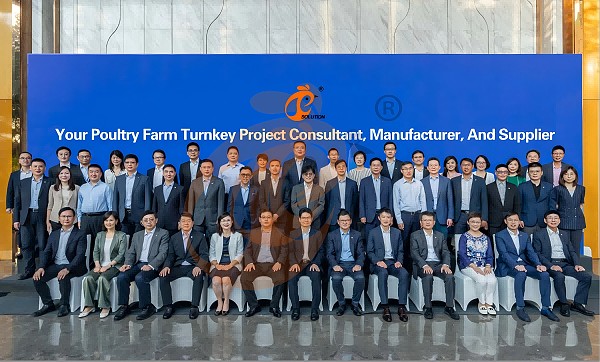
Hong Kong Headquarter Management Team
Hong Kong Headquarter Taiyu Industrial Group CO., LTD
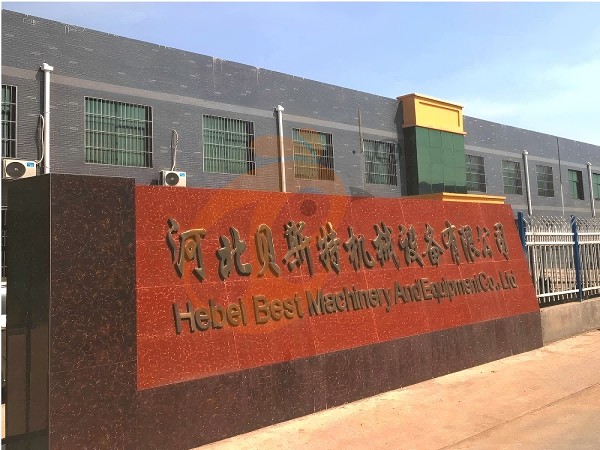
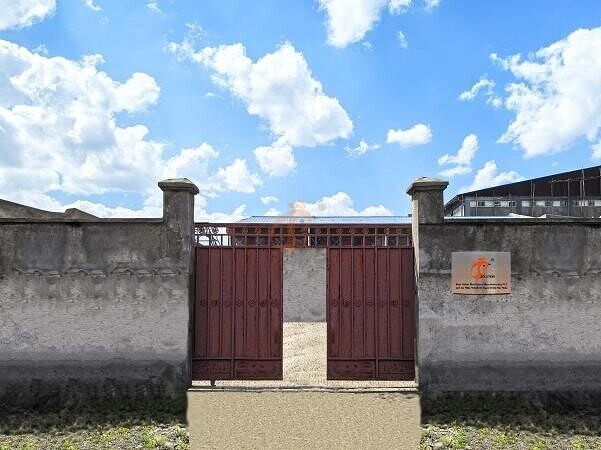
China Hebei Best Machinery And Equipment CO., LTD
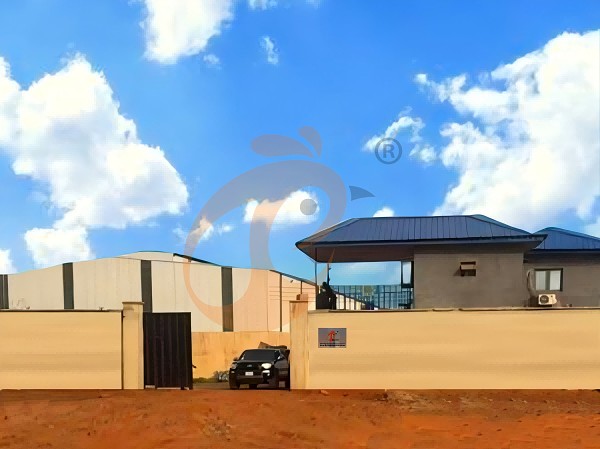
Nigeria Vanke Machinery And Equipment CO., LTD
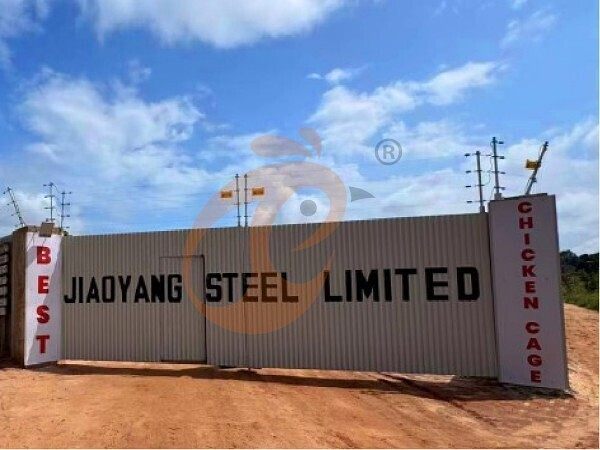
Tanzania Best Machinery And Equipment CO., LTD
Ethiopia Best Hebei Machinery Manufacturing PLC
Reception /24 WhatsApp NO. : +8618830120193
PRODUCTS RECOMMENDED
 China Branch Manufacture Poultry Farm EquipmentRead More
 Ethiopia Branch Manufacture Poultry Farm EquipmentRead More
 Nigeria Branch Manufacture Poultry Farm EquipmentRead More
 Tanzania Branch Manufacture Poultry Farm EquipmentRead More
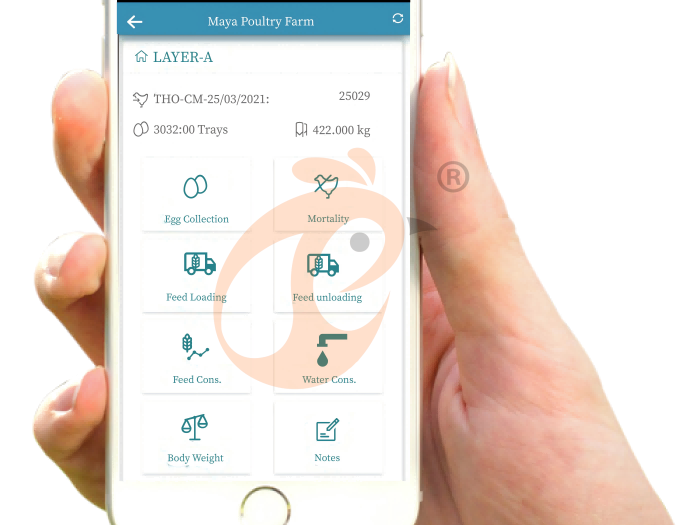
 IoT Smart Poultry FarmRead More
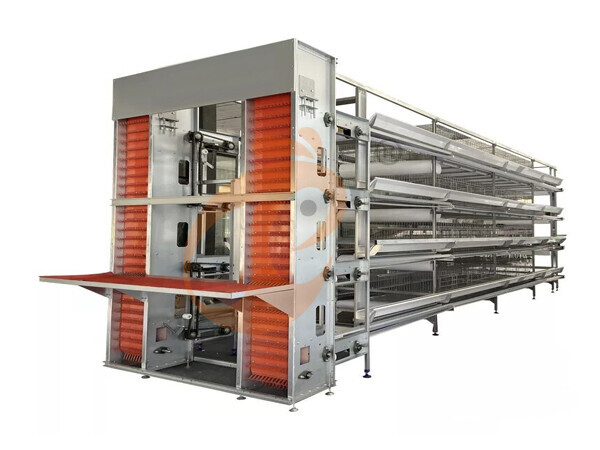
 >30,000 Layers Automatic H Type Battery CageRead More
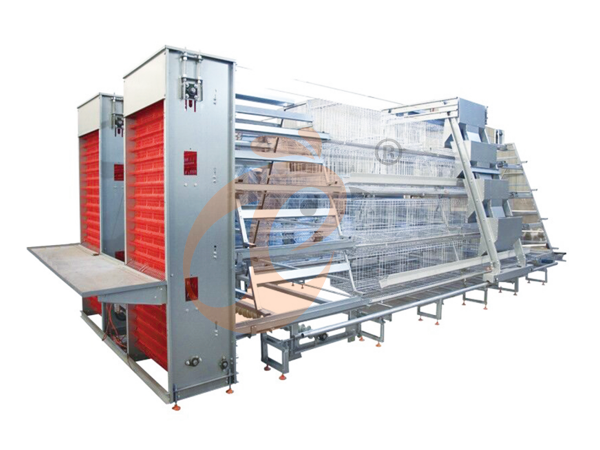
 10,000 - 30,000 Layers Automatic A Type Battery CageRead More
MESSAGE
NEWS
 50,000 - 100,000 chickens/house: poultry farm solution, chicken cage, poultry farm equipment, AI smart managementRead More
 30,000 - 50,000 chickens/house: poultry farm solution, chicken cage, poultry farm equipment, AI smart managementRead More
 10,000 - 30,000 chickens/house: poultry farm solution, chicken cage, poultry farm equipment, AI smart managementRead More
 100 - 10,000 chickens/house: poultry farm solution, chicken cage, poultry farm equipment, AI smart managementRead More