

NEWS
- Pellet machine feed flow determines production stability, pellet quality, and poultry feeding efficiency across modern farms, with 2–4 mm pellets supporting common chicken-feed applications.
Proper equipment matching coordinates pellet production, conveying, cooling, storage, and automatic feeding while maintaining practical throughput from 1 to 40 t/h.
Controlled conditioning, transfer design, and screening can reduce fines and protect feed quality during continuous commercial operation at 8–12 hours daily.
Automatic poultry systems reduce repetitive handling, improve distribution consistency, and support houses exceeding 30 m in feeding-line length.
- Professional equipment integration combines measurable specifications, scalable layouts, and turn-key engineering into a reliable feed-flow solution built around commercial poultry production requirements.
Get professional poultry farm construction guidance, equipment selection solutions, and the latest price lists, whatsApp to +8618830120193, click to learn more.
Start With The Feed-Flow Equation
A pellet machine operates within a connected process raw-material preparation, conditioning, pelletizing, cooling, conveying, storage, and automatic feeding.
For commercial chicken feed, poultry feed pellet machine configurations commonly support 2–4 mm pellet diameters and 4–8 mm lengths, while suitable material temperature should remain controlled before downstream handling.
The first optimization step is matching every machine to the required feed-flow profile.
Integrated equipment can connect the pellet machine with feeders, conditioners, conveyors, coolers, and storage systems while maintaining approximately 8–12 hours of planned daily operation.
Match Pellet Mill Configuration To Actual Demand
Data is for reference only.Swipe horizontally to view full table.
These pellet machine specifications illustrate why equipment selection should follow production requirements rather than motor size alone.
A chicken feed pellet machine can be configured across different commercial scales, while proper downstream matching prevents production accumulation and unnecessary energy consumption.
Stabilize Conditioning Before Blaming The Pellet Mill
The 3-point conditioning check
Check 01 — temperature
A pellet machine benefits from stable conditioning, with commercial poultry systems commonly operating around 80–90°c before pelletizing.
Check 02 — retention
A poultry feed pellet machine requires consistent material preparation, with approximately 60–120 seconds providing a practical conditioning reference for suitable feed formulations.
Check 03 — moisture
Controlled moisture helps stabilize pellet formation, while automated monitoring can maintain repeatable material conditions across approximately 10–13% finished-feed moisture.
Stable conditioning gives the pellet machine a more uniform material stream and reduces fluctuations caused by changing raw-material characteristics.
Control Pellet Quality At The Production Exit
Data is for reference only.Swipe horizontally to view full table.
Pellet machine performance should be evaluated together with cooling, screening, and conveying because mechanical handling can change finished-feed characteristics.
A poultry feed pellet machine can produce stable pellets only when upstream conditioning and downstream handling remain coordinated during continuous production.
Size Conveyors From Material Demand
Data is for reference only.Swipe horizontally to view full table.
Conveyor selection for a pellet machine should consider feed characteristics, transportation distance, elevation, and operating schedule.
A chicken feed pellet machine installation can use screw conveyors, drag conveyors, or bucket elevators according to the required material route.
Proper sizing prevents the conveyor from becoming a production bottleneck when the pellet machine operates continuously for multiple production shifts.
Use Automatic Feeding Equipment To Maintain Distribution
Data is for reference only.Swipe horizontally to view full table.
The final objective of a pellet machine system is controlled distribution rather than simply faster production.
A poultry feed pellet machine can connect with silos, conveyors, sensors, augers, and pan feeders to support automated feed delivery.
Centralized control can coordinate multiple lines while reducing repetitive handling across poultry houses operating 2–4 programmed feeding cycles daily.
Reduce Fines Through Controlled Mechanical Handling
Data is for reference only.Swipe horizontally to view full table.
Mechanical handling can alter pellet condition after the pellet machine completes production, especially where repeated impacts occur.
A feed pellet machine line therefore benefits from controlled transfer routes and suitable cooling before storage.
Cooling toward approximately ambient temperature plus 5°c prepares pellets for subsequent transportation while helping preserve physical integrity.
Maintenance: Convert Small Signals Into Planned Action
The 5-Minute inspection routine
1 — Observe: check pellet machine discharge, conveyor loading, and feeding-line movement during the first 5 minutes of operation.
2 — Listen: identify abnormal bearing, gearbox, or motor sounds before equipment reaches extended operating periods.
3 — Inspect: examine dies, rollers, augers, seals, and connections after approximately 8 hours of production.
4 — Clean: remove accumulated material around transfer points and sensors before buildup reaches operational interference.
5 — Record: compare operating conditions with previous production records using measurable motor-load and output data.
Preventive maintenance protects pellet machine productivity while reducing unexpected equipment interruptions.
Planned inspection of wearing components helps maintain stable operation across production schedules extending beyond 10 hours per day.
Manual Feeding Vs. Automated Poultry Equipment
Data is for reference only.Swipe horizontally to view full table.
A pellet machine connected to automatic feeding equipment changes feed delivery from manual transport into a controlled mechanical process.
A chicken feed pellet machine system can transfer material from storage through conveyors and augers toward multiple feeding points.
Automation becomes increasingly practical as houses expand beyond 100 m in total feeding-line routing and require repeated daily distribution.
Design Backward From The Poultry House
A better purchasing sequence
STEP 1 — define the flock requirement.
Determine bird numbers, feeding frequency, and daily feed demand before selecting the pellet machine.
STEP 2 — define the feed specification.
Select pellet diameter, formulation, moisture condition, and durability according to the poultry feed pellet machine application.
STEP 3 — define the production target.
Select equipment according to required throughput and operating schedule, with commercial configurations ranging from approximately 1 to 40 t/h.
STEP 4 — define the transportation route.
Calculate conveyor length, vertical elevation, transfer points, and storage locations before equipment fabrication.
STEP 5 — define the automation architecture.
Connect sensors, control cabinets, feeding motors, augers, and pan feeders according to the planned electrical system.
Backward design prevents a pellet machine from becoming isolated from the actual poultry-house feeding requirement.
Complete equipment planning can address factory layout, foundation requirements, electrical connections, commissioning, and operator training within one engineering process.
Final Technical Checklist For Better Feed Flow
Data is for reference only.Swipe horizontally to view full table.
Optimizing pellet machine feed flow is an equipment-system engineering task covering pellet quality, conditioning, cooling, screening, conveying, storage, and automatic feeding.
A professional poultry feed pellet machine solution integrates these components according to production capacity, house dimensions, material characteristics, and automation requirements.
For commercial poultry projects, engineering coordination can convert pellet production capacity into measurable feed-delivery performance across the complete system.
Frequently Asked Questions
Q1: What pellet size works for chicken feed?
A1: A pellet machine commonly produces 2–4 mm poultry pellets, while final sizing depends on bird age and formulation requirements.
For young birds, smaller pellets can support easier intake, while mature layers and broilers may use different specifications according to feeding programs.
Q2: How can feed flow problems be reduced?
A2: A poultry feed pellet machine should be matched with appropriate conditioning, cooling, screening, and conveying equipment.
Maintaining approximately 10–13% finished moisture and controlling transfer conditions can support stable downstream transportation.
Q3: Why use automatic feeding equipment with a pellet machine?
A3: A feed pellet machine becomes more valuable when connected to automatic feeding equipment because production and distribution can operate as one coordinated system.
Sensor-controlled lines can manage repeated feeding cycles while reducing manual feed transportation across extended poultry-house layouts.
Taiyu (HK) Group - One Of China Toppest Pellet Machine Manufacturer
Pellet machine solutions cover approximately 1–40 t/h, with selectable ring-die configurations from 250–762 mm for different production requirements.
Global factory-direct supply integrates poultry equipment engineering, manufacturing, inspection, installation support, and spare-parts coordination for commercial projects.
Turn-key engineering covers pellet machine systems, conveying, cooling, storage, electrical control, and automatic feeding according to project specifications.
International project support coordinates poultry equipment layouts, commissioning documentation, equipment interfaces, and production-line integration for overseas customers.
Factory-direct engineering provides scalable pellet machine configurations for poultry farms, feed mills, and complete feed-production projects requiring measurable technical specifications.
Contact Us To Received Your Customized Poultry Farm Plan
Headquarters And Branchs

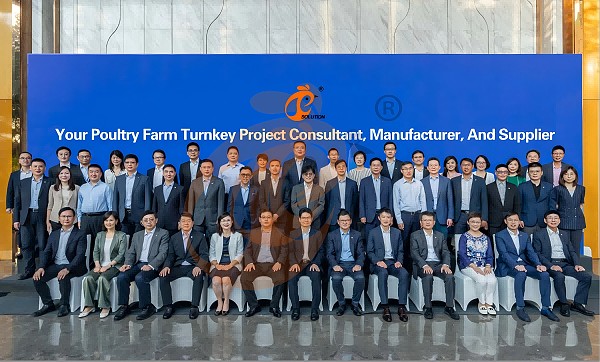
Hong Kong Headquarter Management Team
Hong Kong Headquarter Taiyu Industrial Group CO., LTD
China Hebei Best Machinery And Equipment CO., LTD
Nigeria Vanke Machinery And Equipment CO., LTD
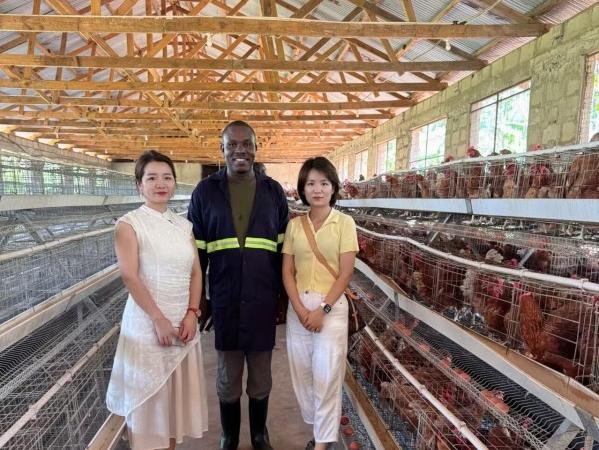
Tanzania Best Machinery And Equipment CO., LTD
Ethiopia Best Hebei Machinery Manufacturing PLC




Reception /24 WhatsApp NO. : +8618830120193
PRODUCTS RECOMMENDED
 China Branch Manufacture Poultry Farm EquipmentRead More
 Ethiopia Branch Manufacture Poultry Farm EquipmentRead More
 Nigeria Branch Manufacture Poultry Farm EquipmentRead More
 Tanzania Branch Manufacture Poultry Farm EquipmentRead More
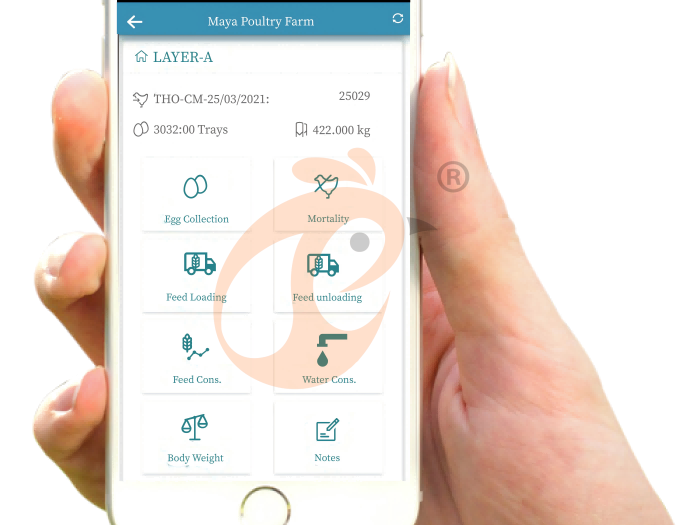
 IoT Smart Poultry FarmRead More
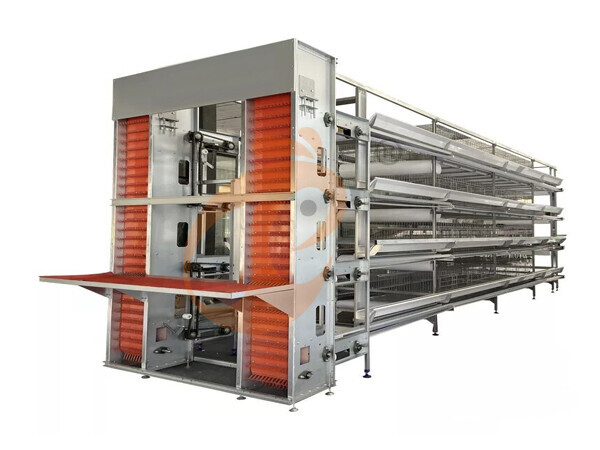
 >30,000 Layers Automatic H Type Battery CageRead More
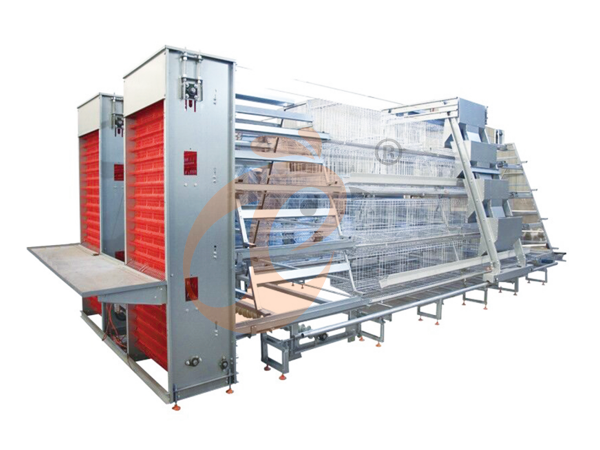
 10,000 - 30,000 Layers Automatic A Type Battery CageRead More
MESSAGE
NEWS
 50,000 - 100,000 chickens/house: poultry farm solution, chicken cage, poultry farm equipment, AI smart managementRead More
 30,000 - 50,000 chickens/house: poultry farm solution, chicken cage, poultry farm equipment, AI smart managementRead More
 10,000 - 30,000 chickens/house: poultry farm solution, chicken cage, poultry farm equipment, AI smart managementRead More
 100 - 10,000 chickens/house: poultry farm solution, chicken cage, poultry farm equipment, AI smart managementRead More