

BLOG
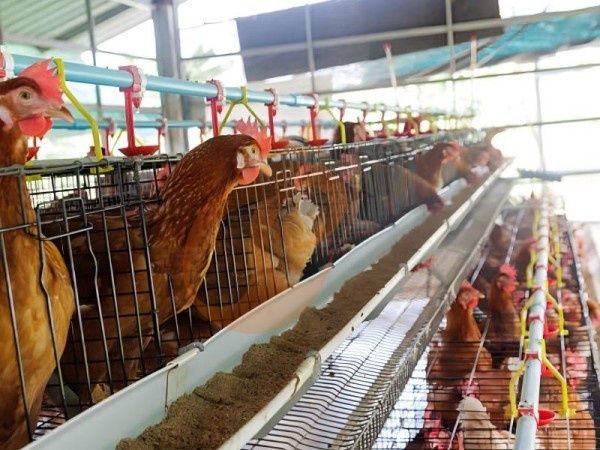
The Ethiopian poultry industry is rapidly growing and modernizing with A-type chicken cage systems.
Farmers face logistical and environmental challenges during import and transport processes.
Proper site preparation ensures stable installation and optimized egg production.
Component management reduces delays caused by missing or damaged parts.
System calibration improves feeding, watering efficiency, and bio-security.
Get professional poultry farm construction guidance, equipment selection solutions, and the latest price lists, whatsApp to +8618830120193, click to learn more:

Ethiopia Branch Office And Factory Of Poultry Farm Equipment
Step 1: Navigating The Logistics From Djibouti To The Ethiopian Heartland
For most Ethiopian farmers, the journey of an A-type chicken cage system begins at the port of Djibouti.
This is the first ''pain point.'' The transition from sea to land involves rigorous customs checks and a long haul via the Galafi or Tajoura border posts.
Given Ethiopia's high import duties and the complexity of the L/C (Letter of Credit) process, ensuring that your cargo is packed efficiently is vital to minimize container costs.
An A-type system for layers is bulky; it includes frames, cages, troughs, and automated manure removal belts.
Data is for reference only. Swipe horizontally to view full table.
Efficiency at this stage prevents demurrage, expensive daily fees when containers sit too long at the Mojo Dry Port.
Step 2: Safe Inland Transportation Across Rugged Terrains
Once equipment clears the Mojo or Akaki customs, the inland journey begins.
Ethiopia's road network has improved, but reaching farms in rural Oromia or Southern Nations requires navigating steep gradients and unpaved last-mile roads.
For A-type chicken cages, the primary risk is structural deformation.
If cages are compressed or vibrated excessively, feeding trough alignment may be ruined, causing feed waste.
We recommend using flatbed trucks with reinforced suspension.
All galvanized components should be separated by protective foam or plastic sheeting to prevent white rust from humidity in Rift Valley regions.
Data is for reference only. Swipe horizontally to view full table.
During the Kiremt rainy season, trucks must be fully waterproof to prevent water ingress that causes oxidation.
Step 3: Site Preparation And Foundation Engineering
A common mistake in Ethiopian poultry farms is underestimating the weight of fully loaded A-type chicken cages.
A 4-tier A-type system filled with 1.8-kg layers and full feed troughs exerts immense pressure on the floor.
In areas with black cotton soil, common around Addis Ababa, the foundation must be reinforced to prevent sinking or tilting.
A tilt of 2 cm across a 50-meter row can disrupt egg collection and cause nipple drinker leaks.
Data is for reference only. Swipe horizontally to view full table.
Altitude affects ventilation. In Addis Ababa (2,355 m), oxygen levels are lower, making proper airflow critical.
Step 4: Unboxing And Component Inventory Management
Unorganized unloading often leads to lost fasteners or damaged PVC pipes.
In rural areas, sourcing specific M6 stainless steel bolts is difficult, so structured component management is essential.
Categorize components into structural, functional, and electrical groups.
Pay close attention to nipple drinking lines, which may become brittle in strong sun exposure.
Data is for reference only. Swipe horizontally to view full table.
Assign a Parts Captain to track small components and prevent project delays in rural markets.
Step 5: Structural Installation And Precise Alignment
The A-frame forms the skeleton of your poultry operation.
Labor is affordable, but technical knowledge of cage geometry is limited in many regions.
During installation, use a spirit level and laser alignment tool.
Ensure the egg slope is 7–8° to prevent eggs from cracking or staying inside cages.
Data is for reference only. Swipe horizontally to view full table.
Remove burrs to prevent comb and foot injuries, reducing infection risks.
Step 6: System Calibration And Bio-Security Integration
Calibration of feeding, watering, and manure removal systems is critical.
Water quality varies across Ethiopia, so filtration systems are mandatory.
A-type systems support high-density birds, requiring strict bio-security measures.
Data is for reference only. Swipe horizontally to view full table.
Chicken manure is valuable fertilizer for coffee and flower farms.
Automated or deep-pit removal systems optimize hygiene and productivity.
Frequently Asked Questions
Q1: How to transport an A-type poultry cage system safely in Ethiopia?
A1: Use reinforced trucks, secure stacks, and protect galvanized surfaces from moisture and vibration.
Q2: What foundation requirements are needed for A-type chicken cages?
A2: Concrete C-25 or higher, reinforced floor 150 mm thick, ±2 mm leveling per 10 meters.
Q3: How to prevent damage to nipple drinkers during installation?
A3: Organize components, avoid sun exposure, and assign a parts captain for tracking.
Ethiopia Best Hebei Machinery Manufacturing Plc - One Of Ethiopia Largest Poultry Cage Manufacturer
HB BEST provides global factory direct sales for high-quality poultry farm equipment.
The company offers complete turn-key solutions including chicken cages and feeding systems.
Our services ensure precise installation and calibration for optimal egg production.
We provide high-quality poultry cage systems with reliable zinc coating and durable frames.
HB BEST supports clients with efficient logistics and local Ethiopian customer assistance.
Contact Us To Received Your Customized Poultry Farm Plan
Headquarters And Branchs

Hong Kong Headquarter Management Team
Hong Kong Headquarter Taiyu Industrial Group CO., LTD
China Hebei Best Machinery And Equipment CO., LTD
Nigeria Vanke Machinery And Equipment CO., LTD
Tanzania Best Machinery And Equipment CO., LTD
Ethiopia Best Hebei Machinery Manufacturing PLC




Reception /24 WhatsApp NO. : +8618830120193
PRODUCTS RECOMMENDED
 China Branch Manufacture Poultry Farm EquipmentRead More
 Ethiopia Branch Manufacture Poultry Farm EquipmentRead More
 Nigeria Branch Manufacture Poultry Farm EquipmentRead More
 Tanzania Branch Manufacture Poultry Farm EquipmentRead More
 IoT Smart Poultry FarmRead More
 >30,000 Layers Automatic H Type Battery CageRead More
 10,000 - 30,000 Layers Automatic A Type Battery CageRead More
MESSAGE
NEWS
 What Makes A Factory-Direct A Type Chicken Battery Cage More Cost-Effective? 4 ReasonsRead More
 Deep Litter System For Broilers Vs Cage | Which Is More Profitable?Read More
 Free Range Broiler System Vs Intensive Farming | Which Is More Profitable?Read More
 Broiler Floor Rearing System Cost | 6 Factors Affecting PriceRead More