

BLOG
Ethiopian H type chicken cage systems are increasingly used to support efficient egg production in expanding urban markets.
Rapid population growth in Addis Ababa and other cities increases demand for stable egg supply chains.
Vertical poultry housing allows farmers to increase bird capacity without expanding farmland.
Automated feeding and egg collection systems improve operational efficiency in commercial farms.
Modern poultry equipment helps Ethiopian farms transition from traditional backyard production.
Get professional poultry farm construction guidance, equipment selection solutions, and the latest price lists, whatsApp to +8618830120193, click to learn more:

Ethiopia Branch Office And Factory Of Poultry Farm Equipment
Overview Of The Ethiopian Layer Farming Industry
Poultry production in Ethiopia is dominated by smallholder systems, especially in rural areas where indigenous chickens are commonly raised.
These birds are resilient to local climates but typically produce fewer eggs compared with improved layer breeds used in commercial farms.
Commercial farms in regions such as Oromia Region and Amhara Region increasingly adopt improved breeds and modern housing systems to meet growing urban egg demand.
Data is for reference only.Swipe horizontally to view full table.
Urbanization and rising incomes are driving higher egg demand, encouraging farmers to shift from traditional free-range systems toward intensive layer production.
Challenges Facing Ethiopian Egg Producers
Despite growing demand, many Ethiopian poultry farms encounter structural and management constraints that limit productivity.
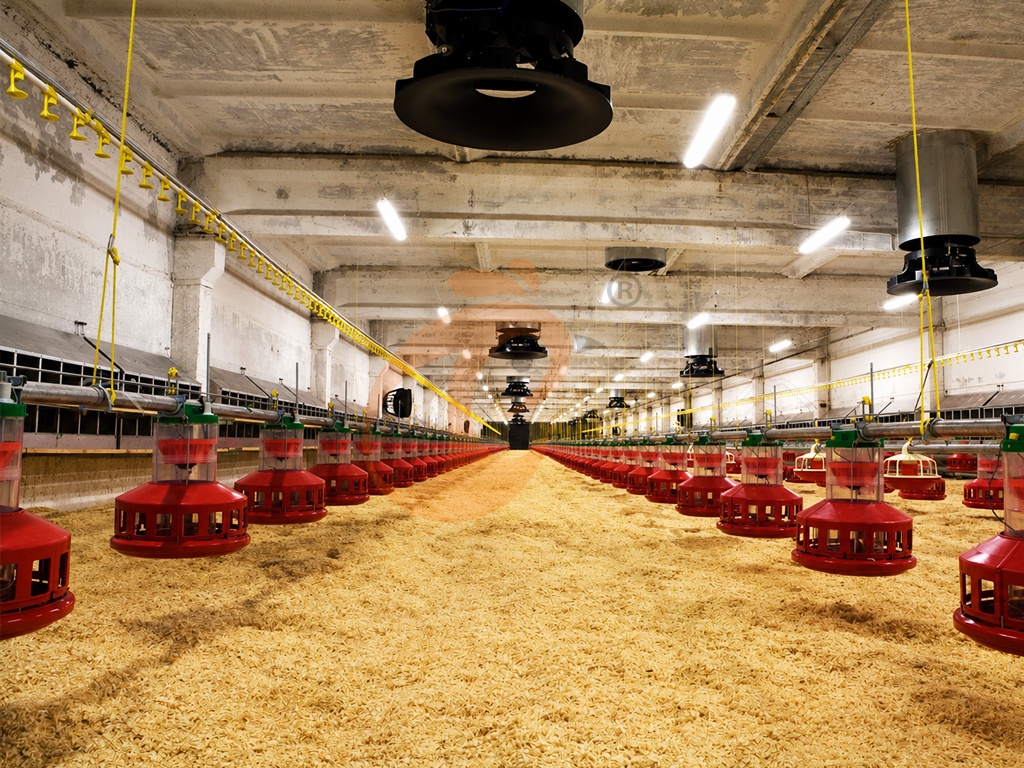
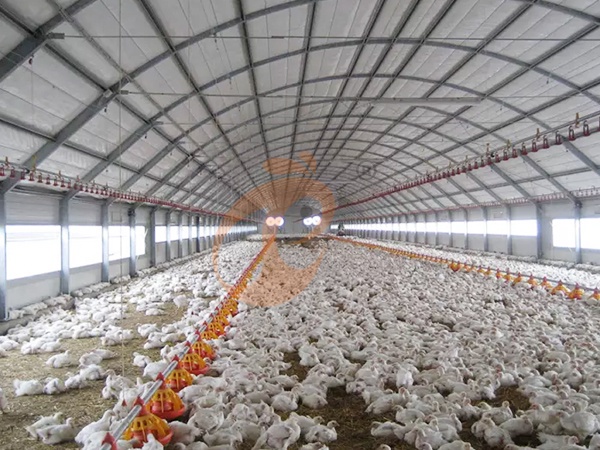
Traditional housing systems typically use floor rearing or simple cages, which restrict stocking density and require intensive labor.
Data is for reference only.Swipe horizontally to view full table.
These challenges highlight the need for structural innovations that improve management efficiency and increase production capacity without expanding land requirements.
Structural Design Of H-Type Layer Chicken Cages
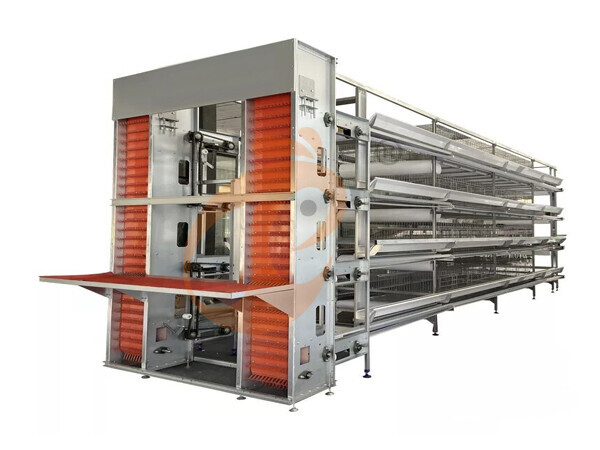
The H type chicken cage system is designed specifically for large-scale egg production.
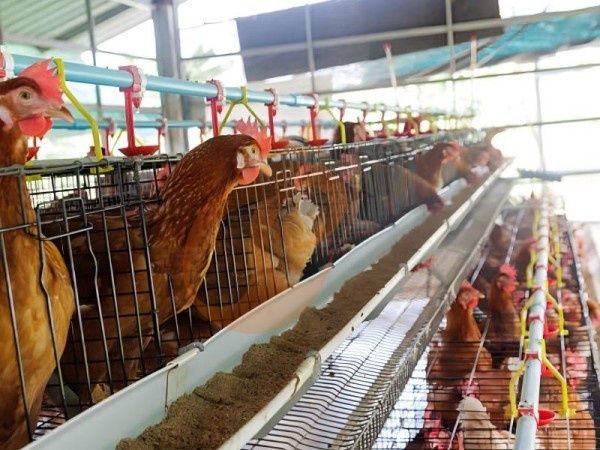
Unlike conventional cages, H-type structures use vertical stacking combined with automated systems for feeding, watering, egg collection, and manure removal.
Data is for reference only.Swipe horizontally to view full table.
The vertical arrangement allows poultry houses to accommodate significantly larger flocks compared with floor systems while maintaining organized management.
Space Utilization In High-Density Layer Farming
One of the most important advantages of high density layer chicken cage systems is efficient space utilization.
In densely populated regions of Ethiopia where farmland is limited, maximizing vertical space is essential for commercial poultry farms.
Data is for reference only.Swipe horizontally to view full table.
H-type cages significantly increase stocking capacity, allowing farms to maintain large flocks within compact buildings while reducing egg damage during collection.
This efficiency is particularly valuable in peri-urban Ethiopian farms where land prices are increasing.
Automation And Labor Efficiency
Labor availability and cost are important considerations in Ethiopian poultry operations.
Many farms rely on manual feeding and egg collection, which can limit operational efficiency.
Data is for reference only.Swipe horizontally to view full table.
Automated cage systems can reduce labor requirements dramatically.
Modern layer cages can allow one worker to manage approximately 15000 birds, significantly improving operational efficiency compared with manual systems.
Climate Adaptation For Ethiopian Poultry Houses
Ethiopia's climate varies from highland regions with cool temperatures to lowland areas with significant heat stress.
Maintaining stable environmental conditions is essential for consistent egg production.
Data is for reference only.Swipe horizontally to view full table.
Environmental sensors integrated into automated systems help maintain these conditions, improving bird welfare and productivity.
Such systems are particularly useful in regions like Oromia Region where poultry houses must adapt to seasonal climate fluctuations.
Economic Performance Of Layer Farms Using H-Type Cages
For Ethiopian farmers, the decision to invest in modern cages depends heavily on economic return.
Feed costs represent the largest operating expense in commercial poultry farming.
Data is for reference only.Swipe horizontally to view full table.
Feed typically accounts for the majority of operating expenses in Ethiopian poultry farms, making efficient feed distribution essential for profitability.
European union standard reference only.
Automated feeding systems in H-type cages ensure uniform feed allocation, improving feed conversion and supporting stable egg production.
Productivity Improvements From H-Type Cage Adoption
Modern cage systems have demonstrated measurable productivity improvements in Ethiopian poultry farms.
Data is for reference only.Swipe horizontally to view full table.
Modern cage systems can increase egg production efficiency by approximately 15–30 percent compared with traditional housing methods.
These improvements help farmers supply larger volumes of eggs to urban markets while maintaining cost control.
Case Example From Oromia Region
Practical experience from farms in the Oromia Region demonstrates how H-type cages transform poultry management.
After installing automated cage systems, farmers observed increased egg output and reduced labor demand.
Data is for reference only.Swipe horizontally to view full table.
These improvements show that well-designed cage systems enhance productivity and flock health in Ethiopian poultry farms.
Strategic Importance For Ethiopia's Egg Supply
Egg production is increasingly recognized as a critical component of Ethiopia's food security strategy.
Eggs provide affordable protein for both urban and rural populations, particularly for children and pregnant women.
By enabling higher density production and efficient management, H type chicken cage systems help Ethiopian farms expand egg supply without requiring extensive land expansion.
They also support biosecurity, automation, and improved environmental control, which are essential for modern poultry farming.
Frequently Asked Questions About H Type Chicken Cages In Ethiopian Layer Farms
Q1: What advantages do H type chicken cages provide for Ethiopian poultry farms?
A1: H type cages increase bird capacity within limited farm space, improve egg collection efficiency, and support automated management systems that reduce labor demand.
Q2: How do H type chicken cages improve egg production in Ethiopia?
A2: The cage structure allows better feed distribution, stable environmental control, and reduced egg damage during collection, which contributes to consistent egg output.
Q3: Are H type chicken cages suitable for Ethiopia's climate conditions?
A3: Yes, when combined with ventilation and environmental control systems, H type cages allow poultry houses to maintain appropriate temperature and humidity conditions across different Ethiopian regions.
Ethiopia Best Hebei Machinery Manufacturing Plc - One Of Ethiopia Largest Poultry Equipment Supplier
Global factory direct supply provides Ethiopian poultry farms with reliable poultry farm equipment and stable delivery schedules.
HB BEST specializes in manufacturing poultry cage systems designed for intensive egg production and large scale poultry houses.
The company offers comprehensive poultry farm equipment including feeding systems, drinking systems, manure removal systems, and environmental control equipment.
Professional engineering teams provide poultry farm planning and full Turn-key poultry project solutions from design to installation.
Long term technical support ensures Ethiopian poultry farms maintain stable operation and achieve efficient egg production performance.
Contact Us To Received Your Customized Poultry Farm Plan
Headquarters And Branchs

Hong Kong Headquarter Management Team
Hong Kong Headquarter Taiyu Industrial Group CO., LTD
China Hebei Best Machinery And Equipment CO., LTD
Nigeria Vanke Machinery And Equipment CO., LTD
Tanzania Best Machinery And Equipment CO., LTD
Ethiopia Best Hebei Machinery Manufacturing PLC
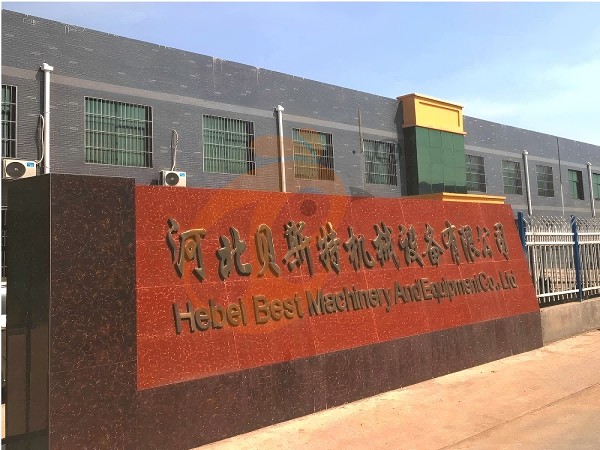
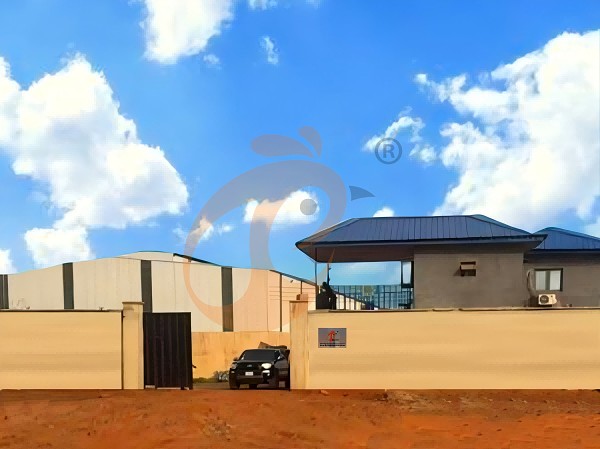
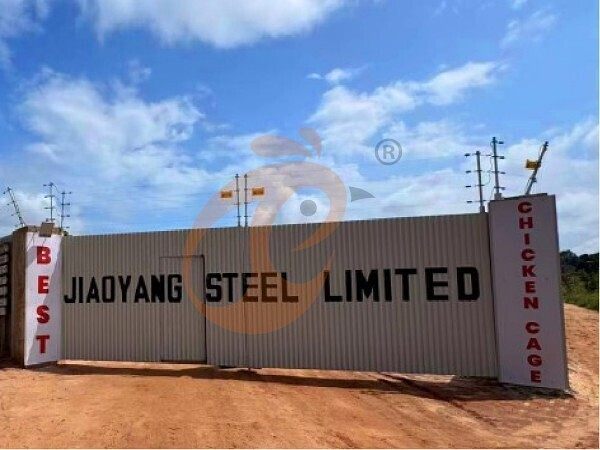

Reception /24 WhatsApp NO. : +8618830120193
PRODUCTS RECOMMENDED
 China Branch Manufacture Poultry Farm EquipmentRead More
 Ethiopia Branch Manufacture Poultry Farm EquipmentRead More
 Nigeria Branch Manufacture Poultry Farm EquipmentRead More
 Tanzania Branch Manufacture Poultry Farm EquipmentRead More
 IoT Smart Poultry FarmRead More
 >30,000 Layers Automatic H Type Battery CageRead More
 10,000 - 30,000 Layers Automatic A Type Battery CageRead More
MESSAGE
NEWS
 What Makes A Factory-Direct A Type Chicken Battery Cage More Cost-Effective? 4 ReasonsRead More
 Deep Litter System For Broilers Vs Cage | Which Is More Profitable?Read More
 Free Range Broiler System Vs Intensive Farming | Which Is More Profitable?Read More
 Broiler Floor Rearing System Cost | 6 Factors Affecting PriceRead More