

BLOG
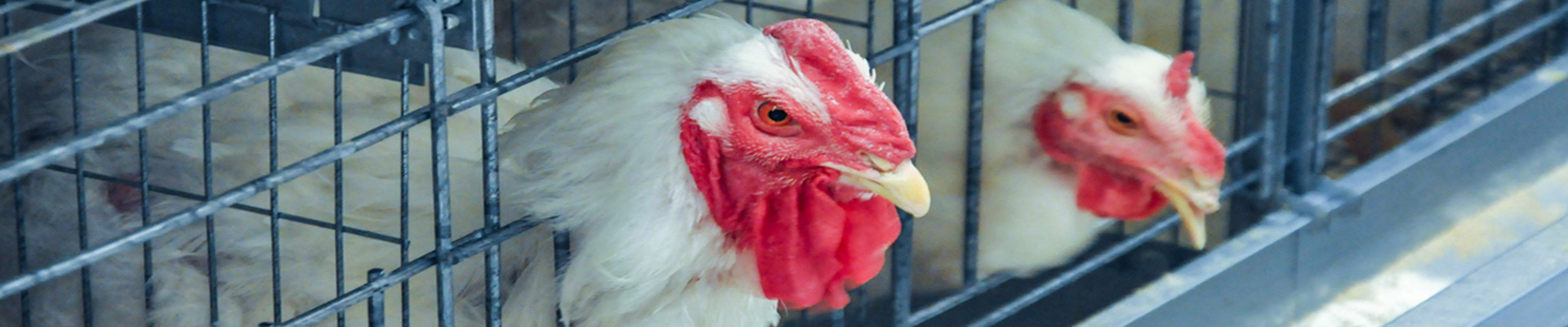
Galvanized H type chicken cage for layers systems support long-term egg production for Ethiopian poultry farms operating in diverse regional climates.
Layer housing modernization helps farmers increase egg supply for expanding urban markets such as Addis Ababa and surrounding Oromia zones.
Durable galvanized steel structures reduce corrosion risks in humid highlands and dusty Rift Valley environments.
Efficient egg collection systems improve product cleanliness and strengthen distribution to supermarkets, institutions, and local markets.
Vertical cage designs allow higher bird density inside limited poultry house space.
Get professional poultry farm construction guidance, equipment selection solutions, and the latest price lists, whatsApp to +8618830120193, click to learn more:

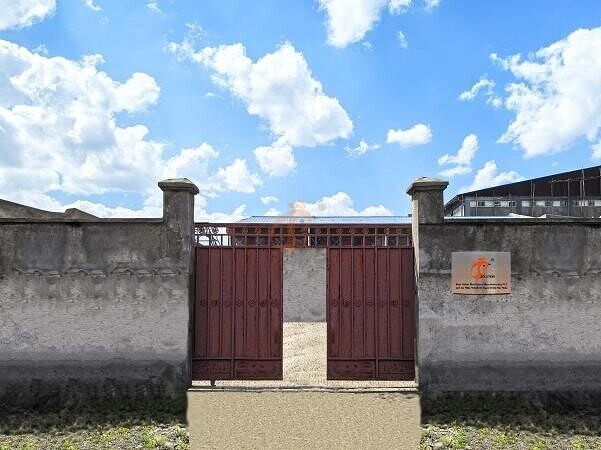
Ethiopia Branch Office And Factory Of Poultry Farm Equipment
The Growing Egg Production Demand In Ethiopia
Poultry farming plays a significant role in strengthening food security and rural income in Ethiopia.
Eggs remain one of the most accessible animal protein sources for households in urban centers such as Addis Ababa and expanding regional markets including Hawassa, Bahir Dar, and Dire Dawa.
Demand growth has encouraged many farmers to expand their layer hen populations.
As poultry farms increase in scale, long-term housing infrastructure becomes a key operational requirement.
Data is for reference only.Swipe horizontally to view full table.
The expansion of egg demand directly increases the importance of galvanized poultry chicken cage systems designed for layer hens.
Structural Design Adapted For Ethiopian Layer Farms
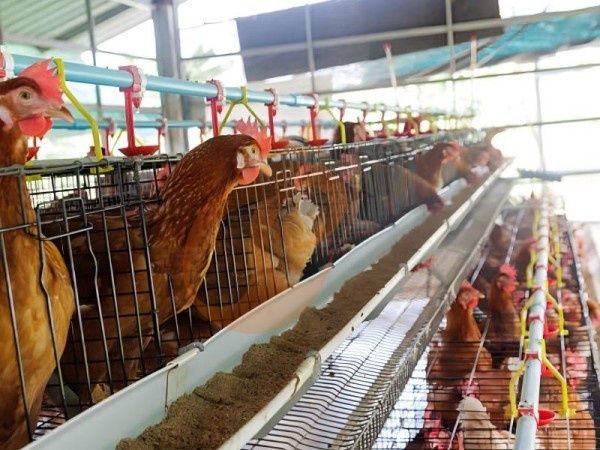
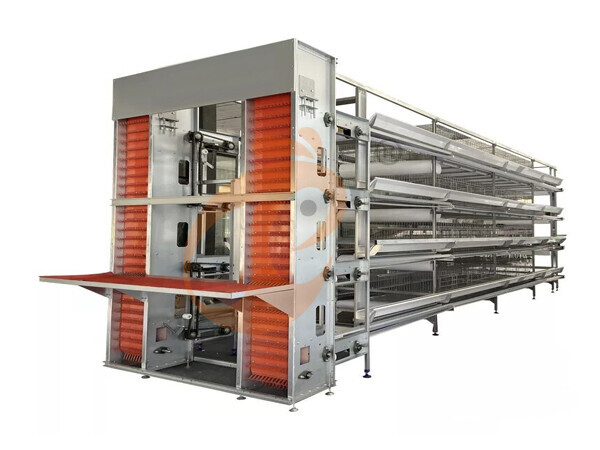
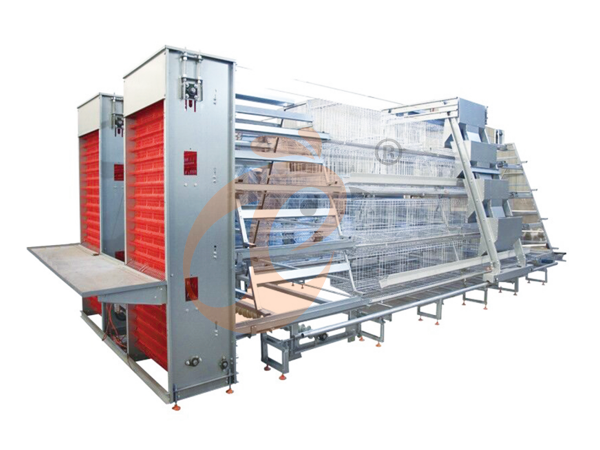
The H-type layer chicken cage configuration is widely used in commercial egg farms because it maximizes vertical space while maintaining stable bird management.
Ethiopian poultry farms often operate close to urban markets where land costs continue increasing.
Vertical cage structures allow farmers to raise larger flocks without expanding the building footprint.
Data is for reference only.Swipe horizontally to view full table.
This structural layout supports modern egg farms that depend on commercial layer chicken cages for efficient production planning.
The Importance Of Galvanization In Long-Term Cage Durability
Climatic conditions in Ethiopia vary significantly between highland and Rift Valley zones.
Seasonal humidity, dust, and temperature variation can accelerate corrosion in ordinary steel structures.
Galvanization applies a protective zinc layer that improves resistance to oxidation and environmental exposure.
Data is for reference only.Swipe horizontally to view full table.
For Ethiopian farms investing in long-term production, galvanization significantly reduces maintenance cycles and structural replacement requirements.
Efficient Space Utilization In Ethiopian Poultry Houses
Urban poultry farms located near Addis Ababa or regional towns often operate on limited land areas.
Optimizing bird capacity per building therefore becomes an important economic factor.
The vertical design of H-frame chicken cage systems allows farms to increase bird density while maintaining ventilation pathways inside poultry houses.
Data is for reference only.Swipe horizontally to view full table.
Higher bird density enables farms to supply eggs more efficiently to rapidly expanding Ethiopian urban markets.
Egg Collection Efficiency And Clean Egg Production
Maintaining egg cleanliness is an ongoing challenge in traditional poultry housing systems.
Eggs produced on litter floors frequently come into contact with manure or broken shells.
H-type layer chicken cages incorporate an egg rolling structure.
After laying, eggs gently move onto collection trays outside the cage, reducing contamination risks.
Data is for reference only.Swipe horizontally to view full table.
Improved egg quality supports stronger distribution to supermarkets and food service institutions.
Improved Disease Control For Layer Hens
Disease outbreaks represent a major operational challenge for Ethiopian poultry farms.
Regional cases of Newcastle disease and Avian Influenza occasionally affect poultry populations in East Africa.
Layer cage systems help reduce bird contact with manure because droppings fall through the wire floor into manure collection areas.
Data is for reference only.Swipe horizontally to view full table.
This housing arrangement contributes to improved biosecurity and flock monitoring.
Labor Efficiency For Expanding Poultry Enterprises
Labor availability varies across Ethiopian agricultural regions.
While rural labor may be available, trained poultry workers capable of managing large flocks remain limited.
Automated feeding lines and structured cage rows simplify routine farm operations.
Data is for reference only.Swipe horizontally to view full table.
Labor efficiency enables Ethiopian farms to manage larger layer populations with controlled staffing requirements.
Long-Term Cost Efficiency For Ethiopian Farmers
Although initial investment for galvanized H-type chicken cage systems is greater than traditional housing structures, long-term operational costs become more stable.
Reduced egg breakage, improved flock health, and lower maintenance requirements all contribute to long-term savings.
Data is for reference only.Swipe horizontally to view full table.
European union standard reference only.
These financial comparisons explain why many Ethiopian farms gradually adopt modern layer cage systems.
Adaptation To Ethiopian Feed And Water Systems
Feed supply for Ethiopian poultry farms often depends on maize, wheat bran, and oilseed meals produced locally.
Efficient feed distribution helps farmers control production costs while maintaining egg output levels.
H-type layer cages integrate feed troughs and nipple drinking systems designed for consistent access to feed and water.
Data is for reference only.Swipe horizontally to view full table.
These systems help Ethiopian farms maintain balanced feed utilization and stable laying performance.
Supporting The Future Of Egg Production In Ethiopia
Ethiopia's poultry sector continues progressing toward more modern production systems.
Government agricultural initiatives and private investments are encouraging improved farm technologies to strengthen national food security.
Galvanized H-type chicken cages provide a practical solution that addresses several operational challenges simultaneously.
They help farmers operate efficiently despite limited land, increasing egg demand, and the need for improved disease management.
For many Ethiopian poultry farms, adopting durable cage infrastructure represents an important step toward sustainable egg production.
Frequently Asked Questions
Q1: Why are galvanized H-type chicken cages suitable for long-term poultry farming?
A1: Galvanized cages contain protective zinc coatings that reduce corrosion and structural damage from humidity and dust conditions commonly found in Ethiopian poultry environments.
Q2: How do H-type chicken cages improve egg production efficiency?
A2: The vertical cage structure increases bird capacity inside poultry houses while automated egg rolling systems reduce breakage and improve egg cleanliness.
Q3: Are H-type chicken cages appropriate for large Ethiopian egg farms?
A3: Yes, these cages support high stocking density, simplified management, and durable infrastructure suitable for commercial layer farms operating many production cycles.
Ethiopia Best Hebei Machinery Manufacturing Plc - One Of Ethiopia Largest Chicken Cage Supplier
Global factory direct supply ensures poultry farm equipment delivered with consistent manufacturing standards and stable product performance.
Specialized engineering teams design poultry cage systems suitable for modern Ethiopian poultry farm environments.
Comprehensive poultry farm equipment range includes poultry cage systems, feeding lines, and ventilation infrastructure.
Turn-key poultry farm project services support complete planning, installation, and operational training for farmers.
International export experience supports poultry producers seeking reliable equipment supply and long-term technical service.
Contact Us To Received Your Customized Poultry Farm Plan
Headquarters And Branchs

Hong Kong Headquarter Management Team
Hong Kong Headquarter Taiyu Industrial Group CO., LTD
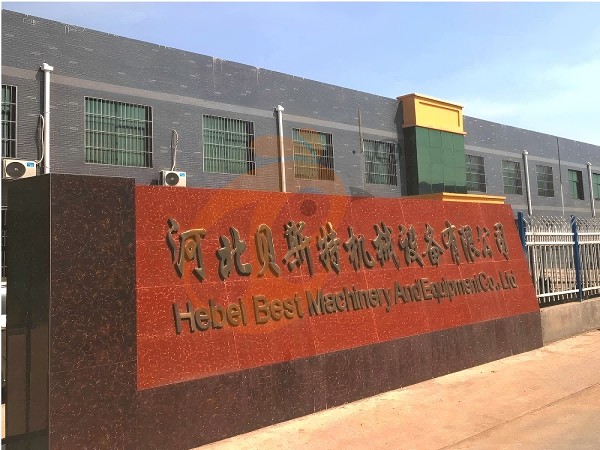
China Hebei Best Machinery And Equipment CO., LTD
Nigeria Vanke Machinery And Equipment CO., LTD
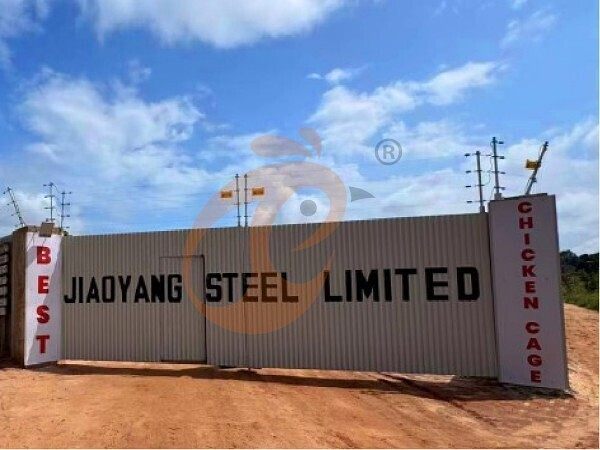
Tanzania Best Machinery And Equipment CO., LTD
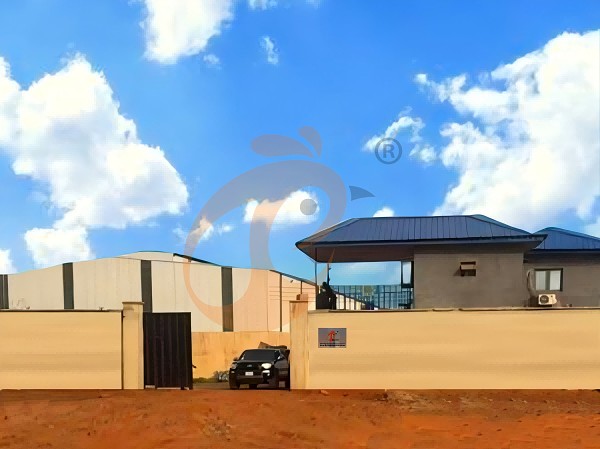
Ethiopia Best Hebei Machinery Manufacturing PLC
Reception /24 WhatsApp NO. : +8618830120193
PRODUCTS RECOMMENDED
 China Branch Manufacture Poultry Farm EquipmentRead More
 Ethiopia Branch Manufacture Poultry Farm EquipmentRead More
 Nigeria Branch Manufacture Poultry Farm EquipmentRead More
 Tanzania Branch Manufacture Poultry Farm EquipmentRead More
 IoT Smart Poultry FarmRead More
 >30,000 Layers Automatic H Type Battery CageRead More
 10,000 - 30,000 Layers Automatic A Type Battery CageRead More
MESSAGE
NEWS
 What Makes A Factory-Direct A Type Chicken Battery Cage More Cost-Effective? 4 ReasonsRead More
 Deep Litter System For Broilers Vs Cage | Which Is More Profitable?Read More
 Free Range Broiler System Vs Intensive Farming | Which Is More Profitable?Read More
 Broiler Floor Rearing System Cost | 6 Factors Affecting PriceRead More