

BLOG
Industrial layer chicken cage lifespan is essential for Ethiopian poultry farmers to plan investments effectively.
Understanding Ethiopian poultry cage durability helps optimize egg production efficiency and hen welfare.
Commercial layer farming Ethiopia faces challenges from local climate, material availability, and maintenance practices.
Proper planning ensures sustainable operations, reduces unexpected costs, and enhances farm profitability.
Knowledge of cage lifespan informs decisions on preventive maintenance, replacement schedules, and farm expansion strategies.
Get professional poultry farm construction guidance, equipment selection solutions, and the latest price lists, whatsApp to +8618830120193, click to learn more:

Ethiopia Branch Office And Factory Of Poultry Farm Equipment
Overview H-Type Layer Cage Systems In Ethiopia
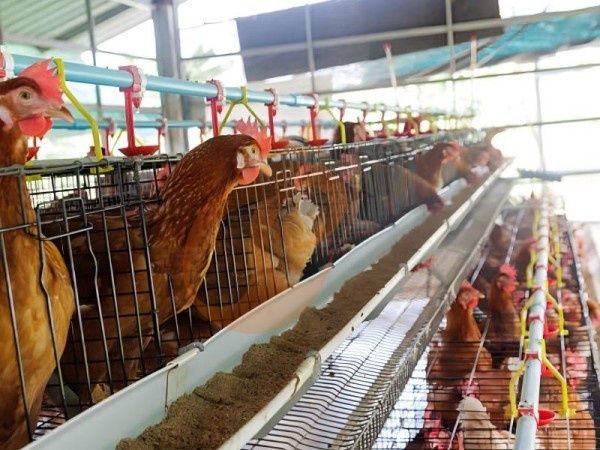
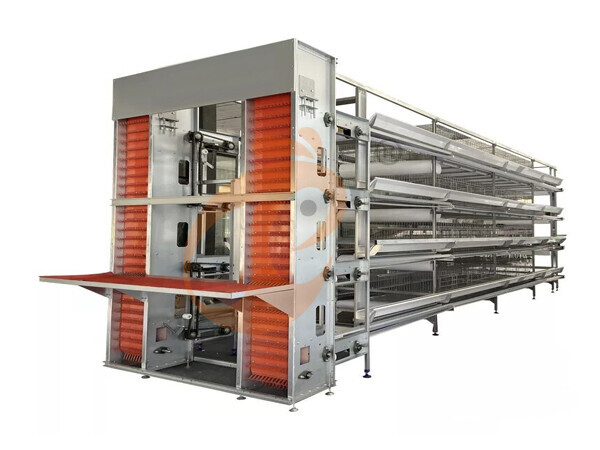
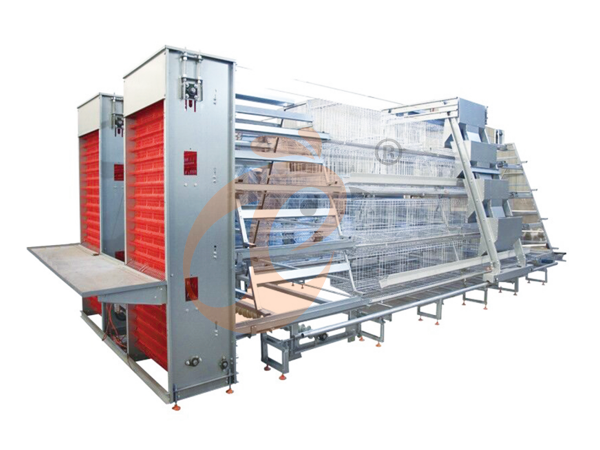
In commercial egg production, H-type layer chicken cages support multiple hens per unit with arranged tiers and walk-in access.
In Ethiopia, farms adopting H-type systems aim to improve production efficiency, reduce labor requirements, and comply with emerging animal welfare expectations.
Durability depends on environmental conditions, maintenance practices, and material quality.
H-type cages generally consist of metal frames, wire mesh floors, feeder systems, and collection conveyors.
Each design element interacts with Ethiopian climatic and operational conditions such as dust from dry seasons, humidity in rainy months, and constrained access to spare components affecting expected lifespan.
Adopting H-type cages is a strategic choice in Ethiopian commercial layer farming Ethiopia, improving production reliability and capital utilization.
Defining Lifespan For Industrial Layer Cages
Lifespan refers to the period during which the chicken cage system remains functional, safe for hens, and economically viable without requiring replacement.
It excludes routine maintenance tasks like replacing feed troughs or quick-wear parts.
Lifespan is influenced by
Corrosion resistance of materials
Wear of moving components (feeders, droppings belts)
Stress from stocking density
Impact of climate and farm management routines
Factors unique to Ethiopia such as variability in utilities, feed quality fluctuations, and limited access to advanced coatings should be weighed when calculating realistic service life.
Typical Material And Structural Parameters
Data is for reference only. Swipe horizontally to view full table.
Caged systems on Ethiopian farms typically use galvanised or coated steel due to availability and relative cost-effectiveness.
Industrial layer chicken cage lifespan improves with proper selection of these materials.
Environmental Conditions And Lifespan Interactions
Ethiopian climatic variation affects chicken cage longevity.
Dry regions such as Afar present dust challenges, while humid highlands near Bahir Dar increase metal corrosion risk due to moisture.
Temperature cycles especially in highland areas create thermal expansion and contraction, stressing welds and fasteners.
These environmental factors directly influence Ethiopian poultry cage durability and overall production efficiency.
Commercial layer farming Ethiopia benefits from adjusting environmental management to mitigate these risks.
Expected Lifespan Of H-Type Layer Cages
In practical Ethiopian settings, an industrial H-type layer chicken cage installed and maintained with baseline practices demonstrates a service life between 8 to 15 years.
Data is for reference only. Swipe horizontally to view full table.
These ranges represent operational lifespan before major structural replacement is required.
Optimizing cage lifespan supports profitability and sustainability in industrial layer chicken cage operations.
Corrosion And Wear In Ethiopian Conditions
Data is for reference only. Swipe horizontally to view full table.
Identifying weak links and performing scheduled checks reduce the probability of unexpected failures.
In Ethiopian conditions, environmental monitoring is essential to extend chicken cage lifespan.
Maintenance Best Practices For Extended Lifespan
Routine care directly affects service life, especially in Ethiopian rural contexts where technicians and supplies may be distant.
Key practices include
Scheduled lubrication of droppings belt systems
Rapid replacement of feeders experiencing deformation
Periodic cleaning of cage floors and frames to remove corrosive buildup
Annual repainting or re-coating of exposed metals
Following these measures improves industrial layer chicken cage lifespan and supports commercial layer farming Ethiopia productivity.
Materials Selection Practical Ethiopian Insights
Data is for reference only. Swipe horizontally to view full table.
Ethiopian poultry cage durability can be improved by choosing materials according to farm environment.
Industrial layer chicken cage lifespan is directly related to material selection.
Economic Implications Of Cage Lifespan
Longer service life delivers predictable depreciation schedules and lower replacement costs.
In Ethiopia, where access to finance can be limited, optimizing the cost-per-year of a cage system matters.
An investment of higher-grade materials may reduce lifetime cost compared with recurrent replacement of cheaper units.
Industrial layer chicken cage lifespan influences profitability and strategic planning in commercial layer farming Ethiopia.
Regional Challenges And Solutions
Regional Challenge Limited Spare Parts Access
In remote Ethiopian regions, delays in acquiring spare parts reduce uptime and can accelerate wear.
Solution
Farms can maintain a strategic inventory of common wear components, establish relationships with central suppliers in Addis Ababa or Dire Dawa, and train local personnel to perform minor repairs.
This approach improves Ethiopian poultry cage durability and ensures continuity in egg production.
Cohesive Production Systems And Cage Longevity
Cage lifespan is not isolated; it intersects with feed quality, water management, and bird health practices.
For example
Feed spillage increases corrosion risk due to fermented residues
Water leaks create localized humidity and accelerate metal degradation
Integrating farm management practices preserves industrial layer chicken cage lifespan and supports commercial layer farming Ethiopia efficiency.
Case Example Central Ethiopian Layer Farm
Data is for reference only. Swipe horizontally to view full table.
This example demonstrates that moderate maintenance can sustain operations beyond 8 years without significant compromise to egg output.
Industrial layer chicken cage lifespan is manageable with proper monitoring and repair schedules.
Lifespan And Hen Welfare In Ethiopia
Cage condition directly influences hen comfort and welfare.
Rusted mesh, sharp edges, or misaligned feeders can cause injury, reduce lay rates, and trigger mortality events all of which increase operating costs.
Ensuring cage integrity through lifespan preservation is a welfare necessity and an economic imperative.
Ethiopian poultry cage durability directly impacts hen productivity and commercial layer farming Ethiopia outcomes.
Strategic Planning For Replacement And Upgrades
Ethiopian producers should incorporate chicken cage lifespan projections into multi-year business plans.
Regular auditing of structural components and forecasting renewal cycles help avoid disruptive capital demands.
Integrated budgeting for coatings, spare parts, and professional servicing supports predictable operations.
Planning replacement schedules enhances industrial layer chicken cage lifespan and ensures continuity in commercial layer farming Ethiopia.
Impact Of Climate Variability On Lifespan
With Ethiopia's variable weather and increasing climate anomalies, farms must factor in;
Extended dry seasons that amplify dust generation
Unexpected humidity spikes in typical dry zones
Temperature swings that affect metal fatigue
Adapting environmental controls within poultry houses such as misting systems or enhanced ventilation reduces stress on cages and extends operational life.
Ethiopian poultry cage durability is sensitive to environmental management, influencing long-term production efficiency.
Final Evaluation Of H-Type Layer Cage Lifespan In Ethiopia
The typical service life for industrial H-type layer chicken cages in Ethiopian egg production ranges between 8 and 15 years, contingent upon materials, farm management practices, preventive care, and environmental conditions.
To leverage this lifespan effectively
Invest in appropriate materials and coatings
Implement structured maintenance programs
Train staff on recognition of early wear indicators
Plan strategically for replacement and reinvestment
Proper management ensures Ethiopian poultry cage durability supports commercial layer farming Ethiopia objectives.
Frequently Asked Questions
Q1: How long do industrial H-type chicken cages last in Ethiopia?
A1: With proper maintenance and material selection, cages typically last 8–15 years in Ethiopian farm conditions.
Q2: What factors reduce Ethiopian poultry cage lifespan?
A2: Corrosion, dust accumulation, ammonia buildup, temperature swings, and poor maintenance can reduce service life.
Q3: How can commercial layer farming Ethiopia extend cage durability?
A3: Selecting quality materials, implementing preventive maintenance, controlling dust and moisture, and training staff improves lifespan.
Ethiopia Best Hebei Machinery Manufacturing Plc - One Of Ethiopia Largest Industrial Layer Chicken Cage Manufacturer
HB BEST provides global factory direct sales, offering reliable poultry farm equipment for diverse Ethiopian farm scales.
The company supplies complete poultry cage systems optimized for industrial layer chicken cage lifespan.
HB BEST delivers turn-key engineering projects, ensuring seamless integration of H-type chicken cages on farms.
Professional after-sales service includes installation, maintenance guidance, and spare parts support throughout Ethiopia.
Products meet high-quality standards, combining durability, cost-efficiency, and local operational suitability.
Contact Us To Received Your Customized Poultry Farm Plan
Headquarters And Branchs

Hong Kong Headquarter Management Team
Hong Kong Headquarter Taiyu Industrial Group CO., LTD
China Hebei Best Machinery And Equipment CO., LTD
Nigeria Vanke Machinery And Equipment CO., LTD
Tanzania Best Machinery And Equipment CO., LTD
Ethiopia Best Hebei Machinery Manufacturing PLC




Reception /24 WhatsApp NO. : +8618830120193
PRODUCTS RECOMMENDED
 China Branch Manufacture Poultry Farm EquipmentRead More
 Ethiopia Branch Manufacture Poultry Farm EquipmentRead More
 Nigeria Branch Manufacture Poultry Farm EquipmentRead More
 Tanzania Branch Manufacture Poultry Farm EquipmentRead More
 IoT Smart Poultry FarmRead More
 >30,000 Layers Automatic H Type Battery CageRead More
 10,000 - 30,000 Layers Automatic A Type Battery CageRead More
MESSAGE
NEWS
 What Makes A Factory-Direct A Type Chicken Battery Cage More Cost-Effective? 4 ReasonsRead More
 Deep Litter System For Broilers Vs Cage | Which Is More Profitable?Read More
 Free Range Broiler System Vs Intensive Farming | Which Is More Profitable?Read More
 Broiler Floor Rearing System Cost | 6 Factors Affecting PriceRead More