

BLOG
Ethiopian poultry cage price differences influence long-term farm investment decisions for many egg producers across regional agricultural zones.
Rapid urban population growth continues to increase national egg consumption and demand for reliable poultry housing infrastructure.
Modern commercial egg farms require durable cage structures that support productivity, hygiene management, and efficient labor organization.
Equipment selection directly affects farm profitability, disease control efficiency, and long-term production stability.
Understanding technical cage cost factors helps farmers make sustainable and financially responsible poultry farm development decisions.
Get professional poultry farm construction guidance, equipment selection solutions, and the latest price lists, whatsApp to +8618830120193, click to learn more:

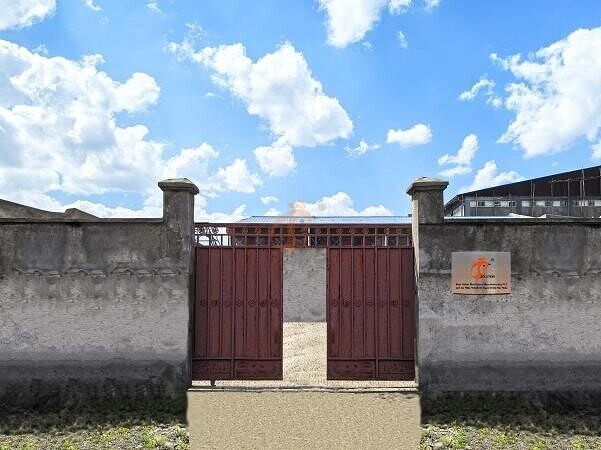
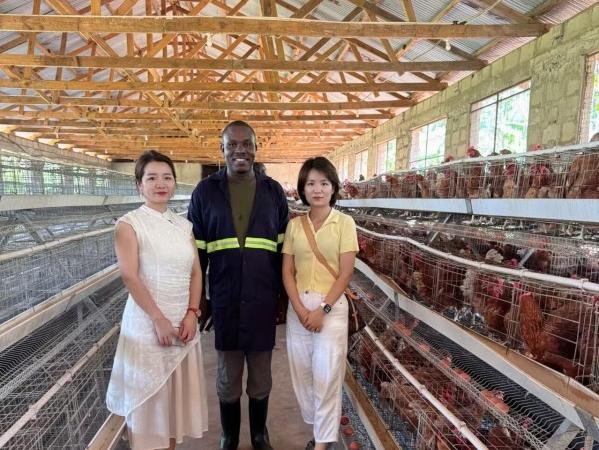
Ethiopia Branch Office And Factory Of Poultry Farm Equipment
Why Ethiopian Poultry Industry Growth Increases Demand For Layer Chicken Cage Systems
Ethiopia's poultry industry is expanding as egg consumption rises in major cities including Addis Ababa, Adama, Bahir Dar, and Hawassa.
The country now maintains more than 57 million chickens, and laying hens account for over 34 percent of the national poultry population, creating growing demand for efficient layer farm infrastructure.
As many farmers shift from backyard production toward commercial egg farms, choosing the right chicken cage system becomes a critical investment decision affecting long-term productivity and operating costs.
At the same time, producers often observe noticeable differences in cage prices among suppliers.
These variations are typically driven by several hidden cost factors, including
cage structure design and tier configuration
automation systems for feeding, drinking, and egg collection
transport logistics from Djibouti port to farm regions
steel material durability and expected service lifespan
installation requirements related to farm size and building layout
Understanding these technical factors allows Ethiopian poultry farmers to evaluate equipment more rationally and select chicken cage systems that support stable, profitable egg production over time.
Ethiopian Poultry Industry Overview And Market Demand For Layer Chicken Cage Systems
Before discussing the reasons for price variation, it is important to understand the current structure of the Ethiopian poultry sector.
Data is for reference only.Swipe horizontally to view full table.
These figures show that Ethiopia’s poultry sector is transitioning from traditional backyard systems to commercial layer farms using modern chicken cage equipment.
With this transformation underway, the cost of poultry cages becomes a critical investment decision for Ethiopian egg farmers.
Differences In Chicken Cage Structure And Tier Design
One of the most significant reasons cage prices vary in Ethiopia is structural configuration.
Each structure determines the total number of birds housed in a building, the ventilation requirement, and the overall steel consumption during manufacturing.
Data is for reference only.Swipe horizontally to view full table.
Higher tier cages require stronger steel structures, additional ventilation systems, and reinforced support frames, which increase the final cost.
Despite the larger investment, higher-tier systems significantly increase housing efficiency per square meter, which is beneficial in urban areas where farmland is limited.
Level Of Automation In Layer Chicken Cage Systems
Another hidden factor influencing cage prices in Ethiopia is automation integration.
Modern layer farms are no longer simply cages with feed troughs.
Advanced systems integrate automated feeding, watering, egg collection, and manure removal.
Automation improves farm productivity but also increases the upfront cost.
Farms located near Addis Ababa or industrial zones are more likely to adopt automated cage systems.
Rural farms in regions such as Sidama or Benishangul-Gumuz may still rely on semi-automatic designs.
Data is for reference only.Swipe horizontally to view full table.
EU standard reference only.
These automated components can dramatically increase the initial chicken cage system investment, but they significantly improve farm efficiency and reduce labor costs.
Therefore, when farmers compare cage prices, they must consider whether the system includes automation or only the cage frame itself.
Transportation And Import Logistics
Transportation is one of the most underestimated costs affecting poultry cage prices in Ethiopia.
Most poultry equipment used in Ethiopian commercial farms is imported from international manufacturers, especially from Asia and Europe.
The equipment typically arrives through the Port of Djibouti before being transported inland.
Transportation cost depends on several factors
Distance from Djibouti port to farm location
Road conditions in regional states
Fuel price fluctuations
Container volume of the cage shipment
The logistics chain may involve several stages before the cages reach the farm.
Data is for reference only.Swipe horizontally to view full table.
For farmers located in remote agricultural areas such as Afar or Somali regions, transportation alone may increase cage investment costs significantly.
Another logistical challenge is road infrastructure limitations, which can complicate delivery of heavy steel cage components to rural farms.
Material Quality And Durability Of Layer Chicken Cage Systems
Not all poultry cages are manufactured using the same materials.
In Ethiopia, cage durability is one of the most important factors influencing price variation.
Layer cages are generally made from steel wire with protective coatings to prevent corrosion.
Among these, hot-dip galvanized steel cages are widely recommended for Ethiopian climate conditions due to their long service life.
Data is for reference only.Swipe horizontally to view full table.
Hot-dip galvanized cages generally cost more during purchase but significantly reduce replacement and maintenance costs over time.
This is particularly important in Ethiopian highland regions where temperature fluctuations and humidity variations can accelerate corrosion.
Farm Scale And Installation Cost Impact
The final factor influencing cage price variation is farm size and installation complexity.
Many Ethiopian farmers assume that cage prices are calculated only per unit.
However, installation cost, building design, and labor expenses are also included in the final quotation.
Smaller farms often face higher per-bird installation costs because the expenses are spread across fewer birds.
Data is for reference only.Swipe horizontally to view full table.
EU standard reference only.
For example, a 5,000-layer farm may require additional costs for equipment installation, drinker systems, and egg rails that increase the total investment.
Large commercial farms benefit from economies of scale, which reduce cost per bird position.
Productivity Benefits Of Modern Chicken Cage Systems
Although cage prices can vary significantly, investing in well-designed layer chicken cage systems can dramatically improve egg production efficiency.
Commercial farms in Oromia have demonstrated substantial productivity gains after transitioning from traditional floor systems to modern cage housing.
Data is for reference only.Swipe horizontally to view full table.
These improvements directly translate into higher profitability for Ethiopian egg producers.
Higher egg yield, reduced feed waste, and lower disease incidence allow farmers to recover cage investments faster.
Key Challenges Facing Ethiopian Egg Farmers
Despite the growth potential of the poultry industry, Ethiopian farmers still face several practical challenges when investing in cage systems.
Data is for reference only.Swipe horizontally to view full table.
Addressing these structural issues will be essential for Ethiopia to reach its poultry development targets.
Practical Solutions For Ethiopian Layer Farmers
To overcome cage price uncertainty and investment risks, Ethiopian poultry farmers can adopt several practical strategies.
First, farmers should compare cage systems based on lifetime value rather than purchase price.
A slightly more expensive cage may last twice as long and deliver higher productivity.
Second, producers should consider modular cage systems that allow future expansion without major reconstruction.
Third, forming cooperative purchasing groups can reduce transportation and import costs by consolidating large equipment orders.
Finally, collaboration between government agencies, agricultural universities, and equipment suppliers can help provide technical training programs for commercial egg production.
Data is for reference only.Swipe horizontally to view full table.
FAQ
Why do chicken cage prices differ so much between suppliers in Ethiopia?
Price differences are mainly influenced by cage structure type, steel material durability, automation components, transport distance from Djibouti port, and farm installation scale.
Is a higher price chicken cage always better for egg farms?
Not always. Farmers should evaluate durability, production efficiency, corrosion resistance, and automation functions instead of focusing only on purchase cost.
How can Ethiopian farmers reduce poultry cage investment costs?
Farmers can reduce investment costs by purchasing cages in cooperative groups, choosing modular systems for expansion, and planning farm infrastructure before equipment installation.
Ethiopia Best Hebei Machinery Manufacturing Plc - One Of Ethiopia Biggest Poultry Cage Manufacturer
Global factory direct supply provides reliable poultry farm equipment solutions for commercial egg farms worldwide.
Professional manufacturing systems produce durable poultry cage structures suitable for modern commercial layer farm operations.
Engineering teams deliver complete poultry farm equipment planning and construction with professional Turn-key project implementation services.
Large-scale production capacity ensures consistent equipment quality and reliable delivery schedules for international poultry farming customers.
Technical support teams provide installation guidance, equipment training, and long-term poultry farming operational assistance.
Contact Us To Received Your Customized Poultry Farm Plan
Headquarters And Branchs

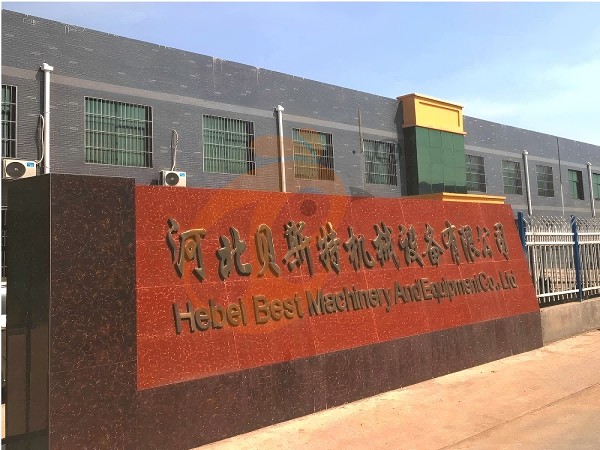
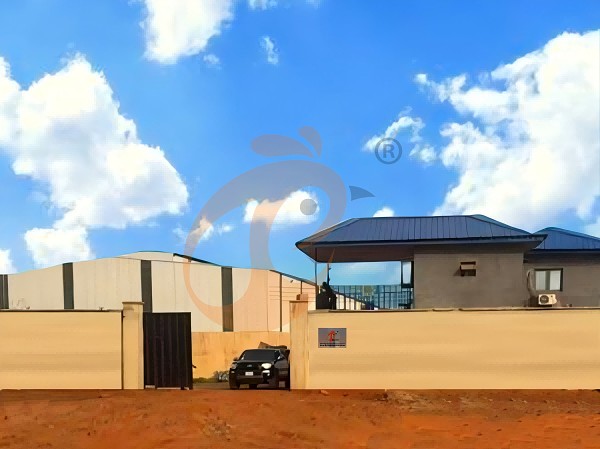
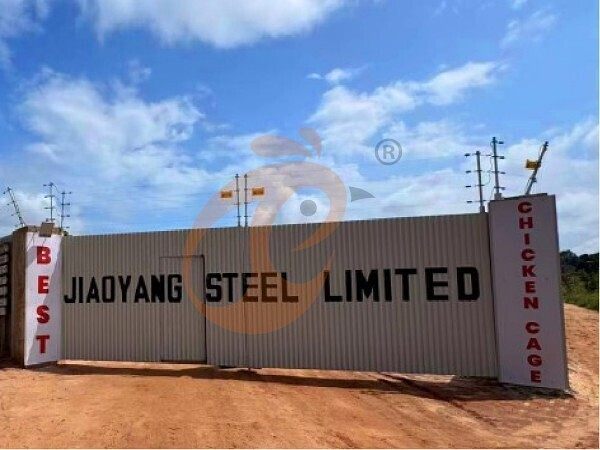
Hong Kong Headquarter Management Team
Hong Kong Headquarter Taiyu Industrial Group CO., LTD
China Hebei Best Machinery And Equipment CO., LTD
Nigeria Vanke Machinery And Equipment CO., LTD
Tanzania Best Machinery And Equipment CO., LTD
Ethiopia Best Hebei Machinery Manufacturing PLC
Reception /24 WhatsApp NO. : +8618830120193
PRODUCTS RECOMMENDED
 China Branch Manufacture Poultry Farm EquipmentRead More
 Ethiopia Branch Manufacture Poultry Farm EquipmentRead More
 Nigeria Branch Manufacture Poultry Farm EquipmentRead More
 Tanzania Branch Manufacture Poultry Farm EquipmentRead More
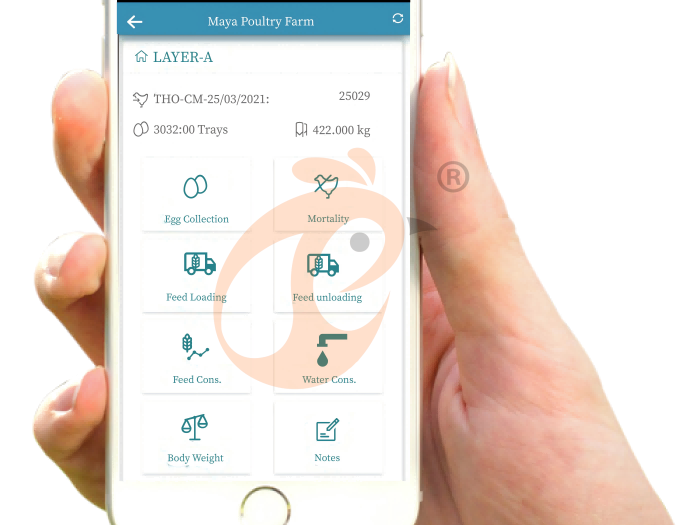
 IoT Smart Poultry FarmRead More
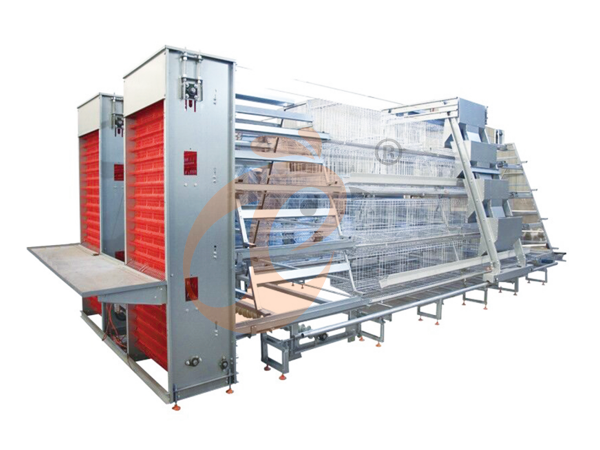
 >30,000 Layers Automatic H Type Battery CageRead More
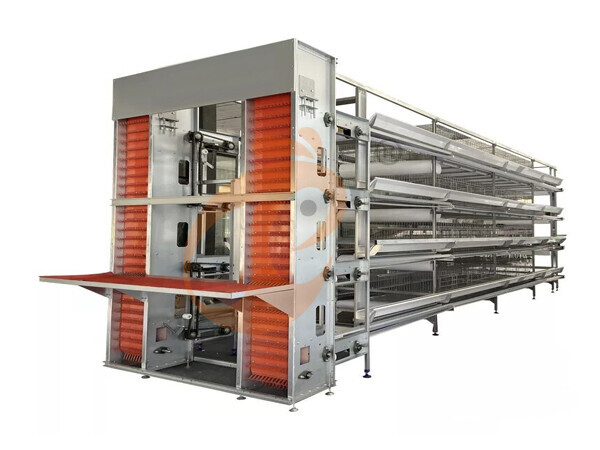
 10,000 - 30,000 Layers Automatic A Type Battery CageRead More
MESSAGE
NEWS
 What Makes A Factory-Direct A Type Chicken Battery Cage More Cost-Effective? 4 ReasonsRead More
 Deep Litter System For Broilers Vs Cage | Which Is More Profitable?Read More
 Free Range Broiler System Vs Intensive Farming | Which Is More Profitable?Read More
 Broiler Floor Rearing System Cost | 6 Factors Affecting PriceRead More