

BLOG
Ethiopia chicken cage farm is increasingly popular among investors.
A-type layer system Ethiopia provides practical efficiency and cost savings.
Commercial poultry farming Ethiopia adapts well to highland climates and urban demand.
This article covers technical setup, economic analysis, biosecurity, and nutrition requirements.
Each scenario demonstrates practical strategies for peri-urban, mid-tier, industrial, and cooperative farms.
Focused information includes feed conversion, egg production, and vaccination schedules.
Readers gain actionable insights to optimize cage placement and farm scale.
Guidance addresses local challenges including feed scarcity, Forex, and power instability.
Get professional poultry farm construction guidance, equipment selection solutions, and the latest price lists, whatsApp to +8618830120193, click to learn more:

Ethiopia Branch Office And Factory Of Poultry Farm Equipment
Technical Foundation: The A-Type Configuration
Before selecting a scale, one must understand the hardware.
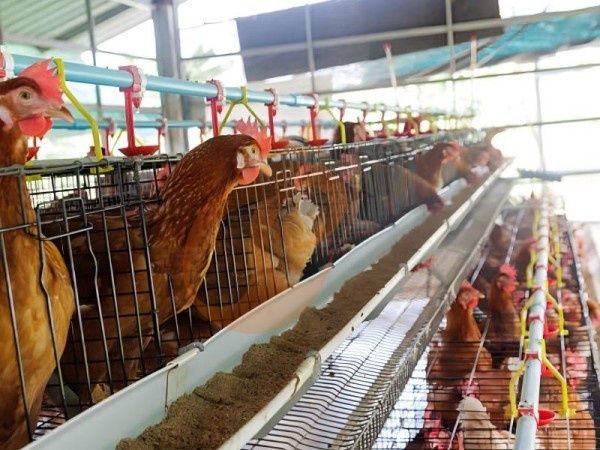
The A-type chicken cage is named for its triangular frame, which allows manure to fall directly to the floor or a pit without the need for complex belt systems.
In Ethiopia, where power outages are frequent, this manual or semi-automated simplicity is a major operational advantage.
A-type layer system Ethiopia ensures durability and efficiency under local climate conditions.
Data is for reference only. Swipe horizontally to view full table.
Scenario 1: The Peri-Urban Smallholder (500 – 2,000 Birds)
This scenario is typical for investors in the outskirts of Bishoftu (Debre Zeit) or Sebeta.
At this scale, the goal is to supply local souqs (small shops) and cafes.
The primary constraint here is land cost and the lack of automated infrastructure
In this scenario, the A-type 3-tier system is dominant.
It allows for natural ventilation, which is vital in the temperate climate of the highlands.
Because the flock size is manageable, feeding and egg collection are done manually, reducing initial capital expenditure.
The main Ethiopian pain point here is often the high cost of imported pre-mixed feed.
Data is for reference only. Swipe horizontally to view full table.
Scenario 2: The Commercial Mid-Tier (5,000 – 10,000 Birds)
This is the sweet spot for the emerging Ethiopian middle class looking to diversify assets.
These farms are commonly located in the Modjo–Adama corridor, benefiting from proximity to major grain processing hubs.
The main challenge here is transition stress.
At 10,000 birds, manual manure removal becomes labor-intensive and biosecurity risks increase.
The A-type system at this scale should include semi-automated watering (nipple drinkers) to ensure hygiene.
In Ethiopia, Newcastle Disease and Gumboro remain major threats.
A mid-tier chicken cage system provides physical separation to prevent rapid flock-wide infection seen in deep-litter systems.
Data is for reference only. Swipe horizontally to view full table.
Scenario 3: The Industrial Enterprise (20,000+ Birds)
Industrial-scale farming is essential to meet the needs of Addis Ababa hotel sector and industrial parks.
These farms usually utilize 4-tier A-type chicken cages to maximize the birds-per-square-meter ratio.
Land lease prices in Oromia’s special zones have risen.
A dedicated generator is essential to ensure continuous operation.
The system must switch to manual mode if automated feeding scrapers or manure belts fail.
Feed logistics are the primary challenge.
Large-scale farms often include their own small feed mill to bypass retail feed supplier markup.
Data is for reference only. Swipe horizontally to view full table.
Scenario 4: The Rural Cooperative Model (Aggregated Small Units)
The government encourages cluster farming.
Multiple farmers in a Woreda each manage 1,000-bird A-type units.
This decentralizes disease and power failure risk while centralizing market access.
Standardized chicken cages ensure uniform egg size and yolk color.
Deep orange yolks are often achieved by adding local marigold or alfalfa.
A-type cages can be disassembled and moved if land use rights change.
Data is for reference only. Swipe horizontally to view full table.
Overcoming The Ethiopian Pain Points: A Strategic Guide
The Forex & Import Hurdle
Most A-type chicken cages are imported from China.
The current Ethiopian Birr exchange rate makes cages expensive.
Solution: invest in high-spec cages with minimum 25-year lifespan.
Low-quality cages may rust within 3 years due to high ammonia, causing total investment loss.
Feed Scarcity
Maize and soy prices in Ethiopia are volatile.
Farmers can use local alternatives such as brewery spent grains.
Nutritional requirements must still meet layer needs.
Data is for reference only. Swipe horizontally to view full table.
Biosecurity: The Shield For Your Investment
In Ethiopia, biosecurity is often neglected until a catastrophe occurs.
A-type chicken cage system elevates birds from waste.
Waste contact is minimized, reducing disease risk.
Strict vaccination schedule is mandatory.
Data is for reference only. Swipe horizontally to view full table.
Frequently Asked Questions
Q1: What farm scale is ideal for A-type chicken cage Ethiopia?
A1: Mid-tier farms with 5,000–10,000 birds balance risk, investment, and labor.
Q2: Can small rural cooperatives succeed with A-type chicken cages?
A2: Yes, multiple 1,000-bird units in a cooperative reduce risk and centralize marketing.
Q3: How do A-type systems improve biosecurity in Ethiopia?
A3: Elevated cages separate birds from manure, reducing disease exposure.
Ethiopia Best Hebei Machinery Manufacturing Plc - One Of Ethiopia Largest Chicken Cage Supplier
HB BEST provides global factory direct sales, offering high-quality poultry farm equipment for local and international investors.
The company designs and delivers advanced poultry cage systems suitable for A-type layer and commercial farms.
HB BEST executes complete turn-key projects, including installation, technical training, and farm layout optimization.
Farmers can access modern poultry farm equipment, ensuring efficiency, biosecurity, and high egg production rates.
The supplier supports Ethiopian poultry projects with long-term maintenance and ongoing operation guidance.
Contact Us To Received Your Customized Poultry Farm Plan
Headquarters And Branchs

Hong Kong Headquarter Management Team
Hong Kong Headquarter Taiyu Industrial Group CO., LTD
China Hebei Best Machinery And Equipment CO., LTD
Nigeria Vanke Machinery And Equipment CO., LTD
Tanzania Best Machinery And Equipment CO., LTD
Ethiopia Best Hebei Machinery Manufacturing PLC




Reception /24 WhatsApp NO. : +8618830120193
PRODUCTS RECOMMENDED
 China Branch Manufacture Poultry Farm EquipmentRead More
 Ethiopia Branch Manufacture Poultry Farm EquipmentRead More
 Nigeria Branch Manufacture Poultry Farm EquipmentRead More
 Tanzania Branch Manufacture Poultry Farm EquipmentRead More
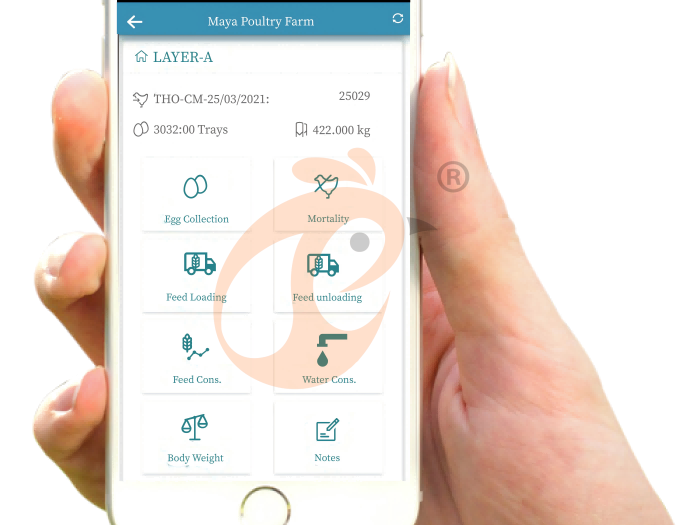
 IoT Smart Poultry FarmRead More
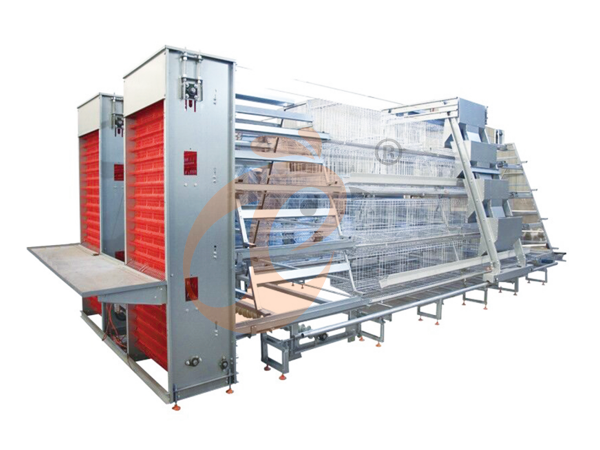
 >30,000 Layers Automatic H Type Battery CageRead More
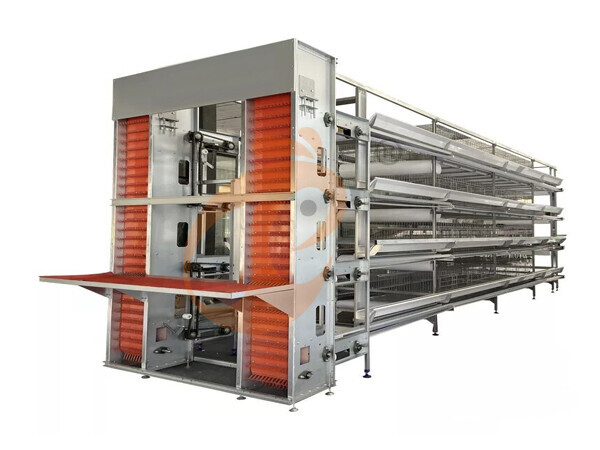
 10,000 - 30,000 Layers Automatic A Type Battery CageRead More
MESSAGE
NEWS
 What Makes A Factory-Direct A Type Chicken Battery Cage More Cost-Effective? 4 ReasonsRead More
 Deep Litter System For Broilers Vs Cage | Which Is More Profitable?Read More
 Free Range Broiler System Vs Intensive Farming | Which Is More Profitable?Read More
 Broiler Floor Rearing System Cost | 6 Factors Affecting PriceRead More