

BLOG
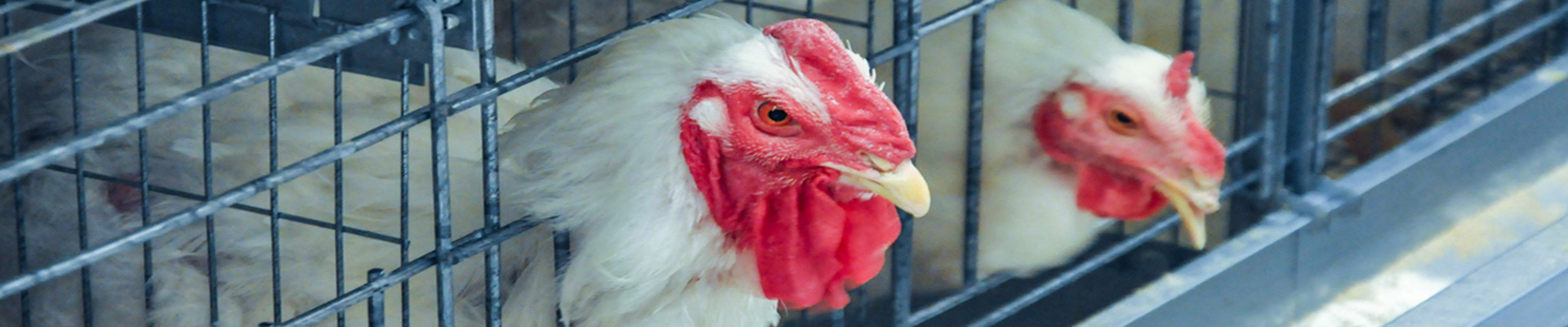
Automatic Ethiopian poultry cage system cost is a critical factor influencing farm investment decisions in modern egg production.
Rapid urban population growth increases demand for affordable eggs in major cities including Addis Ababa and Adama.
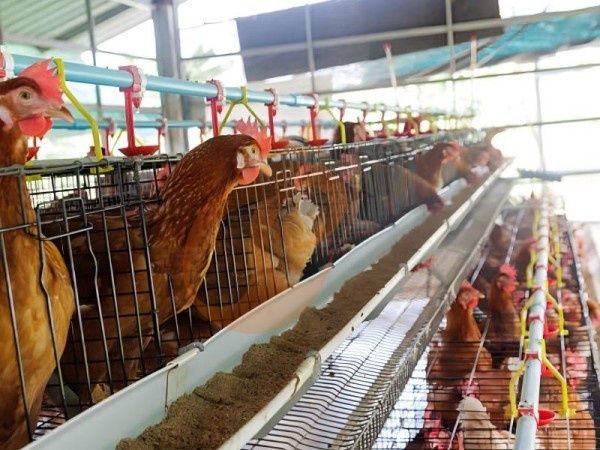
Modern chicken cage equipment helps farmers reduce labor requirements while improving egg production efficiency.
Multi-tier cage housing allows Ethiopian farms to increase bird density without expanding land area.
Automated feeding, drinking, and manure systems improve hygiene and long-term farm productivity.
Get professional poultry farm construction guidance, equipment selection solutions, and the latest price lists, whatsApp to +8618830120193, click to learn more:

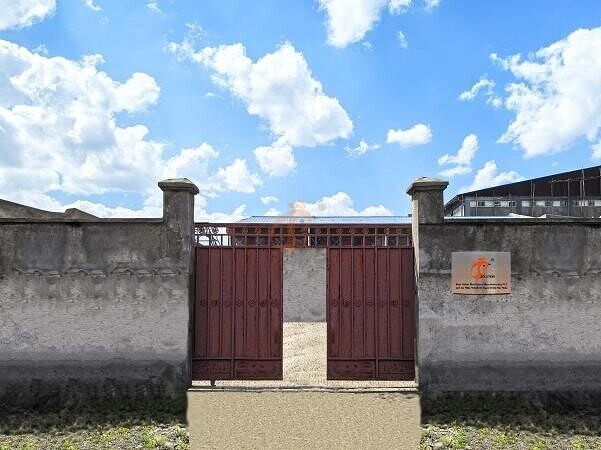
Ethiopia Branch Office And Factory Of Poultry Farm Equipment
Understanding Automatic Layer Cage Systems In Ethiopia
Ethiopia's poultry sector has been expanding rapidly as egg consumption rises in cities such as Addis Ababa, Adama, and Bahir Dar.
Eggs are increasingly viewed as an affordable protein source for a growing urban population.
However, many Ethiopian farms still rely on traditional production systems, which limit egg productivity and require more manual labor.
Modern automatic layer chicken cage systems therefore represent a strategic investment for commercial farms seeking improved efficiency and stable egg supply.
Data is for reference only.Swipe horizontally to view full table.
Automatic systems distribute feed evenly, maintain hygienic drinking water supply, and remove manure efficiently.
These features significantly improve egg production stability and reduce flock mortality in commercial Ethiopian farms.
Key Cost Factors For Poultry Cage Systems In Ethiopia
Before evaluating different investment levels, farmers should understand the main cost factors affecting poultry cage system prices in Ethiopia.
Data is for reference only.Swipe horizontally to view full table.
Hot-dip galvanized steel with zinc coating between 300 and 500 grams per square meter is commonly recommended for Ethiopian climate conditions.
Small Entry Layer Farm (3,000–5,000 Birds)
Many farmers entering commercial egg production begin with farms containing approximately 5,000 laying hens.
These farms are frequently located in regions such as Oromia Region and Amhara Region where land resources are available and market demand is growing.
A semi-automatic A-type chicken cage system is commonly selected at this stage.
Data is for reference only.Swipe horizontally to view full table.
European union standard reference only.
This level allows new Ethiopian farmers to enter commercial egg production with manageable capital requirements while improving bird management efficiency.
Growing Commercial Farm (10,000 Birds)
As egg demand continues increasing in Ethiopian urban markets, many farms expand to around 10,000 laying hens.
Data is for reference only.Swipe horizontally to view full table.
European union standard reference only.
This scale provides stronger operational efficiency and improved feed distribution management.
Many farms near Addis Ababa benefit from better road infrastructure and stable egg distribution networks.
Mid-Size Layer Operation (15,000 Birds)
A 15,000 bird egg farm represents a transitional development stage between small poultry farms and industrial production.
Automation becomes increasingly important for labor efficiency and flock health management.
Data is for reference only.Swipe horizontally to view full table.
Automation reduces feed waste and helps maintain consistent egg production performance.
Standard Commercial Farm (20,000 Birds)
A 20,000 bird egg farm represents a typical commercial poultry investment scale in Ethiopia.
Data is for reference only.Swipe horizontally to view full table.
European union standard reference only.
This scale is widely adopted in regions supplying eggs to supermarkets and wholesale markets.
Large Automated Egg Farm (30,000 Birds)
Large farms supplying major Ethiopian cities often operate approximately 30,000 laying hens.
Data is for reference only.Swipe horizontally to view full table.
European union standard reference only.
Automated egg collection reduces labor pressure and improves egg transportation efficiency inside the poultry house.
Industrial Layer Complex (50,000+ Birds)
Large integrated poultry enterprises in Ethiopia are beginning to build farms containing more than 50,000 laying hens.
Data is for reference only.Swipe horizontally to view full table.
European union standard reference only.
These farms are often integrated with feed mills and egg processing facilities to support large regional markets.
Technical Parameters Of Modern Layer Cage Systems
Understanding cage system specifications helps Ethiopian farmers select durable and productive equipment.
Data is for reference only.Swipe horizontally to view full table.
High-quality galvanized steel structures allow poultry equipment to perform reliably under varying Ethiopian climate conditions.
Major Challenges Facing Ethiopian Egg Farms
Despite strong market potential, Ethiopian egg producers face several operational challenges.
Feed costs represent the largest expense in poultry production.
Limited automation in older farms increases labor requirements.
Equipment logistics through Djibouti port increases transportation expenses.
Manure management problems may increase disease risks.
Practical Solutions For Ethiopian Poultry Farmers
Several strategies can help Ethiopian farmers improve egg production efficiency and long-term profitability.
Adopting multi-tier chicken cage systems increases stocking density without expanding land area.
Installing automatic feeding equipment improves feed distribution consistency.
Nipple drinking systems maintain clean water supply and reduce disease risks.
Automated manure removal improves farm hygiene and environmental conditions.
Well-managed layer farms using chicken cage systems can maintain egg production rates between 90–98 percent.
Frequently Asked Questions
Q1: How much does an automatic poultry cage system cost in Ethiopia?
The investment depends on farm scale and automation level.
Small farms may invest around 1 million Birr while large industrial farms may invest over 10 million Birr for fully automated equipment systems.
Q2: What cage system is commonly used for egg farms in Ethiopia?
A-type and H-frame chicken cage systems are widely used because they allow efficient egg production and good ventilation inside poultry houses.
Q3: What farm size is suitable for new egg farmers in Ethiopia?
Many new farmers start with 3,000 to 5,000 laying hens because this scale requires moderate investment and manageable farm operations.
Ethiopia Best Hebei Machinery Manufacturing Plc - One Of Ethiopia Largest Poultry Cage Manufacturer
HB BEST provides global factory direct poultry farm equipment solutions supporting egg farms across multiple continents.
The company designs advanced poultry cage systems with durable galvanized steel structures suitable for long-term farm operation.
Professional engineering teams deliver complete poultry farm equipment planning and Turn-key poultry farm construction projects.
HB BEST integrates feeding systems, manure removal systems, egg collection equipment, and environmental control technology.
International logistics support ensures safe equipment delivery and installation services for modern commercial poultry farms.
Contact Us To Received Your Customized Poultry Farm Plan
Headquarters And Branchs

Hong Kong Headquarter Management Team
Hong Kong Headquarter Taiyu Industrial Group CO., LTD
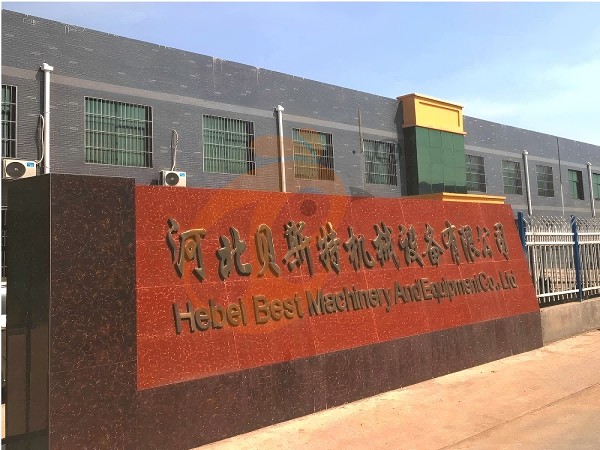
China Hebei Best Machinery And Equipment CO., LTD
Nigeria Vanke Machinery And Equipment CO., LTD
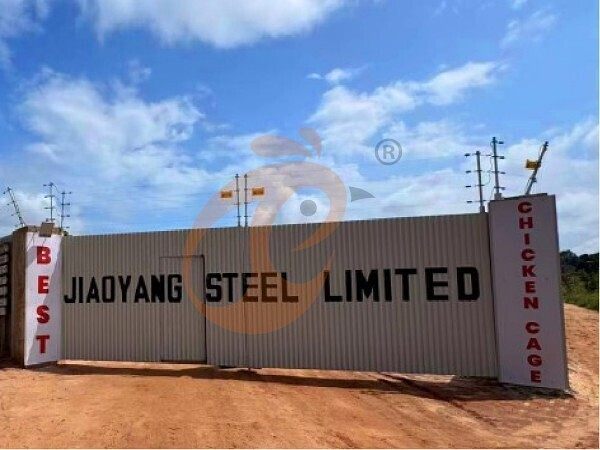
Tanzania Best Machinery And Equipment CO., LTD
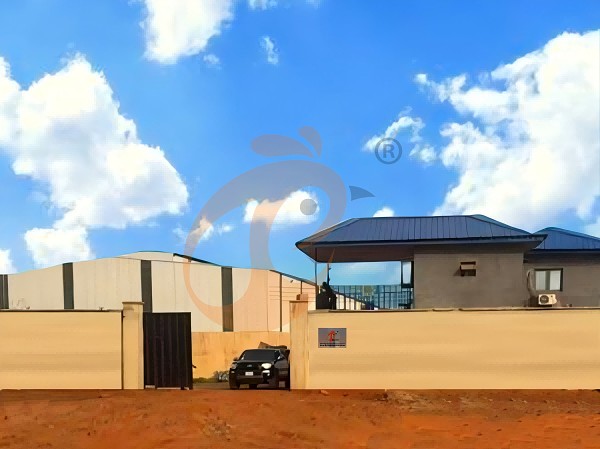
Ethiopia Best Hebei Machinery Manufacturing PLC
Reception /24 WhatsApp NO. : +8618830120193
PRODUCTS RECOMMENDED
 China Branch Manufacture Poultry Farm EquipmentRead More
 Ethiopia Branch Manufacture Poultry Farm EquipmentRead More
 Nigeria Branch Manufacture Poultry Farm EquipmentRead More
 Tanzania Branch Manufacture Poultry Farm EquipmentRead More
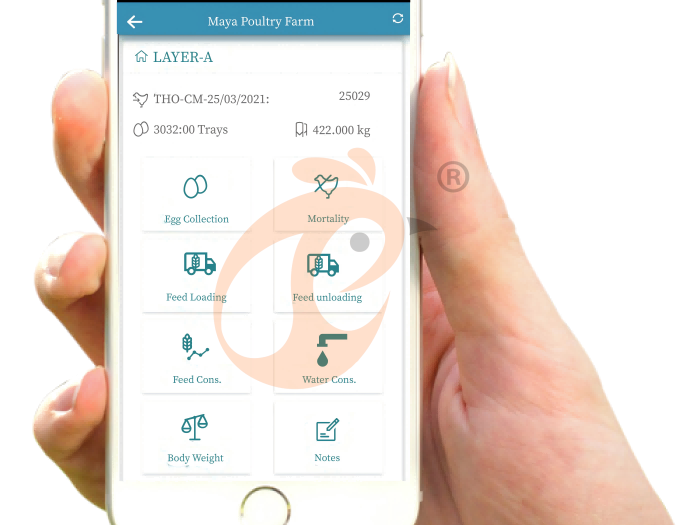
 IoT Smart Poultry FarmRead More
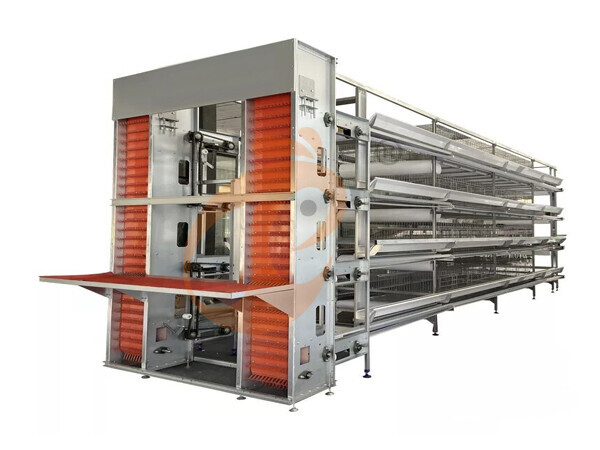
 >30,000 Layers Automatic H Type Battery CageRead More
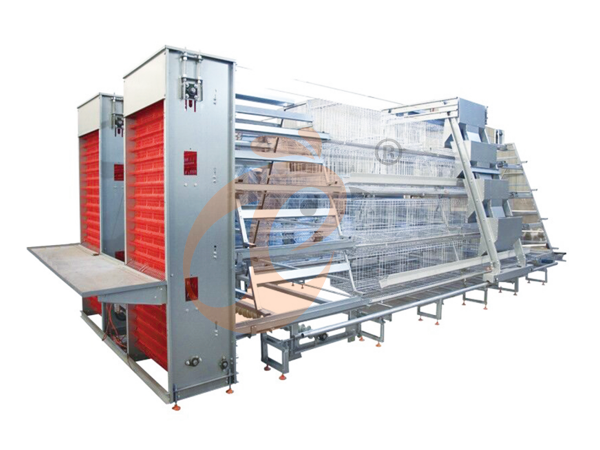
 10,000 - 30,000 Layers Automatic A Type Battery CageRead More

MESSAGE
NEWS
 What Makes A Factory-Direct A Type Chicken Battery Cage More Cost-Effective? 4 ReasonsRead More
 Deep Litter System For Broilers Vs Cage | Which Is More Profitable?Read More
 Free Range Broiler System Vs Intensive Farming | Which Is More Profitable?Read More
 Broiler Floor Rearing System Cost | 6 Factors Affecting PriceRead More