

BLOG
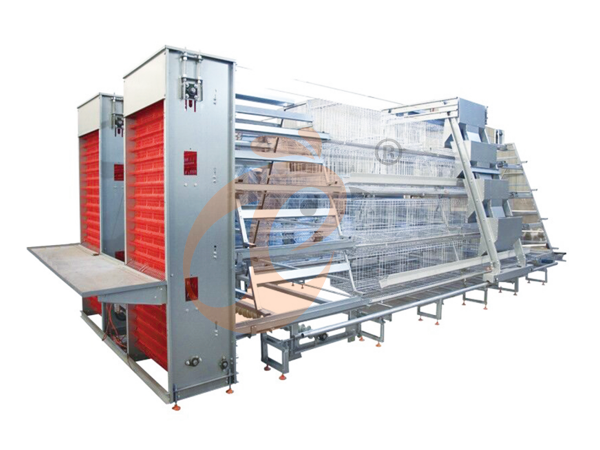
Industrial poultry cage systems integrate structural steel engineering and automated livestock management platforms.
Material selection determines corrosion resistance under ammonia exposure and humidity cycling environments.
Multi-tier cage architecture improves stocking density and spatial utilization efficiency metrics.
Automation modules regulate feeding egg collection manure removal and environmental stabilization processes.
Lifecycle cost modeling incorporates depreciation logistics installation and energy consumption variables.
Get professional poultry farm construction guidance, equipment selection solutions, and the latest price lists, whatsApp to +8618830120193, click to learn more:
Material Quality And Steel Grade Selection
Steel selection defines the structural lifespan and maintenance cycle of poultry housing systems.
In corrosive ammonia environments, coating density and base metal stability directly determine long-term asset performance and failure rate control.
Data is for reference only.Swipe horizontally to view full table.
Higher zinc mass coverage correlates with slower oxidation progression and reduced structural maintenance frequency in intensive poultry operations.
Cage Structural Configuration Comparison
Cage geometry determines how efficiently vertical and horizontal space is converted into productive livestock capacity.
Engineering design must balance steel consumption, airflow dynamics, and maintenance accessibility.
Data is for reference only.Swipe horizontally to view full table.
Structural density increase improves land utilization efficiency but requires stronger load-bearing frame reinforcement and precision installation alignment.
Automation System Integration Cost
Automation determines operational dependency on manual labor and directly affects production stability across feeding cycles, egg
collection timing, and manure discharge consistency.
Data is for reference only.Swipe horizontally to view full table.
Automation integration improves production uniformity and reduces labor dependency by approximately 70–90 percent in H-type fully automated configurations.
Environmental Control Engineering Systems
Environmental stability directly influences egg production rate, feed conversion efficiency, and mortality control in confined poultry systems.
Proper airflow design prevents ammonia accumulation and heat stress conditions.
Data is for reference only.Swipe horizontally to view full table.
Stable microclimate control reduces heat stress mortality and maintains feed intake consistency during peak production cycles.
Multi Tier Capacity And Density Engineering
Layer expansion increases production density per unit footprint but introduces higher structural reinforcement demand and mechanical precision requirements for feeding and manure systems.
Data is for reference only.Swipe horizontally to view full table.
H-type cage engineering configurations typically support 4–16 layer structural combinations, with reinforced frame design required beyond 6 layers for stability control.
Logistics Supply Chain And Installation Cost
Poultry cage systems involve modular steel structures that require containerized logistics planning and precision on-site assembly to maintain system calibration accuracy.
Data is for reference only.Swipe horizontally to view full table.
Installation accuracy directly affects long-term equipment alignment, feeding track stability, and manure belt operational efficiency.
Structural Load Engineering And Mechanical Safety
Structural load distribution defines long-term system stability under continuous biological mass and mechanical vibration from automated equipment cycles.
Data is for reference only.Swipe horizontally to view full table.
Uneven load distribution accelerates fatigue failure in support beams and increases risk of conveyor system misalignment.
Investment Scale Engineering Model
Farm scale determines equipment density, automation requirement, and structural reinforcement level, which collectively define total capital allocation and operational efficiency thresholds.
Data is for reference only.Swipe horizontally to view full table.
For H-type industrial systems, recommended operational scale is 30000–100000 birds per unit farm design, ensuring optimal equipment utilization efficiency.
Frequently Asked Questions Section
Q1: What is the production efficiency of H-type cage systems?
H-type cage systems typically achieve 90–98 percent laying rate under stable environmental control conditions, depending on breed selection, lighting program, and feed formulation consistency.
Q2: What is the feed conversion efficiency in H-type cage farming?
Feed conversion ratio in H-type automated systems generally ranges between 1.9–2.1, influenced by temperature stability, ventilation rate, and feed particle uniformity.
Q3: What egg weight range is expected in H-type production systems?
Standard egg weight in optimized H-type cage systems is maintained at 60–65 grams, depending on hen age, nutrition balance, and production cycle stage.
Taiyu (HK) Group - One Of China Largest Poultry Battery Cage System Supplier
Poultry battery cage system engineered with Q235 steel structure and hot dip galvanized coating technology ensuring service lifespan exceeding 25+ years in H-type configuration.
Global factory direct manufacturing supporting A type cage and H type multi tier poultry housing systems for commercial farms.
Turn key poultry engineering solutions integrating feeding systems egg collection systems manure removal and climate control automation modules.
Industrial poultry equipment export supply chain covering large scale farm installation and structural steel cage system customization services.
Professional poultry farming infrastructure supplier delivering high density H-type cage systems optimized for 30000–100000 bird industrial production scale.
Contact Us To Received Your Customized Poultry Farm Plan
Headquarters And Branchs

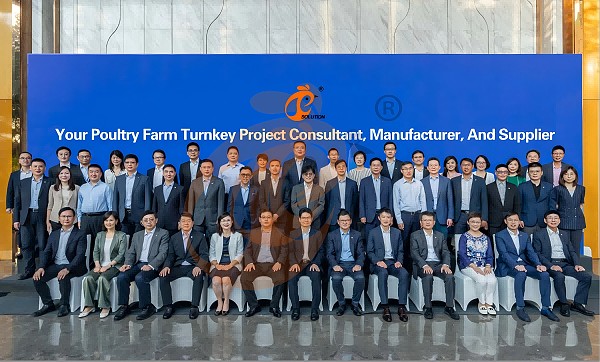
Hong Kong Headquarter Management Team
Hong Kong Headquarter Taiyu Industrial Group CO., LTD
China Hebei Best Machinery And Equipment CO., LTD
Nigeria Vanke Machinery And Equipment CO., LTD
Tanzania Best Machinery And Equipment CO., LTD
Ethiopia Best Hebei Machinery Manufacturing PLC




Reception /24 WhatsApp NO. : +8618830120193
PRODUCTS RECOMMENDED
 China Branch Manufacture Poultry Farm EquipmentRead More
 Ethiopia Branch Manufacture Poultry Farm EquipmentRead More
 Nigeria Branch Manufacture Poultry Farm EquipmentRead More
 Tanzania Branch Manufacture Poultry Farm EquipmentRead More
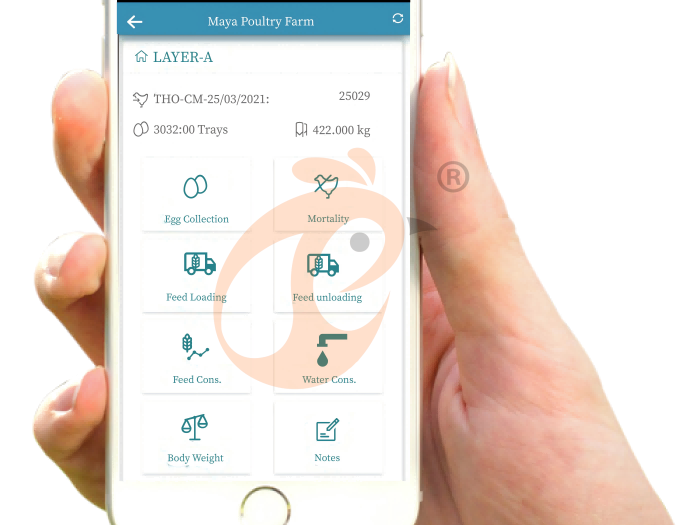
 IoT Smart Poultry FarmRead More
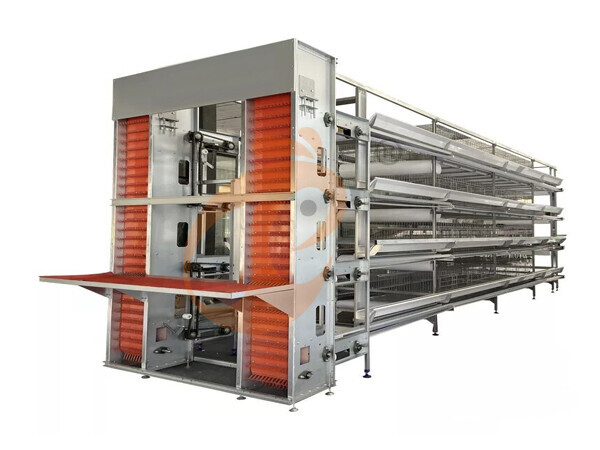
 >30,000 Layers Automatic H Type Battery CageRead More
 10,000 - 30,000 Layers Automatic A Type Battery CageRead More
MESSAGE