

BLOG
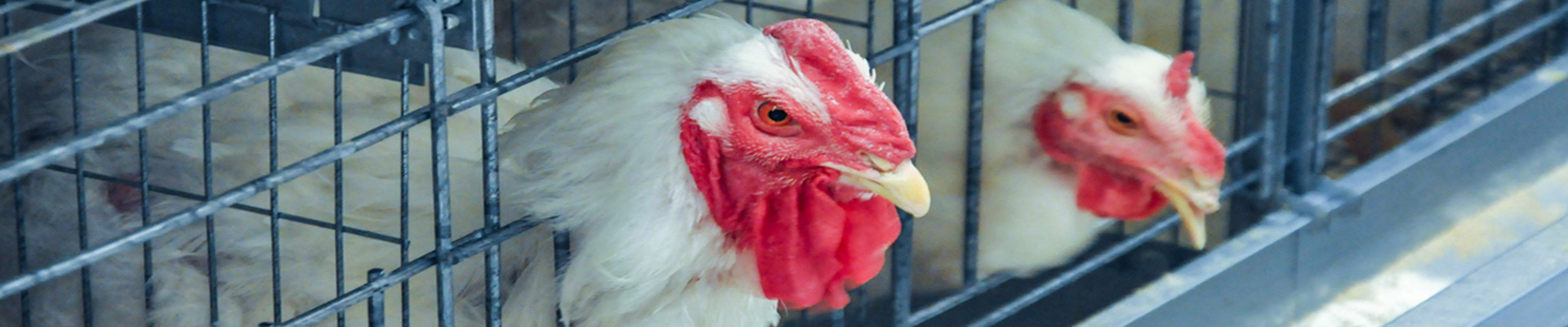
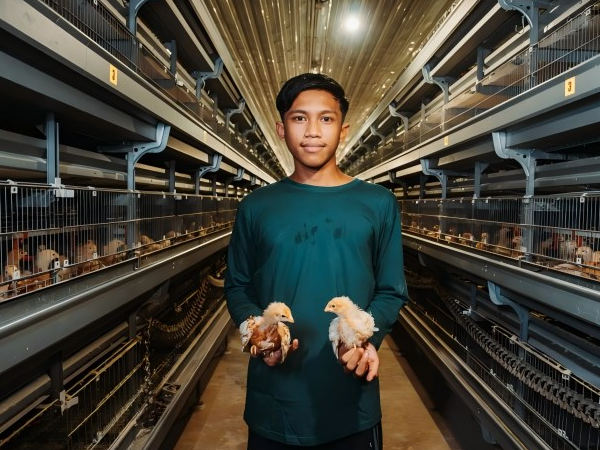
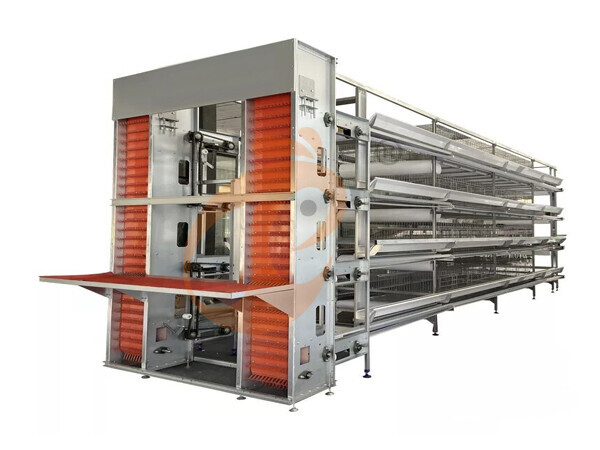
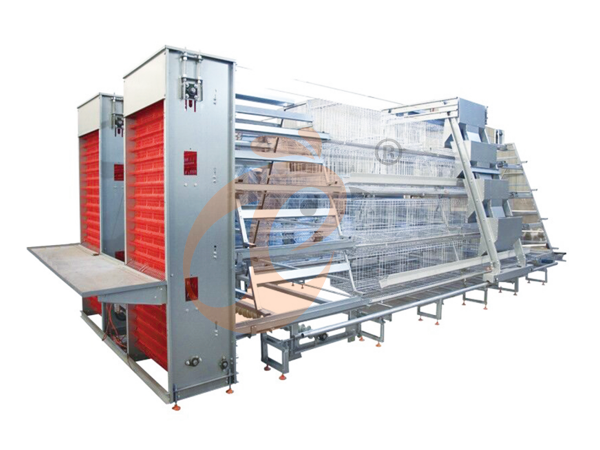
Layer cage system installation structure supports high-density poultry production units.
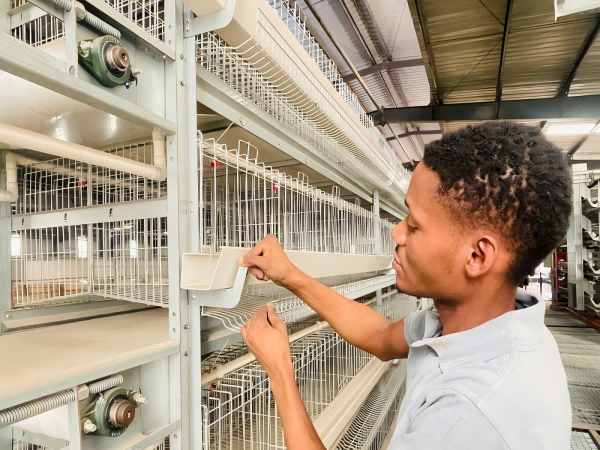
Automated feeding lines distribute formulated rations across multi-tier cage modules.
Egg collection belts transfer production output to centralized processing zones.
Manure removal systems reduce contamination accumulation within enclosed poultry houses.
Environmental control modules stabilize temperature humidity and ventilation parameters.
Get professional poultry farm construction guidance, equipment selection solutions, and the latest price lists, whatsApp to +8618830120193, click to learn more:
Understanding Layer Chicken Cage Systems And Automated Poultry Cage Design
Layer chicken cage systems represent industrial poultry infrastructure designed for high-density egg production.
The structure integrates automated poultry cage technology, feeding pipelines, drinking nipples, and mechanical egg collection systems.
Each module functions as a synchronized production node within a controlled poultry engineering environment.
Data is for reference only.Swipe horizontally to view full table.
Farm Layout Design And Poultry Cage System Capacity Engineering
Farm layout planning determines airflow efficiency, structural load distribution, and poultry cage system density.
Industrial poultry farms apply standardized geometric spacing for ventilation optimization and automated system integration.
Data is for reference only.Swipe horizontally to view full table.
Installation Calibration Of Automated Layer Chicken Cage System Structure
Mechanical installation of layer chicken cage system requires precise calibration of feed lines, water pressure circuits, and egg belt alignment.
System synchronization ensures stable poultry production flow.
Data is for reference only.Swipe horizontally to view full table.
Poultry Cage Feeding System And Layer Chicken Cage System Nutrition Ratio
Modern poultry cage feeding systems use automated distribution to ensure uniform feed access.
Feed formulation directly influences egg production efficiency and shell strength.
Data is for reference only.Swipe horizontally to view full table.
Water Supply System And Environmental Control In Poultry Cage Engineering
Layer chicken cage systems integrate pressurized nipple drinking networks and controlled ventilation modules.
These systems regulate metabolic stability and egg-laying cycle consistency.
Data is for reference only.Swipe horizontally to view full table.
Automated Egg Collection System And Manure Removal Efficiency
Egg collection belts transport eggs from poultry cage units to centralized grading stations.
Manure belts operate on scheduled cycles to maintain hygienic production conditions.
Data is for reference only.Swipe horizontally to view full table.
Layer Chicken Cage System Disease Control And Poultry Cage Biosecurity Protocol
Biosecurity protocols regulate pathogen exposure through controlled entry systems, sanitation barriers, and vaccination scheduling.
Poultry cage environments reduce cross-contact transmission pathways.
Data is for reference only.Swipe horizontally to view full table.
Production Performance Metrics Of Layer Chicken Cage System Output
Egg production efficiency is measured through hen-day production rate and feed conversion ratio.
Layer chicken cage systems maintain stable production curves under controlled conditions.
Data is for reference only.Swipe horizontally to view full table.
Maintenance Schedule And Engineering Stability Of Poultry Cage Infrastructure
Maintenance operations include lubrication cycles, belt tension calibration, and water pipeline sanitation.
Structural integrity ensures continuous production uptime.
Data is for reference only.Swipe horizontally to view full table.
Farm Investment Logic And Production Scaling Strategy In Layer Chicken Cage Systems
Layer chicken cage systems should be evaluated through production scalability per square meter rather than unit equipment cost alone.
A 12000-hen facility typically requires 720–850 square meters of housing area depending on ventilation design and tier configuration.
Capital allocation is optimized when automation level reduces labor dependency to 1 worker per 6000–8000 hens, while maintaining stable output above 290 eggs per hen annually.
Investment return cycles are commonly structured across 18–24 months under standardized feed cost control and stable disease management conditions.
Frequently Asked Questions
Q1: What is the maximum stocking density in layer chicken cage systems?
Standard poultry cage systems maintain 350–450 cm² per hen depending on cage design.
A 12000-hen house typically uses four-tier structures to maximize space utilization without reducing ventilation efficiency.
Q2: How does automated poultry cage technology improve egg production output?
Automated feeding and egg collection systems reduce manual handling time by approximately 70–80 percent.
Egg production consistency stabilizes at 92–96 percent hen-day rate under controlled environmental conditions.
Q3: What is the feed conversion ratio in layer chicken cage systems?
Feed conversion ratio typically ranges from 1.9 to 2.2 kg feed per dozen eggs.
Variation depends on formulation density and environmental control precision in poultry cage infrastructure.
Taiyu (HK) Group - One Of China Biggest Layer Chicken Cage Systems Manufacturer
Layer chicken cage system integrated production line engineered for industrial poultry farms.
Global factory direct supply chain delivering automated poultry cage equipment solutions.
Professional poultry cage manufacturing covering feeding systems ventilation and egg collection modules.
Turn-key engineering service providing complete poultry farm installation and system commissioning.
Export-grade poultry equipment supporting large-scale commercial egg production facilities worldwide.
Contact Us To Received Your Customized Poultry Farm Plan
Headquarters And Branchs

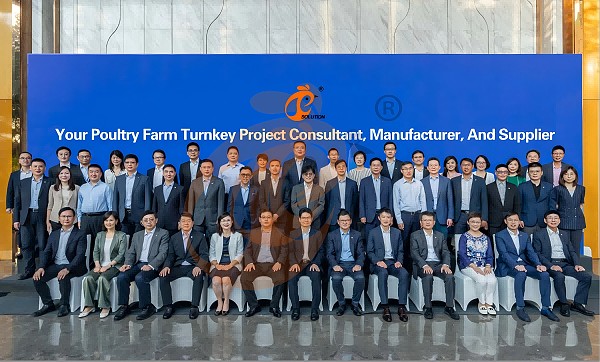
Hong Kong Headquarter Management Team
Hong Kong Headquarter Taiyu Industrial Group CO., LTD
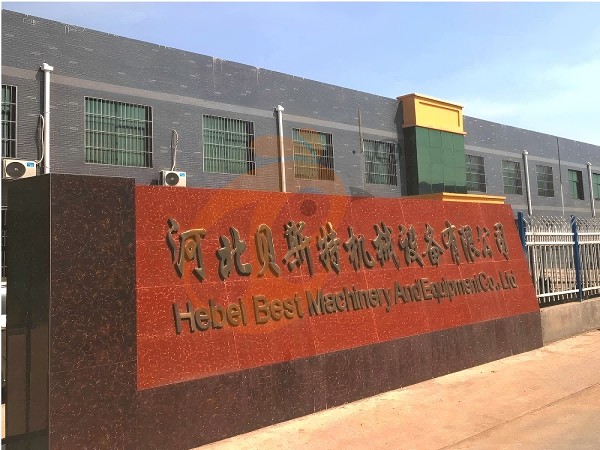
China Hebei Best Machinery And Equipment CO., LTD
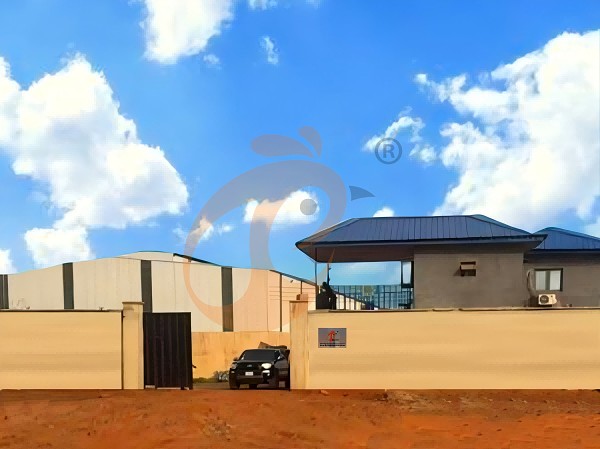
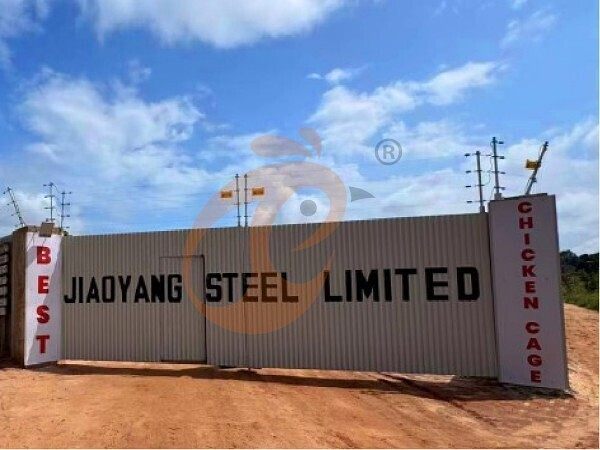
Nigeria Vanke Machinery And Equipment CO., LTD
Tanzania Best Machinery And Equipment CO., LTD
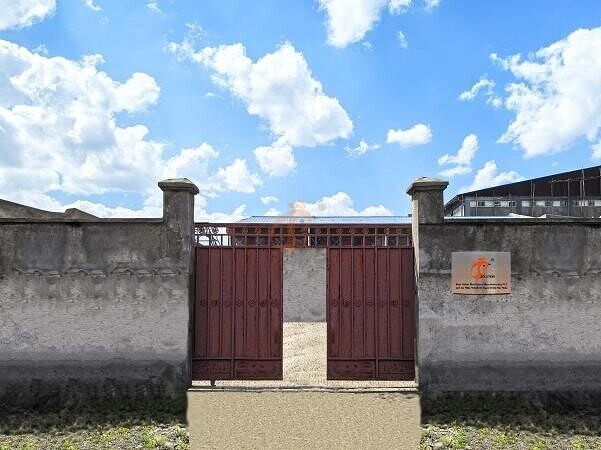
Ethiopia Best Hebei Machinery Manufacturing PLC
Reception /24 WhatsApp NO. : +8618830120193
PRODUCTS RECOMMENDED
 China Branch Manufacture Poultry Farm EquipmentRead More
 Ethiopia Branch Manufacture Poultry Farm EquipmentRead More
 Nigeria Branch Manufacture Poultry Farm EquipmentRead More
 Tanzania Branch Manufacture Poultry Farm EquipmentRead More
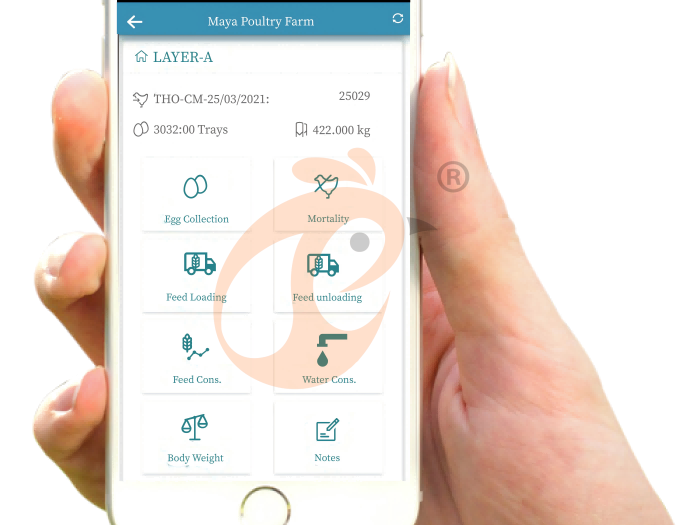
 IoT Smart Poultry FarmRead More
 >30,000 Layers Automatic H Type Battery CageRead More
 10,000 - 30,000 Layers Automatic A Type Battery CageRead More
MESSAGE