

NEWS
Major Advantages Of Chicken Cage Operations In Southeast Asia | Taiyu
For layer farmers across the region, the main advantage of battery cage systems is controlled management higher stocking density, cleaner eggs, reduced feed waste, easier disease monitoring and scalable expansion.
FAO identifies feed as the most important variable cost in poultry production, typically representing 65%–70% of total costs
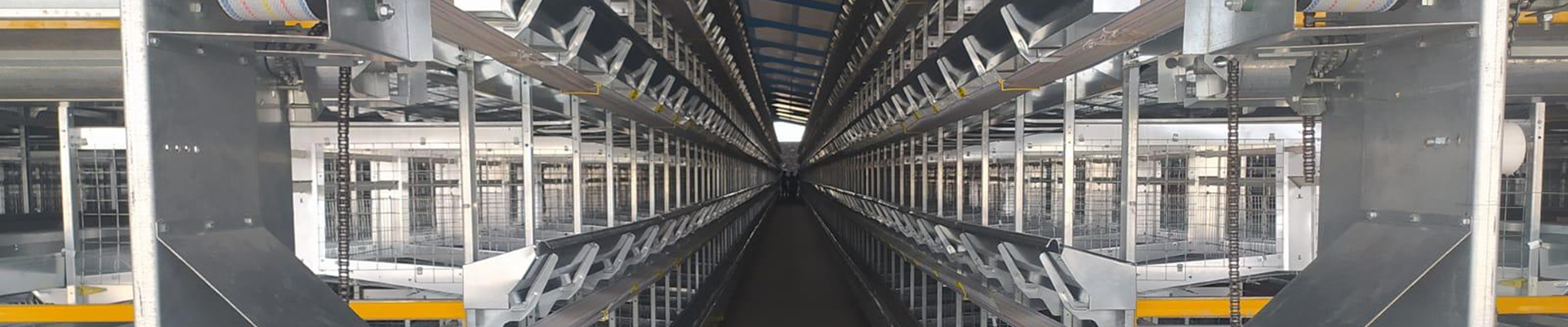
Higher production density multi-tier cage layouts use vertical space, allowing a 40 m × 12 m house to accommodate substantially more hens than a single-level floor system of the same footprint.
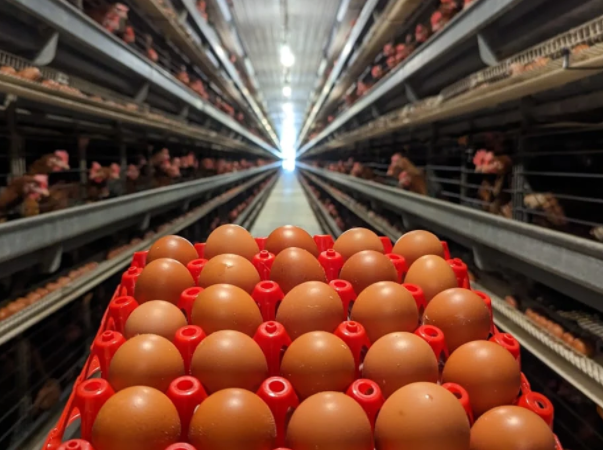
Cleaner and more saleable eggs sloped cage floors direct eggs away from droppings, reducing shell contamination and breakage before collection.
Lower feed waste positioned troughs with anti-spill edges limit scattering, especially important where feed costs account for 65%–70% of production costs
Easier disease monitoring cage-level observation makes it easier to identify reduced feed intake, abnormal droppings or sick birds at an early stage.
Scalable expansion a farm can begin with 1,000 layers and expand to 100,000+ layers through modular cage rows, feeding lines and manure-removal systems.
Better tropical-climate control cage systems can be combined with tunnel ventilation, cooling pads, shaded roofing, drainage and backup power to manage heat and humidity.
Southeast Asia is not one single poultry market.
Vietnam, Indonesia, Thailand, the Philippines, Malaysia, Myanmar, Cambodia, Laos, Singapore and Brunei face different combinations of high heat, humidity, monsoon rainfall, disease pressure, land scarcity and labour-cost increases.
Vietnam and Thailand: Hot summers and monsoon humidity make ventilation, cooling and dry-manure management essential.
A tunnel-ventilated house with 2.5–3.0 m/s airspeed during peak afternoon heat can help remove heat from the bird zone more effectively than natural airflow alone.
Indonesia and the Philippines high humidity, island logistics and disease pressure require corrosion-resistant equipment and strong biosecurity.
Hot-dip galvanised cage frames, sealed water lines and raised equipment supports are practical choices for coastal and monsoon-exposed sites.
Malaysia and Singapore limited land and rising labour costs make multi-tier, automated housing more practical.
A four-tier H-type layout can increase usable bird capacity within the same building footprint while centralising egg collection and manure handling.
Myanmar, Cambodia and Laos growing commercial farms need modular systems that can expand gradually.
A 10,000-bird starter project can reserve structural space, electrical capacity and service aisles for later expansion to 30,000 or 50,000 layers.
Brunei high humidity and limited land make controlled, hygienic housing particularly valuable.
Compact cage rows, mechanical ventilation and regular manure removal support cleaner production in a constrained land environment.
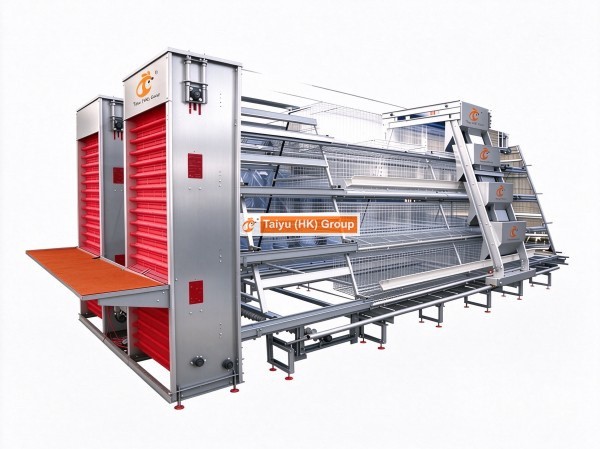
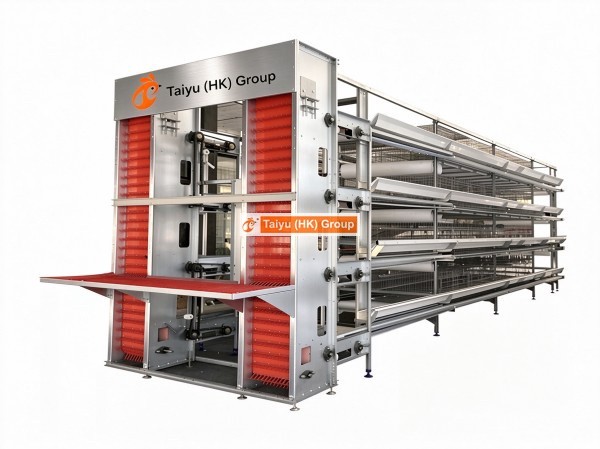
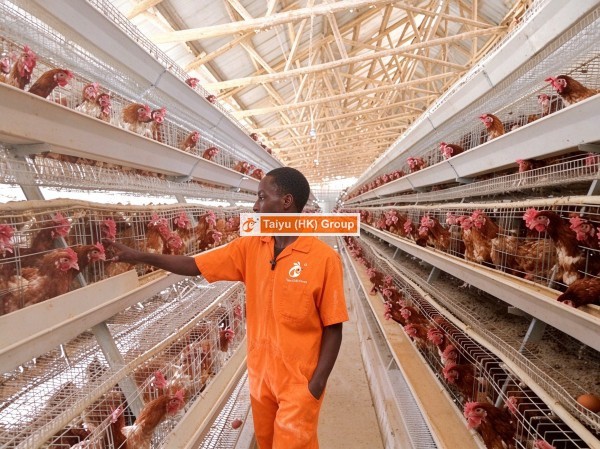
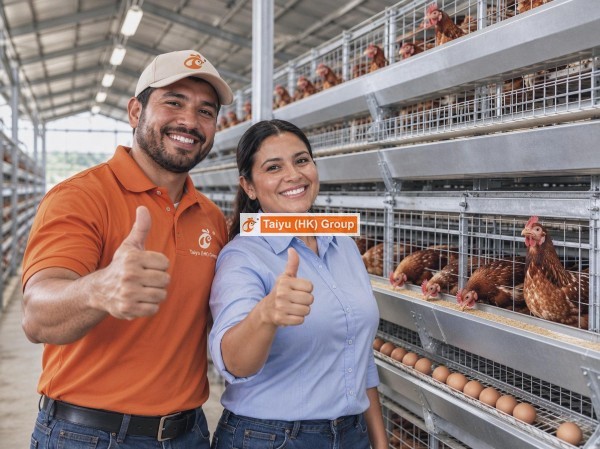
Check the popular types of chicken battery cages for sale
Learn More About Latin America
1. Advantage Of Chicken Battery Cage For Southeast Asian Poultry Farming
The first advantage of chicken battery cage systems is that they turn poultry housing into a more controlled production system.
Farms in Vietnam, Indonesia, Thailand, the Philippines, Malaysia, Myanmar, Cambodia, Laos, Singapore and Brunei can organise feeding, drinking, egg collection, manure removal and flock observation in one structured layout.
This is especially useful in tropical climates, where open-sided housing can expose birds to heat, humidity, dust and disease pressure.
A practical cage project should begin with measurable design targets.
For example, a 1,200 m² layer house can be planned around a 90%–95% stocking-density target, a 0.18–0.22 m per hen feeder-trough length, and a manure-removal interval of no more than 48–72 hours during the wet season.
These parameters help farmers compare layouts before installation rather than discovering management problems after birds arrive.
Higher density multi-tier cages use vertical space instead of expanding horizontally.
Cleaner eggs eggs roll away from droppings, reducing contamination and breakage.
Lower feed waste positioned troughs reduce feed scattering and contamination.
Easier disease control manure separation reduces contact with droppings and pathogens.
Better scalability farms can begin with 1,000 birds and expand to 100,000+ birds in modules.
Clients traditional floor farming in rainy Southeast Asia creates wet manure and sick birds.
Can a chicken battery cage system handle this tropical humidity?
Taiyu Group (HK) Yes.
Tropical climates require immediate waste separation, good airflow and corrosion-resistant equipment.
This is especially important in Vietnam, Indonesia, the Philippines, Thailand, Malaysia, Myanmar, Cambodia, Laos, Singapore and Brunei.
Are you losing egg output during the rainy season because of humidity stress?
Ready to take your poultry farming business to the next level? Connect with Taiyu Group (HK) and explore new possibilities. WhatsApp to +8618830120193.
2. Advantage Of Chicken Battery Cage: Four Core Benefits In Southeast Asia
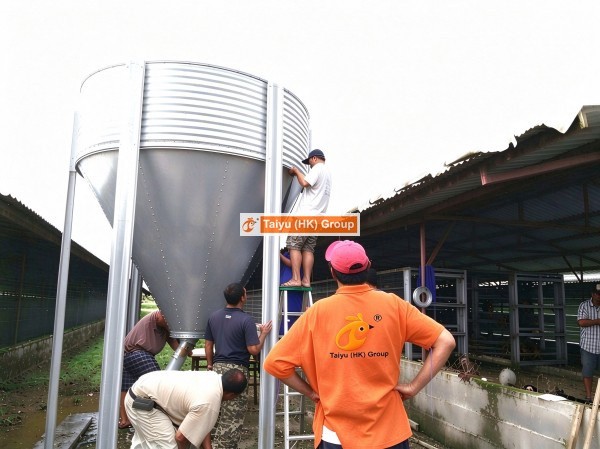
The second advantage of chicken battery cage systems is predictable daily management.
In Vietnam, Indonesia, Thailand, the Philippines, Malaysia, Myanmar, Cambodia, Laos, Singapore and Brunei, farmers need systems that make feeding, egg collection, manure removal and flock observation easier to organise.
A further advantage of chicken battery cage systems is adaptability A-type cages suit naturally ventilated houses, while H-type systems suit larger commercial farms with mechanical ventilation and automation.
Data is for reference only. Swipe horizontally to view full table.
Advantage 1 — Higher density more layers can be housed within the same building footprint.
Advantage 2 — Cleaner eggs eggs are separated from manure, improving saleable quality.
Advantage 3 — Better feed control positioned troughs reduce feed waste and support daily feed records.
Advantage 4 — Easier expansion farms can upgrade from manual A-type cages to automated H-type systems.
Clients how do I know chicken battery cages will withstand Southeast Asia’s humid heat, monsoon rain and salty coastal air?
Taiyu Group (HK) hot-dip galvanised steel frames are designed for humid coastal and tropical conditions in Vietnam, Indonesia, the Philippines, Thailand, Malaysia, Myanmar, Cambodia, Laos, Singapore and Brunei.
Before choosing a cage, check your region’s average humidity, maximum temperature, rainfall pattern and ventilation capacity.
The right advantage of chicken battery cage design must match your local climate.
Data is based on more than 20 years of after-sales follow-up records collected by Taiyu Group (HK).
3. Advantage Of Chicken Battery Cage: Heat And Humidity Control
The third advantage of chicken battery cage systems is better heat and humidity management.
In Vietnam, Thailand, Indonesia, the Philippines, Malaysia, Myanmar, Cambodia, Laos, Singapore and Brunei, high temperatures and humidity can reduce feed intake, weaken immunity and lower egg production.
FAO notes that temperatures above 30°c can reduce feed consumption; tropical poultry systems therefore need ventilation, cooling and water management.
Heat stress becomes more serious when high temperature combines with high humidity.
FAO notes that poultry rely on evaporative cooling through respiration, and high humidity reduces the effectiveness of that cooling process.
For a layer farm in central Thailand or southern Vietnam, a house designed for 32–35°c afternoon conditions should include shaded roofing, tunnel ventilation, cooling pads, reliable drinking water and an emergency ventilation plan.
Data is for reference only. Swipe horizontally to view full table.
Vietnam and Thailand prioritise tunnel ventilation, cooling pads, shaded roofs and emergency ventilation during the hottest months.
Indonesia and the Philippines use corrosion-resistant materials, reliable drainage and humidity control in coastal and monsoon regions.
Malaysia and Singapore plan compact multi-tier layouts with strong airflow and automated monitoring.
Myanmar, Cambodia and Laos design modular houses that can expand as flock size and infrastructure improve.
Clients heat stress in Thailand and Vietnam reduces my laying rate in summer.
How can a chicken battery cage system help?
Taiyu Group (HK) tiered cage spacing can improve airflow around birds, while tunnel ventilation, cooling pads, shaded roofing and reliable drinking water help manage heat stress. The key advantage of chicken battery cage design is combining cage layout with climate control not installing cages without ventilation.
From small-scale operations to large commercial projects, build a poultry business with a clear development strategy. WhatsApp to +8618830120193.
4. Advantage Of Chicken Battery Cage: Disease Control And Biosecurity
The fourth advantage of chicken battery cage systems is improved biosecurity. In the rainy seasons of Vietnam, Indonesia, the Philippines, Thailand, Malaysia, Myanmar, Cambodia, Laos, Singapore and Brunei, wet litter and accumulated manure can increase exposure to coccidiosis, worms, respiratory disease and droppings-borne pathogens. Chicken battery cage systems separate birds from manure, making cleaning, disinfection and flock monitoring more practical.
A well-designed cage house should include a defined cleaning route, footbath or boot-change point at the entrance, dedicated tools for each house, and a manure-removal schedule matched to local humidity.
For example, removing manure every 48 hours during a prolonged rainy period can reduce ammonia accumulation and make disinfection more effective.
Data is for reference only. Swipe horizontally to view full table.
Vietnam and the Philippinesrainy-season manure management is essential for reducing flies, odour and bacterial risks.
Indonesia, Malaysia and Thailand biosecurity plans should include cleaning, disinfection, visitor control and disease surveillance.
Myanmar, Cambodia and Laos modular cage layouts can support gradual improvement in hygiene and flock records.
Singapore and Brunei compact, hygienic systems are especially useful where land and biosecurity requirements are strict.
Clients:
Wet manure during rainy seasons creates severe fly and bacterial problems in the Philippines.
How do chicken battery cages maintain hygiene?
Taiyu Group (HK):
In chicken battery cage systems, hens are separated from droppings, and automated manure belts or scraper systems remove waste regularly.
This does not replace vaccination, disinfection or dry-house management, but it is a major advantage of chicken battery cage systems for farms in Vietnam, Indonesia, the Philippines, Thailand, Malaysia, Myanmar, Cambodia, Laos, Singapore and Brunei during wet seasons.
5. Advantage Of Chicken Battery Cage: Feed Savings And Egg Quality
The fifth advantage of chicken battery cage systems is better feed control and cleaner eggs.
Because feed is a major variable cost in poultry production, farms in Vietnam, Indonesia, Thailand, the Philippines, Malaysia, Myanmar, Cambodia, Laos, Singapore and Brunei need systems that reduce feed scattering, contamination and mould risk.
Fao notes that feed contamination, especially mycotoxins, is a major concern in hot and humid conditions.
Feed management should be treated as a daily production control task.
A farm supplying 20,000 layers may allocate feed by house, row and flock age; record daily consumption; inspect trough cleanliness each morning; and keep feed storage dry, ventilated and protected from roof leakage.
A 2% reduction in feed waste across a large flock can represent a meaningful annual saving, particularly where imported raw materials increase feed cost.
Data is for reference only. Swipe horizontally to view full table.
Vietnam and Thailand use measured daily feed allocation, clean troughs and dry feed storage to reduce mould and waste.
Indonesia and the Philippines prioritise corrosion-resistant troughs, clean water lines and regular feed-quality checks.
Malaysia, Singapore and Brunei compact feeding systems can support precise daily allocation in space-limited farms.
Myanmar, Cambodia and Laos modular feed lines can be expanded as flock capacity increases.
Clients:
Feed gets mouldy quickly in humid Southeast Asia, and manual egg picking damages too many eggs.
How does a chicken battery cage system solve both?
Taiyu Group (HK):
A deep trough with anti-spill edges keeps feed inside the trough, while regular cleaning and dry storage reduce mould risk.
Sloped cage floors move eggs into collection troughs, reducing contact with droppings and breakage.
This is a practical advantage of chicken battery cage systems for tropical farms in Vietnam, Indonesia, the Philippines, Thailand, Malaysia, Myanmar, Cambodia, Laos, Singapore and Brunei.
Improve farm productivity through better management, smarter planning, and efficient resource utilization. WhatsApp to +8618830120193.
6. Advantage Of Chicken Battery Cage: From 1,000 to 100,000+ Layers
The sixth advantage of chicken battery cage systems is scalable farm design.
Southeast Asian farms should not use the same configuration at 1,000, 10,000 and 100,000 birds; the correct system depends on land, power, labour, capital and market demand.
Chicken battery cage systems can start with manual A-type cages and later upgrade to automated H-type systems as production grows.
For a farm planning expansion, electrical capacity should be assessed before cage installation.
A 20,000-layer project with mechanical ventilation, automatic drinkers and manure belts should reserve generator capacity, water storage and maintenance access from the first construction stage.
This avoids costly retrofitting when production doubles.
Data is for reference only. Swipe horizontally to view full table.
1,000–2,000 birds best for new farmers in Vietnam, Indonesia, the Philippines, Thailand, Malaysia, Myanmar, Cambodia and Laos that need a low-risk entry point.
3,000–5,000 birds suitable for growing farms in Vietnam, Indonesia, Thailand, the Philippines and Malaysia.
15,000–50,000 birds best for commercial projects near Ho Chi Minh City, Jakarta, Bangkok, Manila, Kuala Lumpur and Yangon.
100,000+ birds requires industrial planning for power, ventilation, manure treatment, logistics and biosecurity.
Clients:
I want to scale my farm in Vietnam from 2,000 to 20,000 layers.
Will labour management become difficult?
Taiyu Group (HK):
Not if the project is designed in stages.
At 2,000 birds, A-type cages with manual collection may be enough; at 20,000 birds, fully automatic feeding, drinking, manure removal and egg collection reduce daily labour.
This staged approach is a major advantage of chicken battery cage systems for Vietnamese, Indonesian, Thai, Filipino, Malaysian, Myanmar, Cambodian and Laotian farms that need to grow gradually.
Data is based on more than 20 years of after-sales follow-up records collected by Taiyu Group (HK).
7. Advantage Of Chicken Battery Cage: A-Type and H-Type Systems In Southeast Asia
The seventh advantage of chicken battery cage systems is flexible cage configuration.
Southeast Asian farmers can choose A-type or H-type layouts according to shed design, power reliability and expansion plans.
A-type cages are generally easier to install and manage in naturally ventilated houses; H-type systems suit high-density commercial projects that can support ventilation, automation and maintenance.
Data is for reference only. Swipe horizontally to view full table.
A-type cages suitable for naturally ventilated sheds, smaller farms and gradual expansion.
H-type cages suitable for high-density commercial farms with reliable ventilation and automation.
Hot climates both systems need ventilation, shade, airflow and emergency cooling plans.
Power reliability automation should match local electricity conditions and backup plans.
Expansion planning cage layout should reserve space for aisles, manure handling and future capacity.
Clients:
Should i choose A-type or H-type chicken battery cages for my farm in Vietnam or Indonesia?
Taiyu Group (HK):
Choose A-type if you have a naturally ventilated shed, limited power reliability and a first-stage capacity below 20,000 birds.
Choose H-type if you plan 20,000+ layers, have reliable ventilation and power backup, and need lower labour per bird.
Matching cage type to local conditions is a key advantage of chicken battery cage system design.
Data is based on more than 20 years of after-sales follow-up records collected by Taiyu Group (HK).
8. Taiyu (HK) Group - One Of China Toppest Battery Cage System Exporter
1. Global Service Network
Headquartered in Hong Kong, with branches and factories in China, Vietnam, Thailand, Nigeria, Kenya, Ethiopia, and Tanzania, providing more localized project and after-sales support.
2. International Quality Standards
Strict quality control and double inspections.
Certifications and export documents include CE, SGS, ISO 9001, CCVO, PVOC, SONCAP, COC, ECTN, FORM F, and more.
3. One-To-One Vip Service
Dedicated account managers provide customized farm designs, equipment configurations, and quotations for projects ranging from 500 to 100,000+ birds per house.
4. Lifetime After-Sales Service
Installation guidance, equipment commissioning, operator training, remote technical support, spare parts supply, and ongoing maintenance.
9. Contact Us To Received Your Customized Poultry Farm Plan
Headquarters And Branchs

Hong Kong Headquarter Management Team
Hong Kong Headquarter Taiyu Industrial Group CO., LTD
China Hebei Best Machinery And Equipment CO., LTD
Nigeria Vanke Machinery And Equipment CO., LTD
Tanzania Best Machinery And Equipment CO., LTD
Ethiopia Best Hebei Machinery Manufacturing PLC




Reception /24 WhatsApp NO. : +8618830120193
PRODUCTS RECOMMENDED
 China Branch Manufacture Poultry Farm EquipmentRead More
 Ethiopia Branch Manufacture Poultry Farm EquipmentRead More
 Nigeria Branch Manufacture Poultry Farm EquipmentRead More
 Tanzania Branch Manufacture Poultry Farm EquipmentRead More
 IoT Smart Poultry FarmRead More
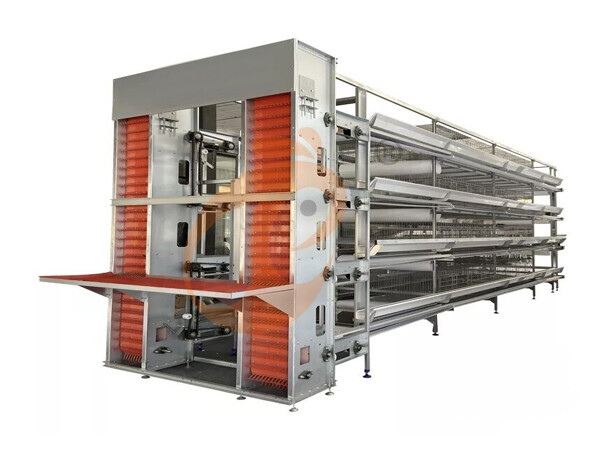
 >30,000 Layers Automatic H Type Battery CageRead More
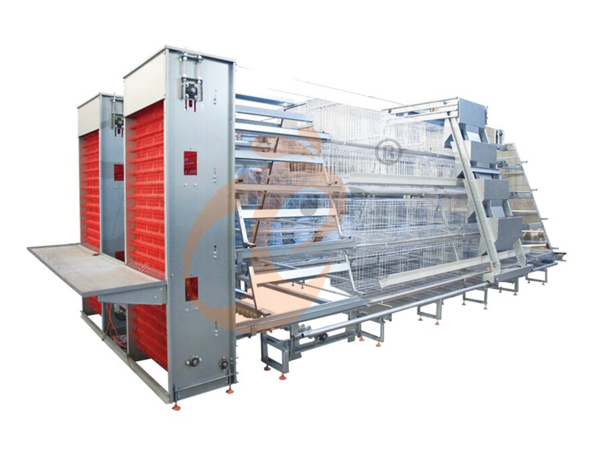
 10,000 - 30,000 Layers Automatic A Type Battery CageRead More
MESSAGE
NEWS
 50,000 - 100,000 chickens/house: poultry farm solution, chicken cage, poultry farm equipment, AI smart managementRead More
 30,000 - 50,000 chickens/house: poultry farm solution, chicken cage, poultry farm equipment, AI smart managementRead More
 10,000 - 30,000 chickens/house: poultry farm solution, chicken cage, poultry farm equipment, AI smart managementRead More
 100 - 10,000 chickens/house: poultry farm solution, chicken cage, poultry farm equipment, AI smart managementRead More