

NEWS
Proven Advantages Of Chicken Battery Cage Systems For Africa | Taiyu
Chicken battery cage systems provide African poultry farms with an integrated engineering solution for feed management, land utilization, egg quality, disease control and commercial expansion.
Evaluating the advantage of battery cage technology requires examining equipment dimensions, material specifications, environmental conditions and operating costs across different African markets.
Market adaptability commercial layer projects in Nigeria, Ghana, Kenya and Tanzania require configurations matched to regional temperatures, rainfall patterns and building structures.
Feed management automatic feeding equipment coordinates trough dimensions, delivery speed and feed allocation to support consistent daily consumption.
Climate engineering ventilation planning incorporates airflow distribution, humidity monitoring and emergency cooling arrangements for tropical poultry houses.
Production planning modular installations coordinate cage tiers, feeding lines, drinking systems and manure transportation.
Operational reliability backup generators, water storage and automatic alarms protect essential production processes during electricity interruptions.
For African poultry investors, the advantage of battery cage systems involves more than increasing bird capacity.
Feed consumption, equipment performance, egg handling, manure transportation and maintenance schedules collectively determine commercial operating results.
Which type of battery cages are you interested in?
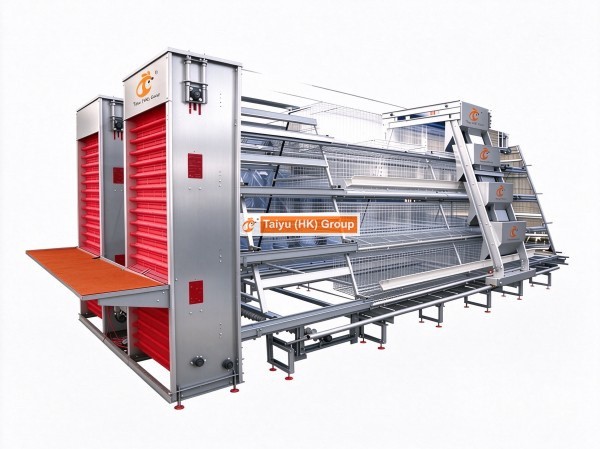
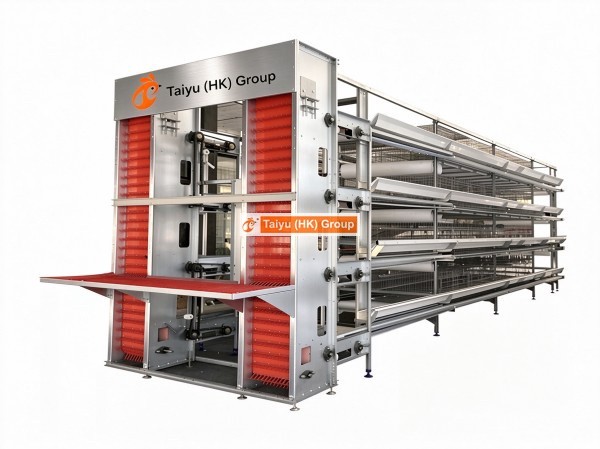
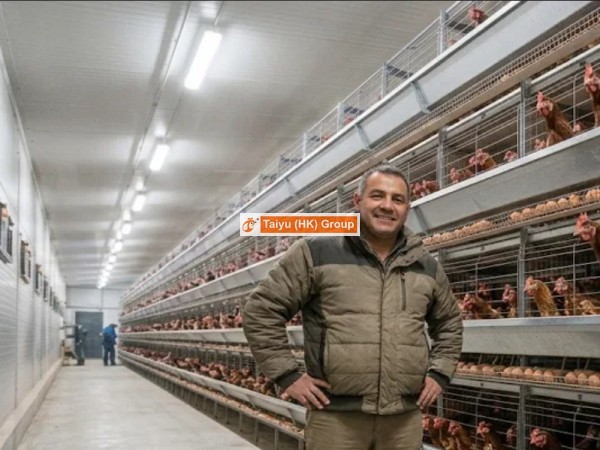
Learn More About Southeast Asia
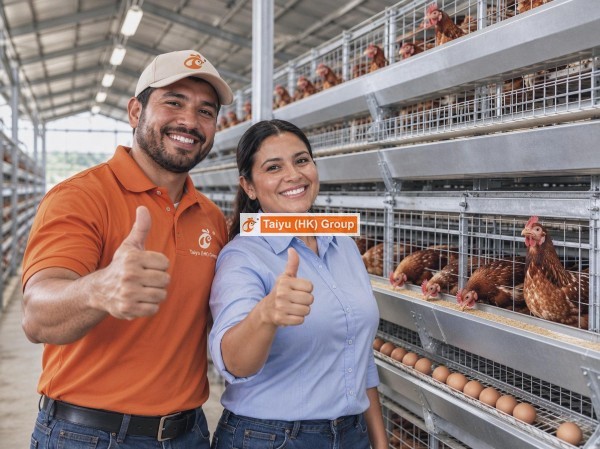
Learn More About Latin America
0. Why Are Modern Multi-Tier Chicken Battery Cage Systems Becoming Essential For African Poultry Farming?
African poultry demand continues to create opportunities for commercial egg producers, but traditional deep-litter and free-range systems encounter feed losses, wet litter, disease exposure, labour-intensive egg collection and limited expansion space.
Modern battery cage systems provide African farmers with an organized layer-management environment.
According to the sales and after-sales service teams of Taiyu Group (HK), integrated poultry equipment is particularly relevant in land-constrained urban markets such as Lagos, Nairobi, Accra, Kampala, Dar es Salaam, Lusaka and Harare.
A major advantage of battery cage systems is the integration of vertical housing, controlled feeding, organized egg collection and manure management.
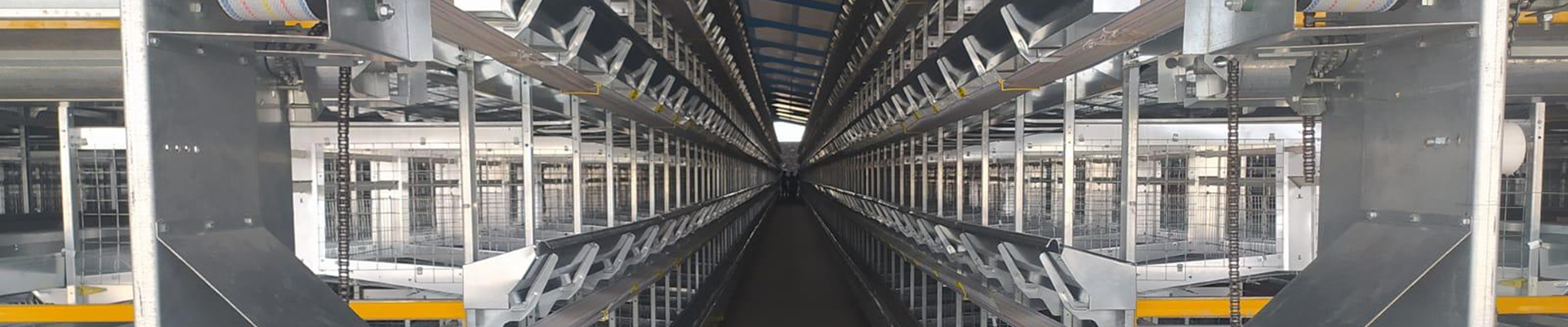
A complete installation coordinates cage structures, feed conveyors, nipple drinkers and manure belts according to flock size and building dimensions.
Key Operational Advantages
Housing capacity multi-tier cage structures utilize vertical building space, with cage-row spacing, service passages and structural supports calculated before installation.
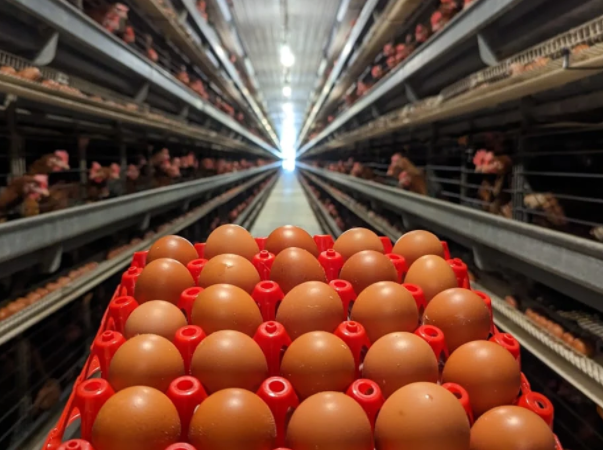
Cleaner eggs sloped cage floors, collection belts and egg elevators reduce unnecessary handling and direct contact with manure.
Controlled feeding anti-spill troughs, adjustable feeding heights and automatic distribution help maintain consistent feed access.
Manure separation dedicated collection belts and scraper mechanisms transport accumulated waste away from occupied housing areas.
Modular development cage sections, feeding lines and drinking-water systems accommodate phased installation and future equipment upgrades.
Clients
Traditional deep-litter farming in Africa causes too much feed loss and sick birds.
Can a battery cage system really solve this for my local farm?
Taiyu Group (HK)
Absolutely.
African climates require clean, separated environments, especially in humid coastal areas of Nigeria, Ghana, Tanzania and Mozambique, as well as hot inland markets such as Burkina Faso, Mali, Niger and Chad.
A properly engineered battery cage installation separates hens from accumulated droppings, organizes feed distribution and simplifies cleaning.
Manure belts, water filtration and scheduled disinfection provide additional management support.
For example, environmental monitoring can incorporate ammonia below 20 ppm, carbon dioxide below 0.3% and oxygen above 20% as reference engineering indicators, subject to veterinary and local operating requirements.
Coccidiosis prevention still requires vaccination, veterinary supervision and comprehensive biosecurity.
1. Core Overview: Four Advantages For African Climate And Markets
The first major advantage of battery cage systems in Africa is controlled productivity through organized housing, feeding, egg collection and manure management.
Nigeria, Ghana, Kenya, Uganda, Tanzania, Zambia, Zimbabwe, South Africa, Egypt and Morocco have different production environments, but commercial farmers across these markets require coordinated equipment capable of supporting consistent operations.
Another important advantage of battery cage technology is configuration flexibility.
A-type cages generally suit naturally ventilated poultry houses, while H-type systems accommodate commercial installations requiring mechanical ventilation, automatic feeding and centralized egg collection.
The following comparison is based on market observations from the Taiyu Group (HK) sales team.
Data is for reference only.Swipe horizontally to view full table.
Four Core Advantages
Advantage 1 — Housing capacity multi-tier arrangements coordinate cage rows, building dimensions and ventilation passages within an engineered layout.
Advantage 2 — Egg hygiene sloped floors, collection troughs and protected transportation routes reduce unnecessary egg handling.
Advantage 3 — Feed distribution adjustable troughs, feed-chain operation and daily consumption records support accurate feeding management.
Advantage 4 — Expansion flexibility modular cage sections, feeding equipment and drinking-water lines allow phased installation.
Clients
How do I know battery cages will withstand Africa’s humid heat and tropical weather?
Taiyu Group (HK)
Hot-dip galvanized steel structures are suitable for poultry housing applications in humid coastal and tropical environments, including Nigeria, Ghana, Côte d’Ivoire, Cameroon, Tanzania, Mozambique and Madagascar.
For material selection, farmers should examine zinc coating weight, steel thickness and structural corrosion protection.
Galvanizing specifications such as 275 g/m², ASTM A123 processing and ISO 1461 compliance provide measurable procurement criteria where applicable to the selected component.
Environmental design also requires monitoring indoor temperature, relative humidity and ammonia.
Commercial layer-house reference conditions commonly include 20–24°c, 55–65% relative humidity and ammonia at or below 15 ppm.
Actual operating targets must account for housing design, bird behaviour and regional climate.
The correct advantage of battery cage design comes from matching material specifications and environmental engineering with local operating conditions.
Data is based on more than 20 years of after-sales follow-up records collected by Taiyu Group (HK).
2. Space And Density: Better Land Use In African Cities
A significant advantage of battery cage systems is efficient land utilization.
In African cities where agricultural land is increasingly expensive, vertical cage arrangements allow commercial farmers to increase building utilization without continuously extending existing facilities.
Markets around Lagos, Nairobi, Accra, Abidjan, Dakar, Kampala, Dar es Salaam and Johannesburg provide practical examples of locations where land planning influences poultry investment decisions.
Multi-tier arrangements also support phased development, allowing farmers to expand production while retaining existing infrastructure.
Engineering calculations should consider building width, column spacing, roof clearance and equipment-access routes before finalizing cage arrangements.
Data is for reference only.Swipe horizontally to view full table.
Make your poultry investment smarter with professional planning, efficient management, and long-term development strategies.
WhatsApp to +8618830120193.
Actual stocking capacity must comply with applicable animal-welfare requirements, cage specifications, ventilation performance and local regulations.
Building dimensions, usable floor area and service passages must be calculated before determining final flock capacity.
African Market Applications
Nigeria poultry developments around Lagos, Ibadan, Abeokuta and Kano require building layouts coordinating equipment transportation, ventilation and service access.
Kenya peri-urban layer farms near Nairobi, Nakuru, Kisumu and Mombasa benefit from coordinated building and equipment planning.
Ghana commercial egg producers around Accra, Kumasi and Tema can integrate feeding, drinking and manure-handling equipment.
South frica commercial projects require production planning that considers building utilization, electricity consumption and equipment maintenance.
Clients
Land costs in my region are rising fast. How many more birds can I fit in a 1,000 m² house in Africa?
Taiyu Group (HK)
With deep-litter housing, many farms accommodate approximately 5,000–6,000 birds within the available building area.
A properly ventilated multi-tier battery cage arrangement can often accommodate 12,000–15,000 layers or more in a comparable building, depending on cage configuration, aisle dimensions and environmental-control engineering.
Before finalizing a project, our engineering team evaluates usable building dimensions, ventilation capacity and equipment arrangement to calculate practical housing capacity.
For example, structural planning can incorporate a 24 m building width, 100 m building length and 4.5 m eaves height as project-specific design inputs.
Roof trusses, column foundations and equipment suspension points must be verified against the actual structural load calculations.
Data is based on more than 20 years of after-sales follow-up records collected by Taiyu Group (HK).
3. Disease Control: Reduce Wet-Season Mortality
Another important advantage of battery cage systems is improved manure separation and daily hygiene management.
During African rainy seasons, deep-litter poultry houses may experience wet bedding, ammonia accumulation and difficult cleaning operations. Poor litter management can increase exposure to coccidiosis, parasitic infections, respiratory problems and other droppings-associated pathogens.
Battery cage systems separate laying hens from accumulated manure, making waste collection and housing sanitation more manageable.
Appropriate manure transportation, ventilation and disinfection procedures remain essential for disease prevention.
Data is for reference only.Swipe horizontally to view full table.
Regional Disease Management Considerations
Nigeria and Ghana wet-season management requires attention to ventilation, manure removal and drinking-water sanitation.
Kenya, Uganda and Tanzania separated manure collection supports housing sanitation during seasonal changes in litter conditions.
South Africa and Namibia commercial biosecurity programs require controlled access, equipment sanitation and flock-health monitoring.
Clients
Outbreaks like coccidiosis destroy African layer farms every rainy season.
Will cages stop this?
Taiyu Group (HK):
Battery cage systems separate hens from droppings, while manure belts or scraper systems transport accumulated waste away from housing areas at scheduled intervals.
A properly configured manure belt should consider belt material, thickness and transportation speed.
For example, a 1.0 mm manure belt, an 8 m/min transportation speed and a scheduled daily removal program can be incorporated into an equipment specification where suitable for the project.
Such arrangements reduce direct manure contact and make sanitation more practical.
However, they cannot guarantee complete prevention of coccidiosis.
Vaccination, veterinary supervision, rodent control, disinfection and clean drinking water remain essential components of disease prevention.
For farms in Nigeria, Ghana, Côte d’Ivoire, Cameroon, Tanzania and Mozambique, manure separation is an important part of wet-season poultry management. Water quality monitoring should additionally consider pH 6.0–7.5, dissolved solids below 1,000 mg/L and regular microbiological testing according to local veterinary recommendations.
4. Feed Conversion And Egg Quality: Reduce Waste And Breakage
One of the most financially important benefits of battery cage systems is controlled feeding.
FAO identifies feed as the largest variable cost in poultry production, generally accounting for approximately 65%–70% of total production costs.
For African markets dependent on maize and soybean meal, controlling feed distribution can influence operating margins.
Positioned feeding troughs reduce unnecessary scattering, while properly adjusted feeding equipment supports consistent daily feed allocation.
Sloped cage floors also allow eggs to move towards collection channels, reducing contact with manure and limiting unnecessary handling.
Data is for reference only.Swipe horizontally to view full table.
Reduce operational pressure and discover new opportunities for commercial poultry farming WhatsApp to +8618830120193.
Regional Feed Management Applications
Nigeria and Senegal maize-based feed expenses make feed distribution accuracy an important operating priority.
Kenya and Uganda feed formulation, water availability and daily consumption records require coordinated management.
Zambia and Zimbabwe feed procurement and storage planning influence the consistency of commercial egg production.
Clients
Feed prices in Africa are extremely expensive right now.
How does the cage design actually save feed?
Taiyu Group (HK)
A properly designed deep trough with anti-spill edges keeps feed inside the feeding channel instead of allowing unnecessary scattering onto the floor.
Correct trough height, regular feed distribution and measured daily allocation contribute to better feed management.
Feeder access should also be coordinated with the number of hens using each feeding section.
For commercial projects, feeding-system calculations can incorporate feed-chain speed, motor power and daily feed requirements.
An operating speed of 10–15 m/min, a feed delivery capacity of 300–500 kg/h and a 45–60 mm auger diameter provide additional engineering specifications for selecting suitable automatic feeding equipment.
Clean drinking water and balanced layer diets remain necessary for maintaining egg production and shell quality.
Egg quality monitoring can additionally include shell thickness, egg weight and breakage records for each production batch.
5. Scalability: From 1,000 To 100,000+ Layers
A decisive advantage of battery cage systems is scalability.
Based on Taiyu Group (HK)'s experience in configuring layer housing projects, African farmers should not use identical equipment arrangements for small farms and industrial-scale poultry operations. Appropriate configurations depend on available land, electricity supply, labour resources, investment capacity and local egg demand.
Modular expansion allows farmers to begin with manual A-type cages and gradually introduce automated H-type equipment when production requirements increase.
Data is for reference only.Swipe horizontally to view full table.
Recommended Development Scenarios
Small-scale projects New farmers in Kenya, Uganda, Tanzania, Zambia and Zimbabwe can begin with modular installations and expand according to local egg demand.
Growing commercial farms Nigeria, Ghana, Côte d’Ivoire, Cameroon and Senegal require coordinated feeding, drinking and manure-removal arrangements.
Large commercial projects developments near Lagos, Accra, Nairobi, Lusaka and Johannesburg require integrated equipment and building engineering.
Industrial poultry operations comprehensive planning must coordinate electrical distribution, ventilation, manure treatment and transportation.
Clients
I want to scale my farm in Nigeria from 2,000 to 20,000 layers.
Will labour management become a nightmare?
Taiyu Group (HK)
Not if the project is designed in stages.
At the initial development stage, A-type cages with manual egg collection may provide a practical starting arrangement.
As production expands, automatic drinking systems, mechanical manure removal and semi-automatic egg collection can reduce repetitive daily work.
For a phased project, our engineering team can coordinate feeding motors, water-line pressure and egg-conveyor transportation according to the installation layout.
Equipment commissioning should include motor-load testing, water-pressure inspection and conveyor operation checks.
A complete electrical design should also evaluate 380 v three-phase supply, 50 hz operating frequency and ip55 protection for appropriately selected outdoor control enclosures.
Generator capacity must account for simultaneous motor starting and essential ventilation loads.
The important consideration is coordinating equipment upgrades with actual production demand rather than purchasing unnecessary automation too early.
A staged development strategy helps Nigerian, Ghanaian, Kenyan and Zambian farmers increase production while maintaining manageable operating costs.
6. A-Type Vs H-Type: Choosing The Right African Cage
Another practical advantage of battery cage systems is configuration flexibility.
African poultry farmers can select A-type or H-type equipment according to poultry-house construction, electricity reliability, ventilation arrangements and future expansion plans.
A-type battery cages generally suit open-sided or naturally ventilated houses, especially where farmers prefer straightforward equipment operation.
H-type battery cages are appropriate for commercial projects requiring mechanical ventilation, automatic feeding, centralized egg collection and coordinated manure removal.
The correct equipment selection should prioritize local operating conditions instead of purchasing equipment without evaluating engineering requirements.
The following comparison is based on more than 20 years of sales data accumulated by Taiyu Group (HK).
Data is for reference only.Swipe horizontally to view full table.
How To Choose Between A-Type And H-Type
Choose A-type suitable for farms with naturally ventilated buildings, manual operating arrangements and limited electrical infrastructure.
Choose H-type suitable for commercial farms planning integrated ventilation, automatic feeding and centralized egg collection.
Evaluate electricity supply fan motors, water pumps and conveyor drives require appropriate electrical distribution and backup arrangements.
Consider future investment equipment configurations should accommodate additional cage sections, feeding lines and collection equipment.
Clients
Should I choose A-type or H-type cages for my farm in Ghana or Kenya?
Taiyu Group (HK)
Choose A-type cages when your poultry house uses natural ventilation, electricity reliability is limited and your initial project requires straightforward equipment operation.
Choose H-type cages when your commercial plan requires automated feeding, centralized egg collection and mechanical environmental control.
Before making a decision, evaluate building dimensions, ventilation capacity, backup electricity, maintenance resources and expansion targets.
For climate-controlled houses, engineering calculations should include fan quantity, motor load and emergency ventilation capacity.
Correctly matching equipment specifications with local operating conditions is essential for maintaining production continuity.
An H-type installation should also incorporate cooling-pad hydraulic calculations, fan staging and electrical protection.
A cooling-pad thickness of 150 mm, an installation angle of 45° and a water-distribution design matched to pad surface area provide additional project-design considerations.
Data is based on more than 20 years of after-sales follow-up records collected by Taiyu Group (HK).
7. Frequently Asked Questions: Battery Cage Systems In Africa
Data is for reference only.Swipe horizontally to view full table.
8. Taiyu (HK) Group - One Of China Largest Battery Cage System Manufacturer
Taiyu battery cage systems integrate layer housing, feeding, drinking, egg collection and manure removal through coordinated equipment configurations, with project planning covering 3-phase power, automated conveyors and environmental monitoring.
Global factory-direct poultry equipment supply supports customized building layouts, cage arrangements and production planning for African projects, incorporating galvanized steel, corrosion protection and modular equipment structures.
Turnkey engineering services coordinate project design, equipment installation and commissioning, including electrical distribution, ventilation calculations and drinking-water arrangements for commercial poultry facilities.
Integrated poultry equipment solutions incorporate automatic feeding, water filtration, manure transportation and environmental-control equipment, with coordinated motor drives, plc controllers and independent alarm circuits.
Technical project coordination and after-sales support cover equipment inspection, installation supervision and maintenance planning, including spare motors, replacement belts and electrical control components.
1. Global Service Network
Headquartered in Hong Kong, with branches and factories in China, Vietnam, Thailand, Nigeria, Kenya, Ethiopia, and Tanzania, providing more localized project and after-sales support.
2. International Quality Standards
Strict quality control and double inspections.
Certifications and export documents include CE, SGS, ISO 9001, CCVO, PVOC, SONCAP, COC, ECTN, FORM F, and more.
3. One-To-One VIP Service
Dedicated account managers provide customized farm designs, equipment configurations, and quotations for projects ranging from 500 to 100,000+ birds per house.
4. Lifetime After-Sales Service
Installation guidance, equipment commissioning, operator training, remote technical support, spare parts supply, and ongoing maintenance.
9. Contact Us To Received Your Customized Poultry Farm Plan
Headquarters And Branchs

Hong Kong Headquarter Management Team
Hong Kong Headquarter Taiyu Industrial Group CO., LTD
China Hebei Best Machinery And Equipment CO., LTD
Nigeria Vanke Machinery And Equipment CO., LTD
Tanzania Best Machinery And Equipment CO., LTD
Ethiopia Best Hebei Machinery Manufacturing PLC




Reception /24 WhatsApp NO. : +8618830120193
PRODUCTS RECOMMENDED
 China Branch Manufacture Poultry Farm EquipmentRead More
 Ethiopia Branch Manufacture Poultry Farm EquipmentRead More
 Nigeria Branch Manufacture Poultry Farm EquipmentRead More
 Tanzania Branch Manufacture Poultry Farm EquipmentRead More
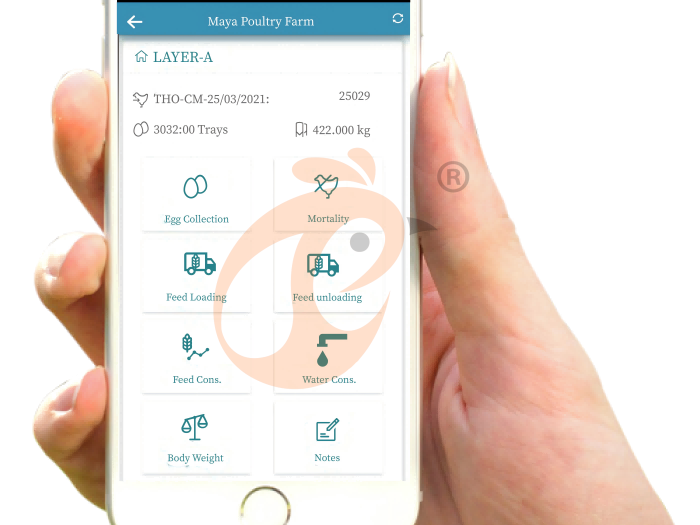
 IoT Smart Poultry FarmRead More
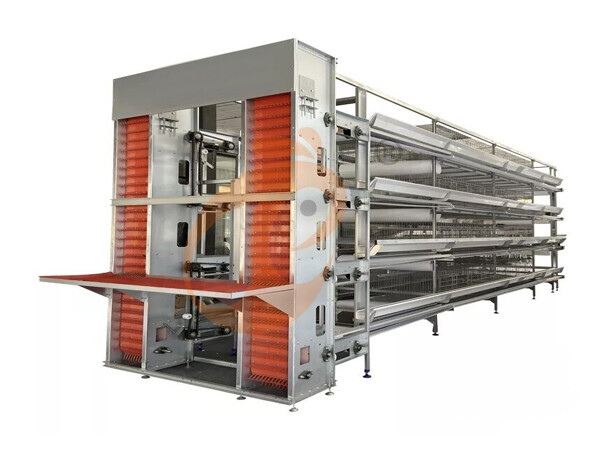
 >30,000 Layers Automatic H Type Battery CageRead More
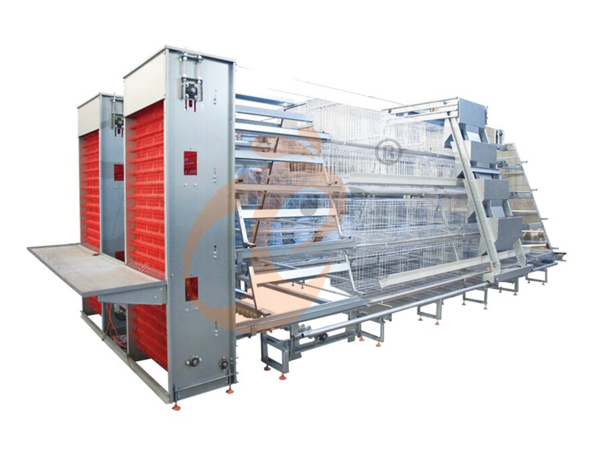
 10,000 - 30,000 Layers Automatic A Type Battery CageRead More
MESSAGE
NEWS
 50,000 - 100,000 chickens/house: poultry farm solution, chicken cage, poultry farm equipment, AI smart managementRead More
 30,000 - 50,000 chickens/house: poultry farm solution, chicken cage, poultry farm equipment, AI smart managementRead More
 10,000 - 30,000 chickens/house: poultry farm solution, chicken cage, poultry farm equipment, AI smart managementRead More
 100 - 10,000 chickens/house: poultry farm solution, chicken cage, poultry farm equipment, AI smart managementRead More