

BLOG
- Free range poultry farming systems integrate outdoor grazing infrastructure, controlled feeding mechanisms, biosecure housing to optimize production efficiency and welfare.
Operational cost structures depend on feed conversion efficiency, veterinary protocols, labor allocation, and capital investment across poultry production cycles management.
Market driven pricing models influence poultry farming profitability through demand elasticity, product differentiation, and supply chain optimization strategies framework efficiency.
Environmental variables directly impact free range chicken farming cost through mortality risk, feed variability, and housing maintenance requirements stability control.
- Technological integration improves organic poultry farming cost efficiency via automated monitoring systems, precision feeding, and data driven analytics decision support.
Get professional poultry farm construction guidance, equipment selection solutions, and the latest price lists, whatsApp to +8618830120193, click to learn more:
Overview Of Free Range Poultry Farming Economics
Free range poultry farming operates through hybrid ecological-engineering systems combining pasture rotation with controlled confinement housing during night cycles.
Industry benchmarks indicate stocking density typically ranges between 250–800 birds per acre depending on pasture regeneration capacity and climate zone.
Modern commercial operations in the United States report average feed conversion ratios of 2.4–2.8 in free range layer systems compared to 2.0–2.2 in intensive cage systems.
Automated poultry equipment adoption rate exceeds 65% in medium-scale farms (>5,000 birds), particularly in feeding and environmental monitoring modules.
Capital investment per 1,000 birds generally ranges between $8,000 and $18,000 depending on infrastructure complexity and automation integration level.
Feed Cost (Largest Expense Component)
Feed remains the primary cost driver in free range poultry production due to biological energy demand and inconsistent forage intake variability.
Field studies show that free range birds derive only 5–18% of total nutritional intake from natural foraging, requiring substantial supplemental feed input.
Protein concentration levels between 16%–19% are standard in layer feed formulations to maintain consistent egg production above 280 eggs per hen annually.
Data is for reference only.Swipe horizontally to view full table.
Feed cost structure directly influences poultry farming profitability, where a 5% improvement in feed efficiency can increase net margins by 8–12% in commercial operations.
Housing And Infrastructure Costs
Housing infrastructure is engineered to balance ventilation, predator exclusion, and thermal regulation efficiency across seasonal cycles.
Typical poultry sheds maintain stocking densities of 8–12 birds per square meter indoors, with outdoor access ratios of 1,000–1,500 square meters per 100 birds.
Galvanized steel framing systems extend structural lifespan to 10–15 years under standard maintenance conditions.
Data is for reference only.Swipe horizontally to view full table.
European union standard reference only.
Sensor-based ventilation systems reduce ammonia concentration levels below 20 ppm, improving respiratory health and reducing mortality risk by up to 14%.
Labor Cost Structure
Labor intensity varies significantly depending on mechanization level, flock size, and operational design.
Manual free range farms typically require 1 worker per 500–800 birds, while automated systems extend efficiency to 1 worker per 2,000–3,500 birds.
Egg collection frequency averages 1.5–2.2 cycles per day depending on production intensity.
Data is for reference only.Swipe horizontally to view full table.
Labor automation can reduce operational expenditure by 18–32% depending on system configuration and farm scale.
Veterinary And Health Management Costs
Disease pressure in free range systems is statistically higher due to soil-borne pathogens and wildlife interaction vectors.
Common vaccination schedules include Marek's disease, Newcastle disease, and infectious bronchitis with 90–95% immunization coverage in commercial farms.
Average mortality rates range between 6% and 12% annually under controlled management systems.
Data is for reference only.Swipe horizontally to view full table.
Implementation of structured biosecurity reduces outbreak probability by approximately 35% in mixed-environment poultry systems.
Day-Old Chicks Or Pullets Cost
Genetic lineage selection significantly impacts feed efficiency, disease resistance, and production lifespan.
High-performance layer strains such as Hy-Line and Lohmann commonly achieve peak production rates of 90–94% egg-laying efficiency between 26–72 weeks of age.
Feed conversion efficiency differences between standard and premium breeds can reach 0.15–0.25 ratio points.
Data is for reference only.Swipe horizontally to view full table.
Genetic optimization contributes up to 20% improvement in lifecycle profitability under consistent management conditions.
Land And Grazing Costs
Land allocation directly determines ecological load balance and production sustainability in free range systems.
Optimal rotational grazing cycles typically range between 7–21 days per paddock to maintain soil regeneration and parasite control.
Carrying capacity varies significantly from 400 to 900 birds per acre depending on vegetation density and climate conditions.
Data is for reference only.Swipe horizontally to view full table.
Land optimization is a critical constraint variable in scaling commercial poultry farming operations.
Utilities And Operational Maintenance
Utility consumption patterns vary with automation density and climate control requirements.
Average electricity consumption in medium-scale poultry farms ranges from 1.2 to 2.0 kWh per bird annually for ventilation and lighting systems.
Water consumption averages 8–12 liters per bird per week in layer systems.
Data is for reference only.Swipe horizontally to view full table.
Predictive maintenance systems reduce equipment failure rates by approximately 22% annually in automated facilities.
Educational Insight: How Free Range Systems Work
Free range poultry systems operate on controlled dual-environment architecture combining indoor biosecure housing and outdoor grazing cycles.
Bird movement patterns are typically regulated through time-based access scheduling, with 6–10 hours daily outdoor exposure in commercial systems.
Nutrient intake distribution is dynamically balanced between engineered feed input and natural forage consumption.
Environmental monitoring systems track humidity, ammonia, and temperature in real time to maintain physiological stability and reduce stress-induced productivity loss.
Cost Efficiency And Productivity Balance
Cost efficiency optimization depends on synchronizing biological output with infrastructure utilization and feed conversion stability.
Data is for reference only.Swipe horizontally to view full table.
Integrated automation systems increase production yield efficiency by 12–25% depending on baseline farm design.
Risk Factors Affecting Costs
Risk exposure in free range systems includes avian influenza outbreaks, predator intrusion, and feed market volatility exceeding 10–25% annual price fluctuation in some regions.
Climate variability can increase heat stress mortality rates by up to 8% in poorly ventilated systems.
Redundant infrastructure design reduces systemic failure probability in high-density production environments.
Sustainability And Long-Term Cost Trends
Integrated manure recycling systems can reduce fertilizer dependency by up to 30–45% in mixed crop-livestock farms.
Carbon footprint reduction strategies include optimized feed sourcing and renewable energy integration in housing systems.
Long-term cost stabilization is strongly correlated with pasture regeneration efficiency and infrastructure lifecycle extension.
Frequently Asked Questions
Q1: What is the average investment required for free range poultry farming?
Initial capital requirement typically ranges from $12,000 to $45,000 for 1,000–5,000 birds depending on automation level and infrastructure density.
Q2: How does feed efficiency impact poultry farming profitability?
A 10% improvement in feed conversion efficiency can increase net profit margins by 15–22% due to reduced feed expenditure per production cycle.
Q3: What is the mortality rate in free range systems?
Controlled systems maintain 6%–10% mortality annually, while unmanaged systems may exceed 18% due to environmental exposure risks.
Taiyu (HK) Group - One Of China Largest Poultry Equipment Manufacturer
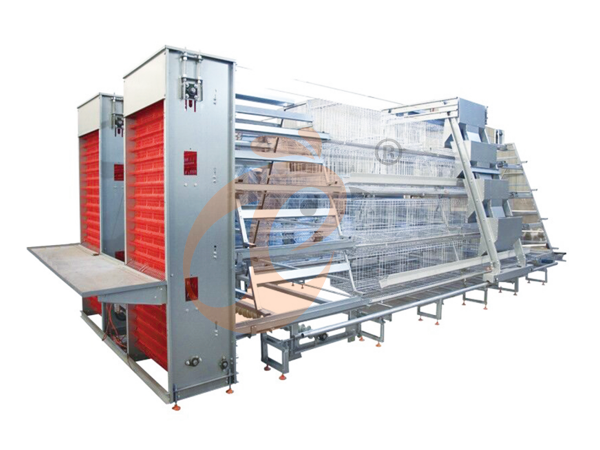
Free range poultry farming cost optimized poultry equipment systems enable automated feeding architecture and precision livestock management integration.
Global factory direct supply supports standardized poultry cage systems with engineered durability and scalable production capacity.
Turn-key poultry engineering solutions provide full farm automation including ventilation control, feeding systems, and environmental monitoring integration.
Large scale poultry equipment manufacturing delivers industrial grade infrastructure for commercial poultry production expansion projects.
International export compliant systems ensure high performance poultry farming equipment suitable for global large scale agricultural deployment.
Contact Us To Received Your Customized Poultry Farm Plan
Headquarters And Branchs

Hong Kong Headquarter Management Team
Hong Kong Headquarter Taiyu Industrial Group CO., LTD
China Hebei Best Machinery And Equipment CO., LTD
Nigeria Vanke Machinery And Equipment CO., LTD
Tanzania Best Machinery And Equipment CO., LTD
Ethiopia Best Hebei Machinery Manufacturing PLC




Reception /24 WhatsApp NO. : +8618830120193
PRODUCTS RECOMMENDED
 China Branch Manufacture Poultry Farm EquipmentRead More
 Ethiopia Branch Manufacture Poultry Farm EquipmentRead More
 Nigeria Branch Manufacture Poultry Farm EquipmentRead More
 Tanzania Branch Manufacture Poultry Farm EquipmentRead More
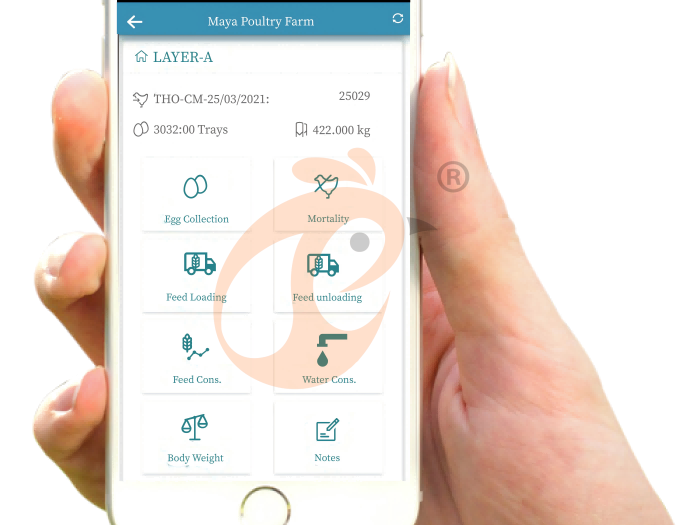
 IoT Smart Poultry FarmRead More
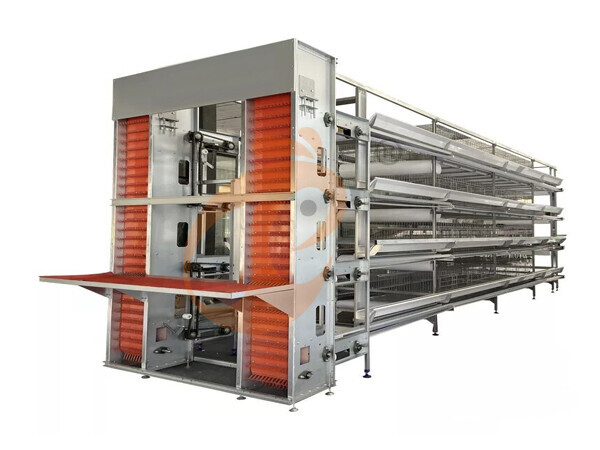
 >30,000 Layers Automatic H Type Battery CageRead More
 10,000 - 30,000 Layers Automatic A Type Battery CageRead More
MESSAGE