

NEWS
Poultry cage system quotation requires complete farm information, covering house structure, flock targets, automation selection, and equipment planning with professional parameters for accurate project evaluation.
Commercial poultry projects depend on detailed cage capacity calculation, with production planning ranging from 10,000 to 1,000,000+ birds and customized equipment combinations.
Automatic feeding, egg collection, manure removal, and smart control solutions improve modern farm management through integrated poultry equipment engineering.
Technical specifications such as cage arrangement, motor configuration, ventilation design, and utility planning support efficient installation with operation cycles exceeding 10 years.
Professional quotation preparation combines engineering analysis and production requirements to create reliable poultry farm solutions for different commercial farming scales.
Get professional poultry farm construction guidance, equipment selection solutions, and the latest price lists, whatsApp to +8618830120193, click to learn more:
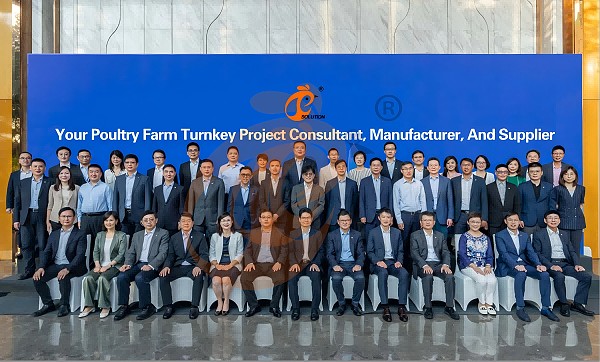
Poultry House Dimensions And Layout Requirements
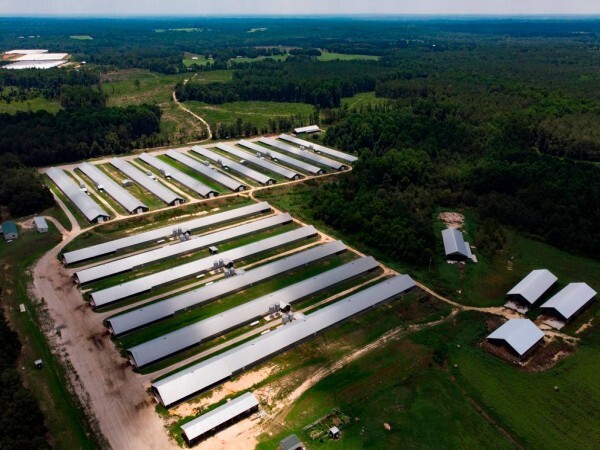
The first requirement for an accurate poultry cage quotation is detailed house structure information.
Manufacturers analyze building dimensions, internal space, and installation conditions before designing suitable poultry cage systems.
A properly planned house layout allows automatic equipment such as feeding machines, manure systems, and egg collection conveyors to operate smoothly with a coordinated structure.
For commercial projects, cage arrangement normally considers operation space, equipment maintenance routes, and airflow direction with engineering planning based on 2–6 operation zones per house.
Data is for reference only.Swipe horizontally to view full table.
Accurate building parameters allow suppliers to develop customized automatic poultry equipment layouts according to actual farm conditions.
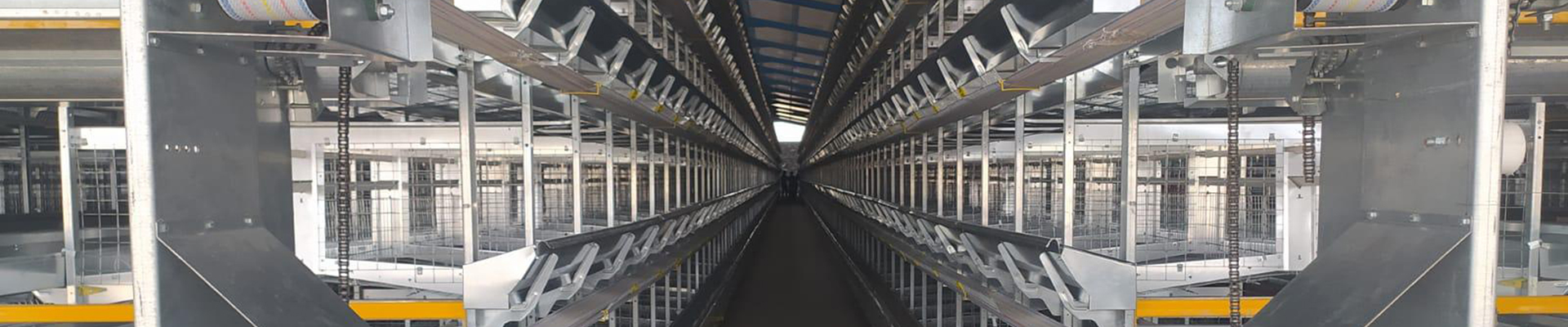
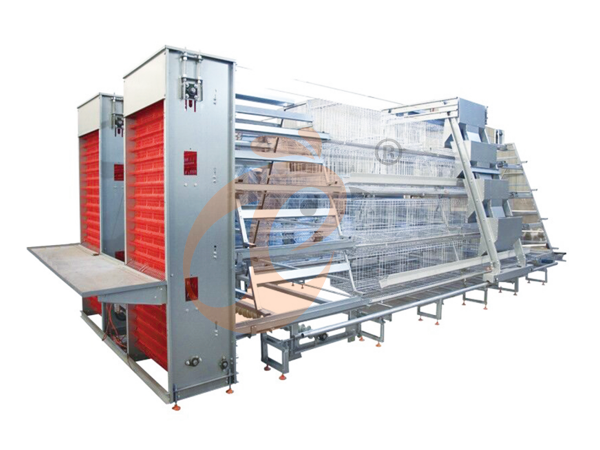
For large egg production facilities, H type poultry cage systems can utilize vertical space efficiently while integrating feeding, drinking, and manure management functions.
Modern cage projects also require consideration of installation sequence, transportation access, and equipment assembly efficiency.
A professional design team usually evaluates more than 15 structural connection points before finalizing the quotation.
Flock Information And Production Targets
Bird information directly affects poultry cage system selection and equipment configuration.
Different breeds require different cage structures, feeding positions, and management methods to achieve suitable production performance.
Layer farms, broiler operations, and pullet farms cannot use identical equipment designs because body development and production objectives vary significantly.
Providing complete flock details helps manufacturers calculate equipment quantity and recommend the correct farming solution.
Data is for reference only.Swipe horizontally to view full table.
Complete flock information enables suppliers to match poultry equipment with actual production requirements.
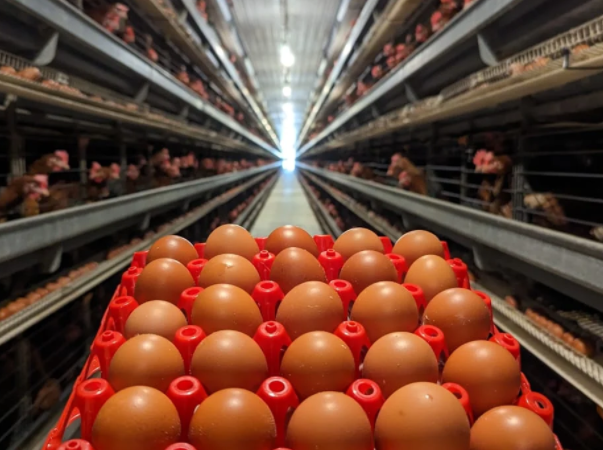
Layer cage system projects often combine automatic egg handling equipment with precise feeding management to improve operational consistency.
Farm planning should also consider future expansion requirements.
Many commercial customers reserve additional equipment connection points for future capacity growth within 3–5 years.
Poultry Cage And Automation System Requirements
A complete quotation should include not only cage structures but also supporting automation equipment.
Modern poultry farms depend on integrated systems combining cage design, feeding, drinking, egg handling, and manure processing.
Professional suppliers evaluate each module separately and then create a complete poultry equipment package based on farm scale.
Data is for reference only.Swipe horizontally to view full table.
Automatic poultry equipment improves production management by reducing repeated manual operations.
Integrated systems can connect multiple production areas through centralized control with response times within several seconds.
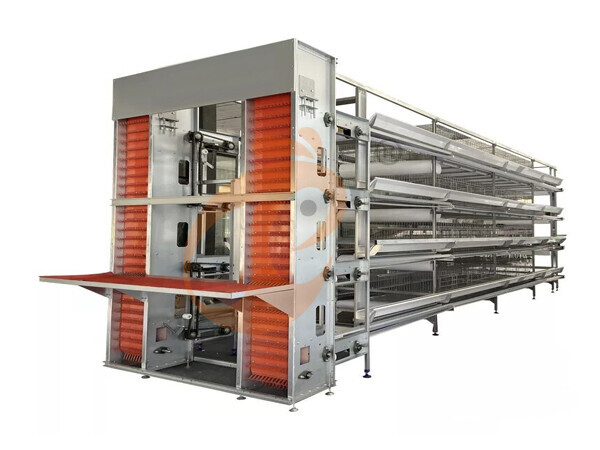
For large farms, automatic H type cage systems provide a structured solution for intensive egg production.
The equipment combination supports continuous operation with optimized labor organization and simplified daily management.
Environmental Control And Utility Requirements
Environmental systems must be matched with poultry cage installation plans.
Temperature control, ventilation, lighting, and water management influence equipment operation and bird production conditions.
A professional quotation includes supporting systems to ensure the complete poultry farm equipment solution works as one integrated platform.
Environmental design normally considers seasonal changes, airflow requirements, and equipment protection standards for long-term operation.
Data is for reference only.Swipe horizontally to view full table.
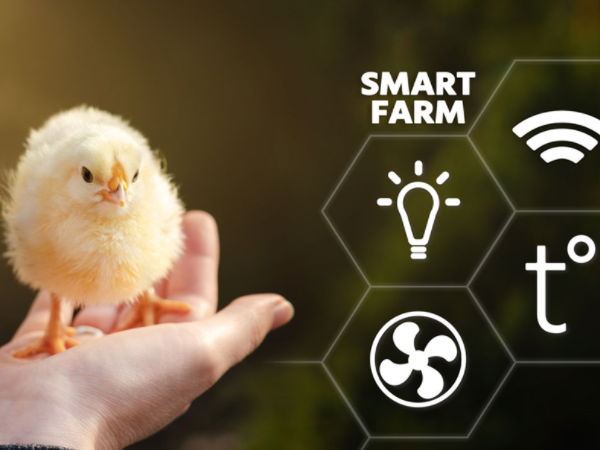
Smart poultry farm solutions combine environmental sensors with automated equipment control.
Integrated monitoring systems can manage multiple parameters through centralized operation panels.
For regions with changing climate conditions, customized ventilation and cooling solutions help maintain stable production environments.
Professional engineering evaluation usually includes airflow simulation and equipment matching before manufacturing begins.
Farm Location And Project Expansion Information
Project location and future development plans influence the final poultry cage quotation.
Manufacturers evaluate transportation conditions, farm scale, installation environment, and expansion requirements before selecting suitable poultry farm equipment configurations.
A complete project analysis helps determine whether customers need independent equipment supply or a complete Turn-key poultry farm solution including design, manufacturing, installation guidance, and technical support.
Commercial farms usually reserve equipment expansion space according to production growth plans, with future capacity increases often planned through modular system connections.
Data is for reference only.Swipe horizontally to view full table.
A professional poultry equipment supplier considers present production targets and future development requirements together.
Expandable cage structures allow farms to add additional equipment modules without redesigning the complete production system.
For international poultry projects, manufacturers also analyze installation conditions, spare parts planning, and technical service requirements.
A complete engineering approach reduces unexpected adjustments after equipment delivery.
Complete Poultry Equipment Configuration Details
A poultry cage quotation should clearly define every required equipment component.
Modern farms require coordinated systems rather than separate product purchases.
Professional suppliers combine cage structures with automatic feeding, drinking, manure removal, and intelligent management equipment to create complete production solutions.
Data is for reference only.Swipe horizontally to view full table.
A complete poultry equipment package improves project efficiency by combining multiple systems into one coordinated solution.
Automatic cage systems can connect feeding, watering, egg collection, and manure processing functions through centralized management.
Equipment selection should also consider maintenance convenience and component replacement efficiency.
Professional manufacturers normally design service access areas to support daily inspection and long-term operation.
Electrical System And Automation Control Requirements
Automatic poultry cage projects require accurate electrical planning before equipment production.
Feeding motors, manure belts, egg conveyors, ventilation fans, and smart controllers all depend on suitable electrical configuration.
Incorrect power planning may affect equipment performance and increase installation adjustments during project completion.
Manufacturers use electrical information to select compatible motors, control cabinets, and protection components.
Data is for reference only.Swipe horizontally to view full table.
Advanced poultry equipment solutions often include intelligent control systems that connect multiple operating units.
Centralized control improves management efficiency by allowing operators to monitor equipment status from one location.
For large-scale poultry farms, electrical planning should include future automation expansion requirements.
Reserved control capacity helps support additional equipment installation during farm development.
Feeding System Configuration Information
The feeding system is one of the most important components in modern poultry farm equipment.
Accurate feeding information allows manufacturers to calculate feed delivery routes, motor requirements, and equipment quantity.
Automatic feeding systems provide consistent feed distribution and reduce daily labor requirements in commercial farms.
Professional design considers feed storage, transportation distance, and operation frequency before final configuration.
Data is for reference only.Swipe horizontally to view full table.
Automatic feeding equipment integrated with poultry cage systems improves feed management accuracy.
The system design supports continuous operation with reduced manual intervention.
For commercial layer farms, feeding equipment can be combined with smart controllers to adjust operation schedules according to production requirements.
This integration creates a more efficient management model for modern poultry production.
Drinking System Configuration Information
A stable drinking system is essential for efficient poultry production.
Suppliers need water supply information to design suitable nipple lines, pressure control equipment, and pipeline arrangements.
Automatic drinking equipment works together with poultry cage systems to provide continuous water availability.
Professional engineering evaluates water source conditions and distribution requirements before quotation preparation.
Data is for reference only.Swipe horizontally to view full table.
Reliable drinking systems improve farm management by maintaining consistent water delivery throughout the poultry house.
Combined with automatic poultry equipment, the system helps create a complete production environment.
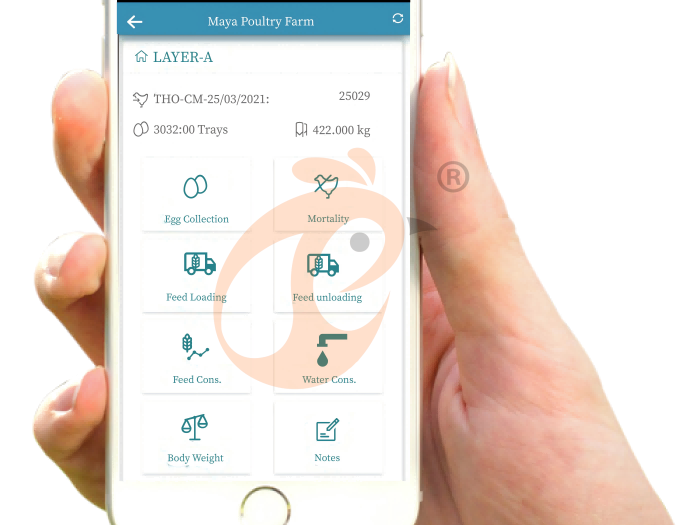
Modern farms often integrate water monitoring functions into smart control platforms.
Real-time management supports better operation decisions and equipment maintenance planning.
Manure Management System Requirements
Efficient manure management is an important part of modern poultry cage system design.
Professional suppliers evaluate waste collection methods, discharge locations, and cleaning frequency before preparing equipment quotations.
Automatic manure removal equipment helps maintain cleaner poultry house conditions and reduces repeated manual cleaning operations.
For large commercial farms, manure systems are normally integrated with multi-tier cage structures to create continuous waste handling solutions.
Data is for reference only.Swipe horizontally to view full table.
Automatic manure removal systems improve poultry farm equipment efficiency by reducing waste accumulation inside production buildings.
A properly designed system supports cleaner working conditions and simplifies daily farm management.
For layer cage projects, polypropylene manure belts are widely used because of their stable operation characteristics and suitable maintenance performance.
Professional equipment suppliers select belt structures, drive units, and discharge systems according to project scale.
Essential Data For Accurate Poultry Cage Quotation
Preparing complete technical information helps manufacturers provide accurate poultry cage quotations.
A professional quotation evaluates production goals, equipment requirements, and installation conditions together.
Customers who provide detailed project information can receive more suitable equipment recommendations and reduce unnecessary design changes.
A complete quotation process normally combines engineering calculation, equipment selection, and project planning.
Data is for reference only.Swipe horizontally to view full table.
Accurate quotation preparation allows suppliers to provide complete solutions covering poultry cages, automatic systems, and supporting farm equipment.
The final equipment package should match production capacity, management method, and future expansion strategy.
For customers building modern poultry farms, selecting a manufacturer with engineering capability is important for long-term project success.
A professional supplier provides not only equipment production but also technical planning, installation guidance, and after-sales support.
Frequently Asked Questions
Q1: What information is required before requesting a poultry cage quotation?
Customers should provide poultry house dimensions, bird quantity, cage type requirements, automation preferences, and farm infrastructure information.
Detailed data such as house length, production capacity, and power conditions helps suppliers design suitable equipment configurations.
A complete project evaluation can include more than 20 technical items before quotation confirmation.
Q2: How does poultry equipment selection affect the final quotation?
Poultry equipment selection directly affects system configuration, manufacturing requirements, and installation planning.
Automatic feeding systems, manure removal equipment, and egg collection systems influence the complete project structure.
For example, a fully automatic cage project may require multiple control modules and integrated operating systems.
Q3: Why is a Turn-key poultry farm solution recommended for large projects?
A Turn-key poultry farm solution combines engineering design, equipment manufacturing, installation support, and technical service into one project process.
Large farms with capacities above 100,000 birds usually require coordinated planning between cages, automation, and environmental systems.
Integrated project management helps improve installation efficiency and long-term equipment operation.
Taiyu (HK) Group - One Of China Largest Poultry Cage System Manufacturer
Poultry cage system provides integrated housing solutions combining cage structures, automation modules, and commercial production requirements for modern farms.
Global factory direct sales deliver standardized poultry equipment manufacturing with professional engineering support and international project experience.
Complete poultry equipment packages include cage systems, feeding machines, drinking systems, manure removal equipment, and smart farm control solutions.
Turn-key engineering services cover project planning, equipment production, installation guidance, and technical assistance for worldwide poultry operations.
Customized farm solutions support different production scales through reliable manufacturing processes and complete technical specifications.
Contact Us To Received Your Customized Poultry Farm Plan
Headquarters And Branchs

Hong Kong Headquarter Management Team
Hong Kong Headquarter Taiyu Industrial Group CO., LTD
China Hebei Best Machinery And Equipment CO., LTD
Nigeria Vanke Machinery And Equipment CO., LTD
Tanzania Best Machinery And Equipment CO., LTD
Ethiopia Best Hebei Machinery Manufacturing PLC
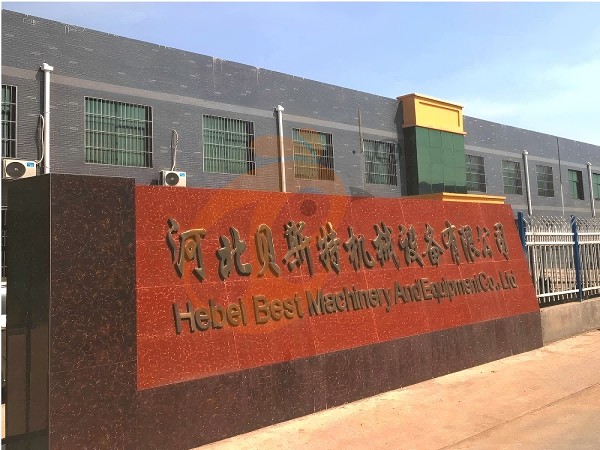
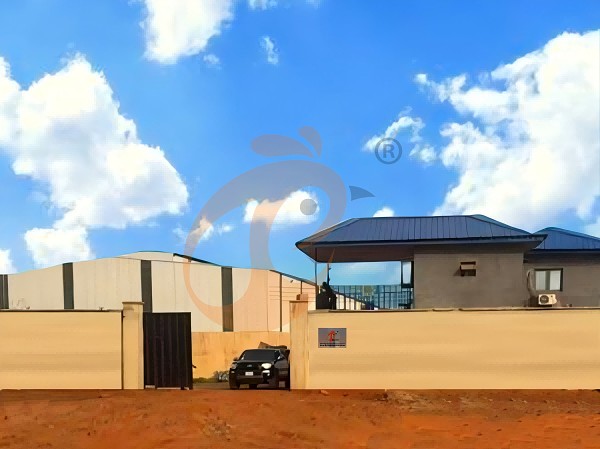
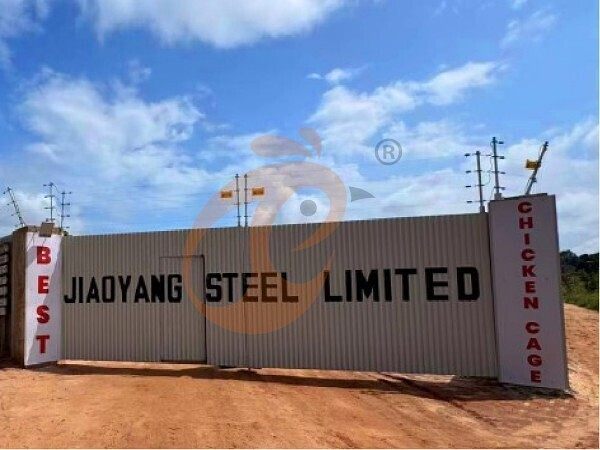
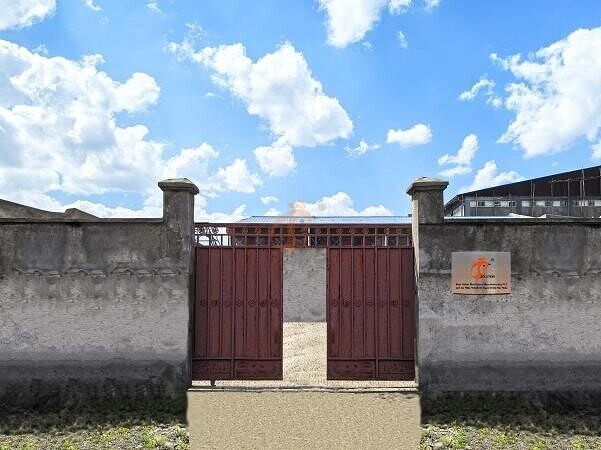
Reception /24 WhatsApp NO. : +8618830120193
PRODUCTS RECOMMENDED
 China Branch Manufacture Poultry Farm EquipmentRead More
 Ethiopia Branch Manufacture Poultry Farm EquipmentRead More
 Nigeria Branch Manufacture Poultry Farm EquipmentRead More
 Tanzania Branch Manufacture Poultry Farm EquipmentRead More
 IoT Smart Poultry FarmRead More
 >30,000 Layers Automatic H Type Battery CageRead More
 10,000 - 30,000 Layers Automatic A Type Battery CageRead More
MESSAGE
NEWS
 50,000 - 100,000 chickens/house: poultry farm solution, chicken cage, poultry farm equipment, AI smart managementRead More
 30,000 - 50,000 chickens/house: poultry farm solution, chicken cage, poultry farm equipment, AI smart managementRead More
 10,000 - 30,000 chickens/house: poultry farm solution, chicken cage, poultry farm equipment, AI smart managementRead More
 100 - 10,000 chickens/house: poultry farm solution, chicken cage, poultry farm equipment, AI smart managementRead More