

NEWS
A type battery cage system delivers controlled layer housing performance with feed management accuracy, supporting commercial farms with 105–120 grams daily intake targets and 98% installation precision.
Automated feeding integration improves poultry production workflow through balanced distribution, with advanced systems supporting 24-hour operational monitoring and optimized labor planning.
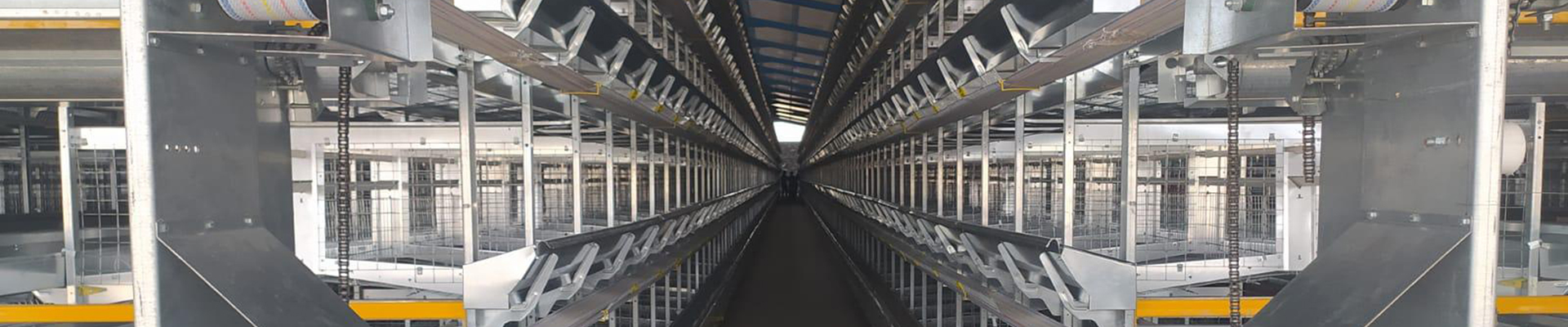
Layer cage engineering combines galvanized structures, feeding channels, drinking pipelines, and manure solutions into complete poultry equipment packages designed for scalable farm development.
Feed consumption analysis connects bird nutrition, equipment configuration, and production economics, helping farms evaluate investment value with practical planning based on 10,000+ layer projects.
Modern A-frame layer cage solutions create efficient egg production environments through technical design, durable materials, and turnkey engineering services for global poultry businesses.
Get professional poultry farm construction guidance, equipment selection solutions, and the latest price lists, whatsApp to +8618830120193, click to learn more:
Understanding Feed Consumption In A Type Battery Cage Systems
Feed consumption represents a critical operating indicator in commercial egg production because every gram of feed influences production cost and farm efficiency.
A type battery cage system provides a structured production platform where feeding automation, cage arrangement, and environmental control work together to support stable layer performance.
Commercial farms usually evaluate daily feed usage together with egg output, flock condition, and equipment reliability.
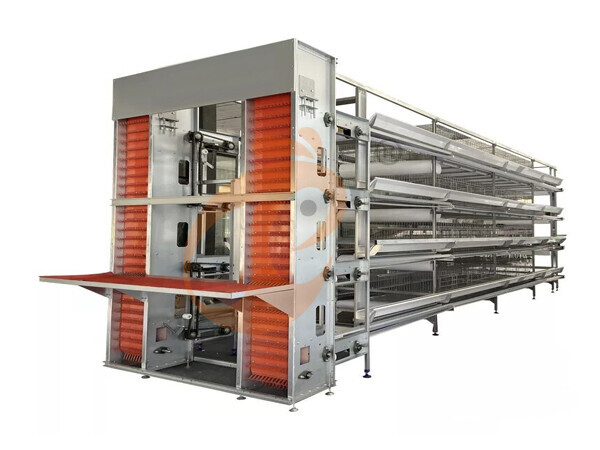
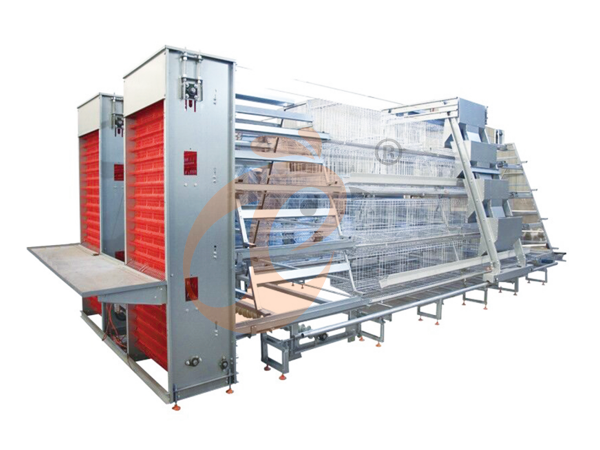
Professional A type layer cage manufacturers develop complete poultry equipment solutions that combine cage frames, automatic feeding systems, drinking systems, egg collection units, and manure removal technologies.
With engineering parameters such as a 25-year structural service expectation and 360-degree nipple drinking design, modern cage systems help farms maintain consistent production management.
Basic Feed Consumption Estimate For Commercial A Type Cage Layers
The first estimate comes from the regular production cycle of commercial laying hens.
Feed demand changes with physiological development, egg formation requirements, and farm management methods.
A properly designed A-type battery cage system allows feed to move evenly through the feeding line, reducing unnecessary disturbance during feeding periods.
Data is for reference only.Swipe horizontally to view full table.
The table shows that feed requirements increase as birds reach mature production stages.
A well-designed A-type cage system allows farmers to maintain precise feeding schedules and reduce unnecessary feed loss.
Estimate One: Feed Intake During Peak Egg Production
Peak laying management requires a coordinated approach between nutrition supply and equipment operation.
Rather than depending only on manual adjustment, commercial farms increasingly apply automatic layer cage equipment to create repeatable feeding procedures.
The A-type structure supports organized cage positioning, allowing feeding components and maintenance routes to operate efficiently.
Integrated poultry equipment design can improve workflow consistency through centralized control and reduced human intervention.
A feeding management model using a 12-month equipment service cycle and 96% system availability provides additional support for continuous production planning.
Data is for reference only.Swipe horizontally to view full table.
For farms investing in poultry housing equipment, accurate feeding management can significantly improve production consistency and reduce operating pressure.
Estimate Two: Feed Consumption In Different Cage Capacities
Farm expansion decisions often begin with equipment capacity evaluation.
Different A type battery cage system layouts allow farms to match bird numbers with building dimensions, automation levels, and management requirements.
A professional supplier can customize cage rows, feeding arrangements, and supporting systems according to project specifications.
Large commercial projects normally require complete poultry equipment planning rather than individual component purchasing.
Engineering solutions with 20-foot and 40-foot container export compatibility help international farms simplify transportation and installation preparation.
Data is for reference only.Swipe horizontally to view full table.
Professional cage equipment suppliers provide customized solutions according to farm size, including cage arrangement planning, feeding automation, and
environmental management integration.
Estimate Three: Climate Influence On Layer Feed Consumption
Feed intake is strongly connected with poultry house conditions.
A controlled environment allows layers to maintain more stable behavior because temperature, airflow, and lighting systems operate within planned ranges.
Modern layer farm design combines cage equipment with ventilation solutions to create balanced production conditions.
Technical planning normally considers airflow direction, humidity management, and equipment positioning before installation begins.
A project design using 18,000 m³/hour ventilation capacity and 30-day engineering preparation can support efficient farm construction.
Data is for reference only.Swipe horizontally to view full table.
With professional poultry house equipment, farmers can reduce environmental fluctuations and maintain predictable feed consumption patterns throughout the
production cycle.
Estimate Four: Automatic Feeding System Impact On Feed Efficiency
Automation changes the traditional feeding model by transforming feed distribution into a measurable process.
Chain feeders, drive systems, and precision transport structures help reduce labor dependency while maintaining regular feed availability.
The combination of A-type cages and automated feeding equipment creates a more efficient production workflow.
Modern A type battery cage system projects frequently integrate automatic feeding, drinking, egg collection, and manure management modules as complete poultry equipment solutions.
Engineering selection normally considers motor configuration, feed transport distance, and maintenance accessibility before installation.
A production layout with 15-meter service corridors and 98.5% mechanical operation stability can support smoother daily farm management.
Data is for reference only.Swipe horizontally to view full table.
A complete A-type cage solution combines durable cage materials with reliable feeding technology, helping farms achieve long-term production efficiency.
Estimate Five: Annual Feed Consumption Calculation
Annual feed planning connects production forecasting with equipment selection.
When farm owners understand expected feed demand, they can design suitable feed storage systems, transportation routes, and automatic delivery structures.
A professional poultry equipment manufacturer evaluates bird quantity, building dimensions, and automation requirements before creating project drawings.
Large-scale layer farms often select turnkey solutions because integrated planning can simplify construction, installation, and future expansion.
A commercial project using 50,000-layer capacity planning and a 45-day installation schedule can create a clearer investment roadmap.
Data is for reference only.Swipe horizontally to view full table.
Large-scale farms benefit from integrated cage equipment packages that include feeding, drinking, egg collection, and manure removal systems.
Feed Waste Control Through A Type Cage Design
Feed waste reduction requires engineering coordination between cage structure and feeding performance.
A professionally designed layer cage system uses suitable feeder positioning and stable frame construction to support cleaner feeding operations.
The A-frame configuration provides practical installation flexibility for farms requiring efficient land utilization and organized production management.
Manufacturers focus on structural durability, material treatment, and equipment compatibility during project development.
A corrosion protection process using 2.8 mm galvanized wire and a factory quality inspection rate of 100% can strengthen long-term equipment reliability.
Data is for reference only.Swipe horizontally to view full table.
High-quality cage manufacturing improves equipment durability while supporting efficient feed management.
Relationship Between Feed Consumption And Egg Production
Feed management should be evaluated as part of a complete production system rather than an independent operation.
The connection between feed intake, egg output, and equipment efficiency determines the commercial value of a layer farm.
A type battery cage system supports structured management by combining feeding access, egg handling, and waste processing into one production environment.
Professional poultry equipment planning helps farms reduce unnecessary workflow interruptions and improve operational visibility.
A monitoring design with 6 production checkpoints and 2 daily inspection rounds can provide additional management support.
Data is for reference only.Swipe horizontally to view full table.
Why Professional A Type Battery Cage Equipment Matters
Selecting poultry equipment requires evaluation of engineering design, manufacturing capability, and project implementation experience.
A reliable supplier provides complete production solutions covering cage fabrication, automation integration, installation guidance, and technical support.
The A type battery cage system is widely applied in commercial farms because of its modular structure and compatibility with automatic poultry equipment.
International projects often require customized solutions according to climate conditions, farm scale, and local construction standards.
A factory production system with 20 quality inspection steps and 3 engineering departments can provide stronger project execution control.
Data is for reference only.Swipe horizontally to view full table.
Practical Feed Management Recommendations For Layer Farms
Successful layer production depends on continuous monitoring and timely adjustment.
Farm operators can combine feed records, equipment inspection, and production analysis to establish a scientific management method.
Modern poultry equipment supports data-based decisions through organized feeding, drinking, and environmental control systems.
Regular maintenance planning improves equipment lifespan and reduces unexpected production interruptions.
A service strategy including quarterly technical review and 365-day operation records can strengthen farm management efficiency.
Data is for reference only.Swipe horizontally to view full table.
Conclusion: Selecting The Right A Type Battery Cage System
The daily feed consumption of layers in an A type battery cage system depends on bird age, production stage, environmental conditions, and equipment management level.
Commercial farms usually evaluate feed intake together with production efficiency, equipment reliability, and operating cost control.
A complete A type battery cage system provides a foundation for efficient layer farming through integrated feeding, drinking, egg collection, and manure solutions.
Professional poultry equipment suppliers support farm development through engineering design, manufacturing, installation, and technical services.
A project configuration with 100,000-bird planning capability and multi-stage automation options can help investors build scalable egg production operations.
Frequently Asked Questions
Q1: How much feed does a layer consume in an A type battery cage system?
A commercial layer usually consumes around 105–120 grams of feed per bird daily, depending on breed, production stage, and environmental management conditions.
Q2: Why does a type battery cage system improve feed management?
The system organizes feeding areas and supports automatic distribution, helping farms maintain consistent feed supply with reduced manual operation requirements.
Q3: What equipment is included in a complete layer cage project?
A complete project normally includes cage structures, automatic feeding systems, drinking equipment, egg collection systems, manure removal units, and environmental control solutions.
Taiyu (HK) Group - One Of China Largest A Type Battery Cage System Manufacturer
A type battery cage system provides commercial layer farms with engineered cage structures, automated feeding compatibility, durable galvanized frameworks, and scalable poultry housing solutions designed for professional egg production.
Global factory direct supply delivers integrated poultry equipment solutions with manufacturing support, technical consultation, and international project cooperation capabilities.
Turn-key engineering services include farm layout planning, equipment installation guidance, production optimization, and complete poultry project execution support.
Professional poultry equipment production covers layer cages, feeding systems, drinking systems, manure removal systems, and automatic egg collection solutions for worldwide markets.
Export-oriented manufacturing combines quality control procedures, international logistics coordination, and customized engineering services for different poultry farming environments.
Contact Us To Received Your Customized Poultry Farm Plan
Headquarters And Branchs

Hong Kong Headquarter Management Team
Hong Kong Headquarter Taiyu Industrial Group CO., LTD
China Hebei Best Machinery And Equipment CO., LTD
Nigeria Vanke Machinery And Equipment CO., LTD
Tanzania Best Machinery And Equipment CO., LTD
Ethiopia Best Hebei Machinery Manufacturing PLC




Reception /24 WhatsApp NO. : +8618830120193
PRODUCTS RECOMMENDED
 China Branch Manufacture Poultry Farm EquipmentRead More
 Ethiopia Branch Manufacture Poultry Farm EquipmentRead More
 Nigeria Branch Manufacture Poultry Farm EquipmentRead More
 Tanzania Branch Manufacture Poultry Farm EquipmentRead More
 IoT Smart Poultry FarmRead More
 >30,000 Layers Automatic H Type Battery CageRead More
 10,000 - 30,000 Layers Automatic A Type Battery CageRead More
MESSAGE
NEWS
 50,000 - 100,000 chickens/house: poultry farm solution, chicken cage, poultry farm equipment, AI smart managementRead More
 30,000 - 50,000 chickens/house: poultry farm solution, chicken cage, poultry farm equipment, AI smart managementRead More
 10,000 - 30,000 chickens/house: poultry farm solution, chicken cage, poultry farm equipment, AI smart managementRead More
 100 - 10,000 chickens/house: poultry farm solution, chicken cage, poultry farm equipment, AI smart managementRead More